neon lights and noodle bars: Japan on film
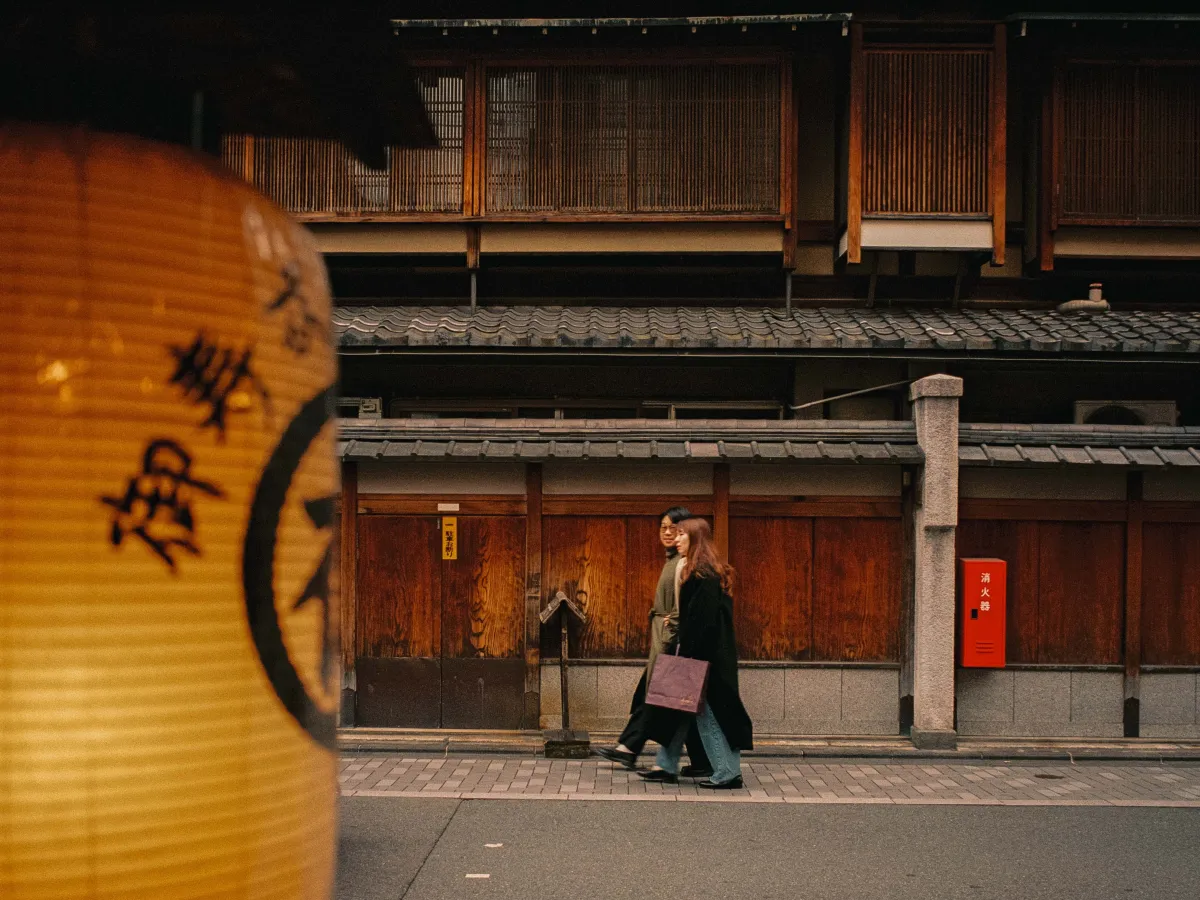
Lifestyle and fashion photographer Amanda Tromp spent two weeks hopping around Japan during the winter months. Here, we unravel her film roll – from bright lights and drinking dens in Tokyo, to kissa bars and ceramics stands in Kyoto.
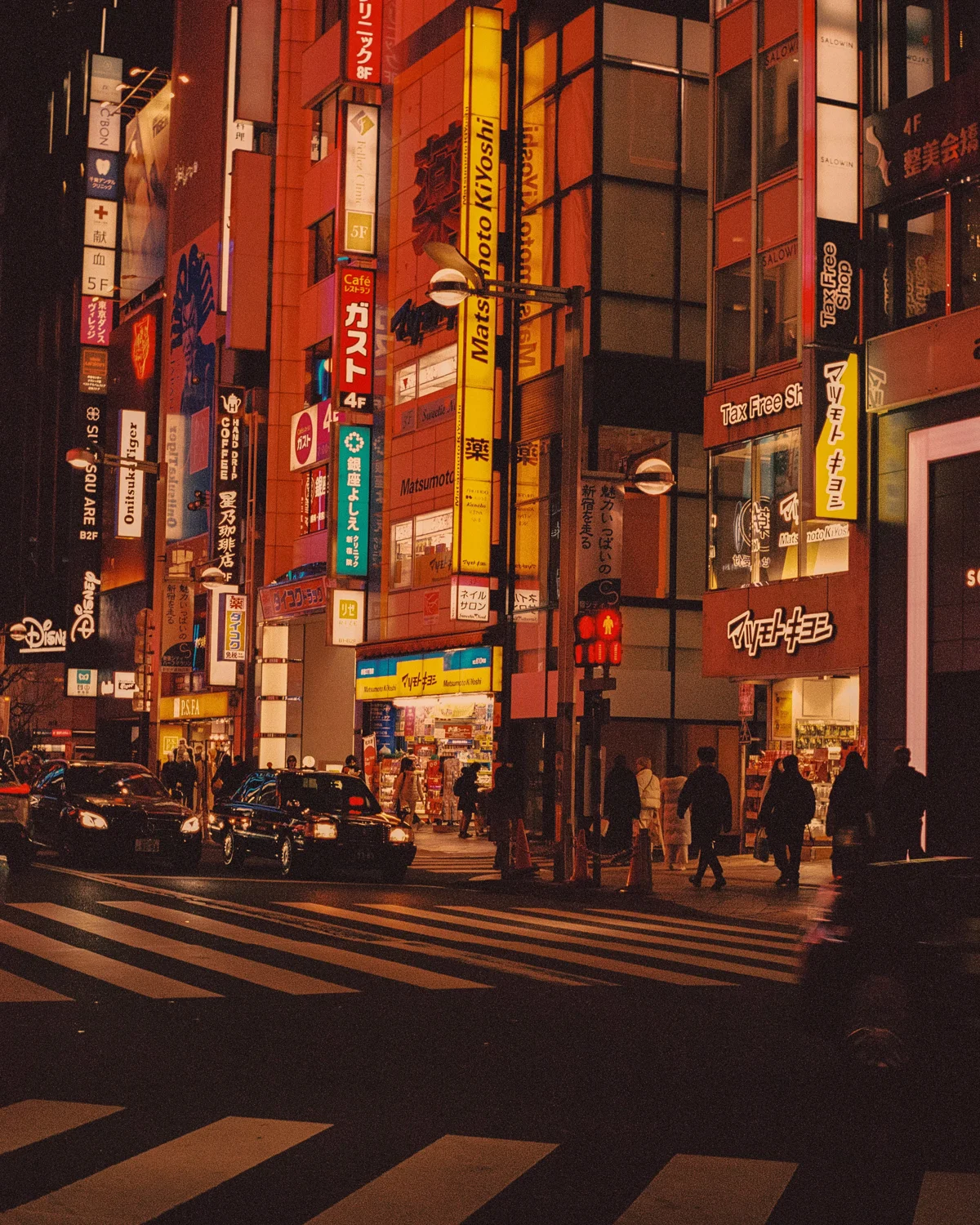
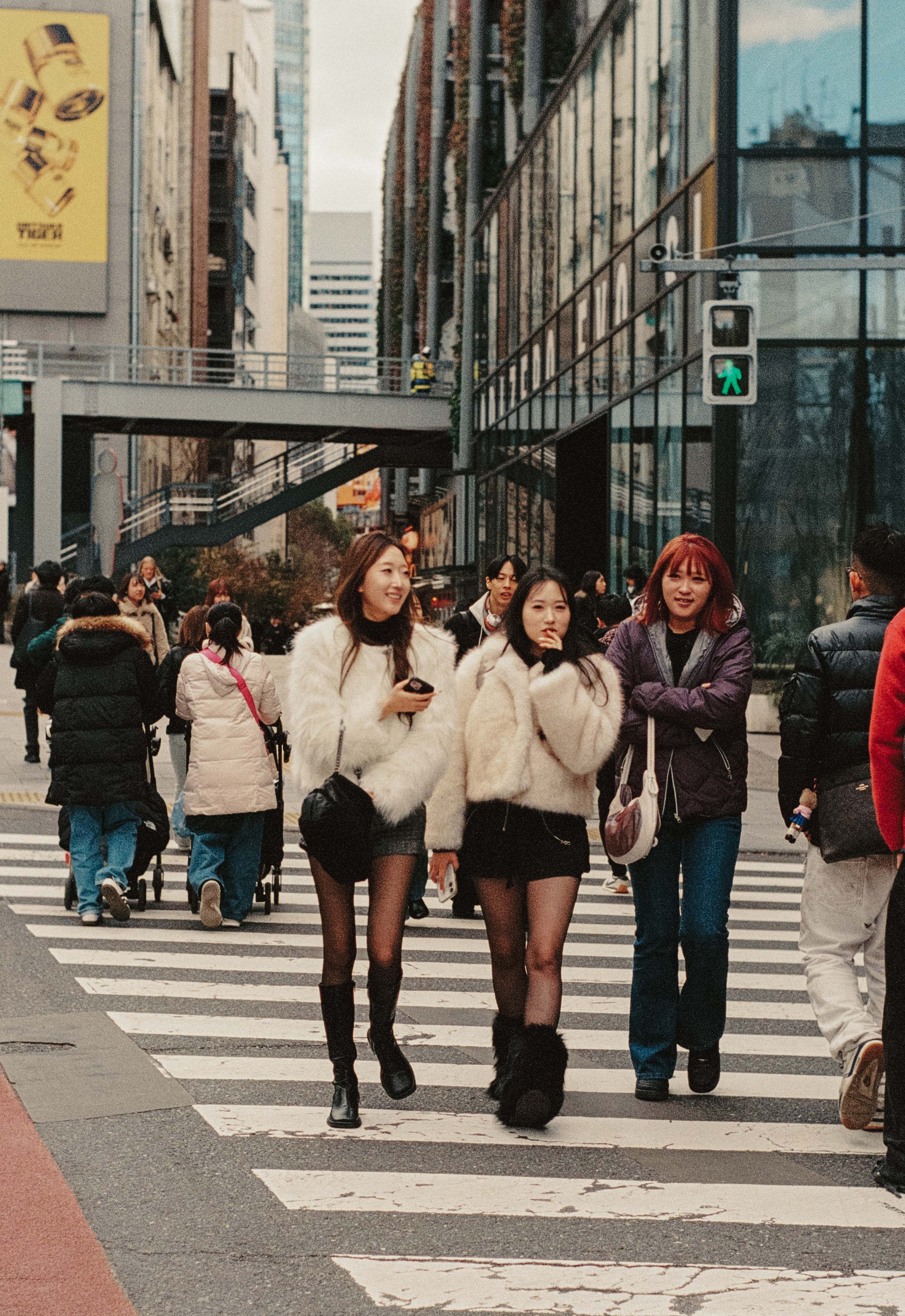
Tokyo is best approached with nowhere to be. Leave the schedule loose. Of Tokyo's many neighbourhoods, I kept coming back to two – Nakameguro for the local shops and bars along the canal, Shinjuku for the record shops and the food.
It's a city for aimless wandering. A side street might lead to a café you'll think about for months, and even the shops alone will account for more time than you planned.
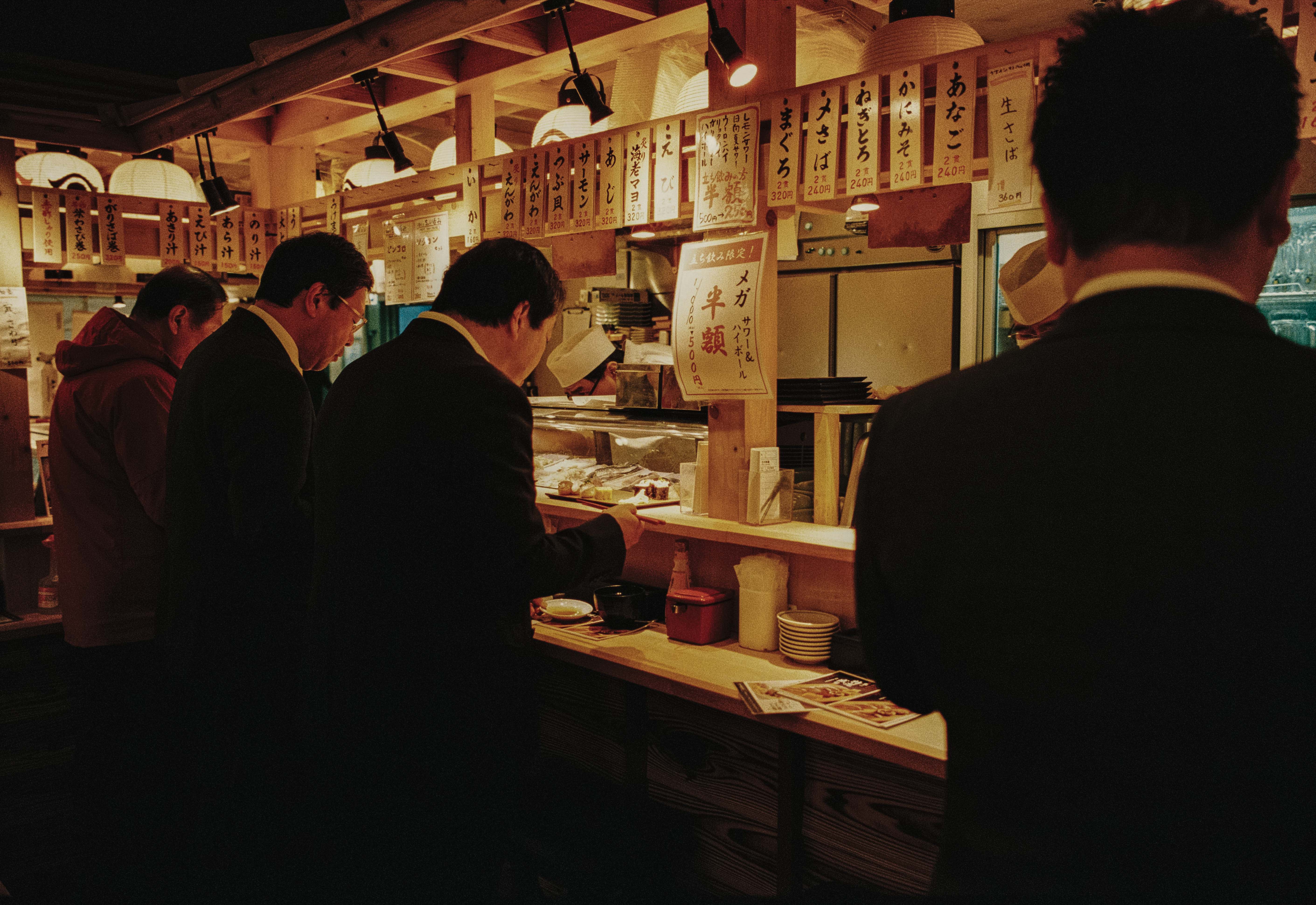
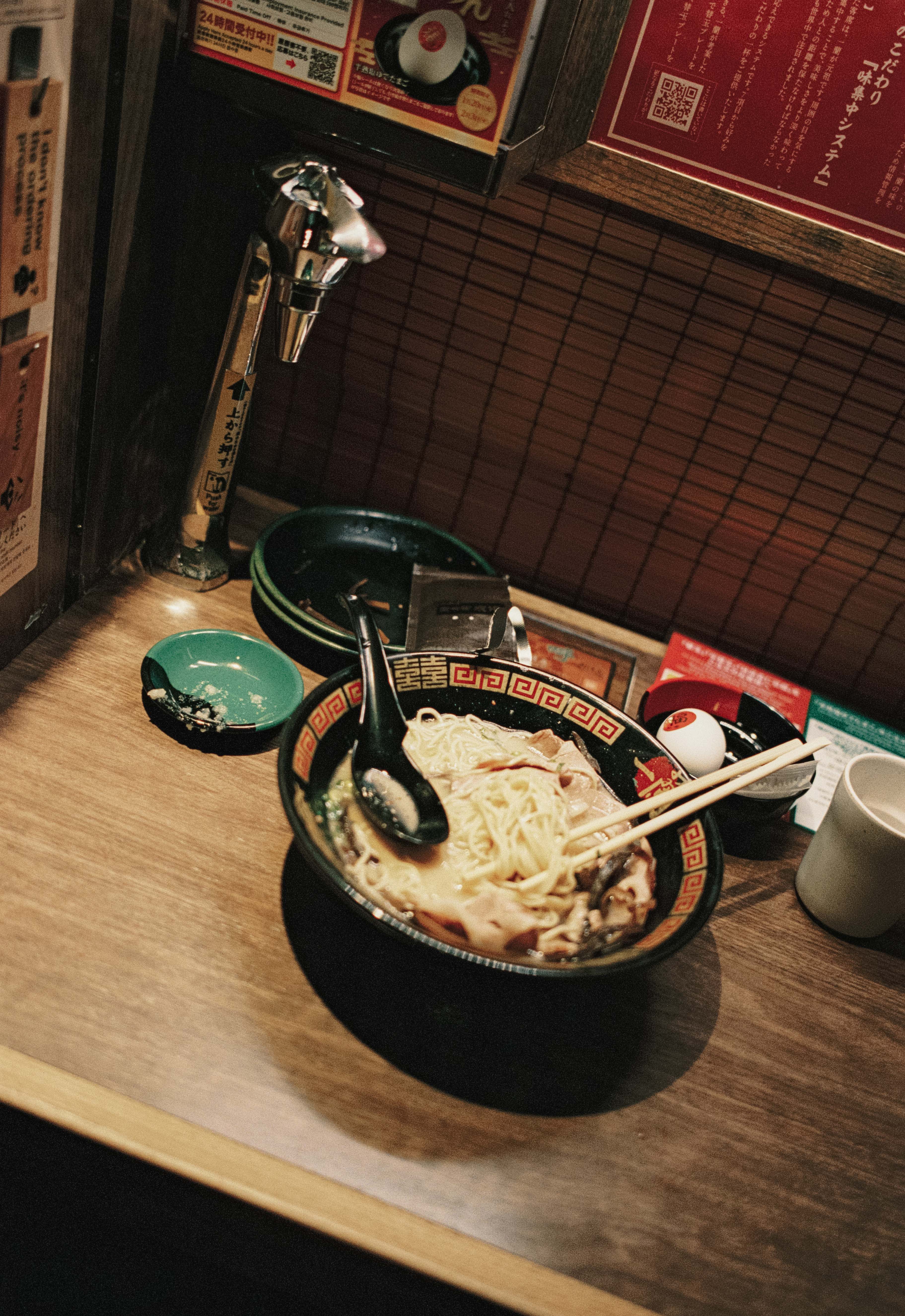
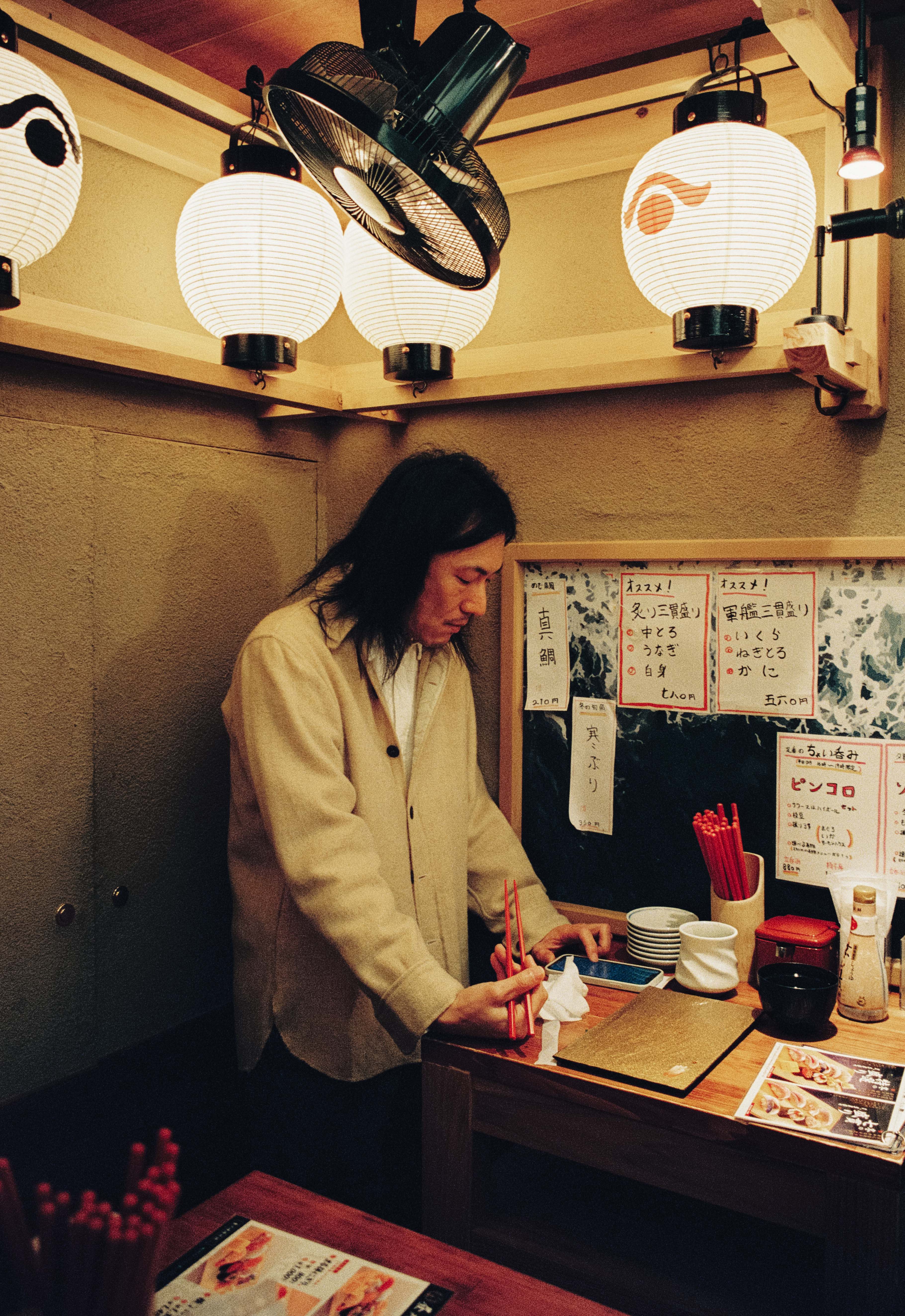
The highlight meal of the trip cost £40. A tachigui (standing) sushi bar – shoulder-to-shoulder with businessmen, fast hands, and single bites. Japan does not require you to spend big to eat brilliantly.
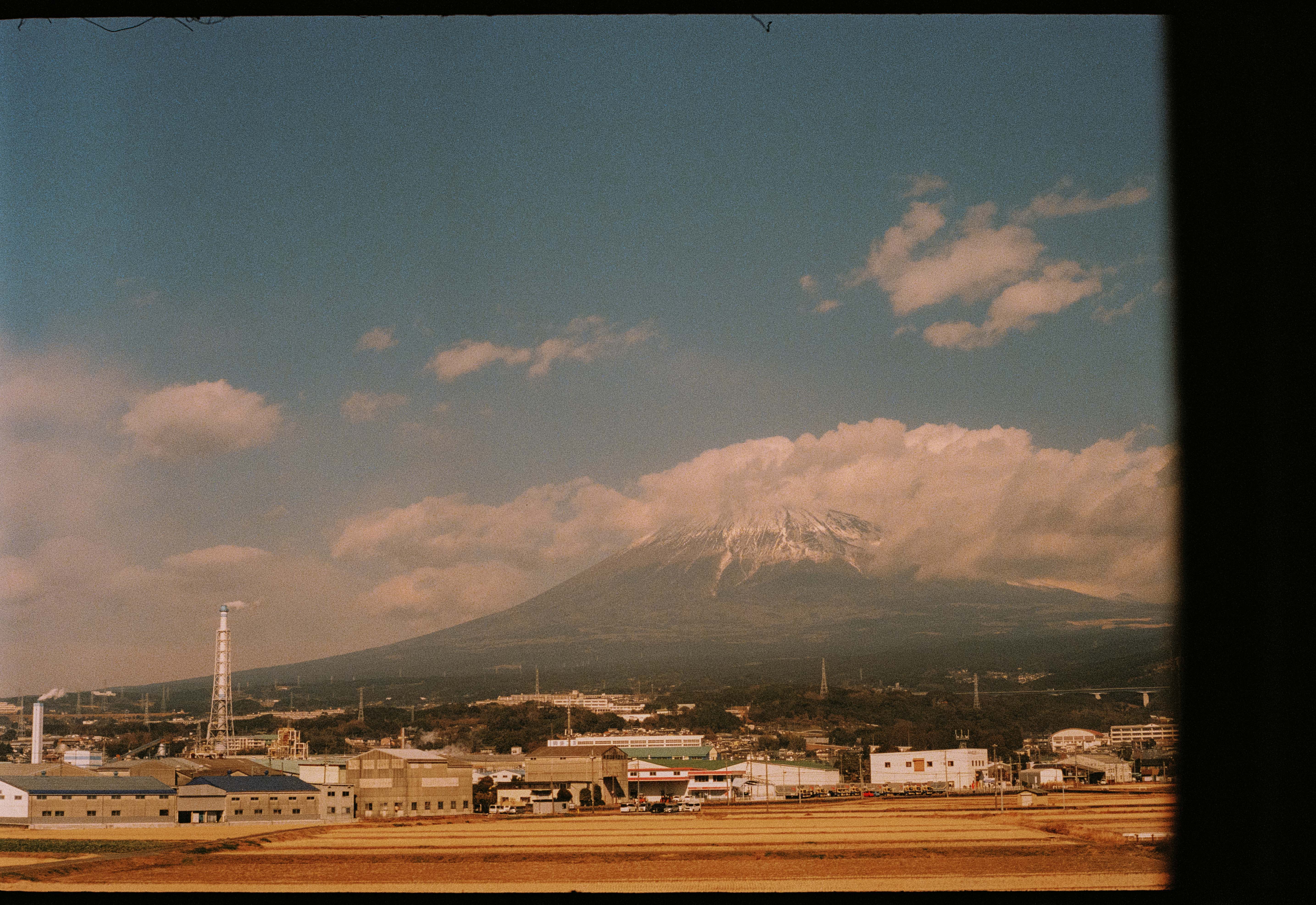
Between cities, the view from the train from Tokyo to Kyoto. Japan keeps surprising you even when you're just passing through.
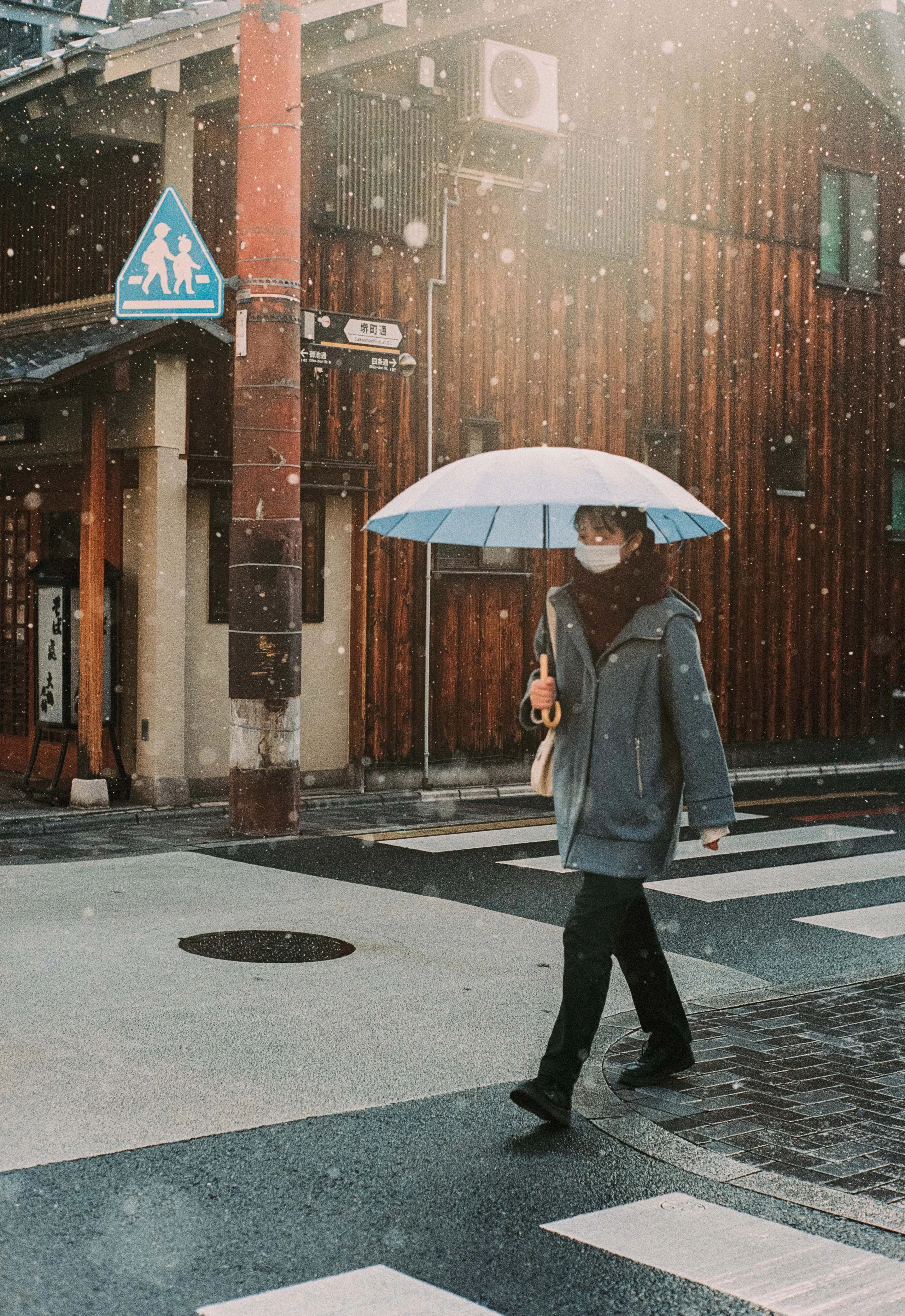
Kyoto moves to its own beat. The streets are paved with machiya wooden townhouses and cradle an absurd concentration of speciality coffee roasters, bars, and record stores.
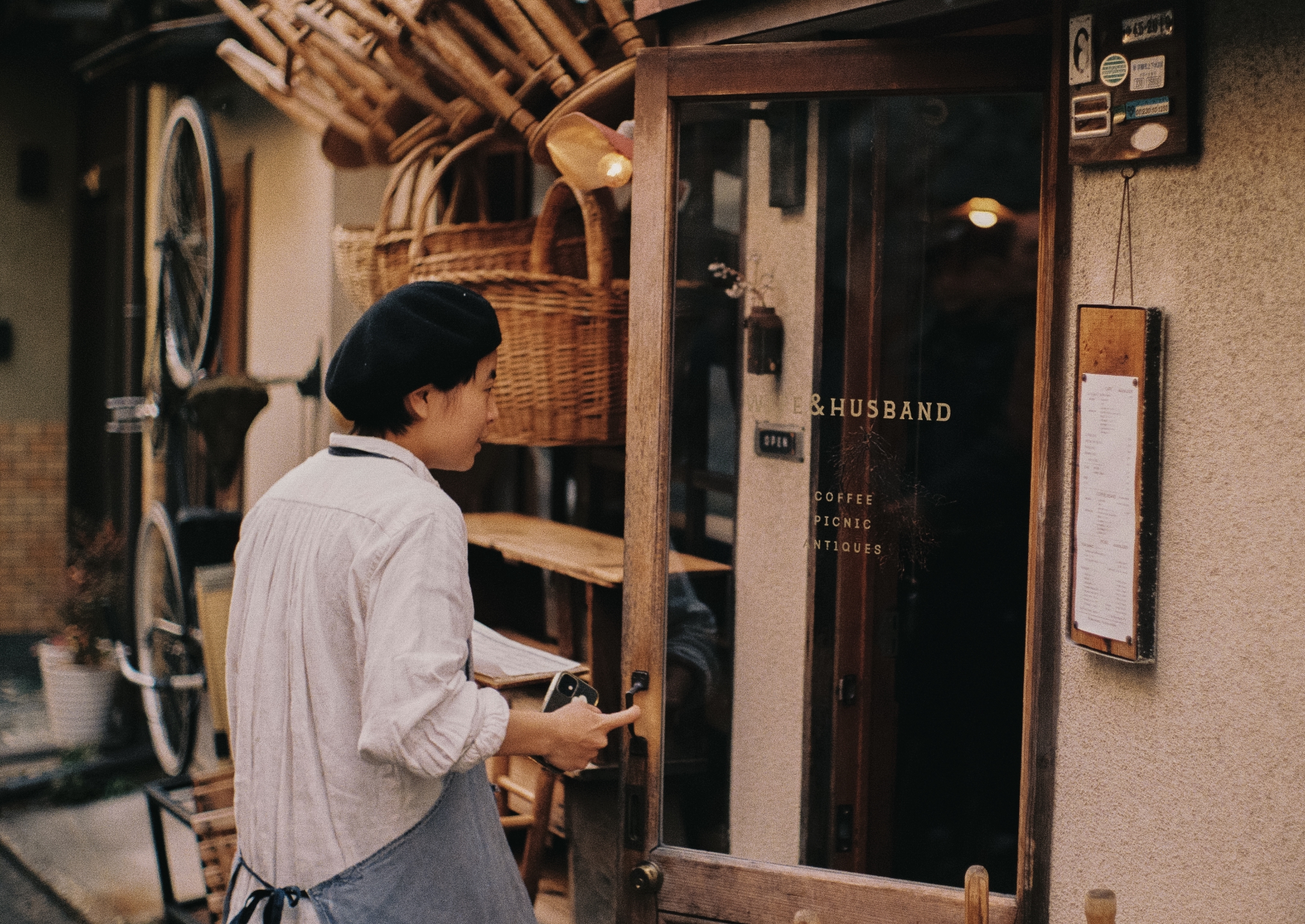
Behind a car park on Tominokoji is Weekenders Coffee, where Colombian-sourced beans are brewed for customers at the stand-up, two-seater bar. Wife & Husband (run by Kyoichi and Ikumi Yoshid) pours coffee just 100 paces from the Kamo River. Book ahead, and order the honey-and-blue-cheese toast while you're at it.
In a city drawn to dark-roasted and bitter beans, SÖT Coffee Roaster creates lighter caffeine kicks to pair with a slice of matcha Basque cheesecake. Or, head to Kenji Nakano’s speciality tea store, 7T+, where 80 or so varieties of leaves, both fermented or sweetened, are used in different brews.
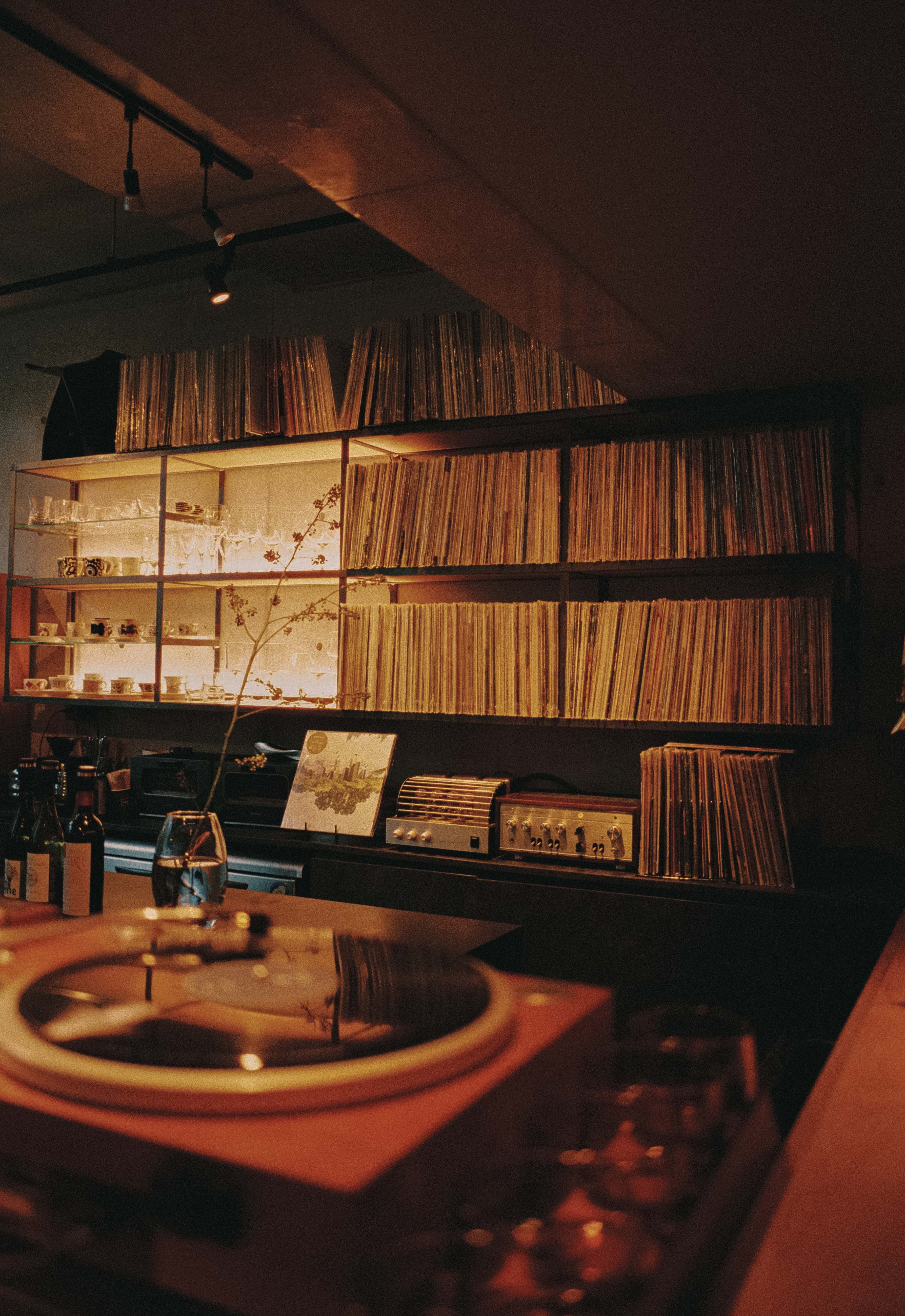
At their peak, 150,000 kissaten boomed across Japan. Now, fewer than half remain. The former vegetable kiosk, now jazz cocktail bar, Chez Quasimodo, remains a firm favourite. Over two decades years later, and there is still no menu. Kissa hopping takes me to Kissa Bar Tan; the same small room, different records, and an entirely alternative atmosphere. A note: photography isn't often permitted inside kissa bars. The spaces are small, and many don't allow it. Tune into the location instead.
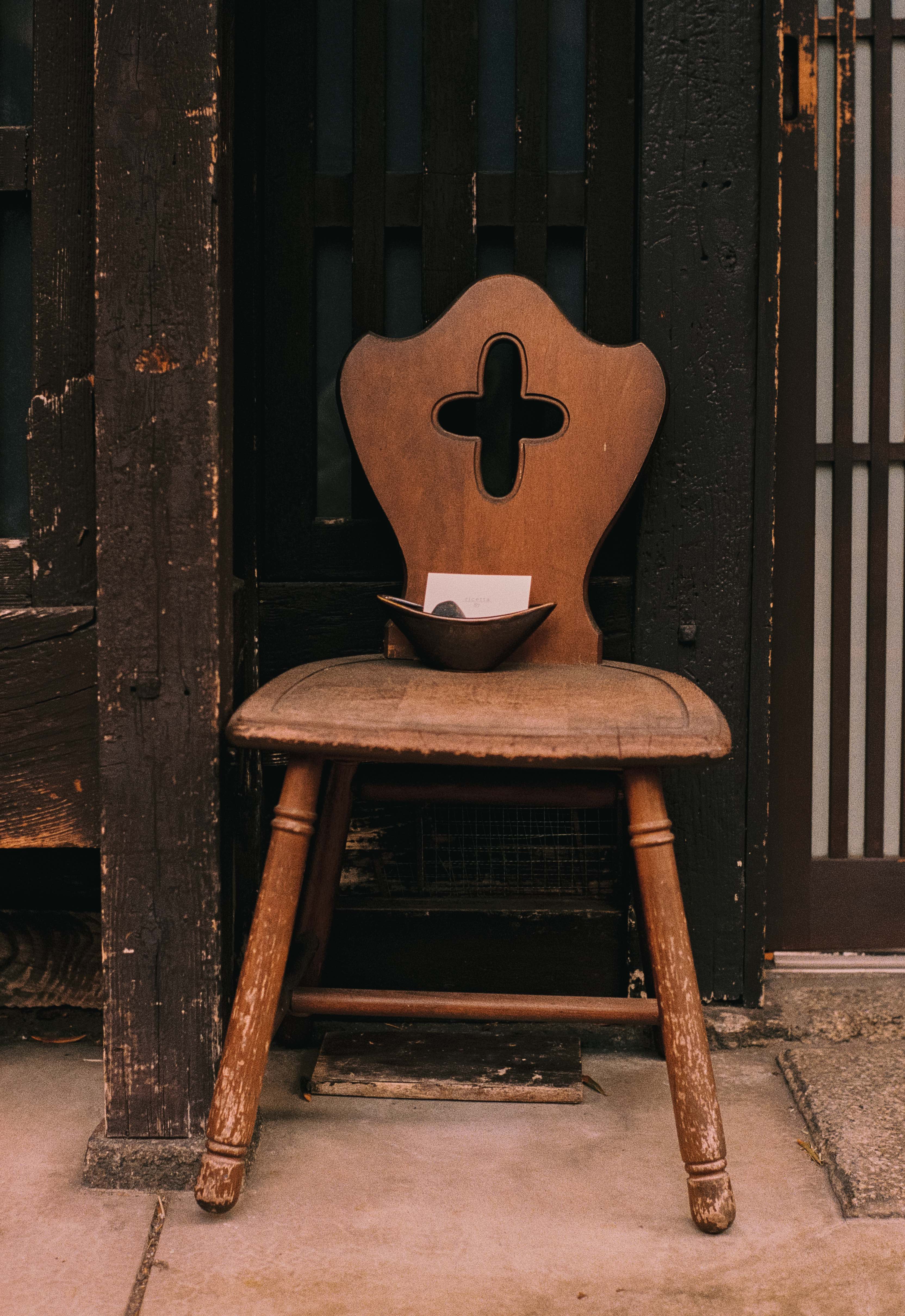
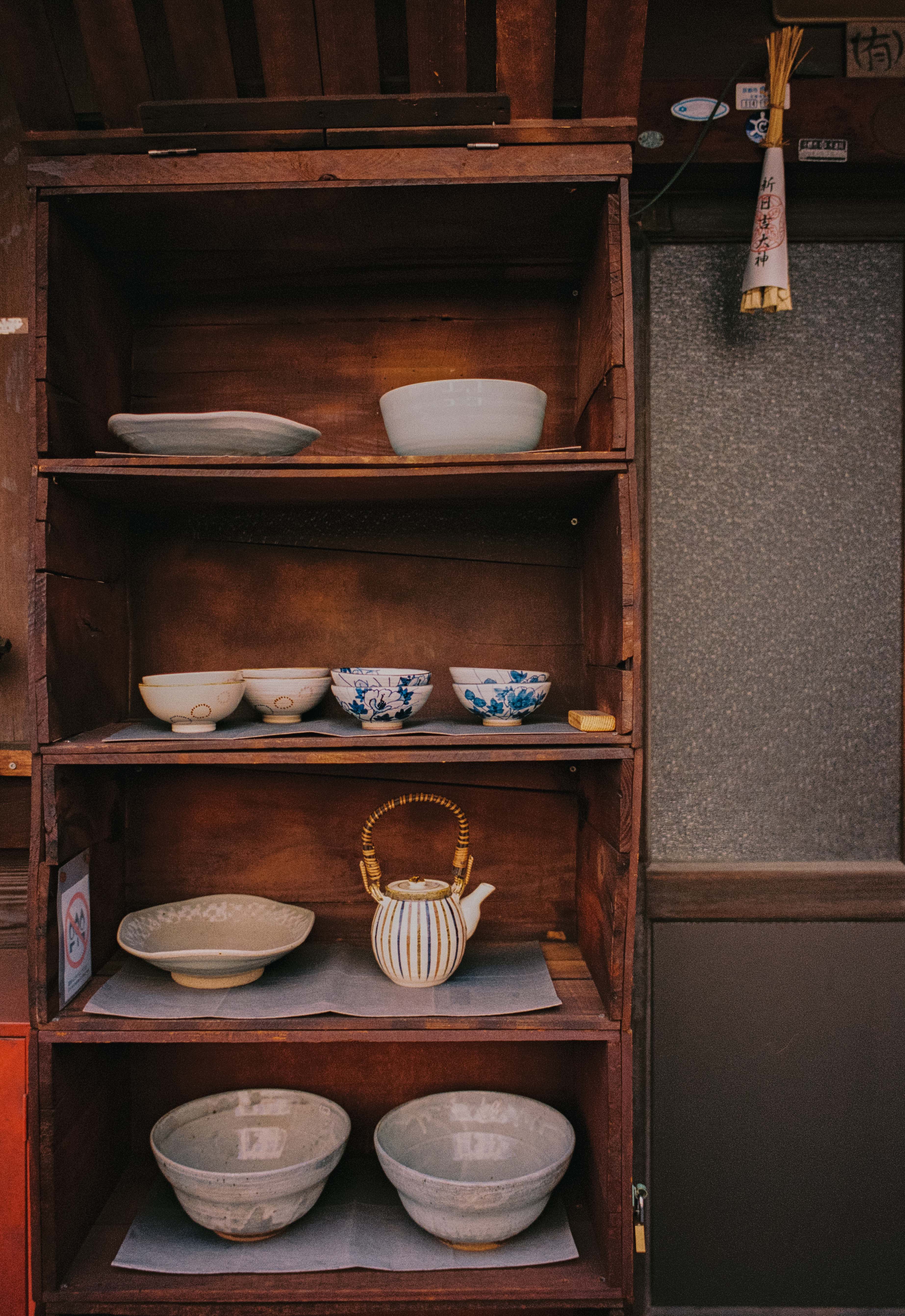
Found while wandering – the ceramics stand. Where pottery is sold via a hole-in-the-wall paying slot and bags, tape, bubble wrap left out for a do-it-yourself transaction.
The creativity continues with a visit to Montique, a heavily curated French-Japanese brocante selling silver serving platters, trinkets, and bamboo baskets.
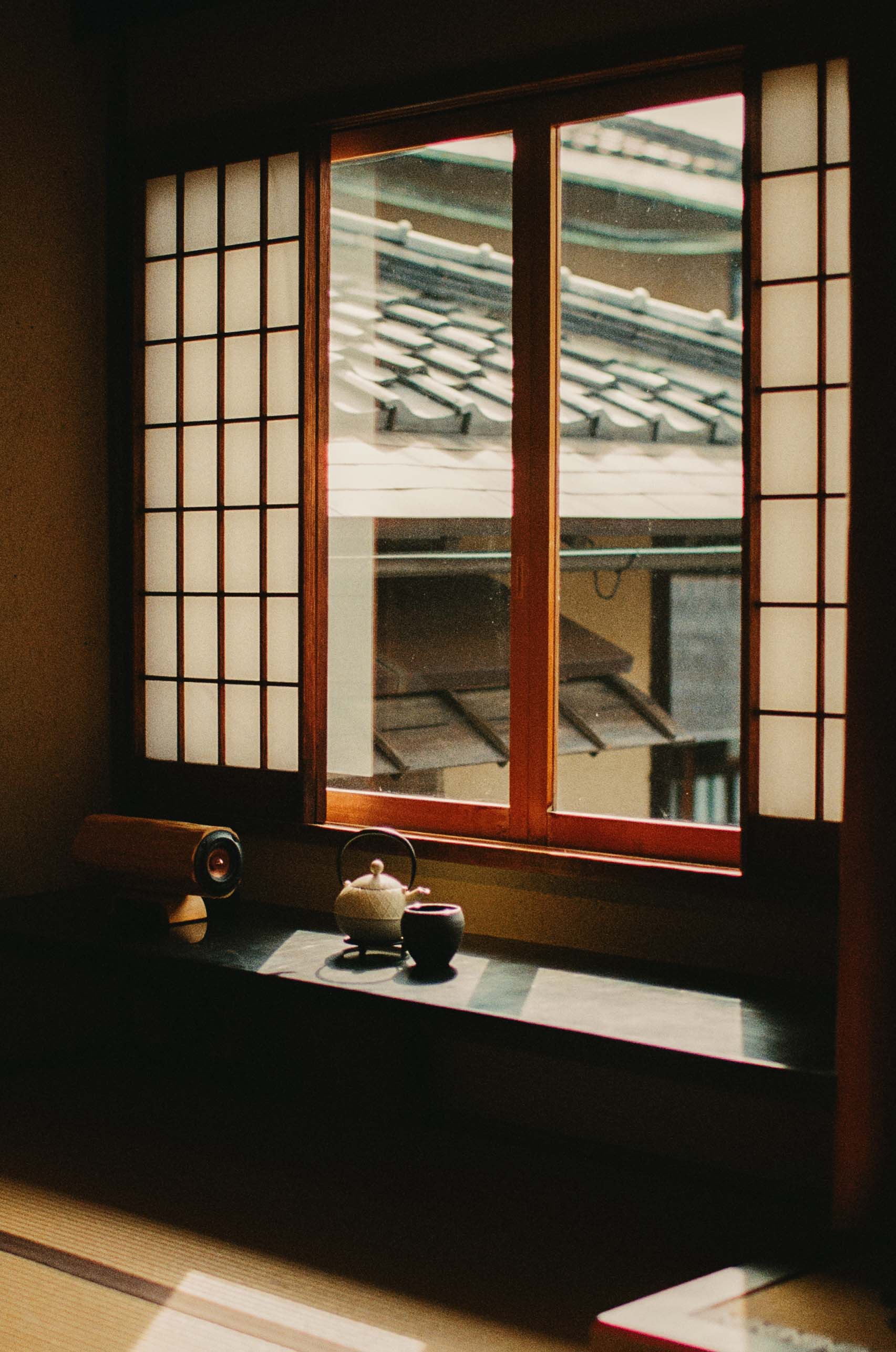
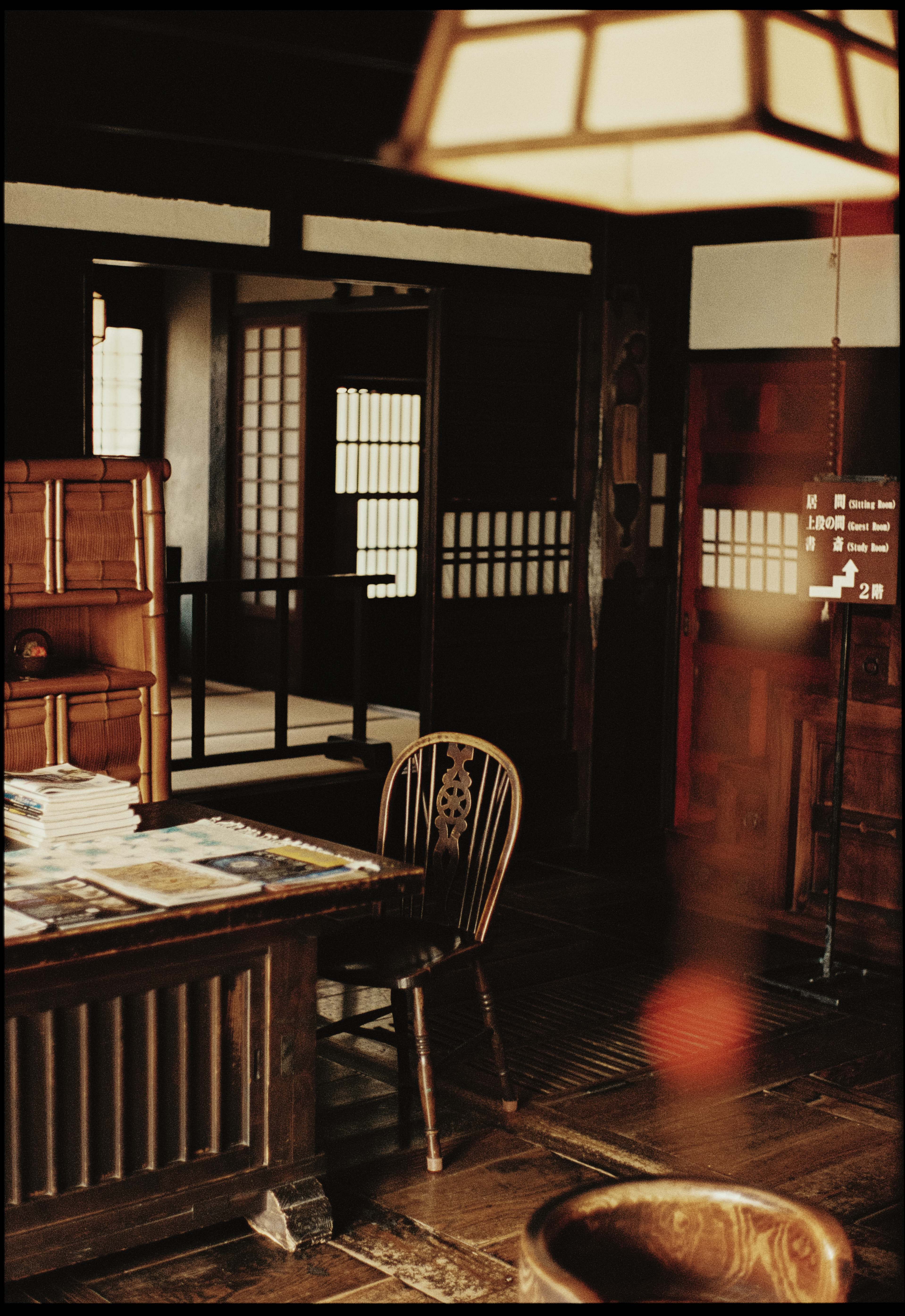
The former home and studio of ceramicist Kawai Kanjiro, one of Japan's most significant craft artists, is now a museum in Higashiyama. The kiln is still in the garden. For anyone with an interest in Japanese craft – or just beautiful spaces to photograph – it is not to be missed.
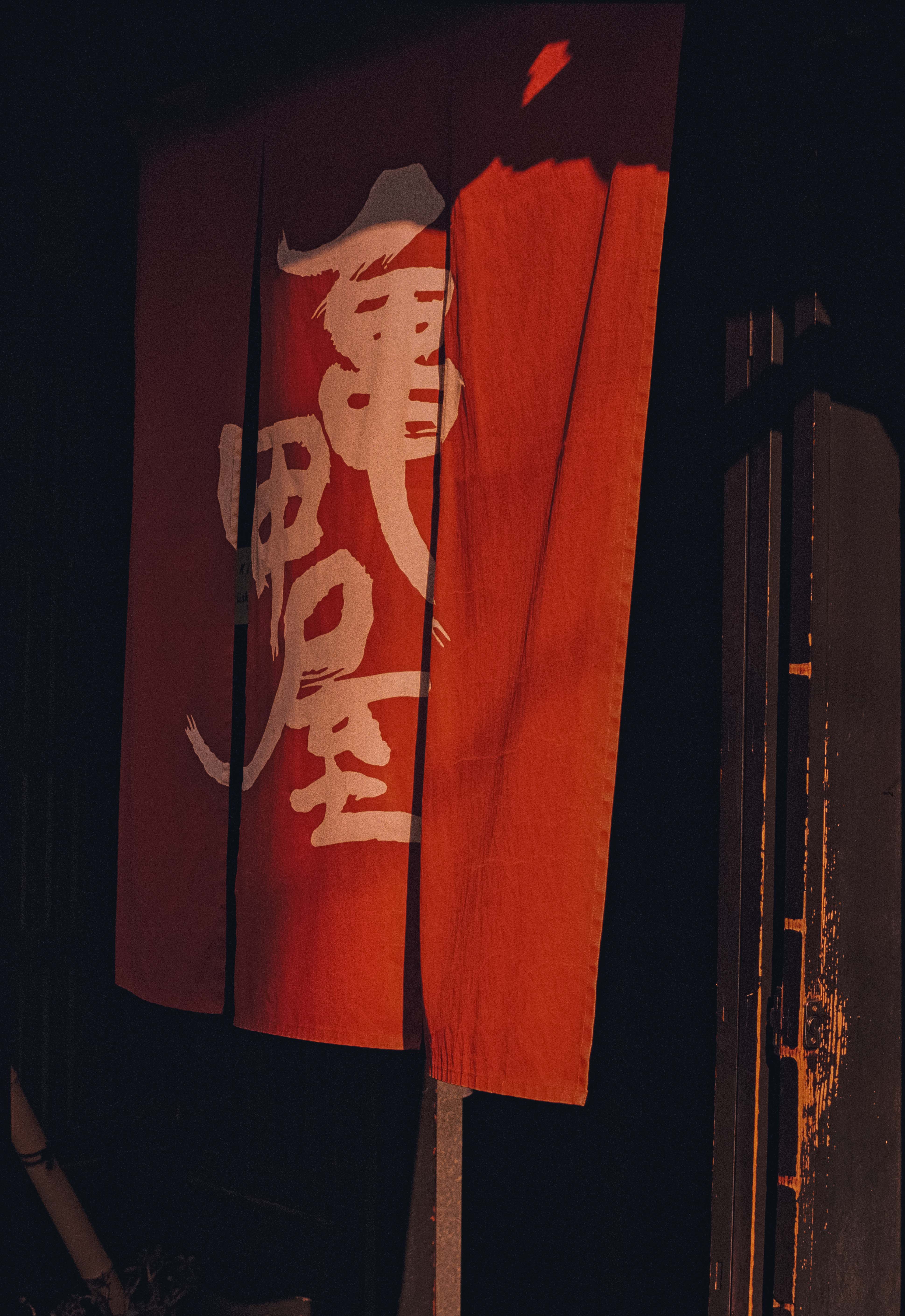
Amanda Tromp
Amanda Tromp is an American photographer based between London and Denver. With a background in lifestyle and fashion, Amanda brings a beautiful editorial perspective to her work, blending digital and analogue techniques for a transporting feel.