This is not just a station, but a national landmark that is representative of Japan. It is the start and end point of most of the Shinkansen trains, and is an iconic architectural highlight by Tatsuno Kingo.
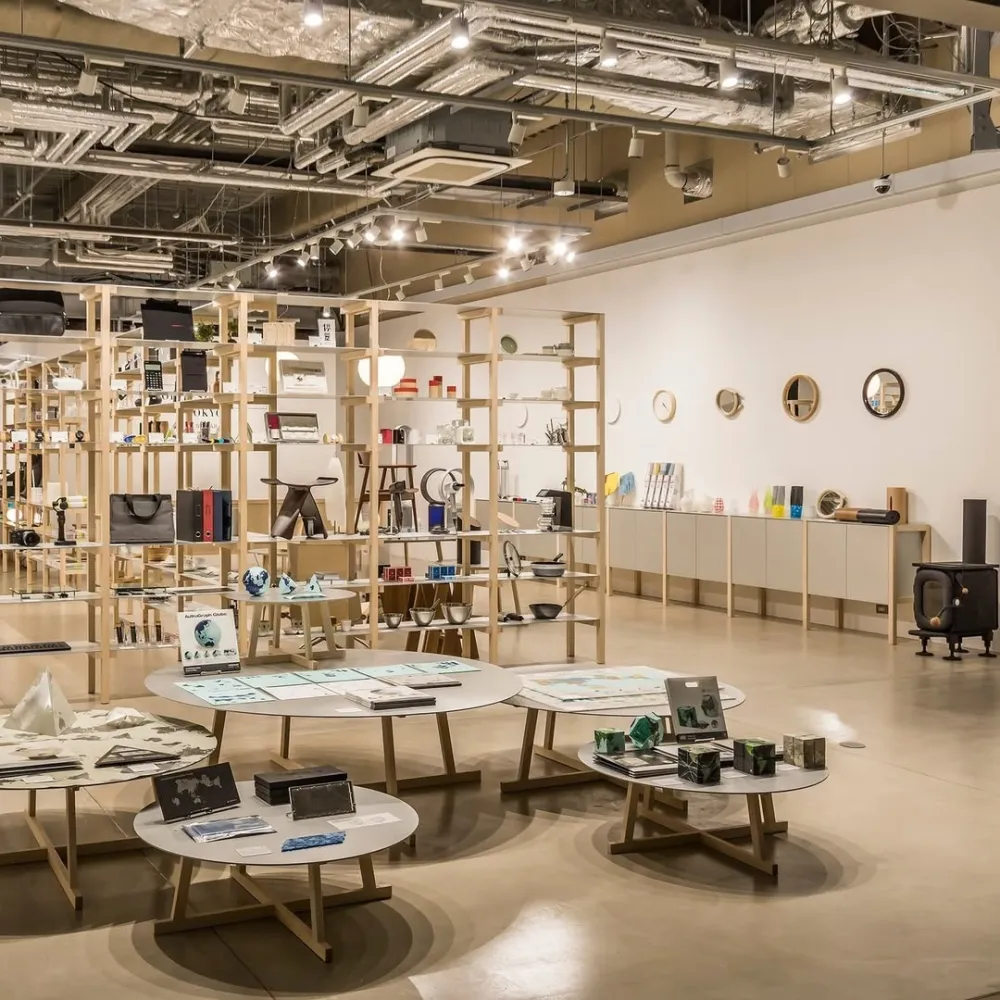
Good Design Store Tokyo is exactly as advertised: good, contemporary Japanese design, from stationery to homeware. Many items have received Japan’s Good Design Award, with a focus on function and objects you’d find in a Japanese household. Look for compact, packable pieces: kitchen tools like cutlery, small measuring jugs or tongs, as well as socks or small objects that make ideal souvenirs. Stock rotates often, so if something catches your eye, it’s worth buying in case it sells out. Tax-free shopping is available over ¥5,000 so make sure you have your passport handy.
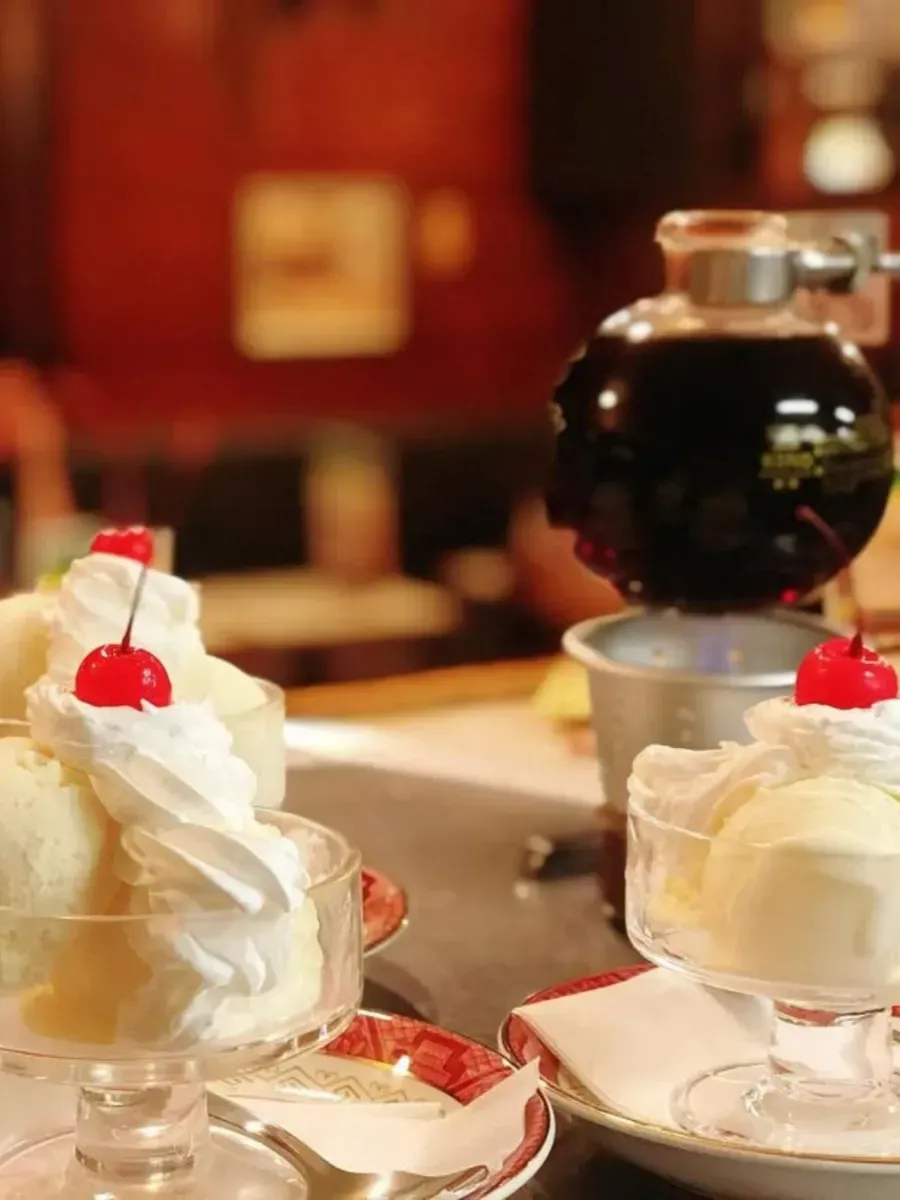
Aroma Coffee Yaesu is a classic kissaten: unpretentious, efficient and reliable. Expect black coffee, served with a tiny jug of creamer with simple ‘morning sets’, including thick-cut shokupan toast (slightly sweeter and softer than Western breads) and a boiled egg. It’s the most straight-forward option, served from 7am until midday and costing around ¥1,000. You’ll likely be surrounded by local salarymen starting their day or pairs of women coming in for a coffee and chat.
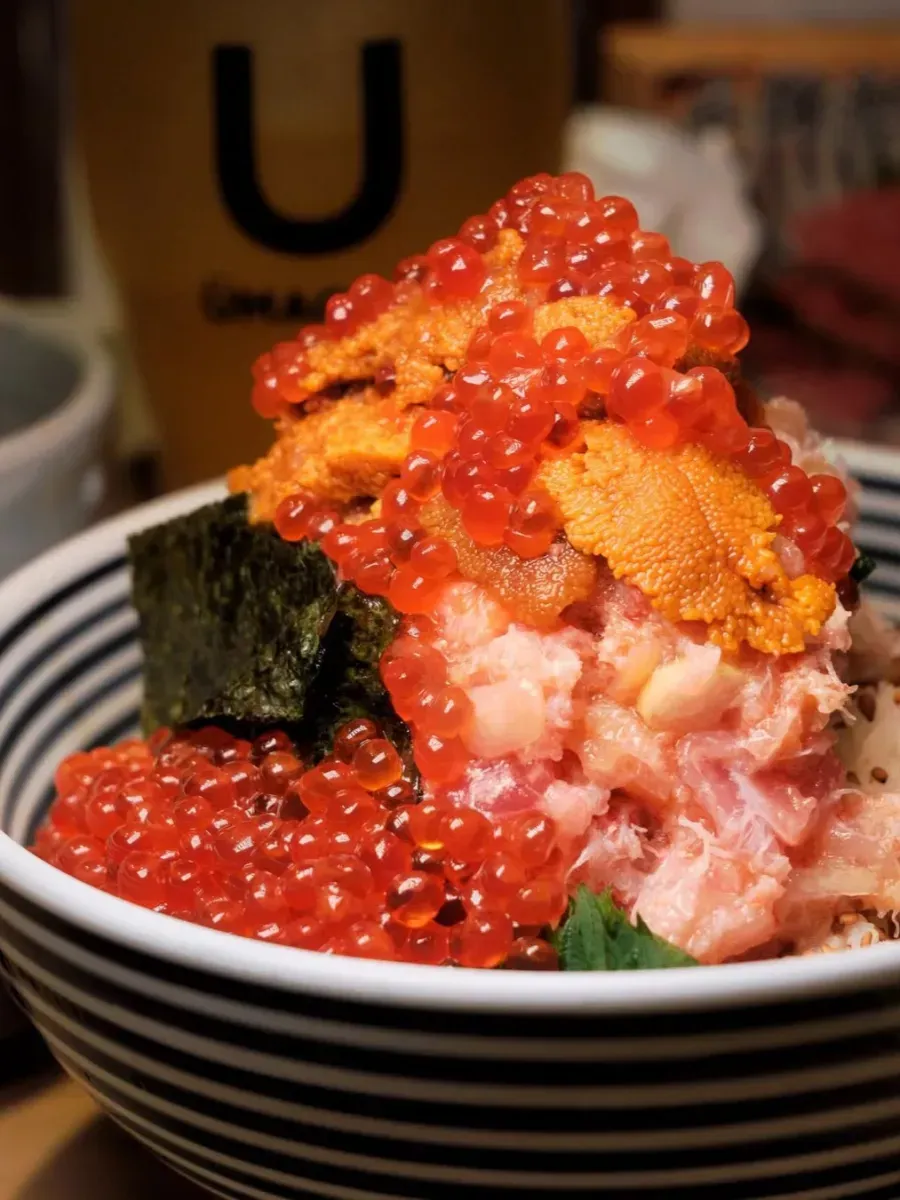
Nihonbashi Kaisen Donburi Tsujihan is known for its signature kaisendon, layering finely chopped sashimi, marinated fish and ikura (salmon roe) over rice. The result is rich but balanced, with plenty of texture in each bite. Follow the house method: eat most of the bowl as served, then finish the remaining rice and fish with broth for a lighter, comforting end. Expect a queue at any time of day as it’s consistently in demand, but the line moves quickly.
While it may be located in an inconspicuous and unassuming location, Fukamachi is deservedly referred to one of Tokyo's finest examples of a tempura temple.