we'd rather go to Margate
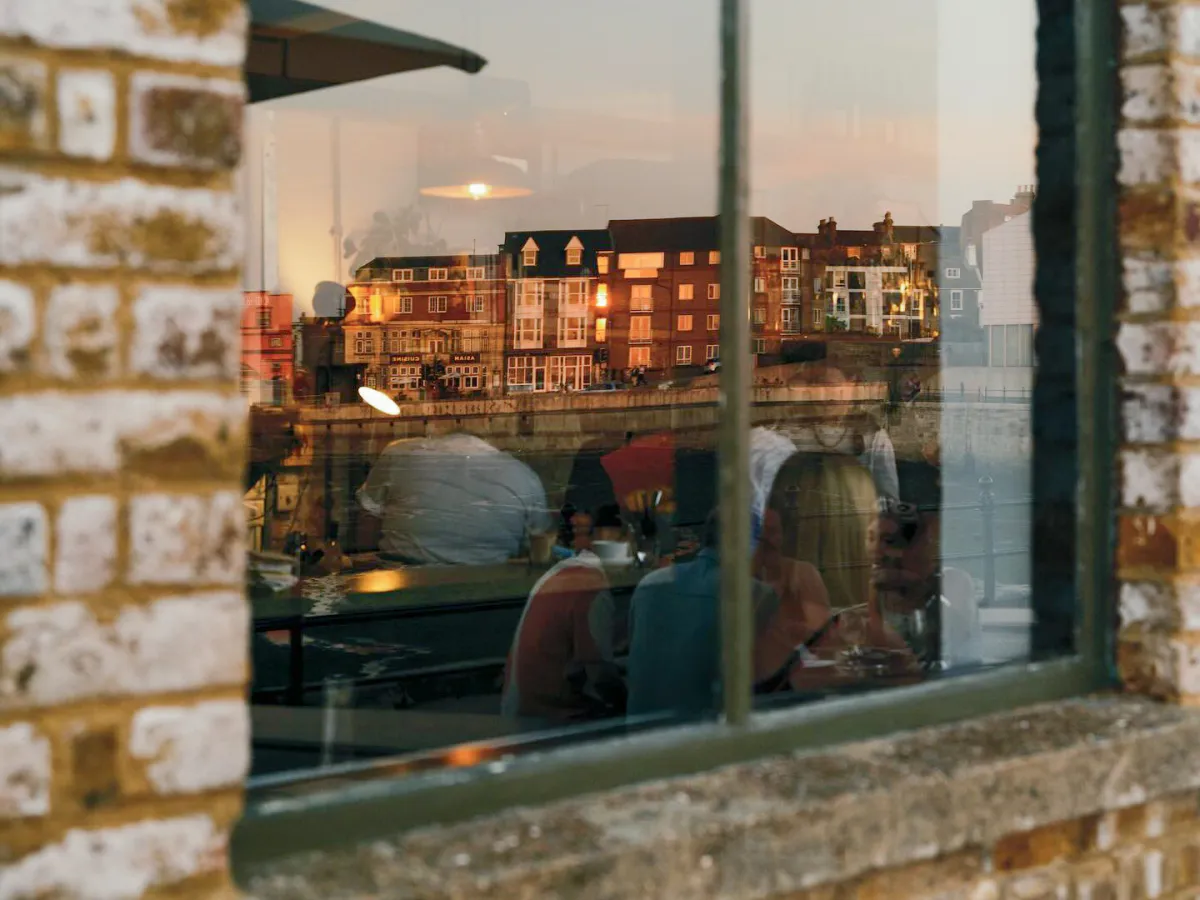
To get a vibe check of the new Margate – beyond the Shoreditch-on-Sea cliches – an hour in the Sea Scrub Sauna on the Main Sands is a suitably mindful place to start, interspersed with frigid dips in the knee-high waters of the old boating pool.
A couple of times, we’ve bumped into sauna regular Nick Cullinan, the director of the British Museum, who spends most weekends at his flat in Arlington House, the 18-storey Brutalist apartment block that peers divisively over the Dreamland amusement park, the seafront and those sunsets immortalised by Turner.
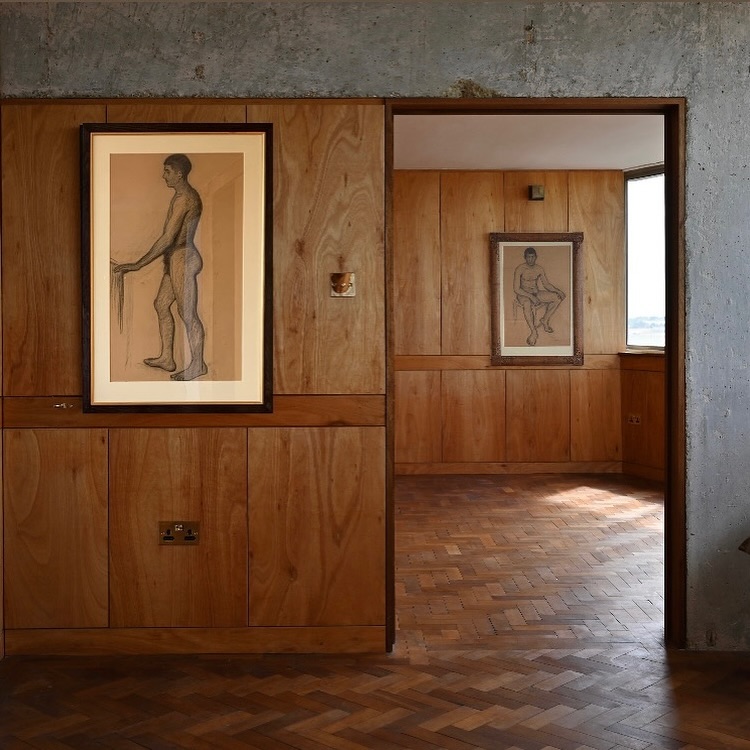
Arlington House used to be a symbol of decline and decay, but Cullinan’s flat with his partner Mattias Vendelmans – with its mirrored panels and nods to Corbusier – recently made the cover of World Of Interiors, to the astonishment of many locals. Alongside his pal Tracey Emin, he was instrumental in blocking plans to replace the building’s original mid century window designs with crude contemporary plastic.
Cullinan is part of the new grown-up Margate, which has been evolving into a serious art destination since the Turner Contemporary opened in 2011. These days, it’s not entirely uncommon to spot art podcast pals Robert Diament and Russell Tovey having a giggle at the George and Heart pub or sharing tapas at the mid-century-leaning Fort Road Hotel, one of the new generation of stylish boutique hotels in a town that used to rely on Airbnbs for smarter visitors.
So much, of course, leads back to Tracey Emin, who is more influential than ever as a heart-on-sleeve champion of her hometown (and creator of scrum-like charity raffles). After residency programmes at her TKE Studios, in a converted bath house, her students are launching fast-track global careers: the likes of Laura Foote, whose dreamily cinematic pastelscapes recently took over the Carl Freedman Gallery, or Vanessa Raw, whose Edenic images of female sexuality were recently shown at Miami’s Rubell Museum. Emin’s next trick will be to renovate the old bathing pavilion at Westbrook, the beach west of the Main Sands, with mooted plans for a cafe, studio space and a community spa for bathers.
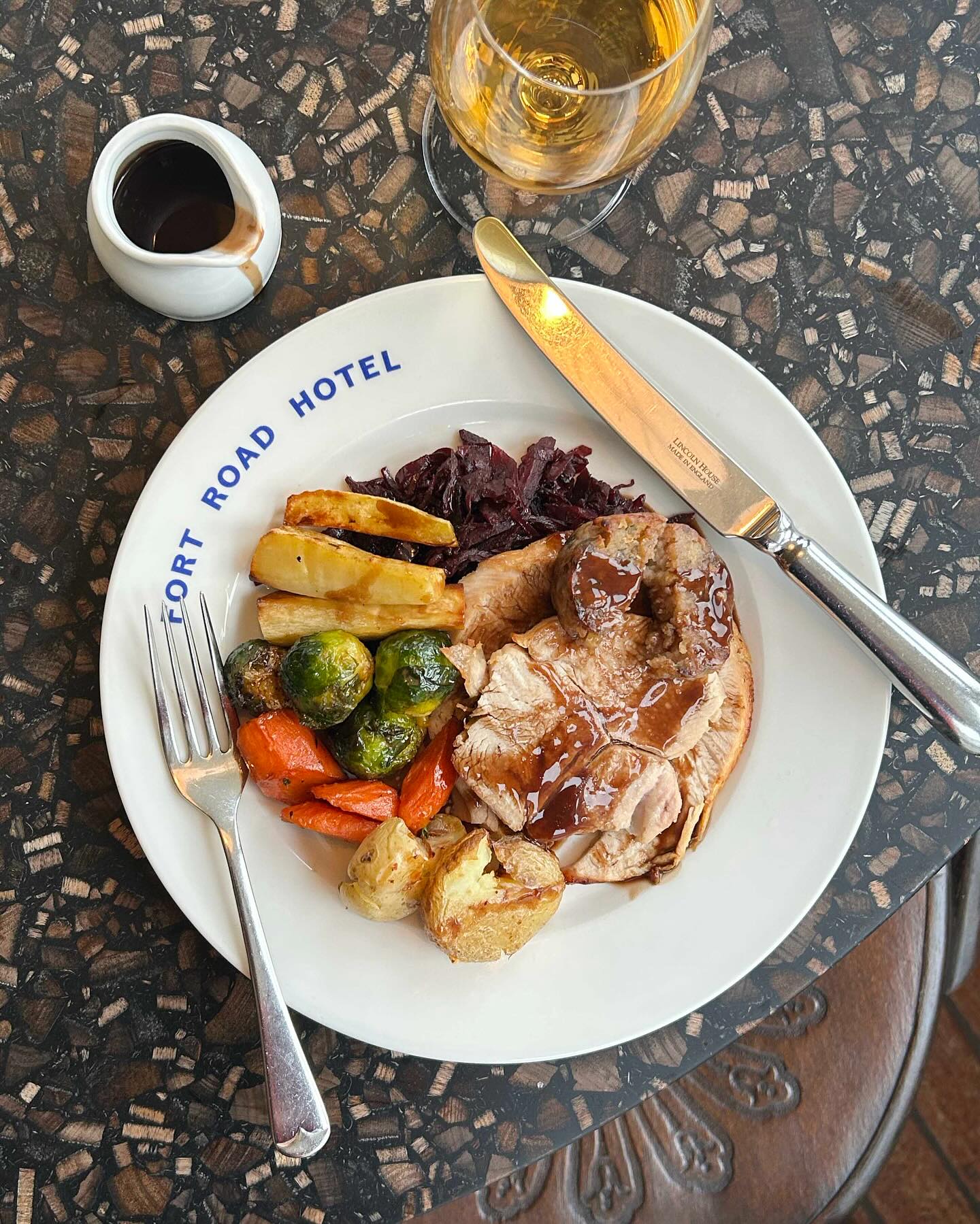
As with the art, the food scene punches way above its weight – so much so that a food editor friend who lives in Brighton recently admitted to me he’d far rather eat in Margate.
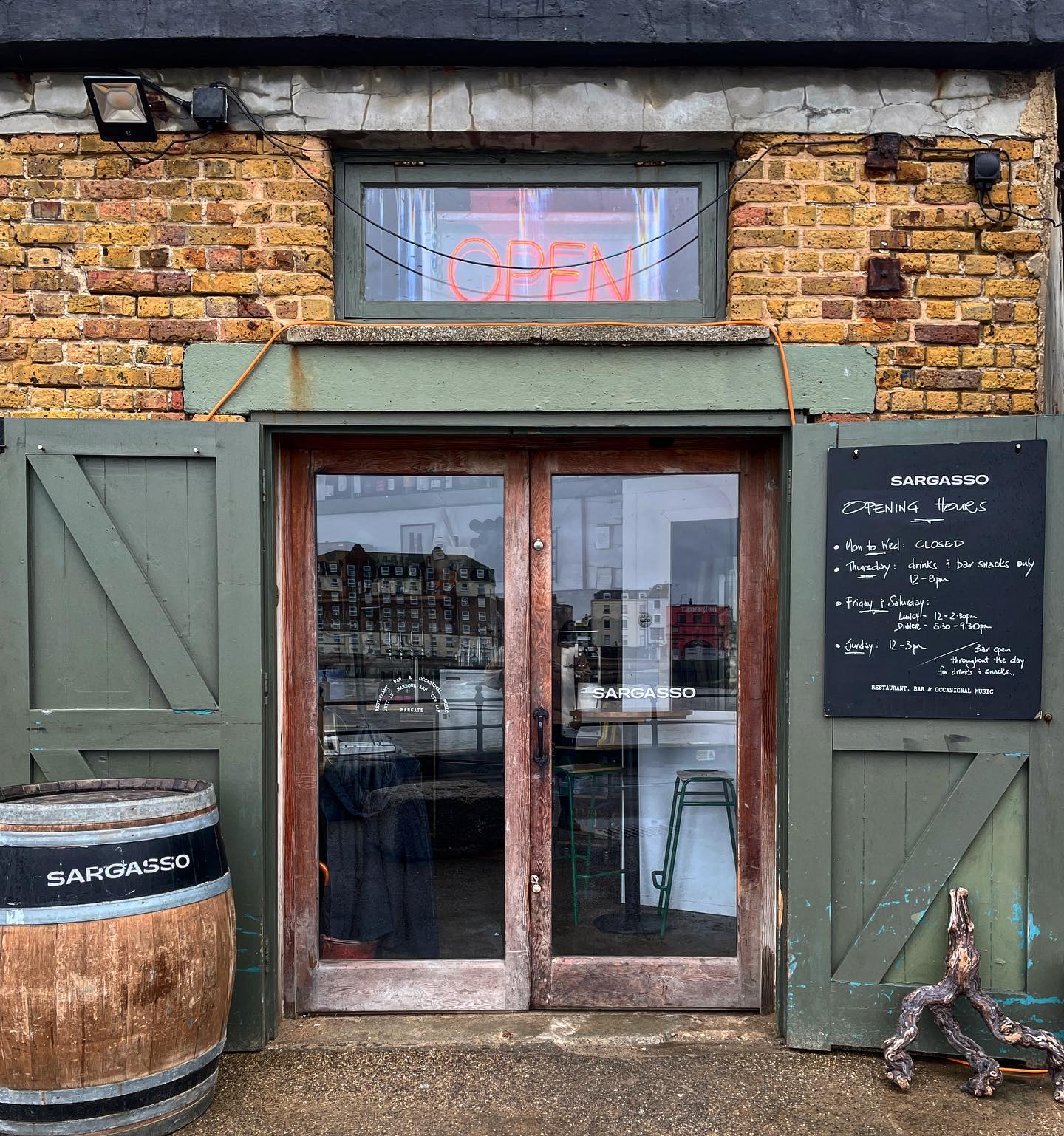
Firm favourites are still going strong: the likes of Sargasso, a quasi-industrial small plates spot on the Harbour Arm, from the team behind Columbia Road’s Brawn; the cult Campanian kitchen Bottega Caruso, famed for its nonna-approved verdura e fagioli greens and beans; and the twin seafood threats of Angela’s and its seafront small-plates sibling Dory’s. As per the London neo-bistro trend, more recent arrivals have tended towards intimacy and quality rather than hipster-gimmick – including Sète, the Cliftonville wine bar and restaurant opened by local restaurateur Natalia Ribbe, and Pomus, a bistro in a once-neglected shopping arcade that’s now home to the likes of the Where Else? indie gig and comedy venue, Curve coffee shop and New York-style Palms Pizzeria.
Make no mistake, though, Margate hasn’t suddenly gone bougie. No quantity of third-wave oat cortados, edgy art prints and vintage cardigans can quite gloss over the town’s frayed edges and deep-seated social issues. Nor is its increasing sophistication lobotomising a prevailing spirit of oddball whimsy – which dates back to the town’s hedonistic Victorian heyday, and lives on in spots like the mysterious Shell Grotto, the tiny Tom Thumb Theatre, the doily-festooned Walpole Bay Hotel or the Crab Museum, essentially a postmodern (and genuinely laugh-out-loud) joke about climate change and late-stage capitalism, loosely built around facts about “cool as heck” crabs. Much of the appeal is as it ever was: sandy beaches in all directions, best reached by bike, like the Cornwall-esque Kingsgate Bay between Margate and Broadstairs, for high-tide swims overlooked by a precipitous chalk stack.
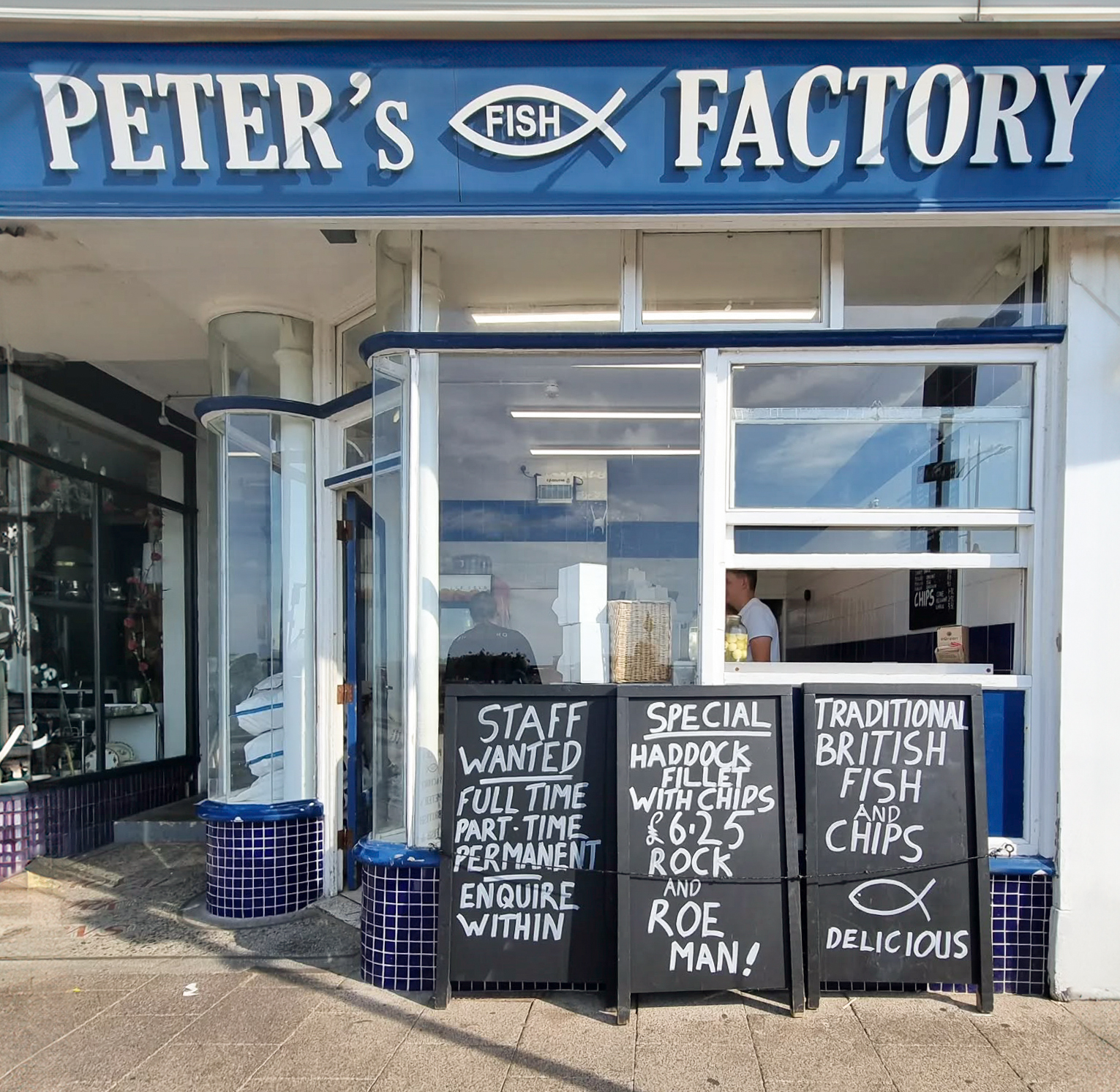
But, for me, Margate’s real character comes from its relative diversity for such a small place. It is home to a rich LGBTQIA+ scene and enough ageing indie rockers for an off-piste Band Aid moment (for Bono, read Carl Barât). If you get a fish supper from Peter’s Fish Factory and sit on the steps to watch a summer sunset, you’re likely to see unruly Medway teenagers, three-legged greyhounds, Martin Parr-ready mobility scooters and fading ravers with boomboxes colonising the Harbour Arm. There’ll likely be tiny-hatted scenesters, Dry Robe yummy mummies and paperback Camus readers with frozen margaritas from Little Swift.
The Margate cocktail may be just a little bit more refined these days, but all are welcome here. It remains – unapologetically, joyfully – a hot mess.
Toby Skinner
An acclaimed travel writer and former Condé Nast Traveller features editor, Toby Skinner has seen it all – from the finest hotels to the salty sea towns of Scotland where he grew up. He is the author of Ocean, The gloobles UK pocket guide and splits his time between the sea air of Margate (the ocean is never far from his mind), and adventures further afield. At home, you’ll find him taking a dip in the freezing ocean, biking the coast, or tucking into local favourites at Dory’s or Bar Ingo. On the road, he’s chasing that fresh, alive feeling, looking for serendipitous moments that you wouldn’t find in a cossetted five-star hotel. That means immersing himself in the peaceful löyly culture on a remote Scandinavian island, or driving through the vast national parks of the American West, Yosemite and Joshua Tree. A lover of living culture over guided tours and rigid itineraries, Toby is drawn to places with soul: Shanghai’s contrasts, Sydney’s North Curl beach, the wild edges of Iceland are just a few among many. He could, as he says, clam on and on whenever people ask. Next on his list? Japan, the Deep South, or maybe a long-overdue return to China.