the other Canaries
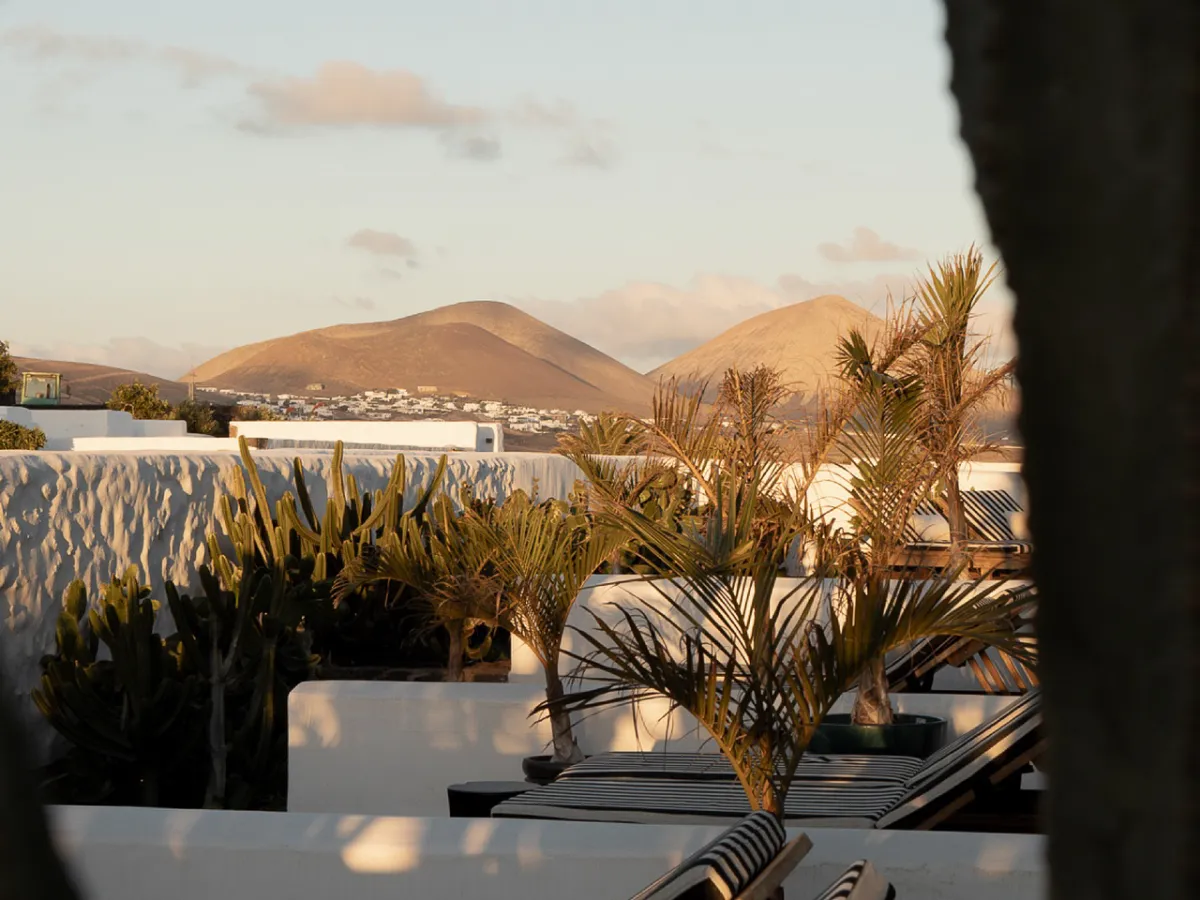
Of the seven main islands that make up the Canaries, most travellers venture only as far as Tenerife and Gran Canaria, both known for their beaches, seaside resorts and bustling cruise ports. But this volcanic chain offers much more than sun and sand. A wave of new activity is drawing travellers to the lesser-known isles like La Gomera and La Palma, where dramatic landscapes, rich traditions and a slower, more sustainable pace reveal a different side of the archipelago.
Take El Hierro, the southernmost and westernmost of the islands. For centuries leading up to the Age of Exploration, it was considered the edge of the known world, its brooding basalt cliffs, deep ravines fragrant with wild juniper and steep underwater drop-offs lending it an end-of-the-world beauty.
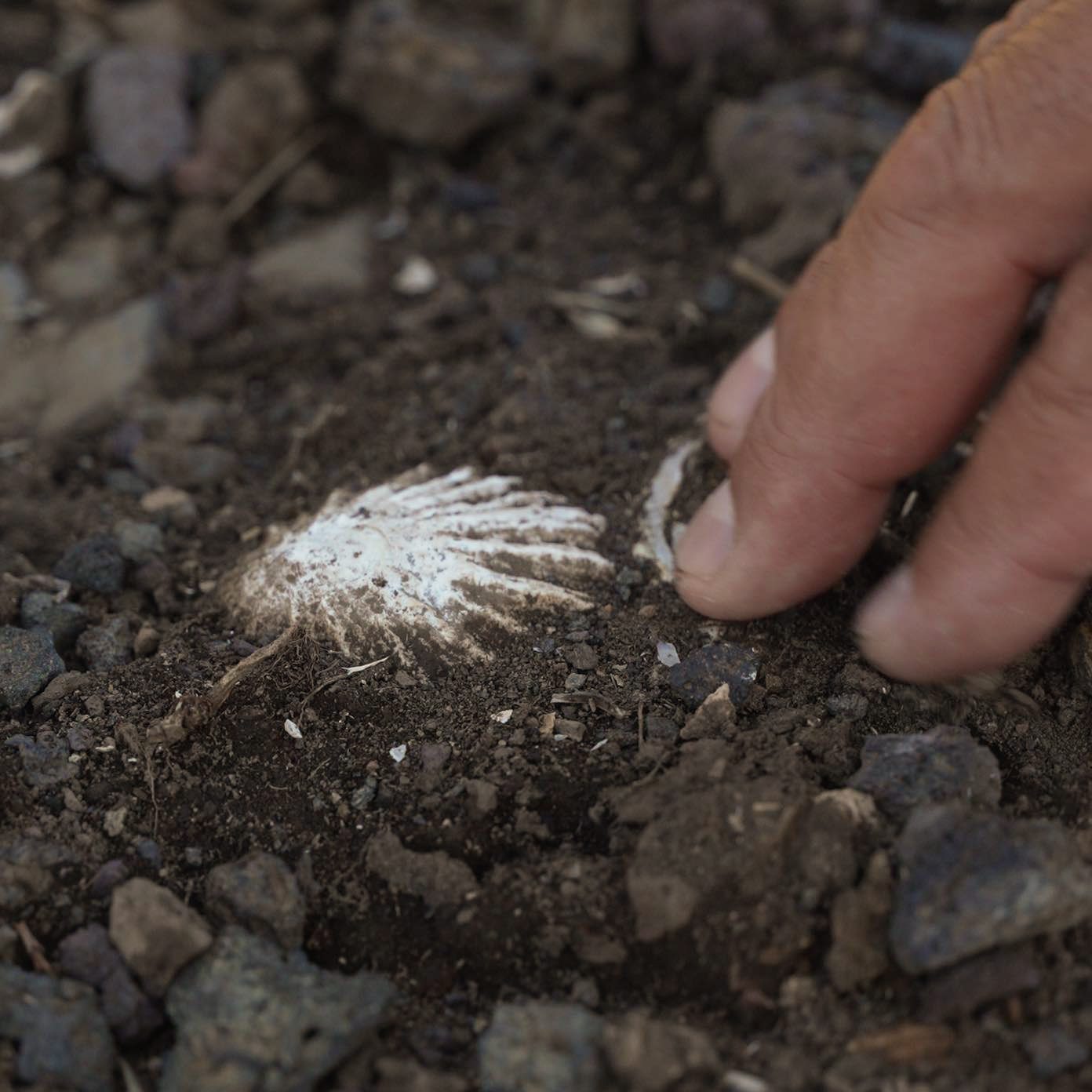
Even today, the sparsely populated island (just 11,000 residents) has only one traffic light. In 2000, the entire island was designated a UNESCO Biosphere Reserve, and now, El Hierro is making headlines for its ambitious goal of becoming the world’s first island to achieve self-sufficiency in clean energy, harnessing wind, hydro, and geothermal power. Its Mar de las Calmas reserve—a scuba diver’s paradise of submarine volcanoes, undersea caves and tunnels off the southwestern coast—is also on track to becoming Spain’s first national marine reserve, an expansion that would extend protections to 24,000 hectares. Until then, visitors can explore the island’s 270 kilometers of hiking trails, black-pebble beaches and the mist-shrouded capital of Valverde (the only Canarian capital not located by the sea), using the eco-chic Geko Hotel as a jumping-off point. Don’t miss a meal at 8Aborigen, where chef Marco Tavío crafts a tasting menu inspired by the island’s history, with 90% of ingredients—like figs, seaweed and black chestnuts—sourced locally.
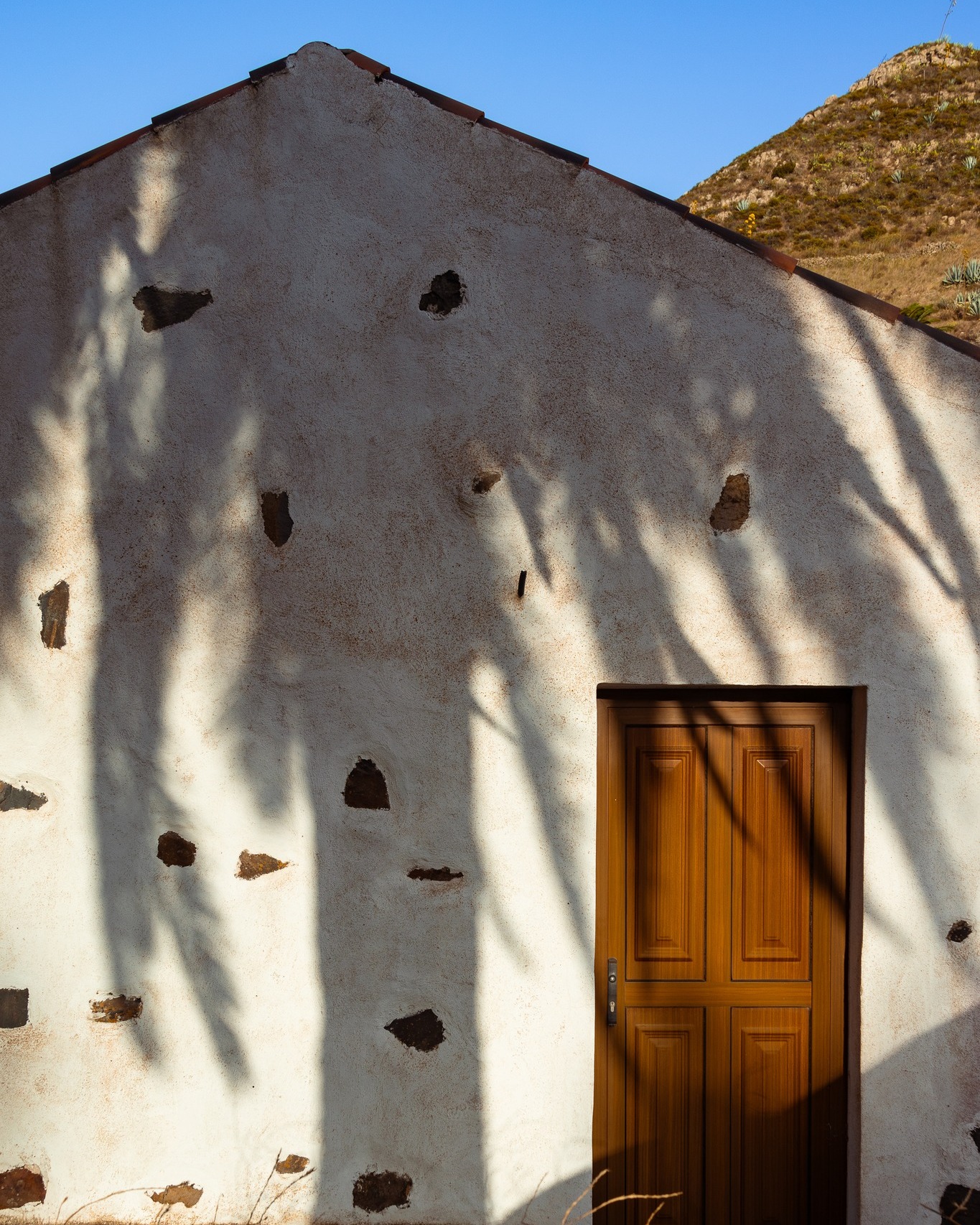
Just a 50-minute ferry ride from Tenerife, La Gomera is a circular island swathed in lush subtropical gardens and dotted with sleepy mountain villages and small black-sand beaches. Its nickname, Isla Mágica (the magical island), speaks to its quiet essence and storybook-like natural beauty. As you trek through the dense laurel forests of UNESCO-listed Garajonay National Park, don’t be surprised if the only sound you hear is locals whistling through the wind. Silbo, the island’s centuries-old whistling language—now part of the public school curriculum—remains an essential way to communicate across long distances. Sun-seekers flock to Playa de Santiago, a small fishing port with one of the island’s largest beaches and a smattering of seaside restaurants. Hotel lovers have their pick of swish accommodations, including the colonial-style Parador de Gomera, set amid subtropical gardens on a clifftop above the island’s capital, San Sebastián. Its carved wooden balconies and leafy patios offer sweeping views of Tenerife’s Mount Teide, Spain’s highest peak. Last summer, a prominent Tenerife family revived an abandoned hotel on the island’s northeast, transforming it into a 276-room Bancal Hotel & Spa, which is powered entirely by clean energy and staffed by 70% locals. The coastal property offers experiences like horseback riding and culinary workshops where guests can learn to make local delicacies like the bollo gomero sweet bun.
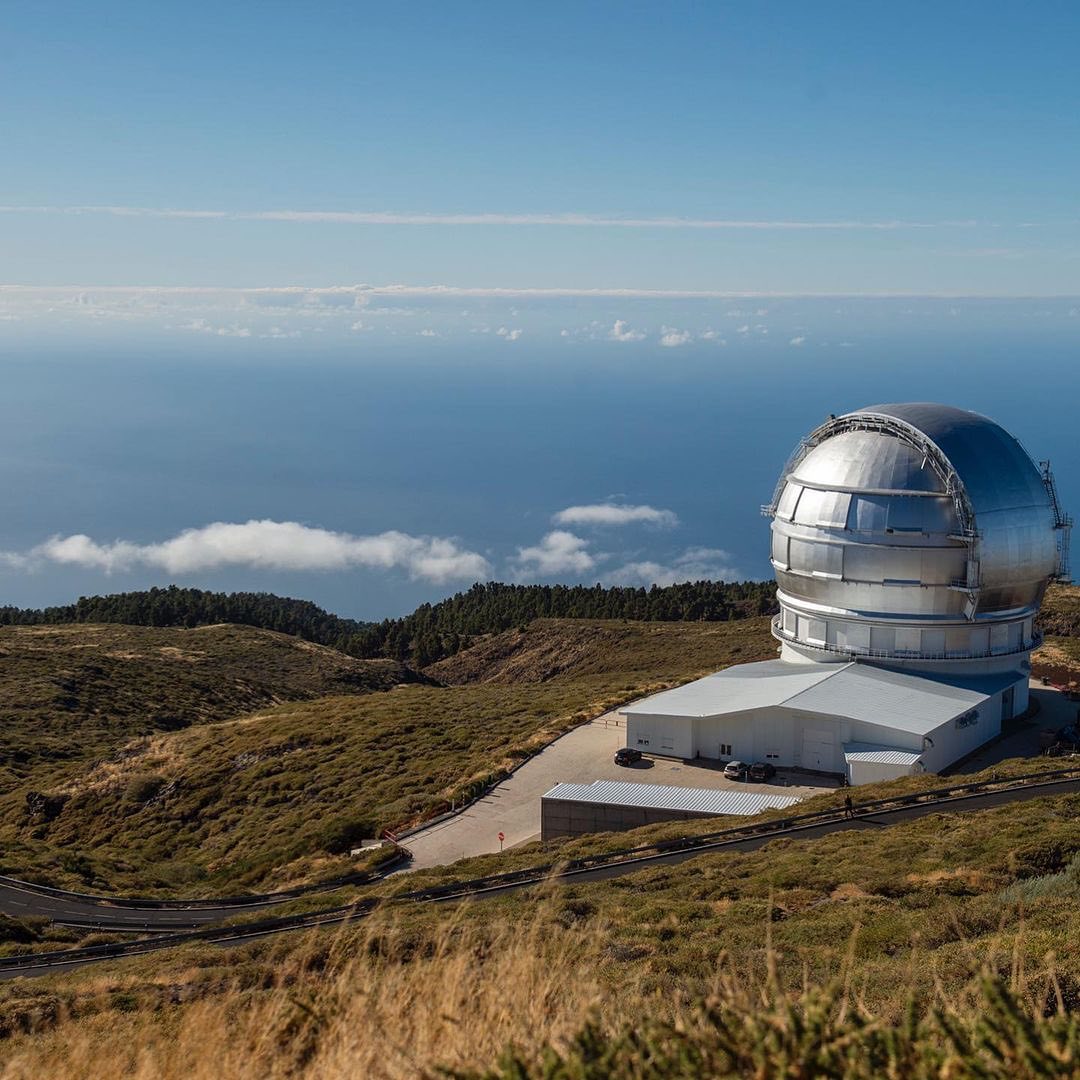
A short distance northwest of La Gomera lies another of the Canaries’ jewels: La Palma, known as the “Isla Bonita.” By some measures, it’s the world’s steepest island. (Drive up to the Roque de Los Muchachos observatory—one of the archipelago’s premier stargazing spots—to experience its vertigo-inducing altitudes.) It’s also the most volcanically active island in the chain. The 2021 eruption of Tajogaite volcano caused unprecedented destruction, flattening more than 3,000 homes and hundreds of acres of farmland. Travellers can walk through the wake of this natural disaster with a local adventure outfitter like Isla Bonita, which leads a 6.5-kilometer hike to the newly formed Cumbre Vieja volcano. Despite its volcanic character, La Palma is lush and impossibly green, with pine forests, tropical vegetation and well-maintained trails winding through wildflower-strewn hillsides (bring your walking poles!). After a day of trekking, lay your head at the Hacienda de Abajo in the colorful town of Tazacorte. Once a 17th-century sugar plantation, the hotel is now a soulful art-filled retreat where George Clooney recently stayed while filming the sci-fi movie “The Midnight Sky.”
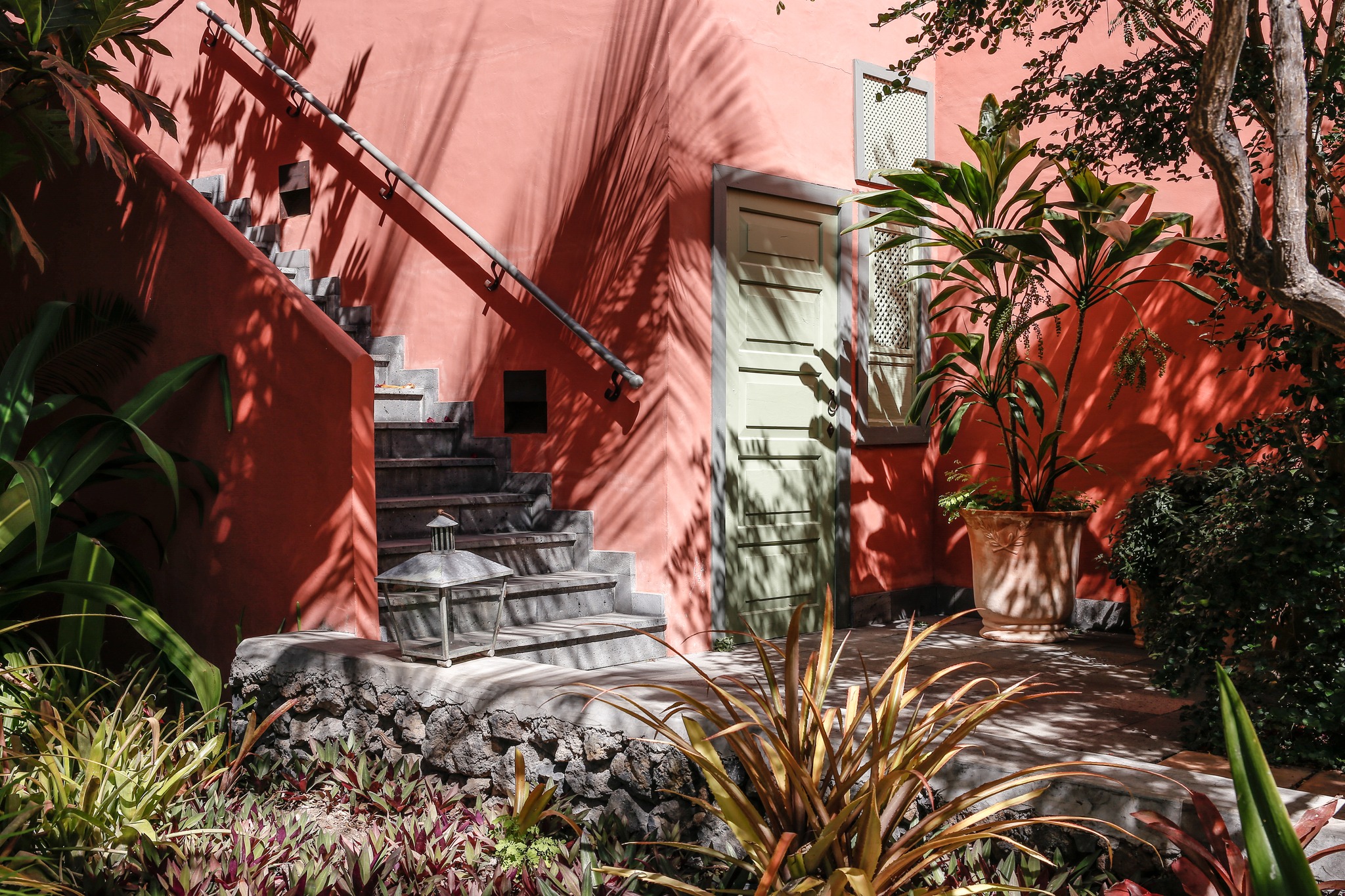
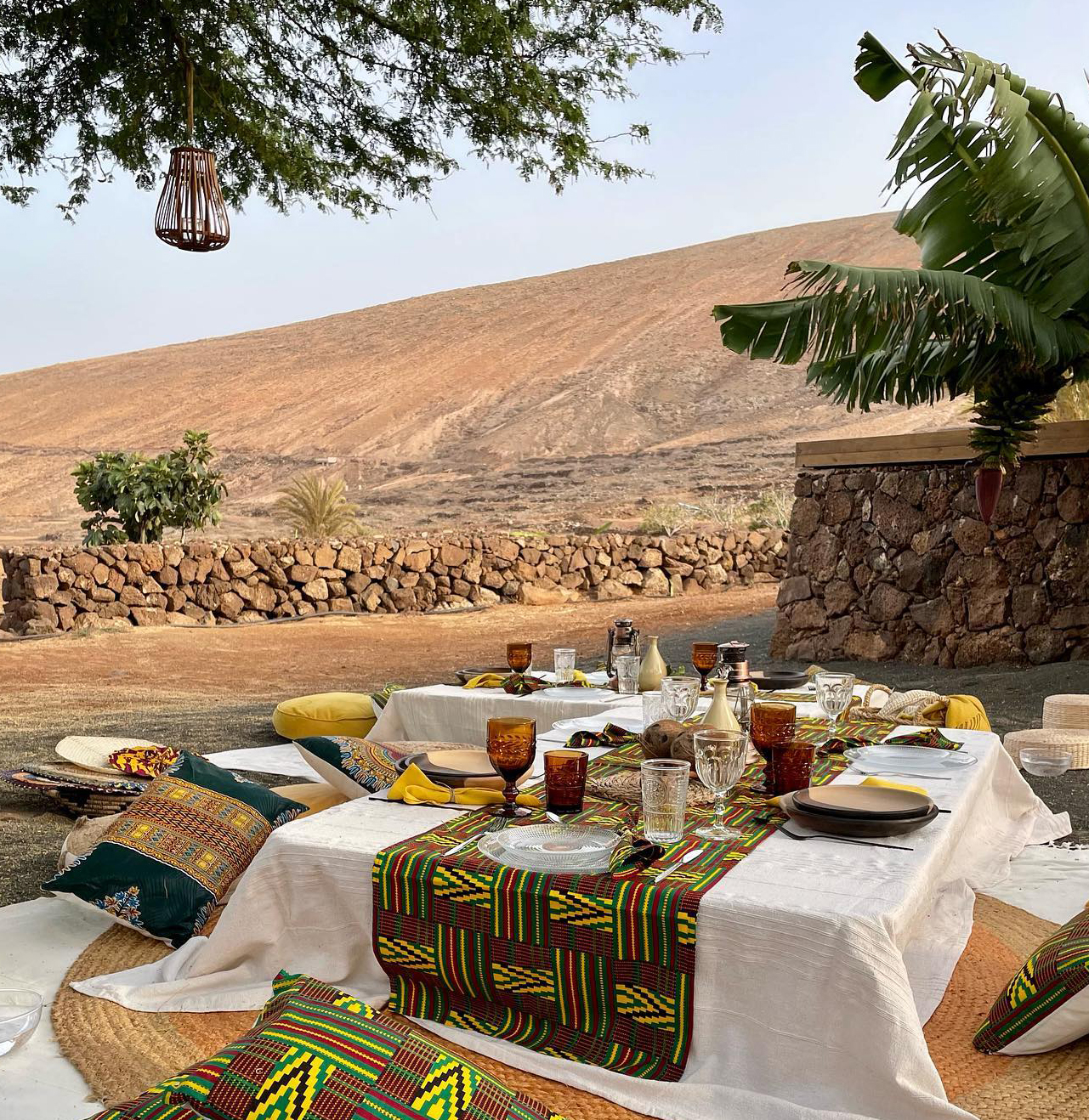
Fuerteventura is wild and arid, a land of wind-baked terrain and mind-blowing geological formations. As the second-largest island in the chain, it has something for everyone: golden-sand beaches, adrenaline-pumping sports like windsurfing and paragliding, and a scorched desert-like tundra dotted with volcanoes that will have photographers furiously snapping their shutters. The main resort towns—Corralejo in the north and Jandía in the south—buzz with activity in peak seasons. But with the arrival of stylish new stays like Casa Monteleongo, a minimalist, design-forward two-suite guesthouse in the sleepy town of La Oliva, travellers are looking beyond the usual spots. If you go, don’t miss Muana Mboko, a must-visit restaurant also in La Oliva, where Equatorial Guinean-born chef Roger Ekopele offers an open-air dining experience with fusion flavors—think Fuerteventura octopus with Ethiopian dorowat sauce (made from 15 spices) and cassava, all paired with Canarian wine.
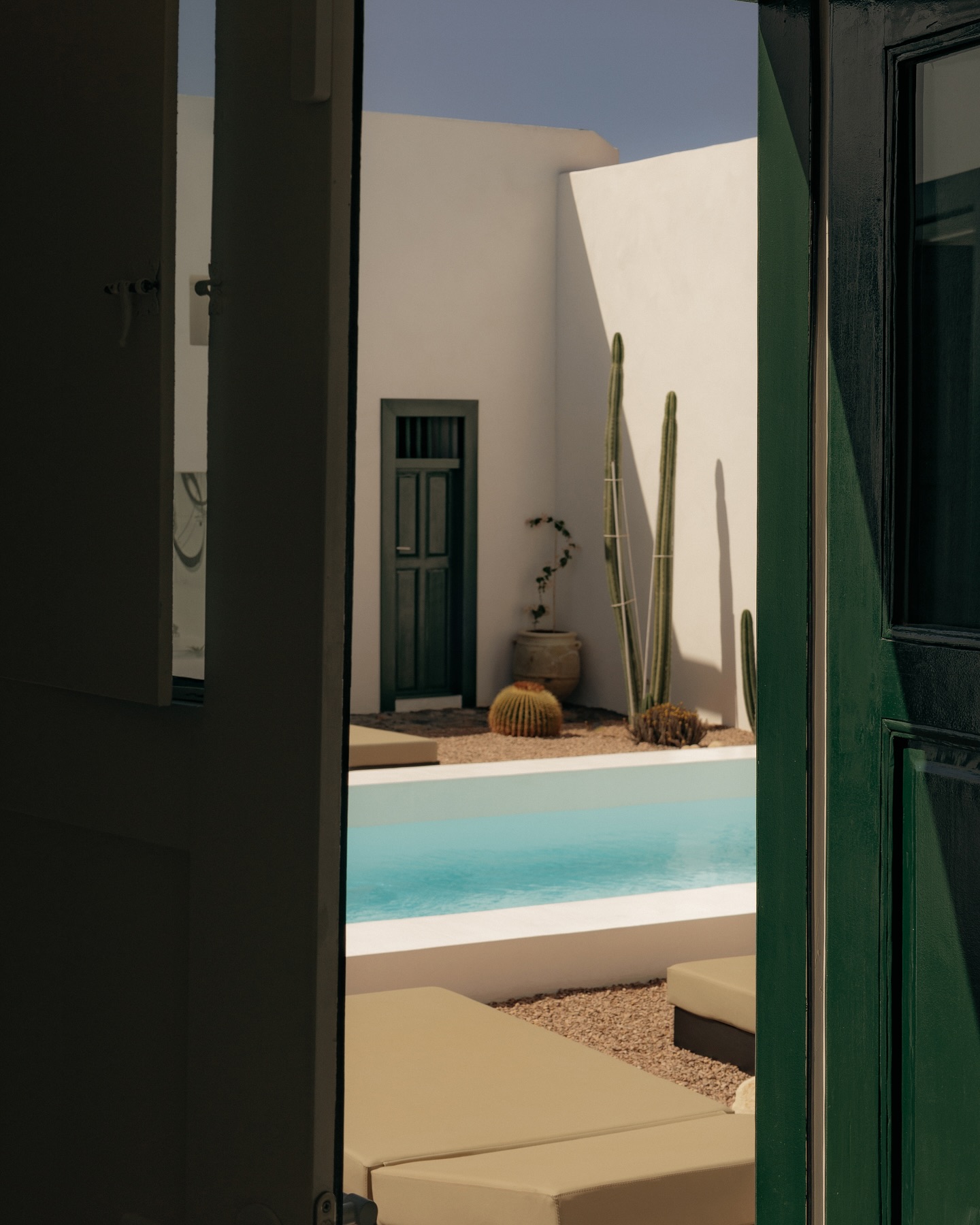
Lanzarote is no secret, thanks to the legacy of local artist César Manrique, whose monumental land art creations—like the Jameos Del Agua cultural complex and the 14-kilometer Ruta de los Volcanes in the Timanfaya National Park—were instrumental in shaping Lanzarote’s sustainable development model. Manrique fiercely opposed high-rise hotels and uncontrolled urbanization, advocating instead for architecture that blended harmoniously with the island’s volcanic landscape. The island has been a sustainability pioneer ever since. Its wild, stark beauty serves as an otherworldly backdrop for 20-some vineyards, where Malvasia grapes grow in black volcanic soil, shielded from the wind by semicircular stone walls.
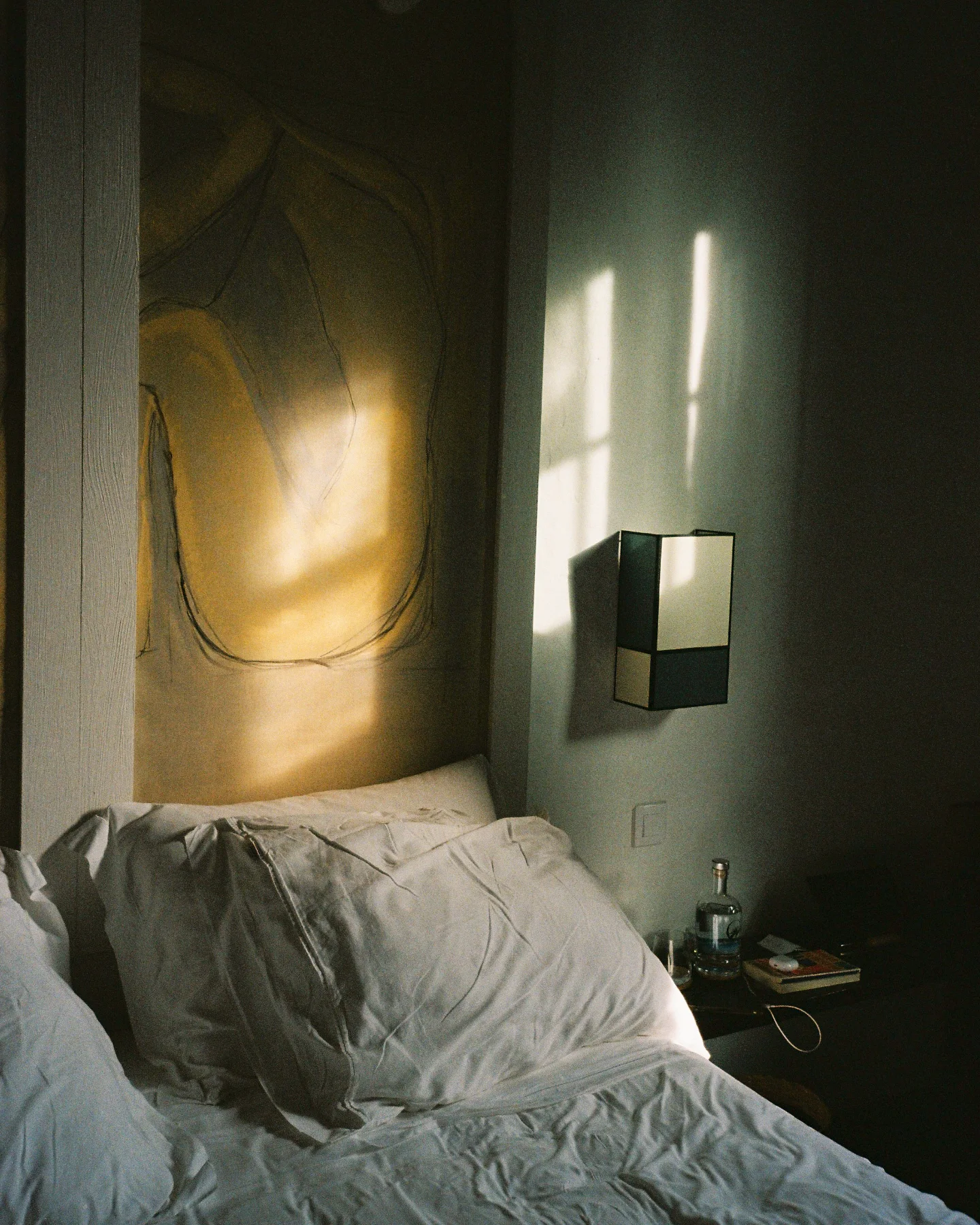
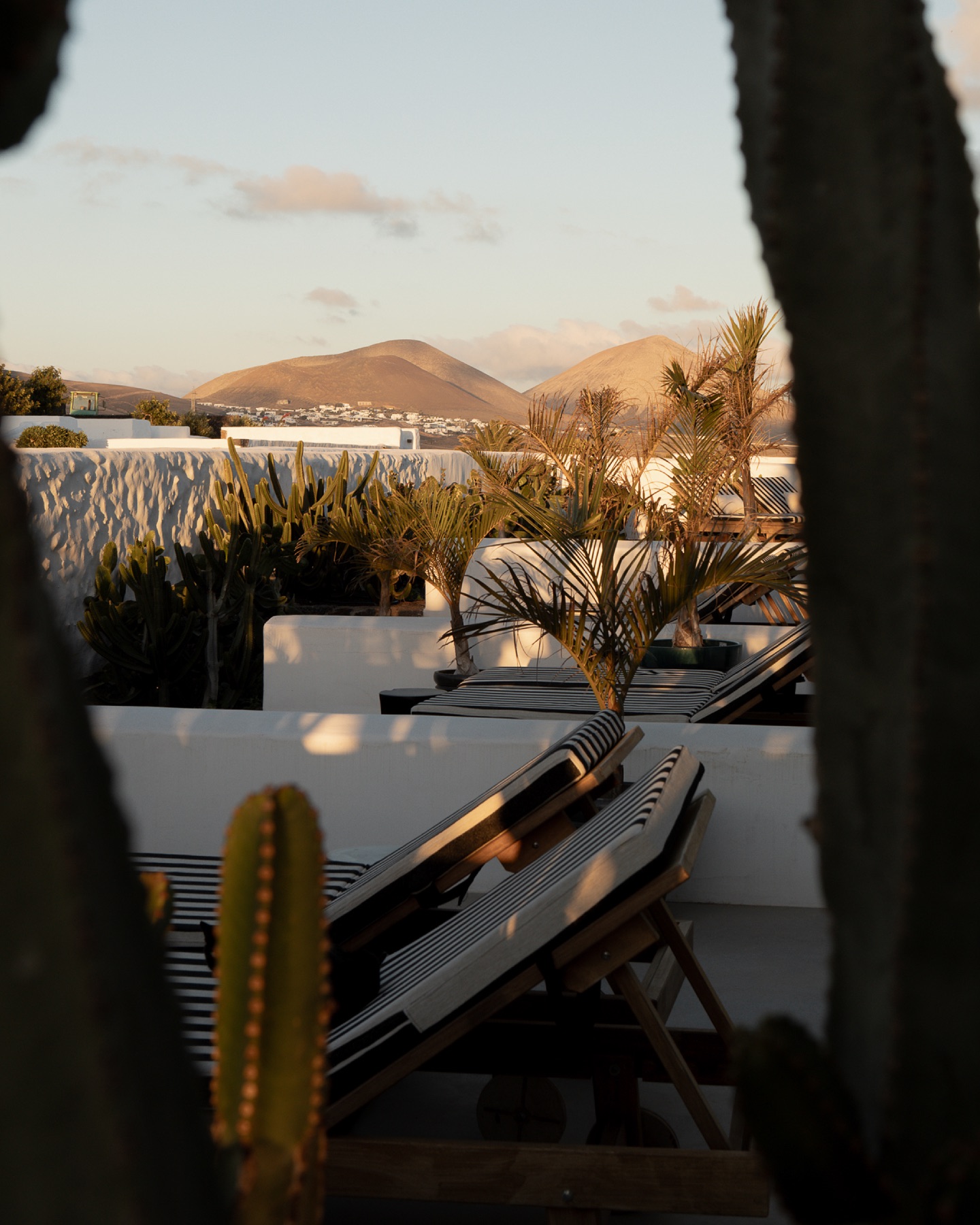
This year, the Kamezí restaurant, helmed by chef Ruben Cuesta, became the first in the Canaries to earn a Michelin star, praised for its 12-course tasting menus spotlighting local produce. (The stunning oceanfront setting doesn’t hurt either.) Recently, the island has seen a wave of new hotel openings, including Casa de las Flores—an 18th-century mansion-turned-boutique-hotel, the brainchild of Canarian entrepreneur Oscar Cubillo Blasco and his costume designer wife, Gigi de Vidal. Then there’s the 20-room César Lanzarote, set inside the former country home of Manrique’s father, with colorful, elemental interiors reflecting the island’s volcanic terrain and black-sand beaches. If you have time, don’t miss a day trip to the neighboring island of La Graciosa, a short ferry ride away, where roads don’t exist, shoes are optional and the beaches are pristine.
Siobhan Reid