the call of Paris's 19th
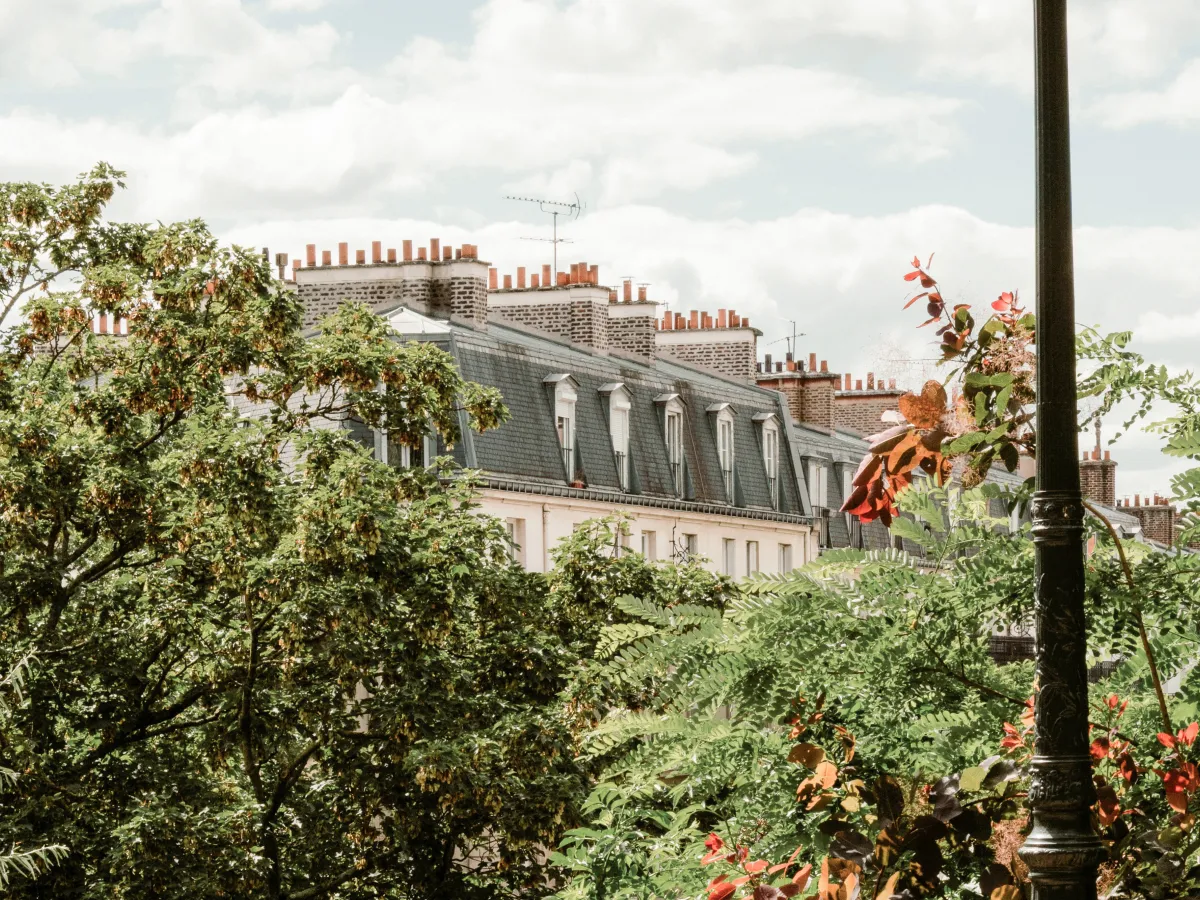
A day into arriving in Paris I was assured a trip to the capital’s unrivaled viewpoint. Forget the Galeries Lafayette rooftop or the balconies of the Centre Pompidou, but have you been to the Butte Bergeyre?
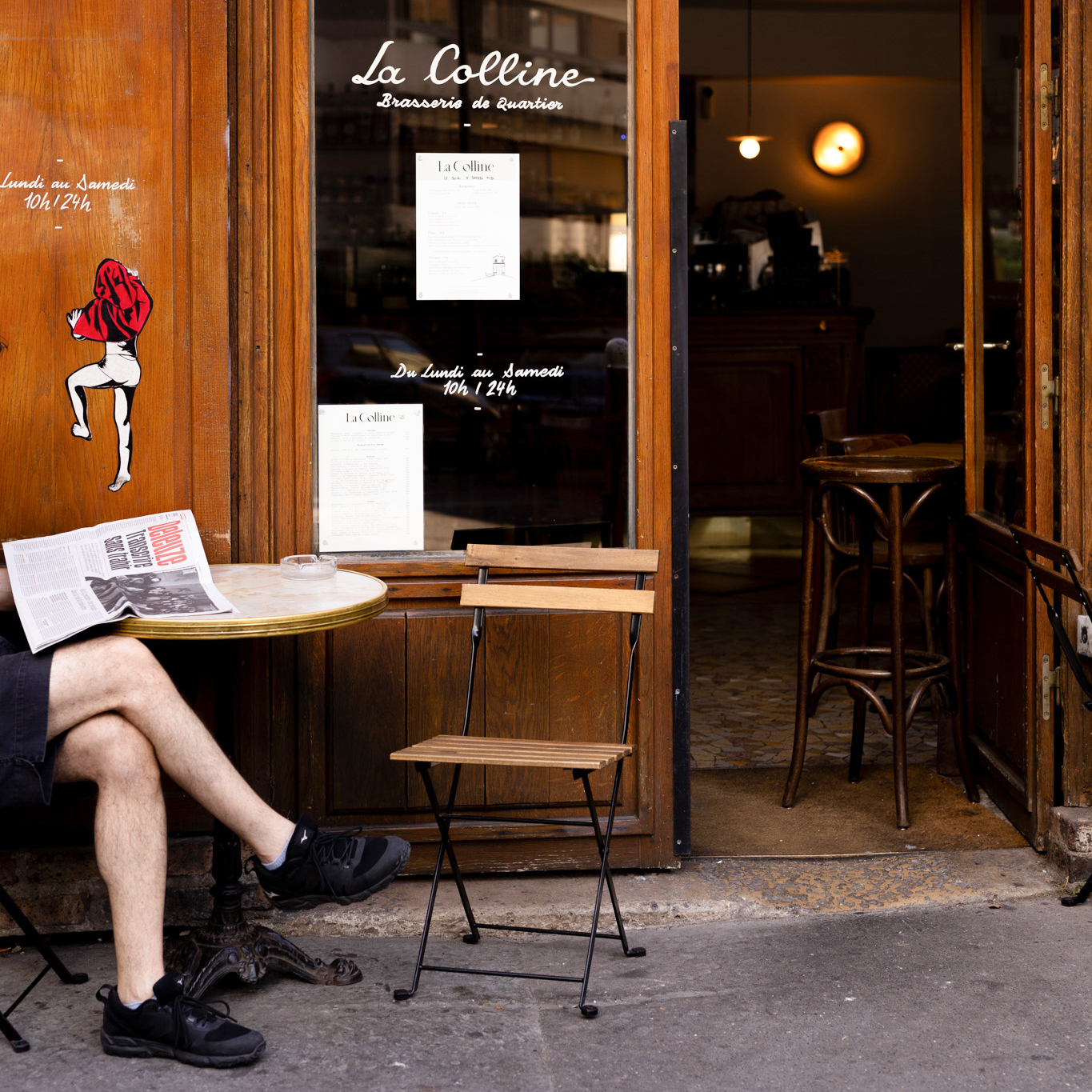
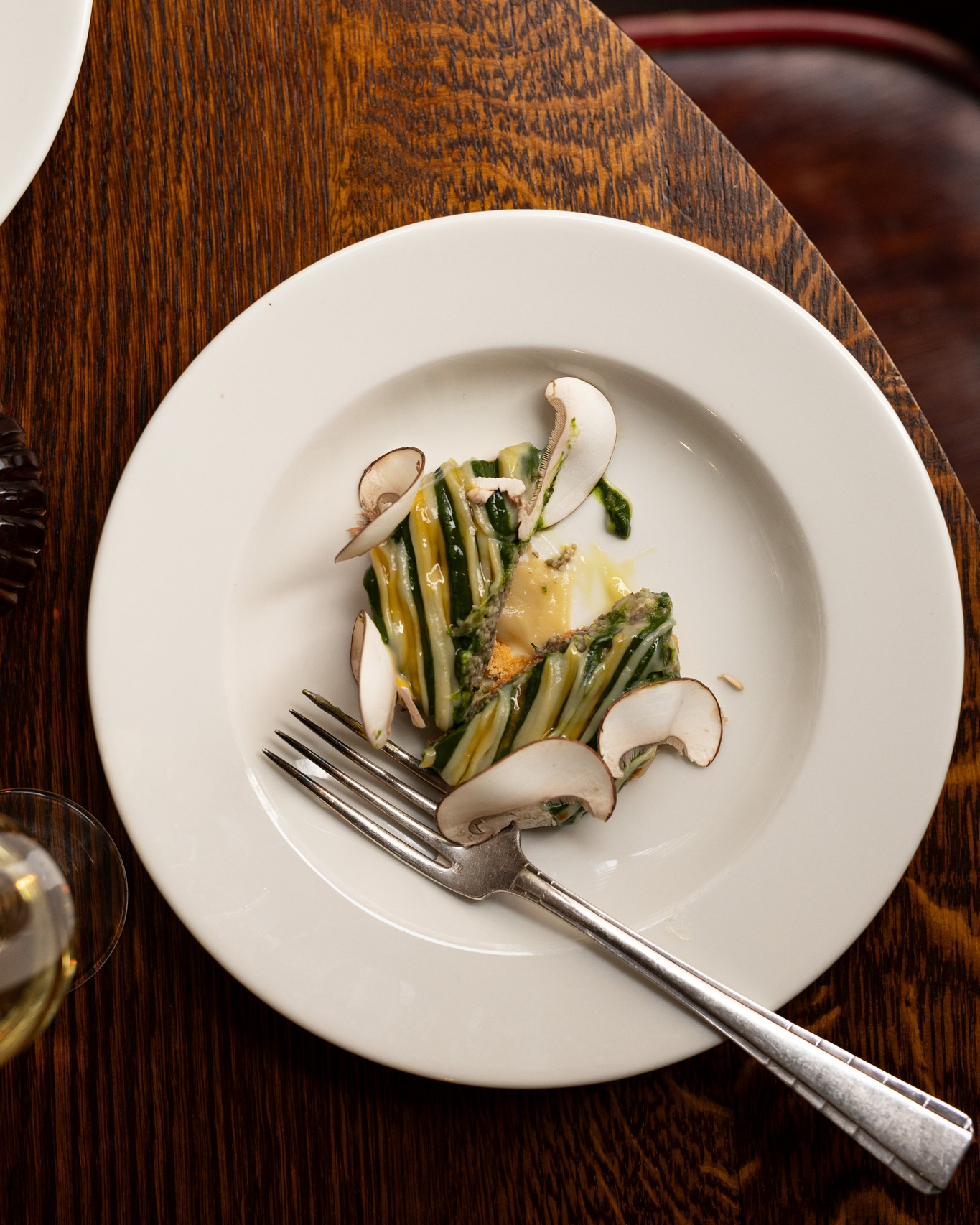
The view is an after-hours experience. But first, a cheeky sneak into the 20th arrondissement for a supper at La Colline, a brasserie that revamps the meat-heavy French classics and reverts with a more vegetarian-friendly tale. A café de village in which one mouthful of the silky crème anglaise is enough for you to leave the exposed brick, maroon-coloured corner bistro blissfully content.
Having eaten we explore the elevated hidden village that is the Butte Bergeyre. The crookedly paved streets cradle the foliage-covered terraces and the houses don’t tower above four floors. The result? A remarkably charming micro-arrondissement.
It’s also here that a single sloped bench, placed at the juncture where the Rue Rémy de Gourmont meets the Rue Georges Lardennois, promises the prized scene. The Eiffel Tower glistens imposingly from one side, the Sacré-Coeur on the other as the terracotta roofs of Montmartre tumble down the skyline. Queuing for a bench sounds ridiculous, the view proves otherwise.
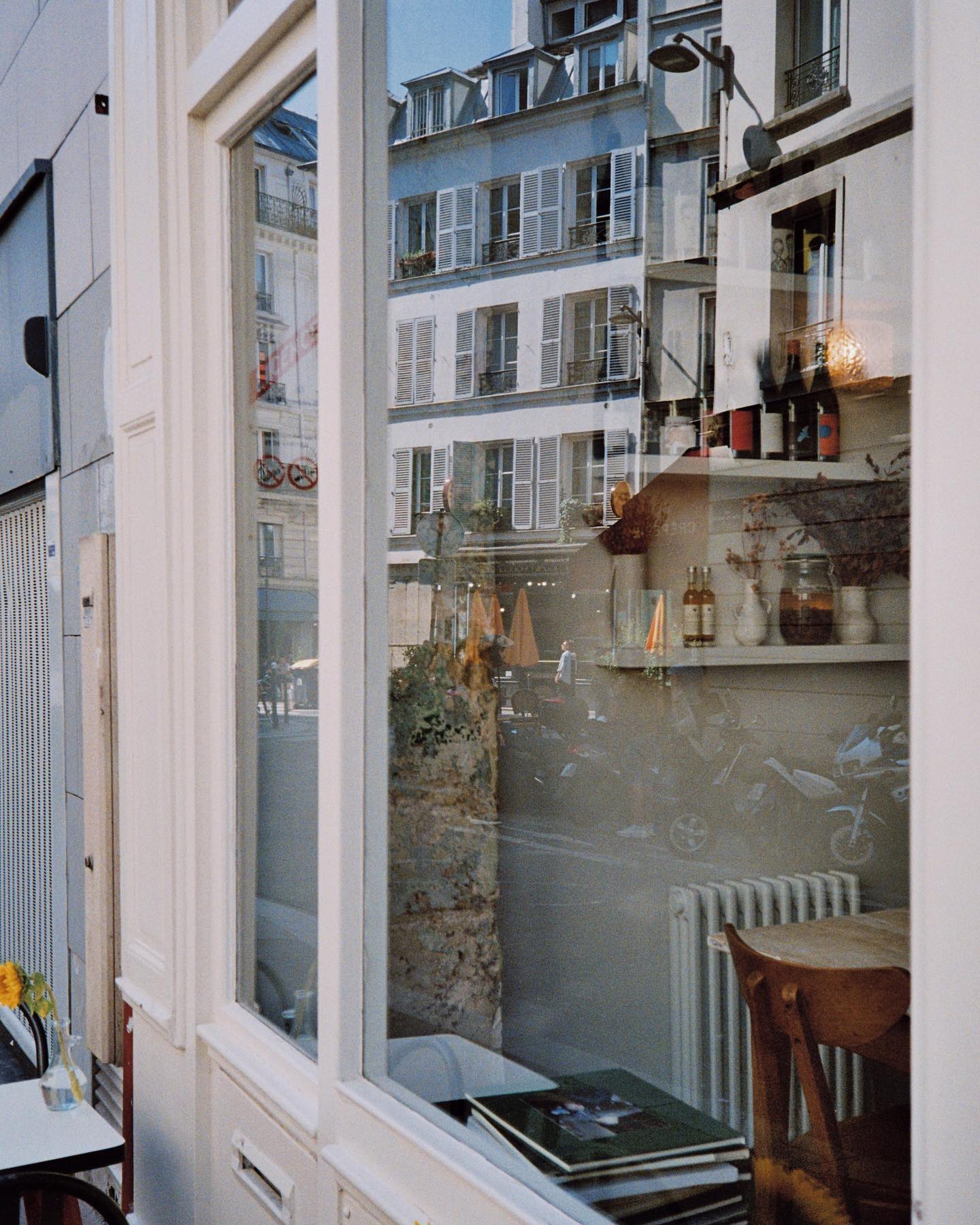
La Mouzaïa is another tucked-away, maze-like spot determined by the colorful villas and strings of shrubbery draping from gate to gate. It’s these hidden villages that grant the 19th its bubbly feel. If it’s not for the uncharacteristically out-of-sync façades, it’s for the art-deco sculptures in the Parc de la Butte-du-Chapeau-Rouge or the undulating hills within the Parc des Buttes-Chaumont which, come the summer, become the stomping ground for clusters of musicians. Here, strangers become friends over the casual strumming of a guitar.
Holding down the northeast corner of the capital, La Villette is another beating personality of the 19th. Architect Bernard Tschumi imagined the 55 hectares of open space as a cultural rather than a nature-filled extension of the city. The layered gardens and deep-red block buildings become creative spaces; the deconstructed architecture connected by the labyrinths of bridges extending across the Boulevard Périphique. Crowds play pétanque along the central, Bassin de la Villette and, come nightfall, the MK2 cinemas (Quai de la Seine and the Quai de Loire) become bustling hives of activity, dictated by their frequent rotations of art-house cinema programs.
The Boulevard de Belleville is home to Le Canon d’Achille. It’s here that you nudge shoulders with fellow natural wine enthusiasts as “The Claw of Gniff,” an orange wine maceration, is free-poured generously and clusters of folk gather outside on the terrace, no matter the season. Cendrillon is close-by: a restaurant favouring caviar, frozen margaritas and big plates of grilled meats and fish. The look is an open kitchen, exposed stone walls, a tapestry of minuscule tiles paving the wood floor and metal shelves dotted sporadically with red stiletto shoes, cactus plants and grandparent-style crockery. Order the Feasting Menu and stainless steel platters of crispy kalette tempura dunked in a spicy mayo gochujang, mulet noir and smoky meats arrive at your table, all to be shared.
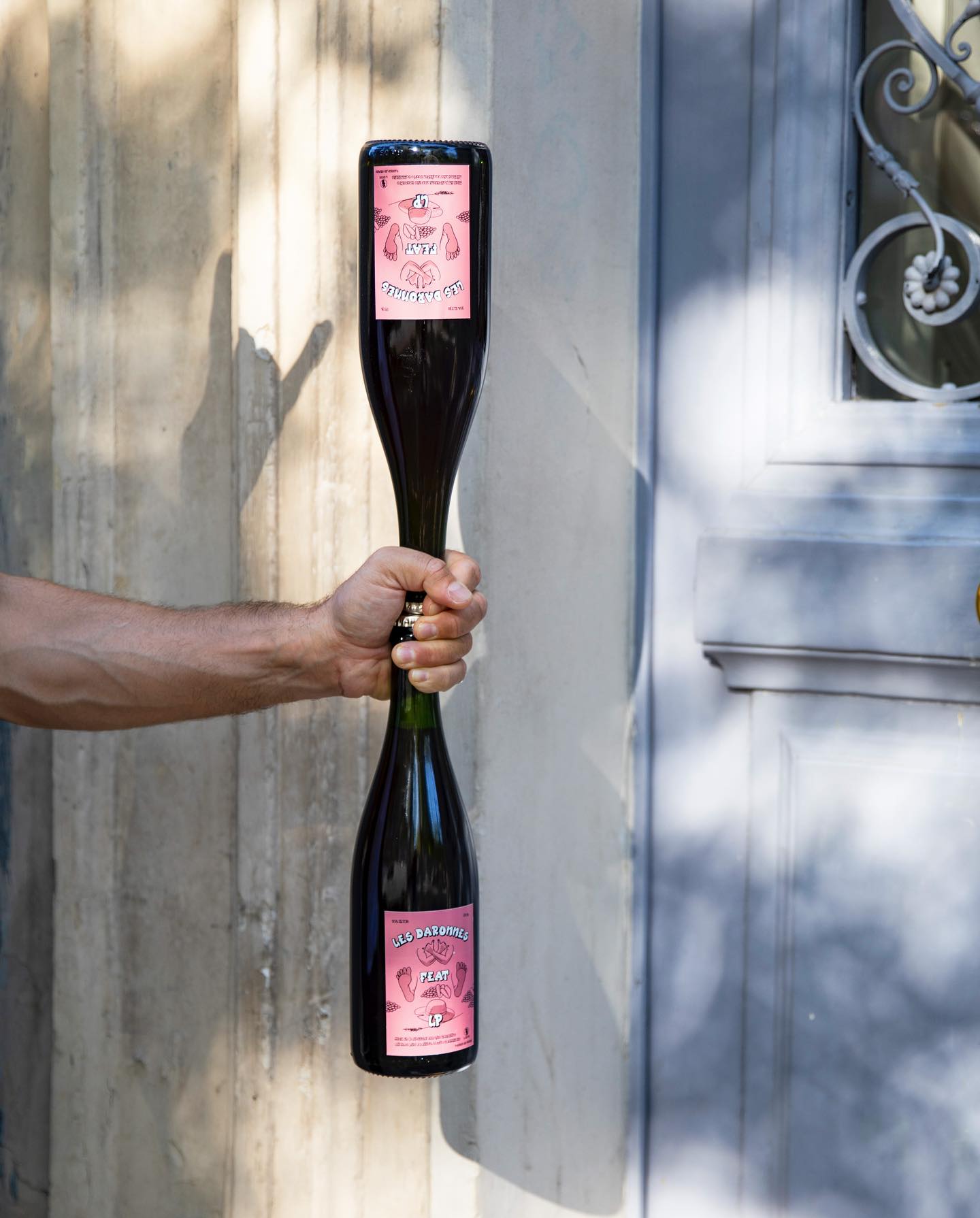
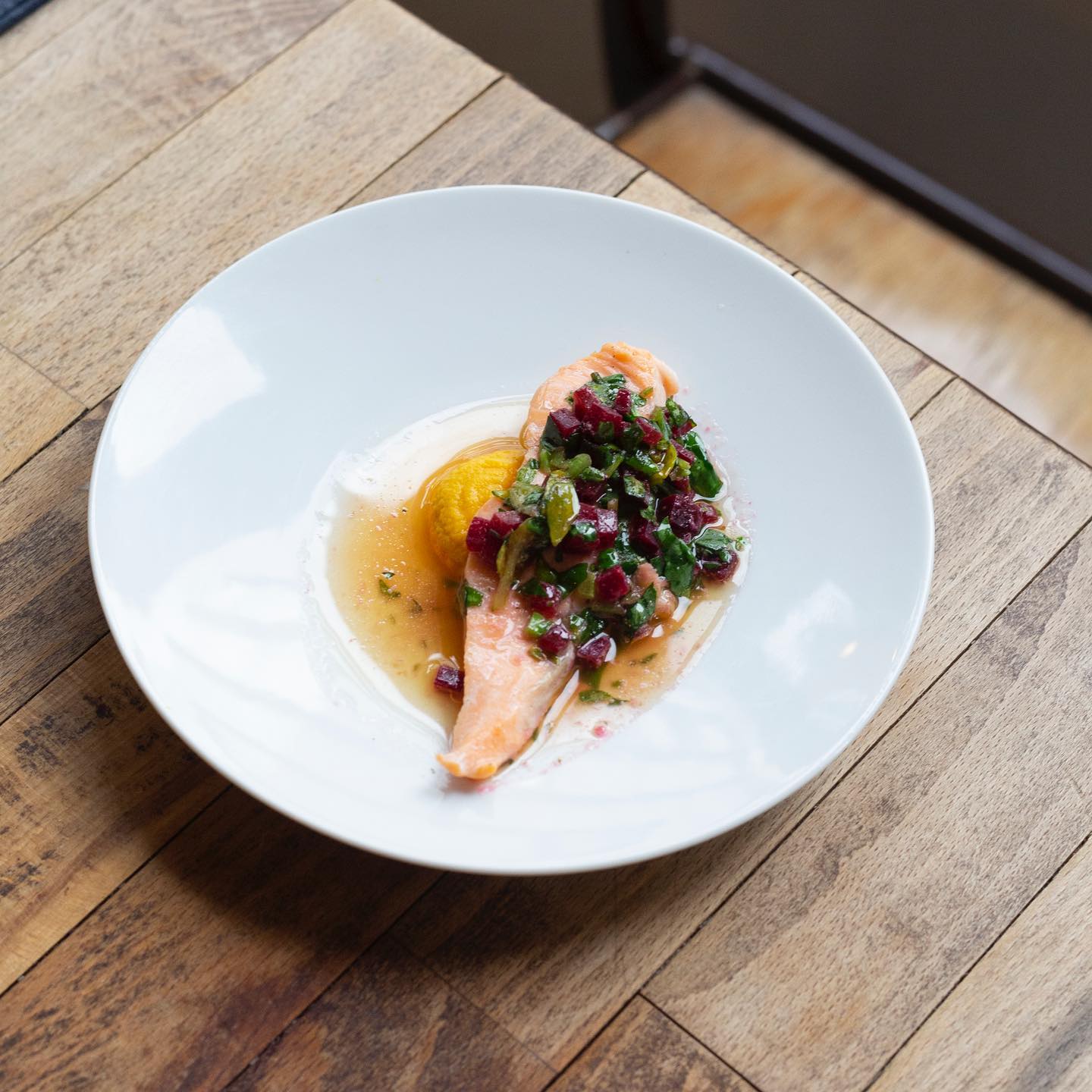
Down the road is Buttes Snack Bar, a riff on a classic bar à vins that also happens to serve exceptionally good “snacks”, if plates piled with mounds of Venere rice and mussels soaked in a rich ‘nduja sauce or an aubergine roti served alongside a smoked ricotta dollop classify as such. The brick, yellow menu is a design-nerd’s dream and the vintage furniture is a Brutalist interior heaven.
A table for any more than two can be hard to snag at Buttes, so it’s a relief that Belleville’s most coveted spot, Lao Siam is just down the road. The Souksavanh family are still at the helm of this 1985-founded institution which rustles up sizzling hot plates of Crying Tiger and crispy rice salads infused with the flavors of Laos and Thailand.
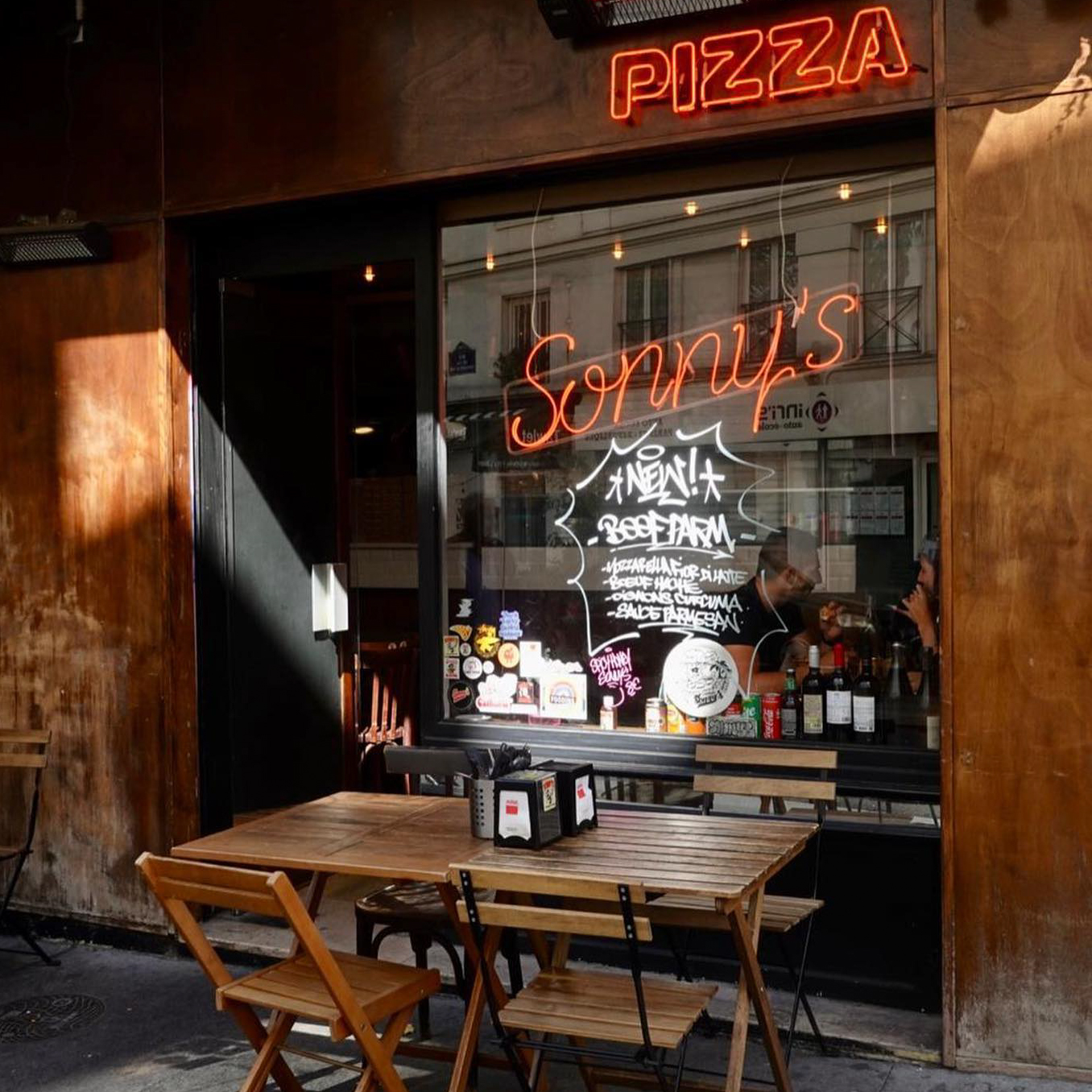
With the Canal St Martin a ten minute meander from the centre of Belleville, the raved-about restaurants of the 10th are as much on your doorstep as the jewels of the 19th. In the early hours the wafts from the bakery, Du Pain et des Idées draw you in and there’s a low hush of chitter-chatter from coffee spot Buddy Buddy. Lunch is a sizzling slice of pizza from Sonny’s, followed by a drink from L’Orillon’s awakening terrace in the evening, before dinner at Early June — a wine bar hosting rotating chef residencies. No wait is too long for a taste of Korean-born chef, Jongmin Jang’s langoustine and scallop stuffed Wanja or a cabbage chip millefeuille.
With just one chef and one sous, the menu is refined. The dimly-lit lamps and flickering candles draw you in, the industrial, brick walls softened by bottles of wine placed precariously across the shelves. It’s nothing crazy, nothing overly stuffy and nothing extravagant. Don’t expect a piled high baguette basket, instead a couple of slices of rye sourdough will be served on a brushed scallop shell; perfect dunkage for the creamed pumpkin sauce of the chestnut noodles. It’s a menu made for sharing, an ambiance giddy with the phenomenal flavours and for the funky, earthy natural wines.
It’s part the dizzying number of culinary treasures and part the vibe that makes this arrondissement riotously underrated. There may not be the gastro-palace Michelin-starred spots of the 6th, but phenomenal, inventive spaces stud the streets. With three deliciously, green parks to stroll and a raging cultural scene, it’s impossible not to be hooked by Belleville.
Hannah Rees-Middleton
Wild swimming. Natural wine. Excellent exhibitions. And glorious country walks. These are a few of our editor Hannah Rees-Middleton’s favourite things. Whether she’s bouncing around Mexico, paddling through the Kenwood Ladies’ Pond or ogling another mound of butter at a fabulous supper club, Hannah is always in the midst of something cool. A consummate planner, a lover of beautiful things, a traveller never without a camera and a deck of cards. Hannah is many things (including the perfect resource for perfect travel tips).