Stockholm’s island feast
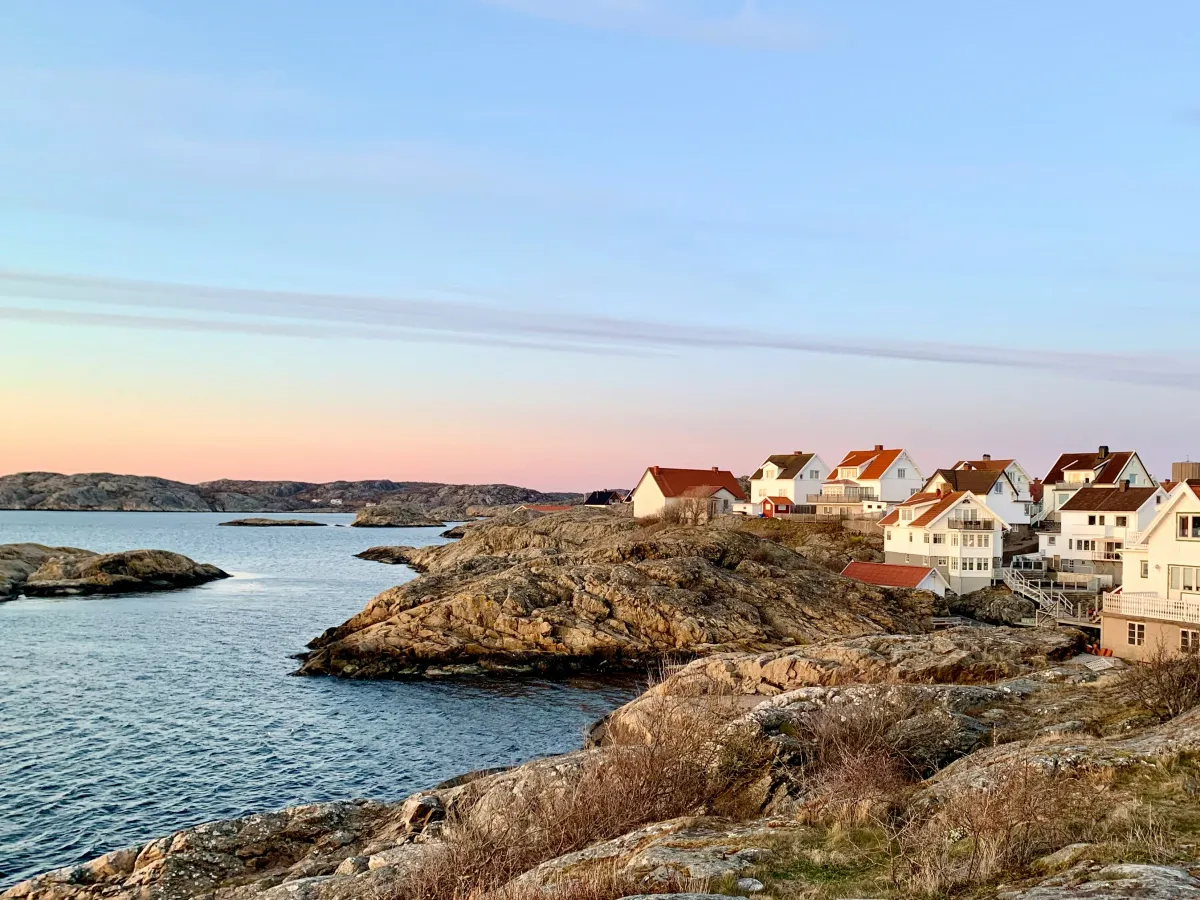
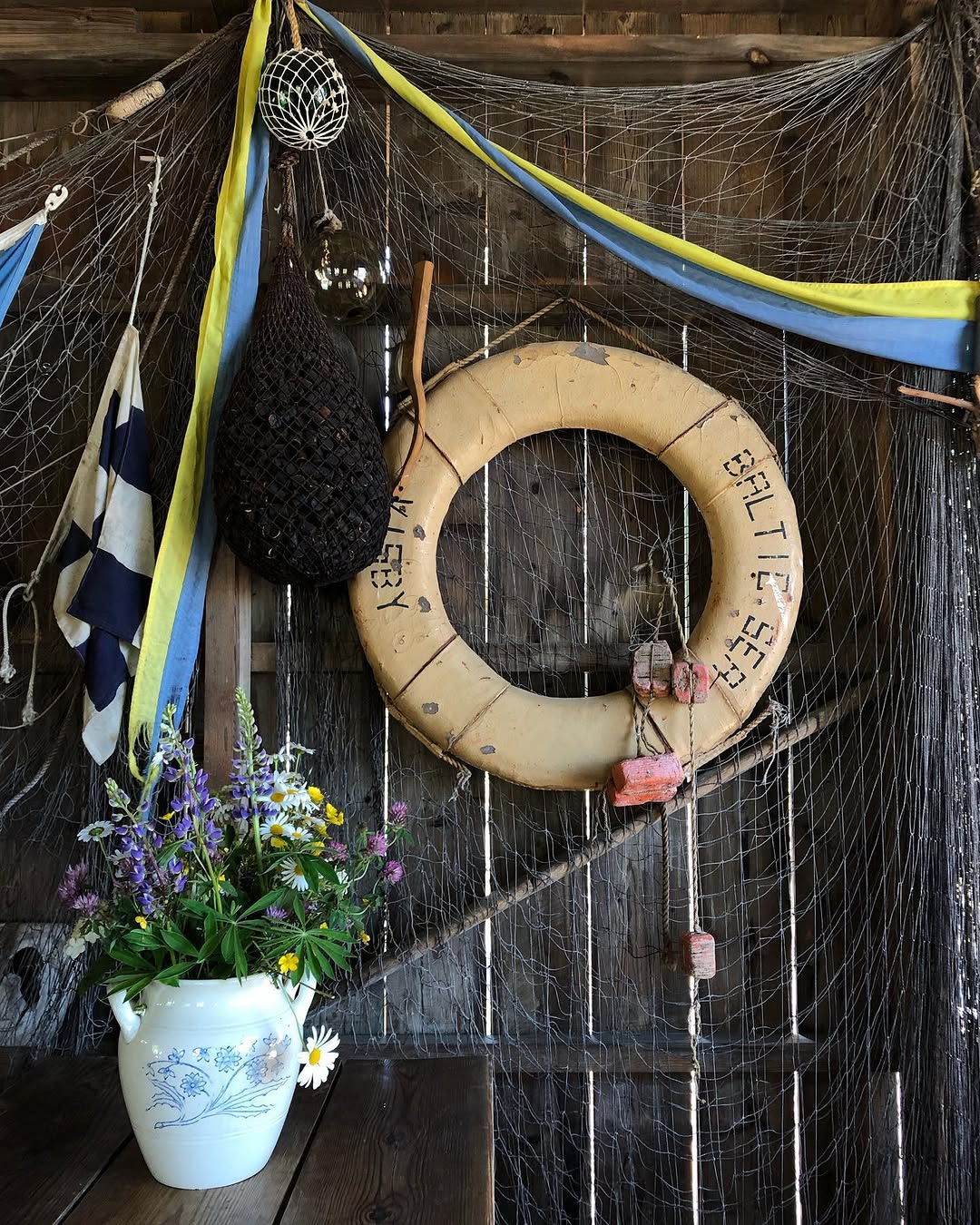
The red-washed summer houses peak from the tree-strewn islands of the Stockholm Archipelago, the craggy shorelines dotted with wooden-panelled jetties, laddered dipping stairs, and bobbing rowing boats. These are a handful of islands – from the lesser trampled to the more-connected hubs – that capture the nature-loving, laid-back spirit of the archipelago. Where springtime welcomes a fresh beat as the summerhouse-faring Swedes set sail across the Baltic Sea, the local-product selling shacks and ice cream vendors sling up their shutters, the ocean cliffs become dotted with daring swimmers, and the winter slumber ceases.
30,000 islands extend throughout the 650 square miles of the archipelago, many of which are either entirely uninhabited or only accessible by private boat. Take Ängsholmen, located in the central islands between Vindö and Gällnö, which appears as a small smudge on Google maps. With no restaurants or bars on shore, it’s the scattering of blue-roofed cottages and anchored canoes in the tucked-away coves that breathe life into the island. A place used for cow pasture until World War Two, it has since developed a sewage treatment and desalination plant, a 1963-built water and electricity source, and a close-knit community of sommarstuga (summerhouse) neighbours. A walk around its coastline is a mere 2.3km, wild strawberries and blueberries can be foraged from within the forest, and days, like in many of the less inhabited islands, are spent sauna-dipping, net fishing, foraging, and paddle boarding.
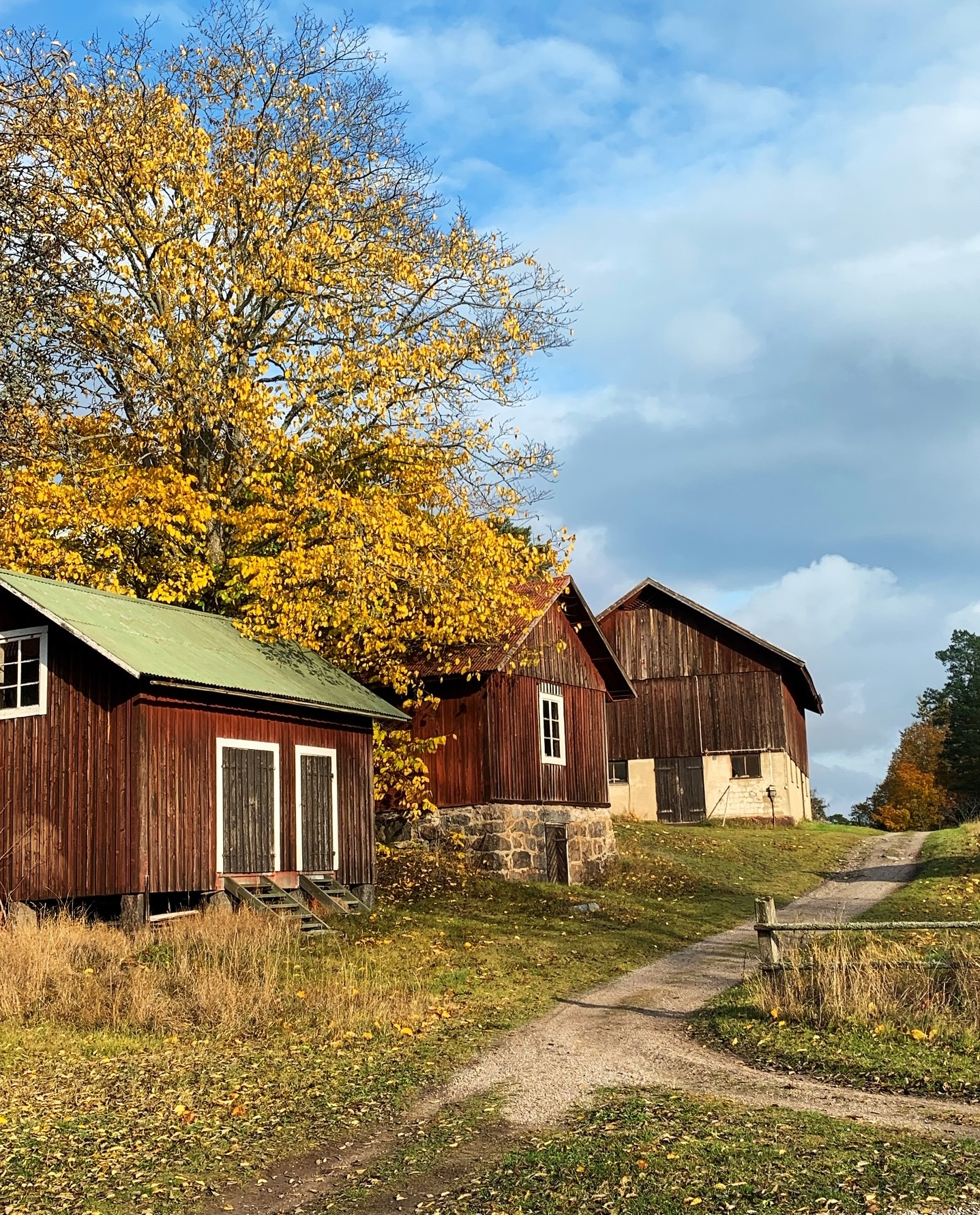
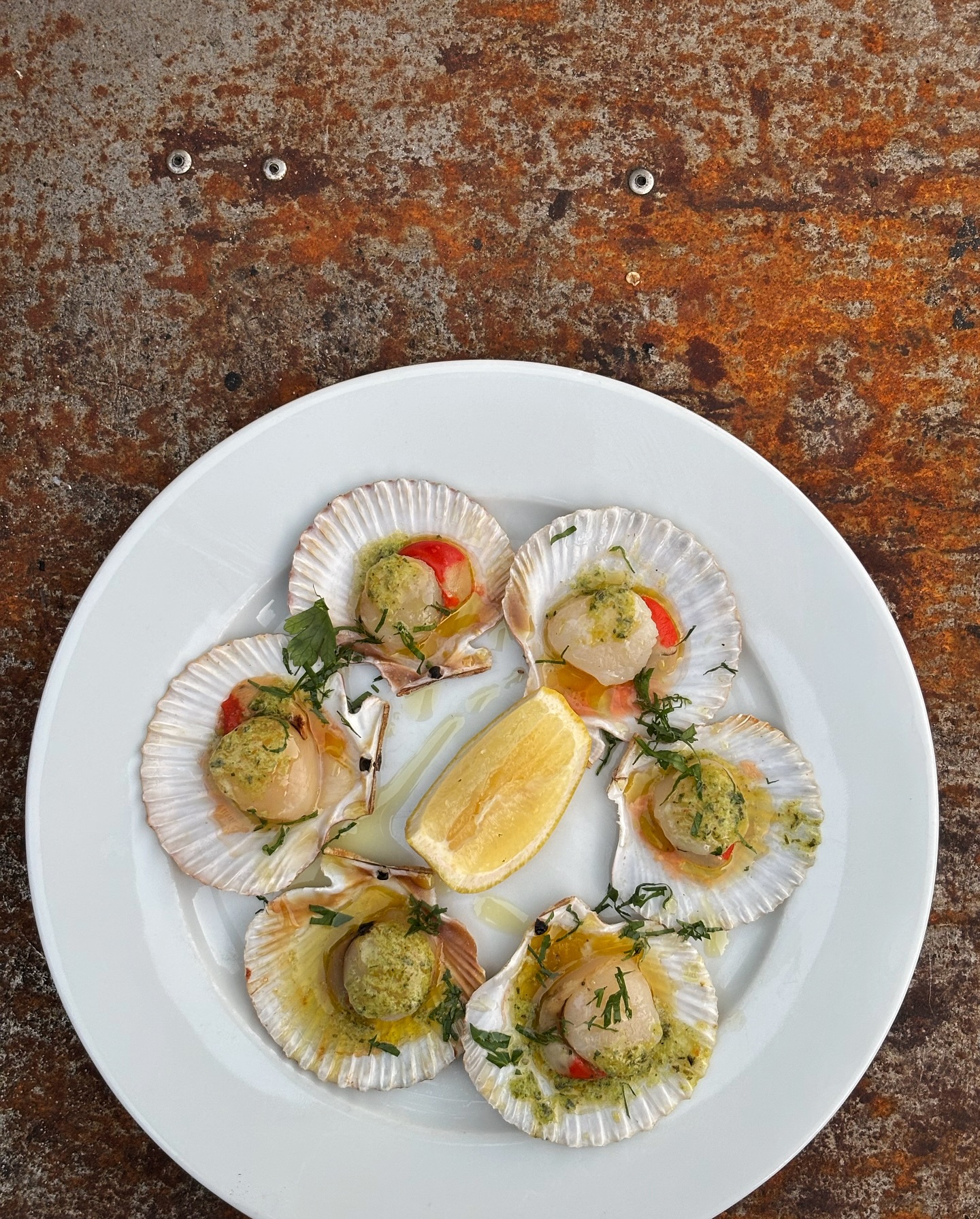
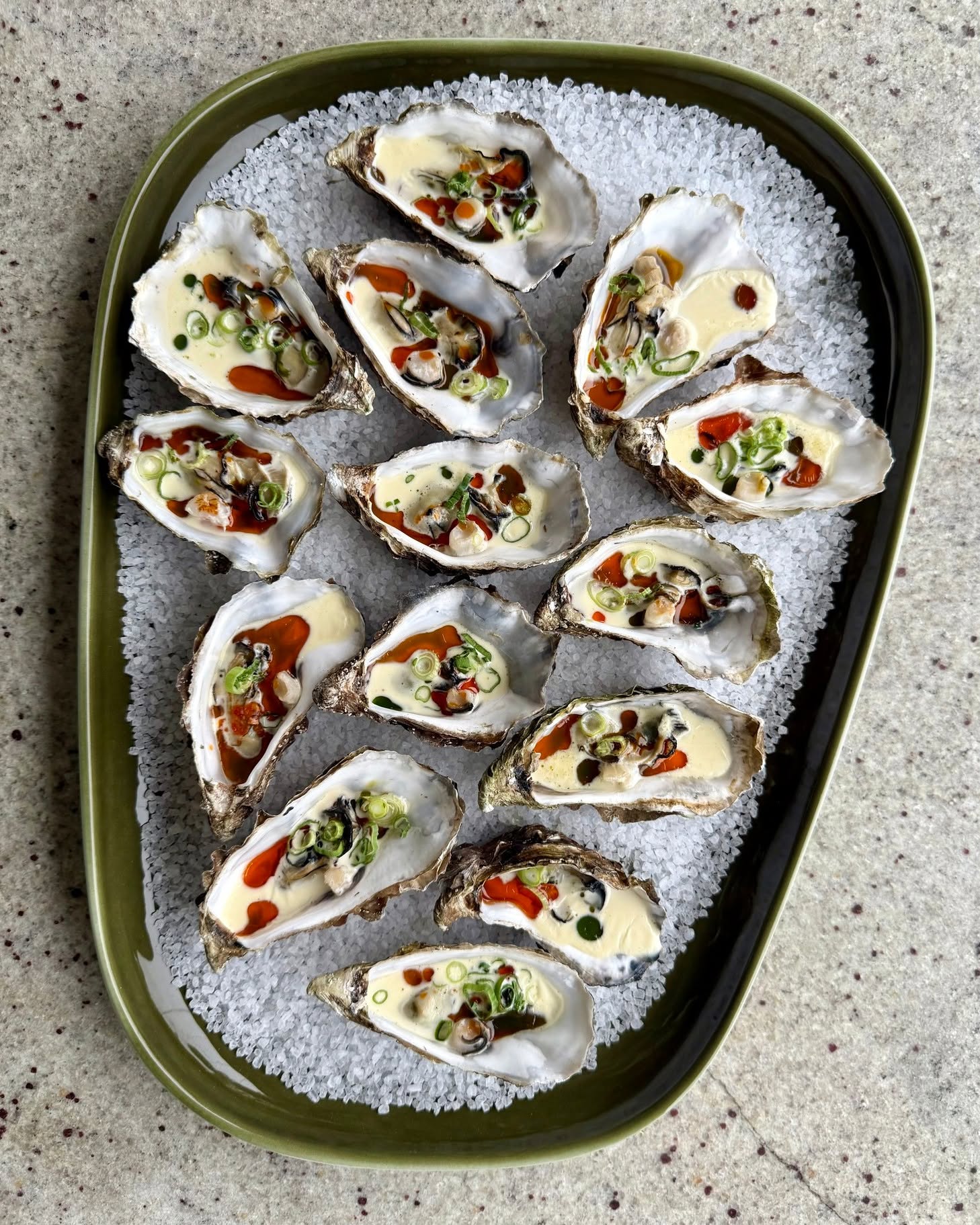
Not all of the archipelago is reserved for boat owners and Stockholmers; Ängsholmen is hard to reach, but the neighbouring, larger island of Gällnö is just a short two-hour public ferry ride from the central city. The boat pulls into the harbour on the southern side of the island, and a stroll across the meadowed track leads to Gällnö Bar, a seasonal café, grocery store, and hostel. Here, the unassuming summer tavern pulls out its sun umbrellas, white deck chairs, and trestle tables come May. A sun-shaded fruit and vegetable market is filled with peaches, mushrooms, and plum tomatoes, and the Handelsboden (literally translated as, Trading House) stocks its shelves with sticky lemon-curd buns and giddy sweet rhubarb and apple frangipane. The Tavern dishes up plates of herb and lemon buttered queen scallops and serves hearty portions of seared BBQ tuna upon a bed of griddled greens. Live jazz afternoons are hosted in the gardens as the crowd spills barefoot onto the pier and children dive from the jetty.
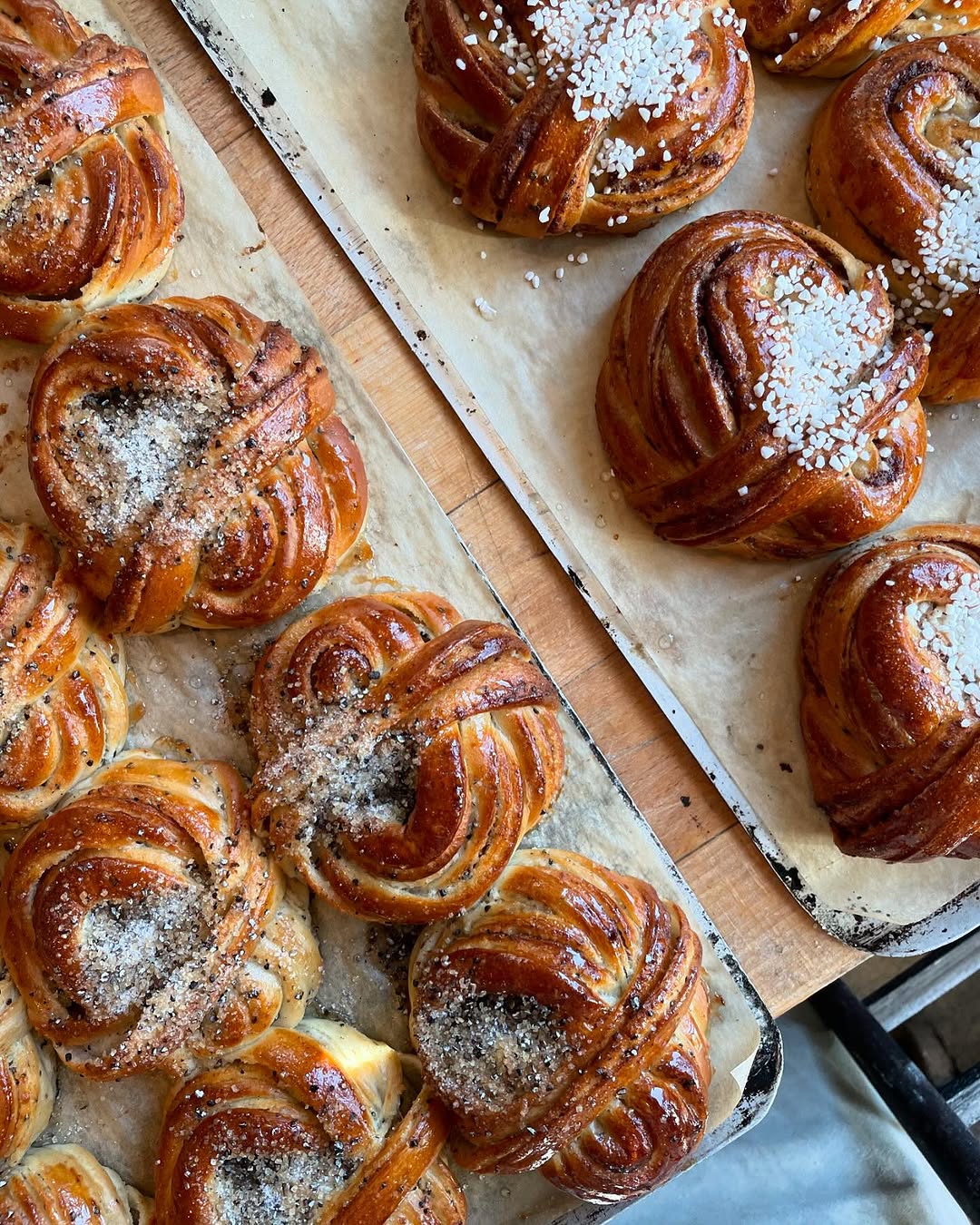
In the southern archipelago, is the more year-round Utö; with around 250 permanent residents a handful of amenities remain open throughout the winter, a local craft market pops-up in December, and a Christmas julbord (a traditional Swedish festive buffet) is hosted at the local inn, Utö Värdshus. A public bus from one of Stockholm’s suburbs takes you directly to the ferry port of Årsta Brygga (a more direct route from central Stockholm connects the line come summer), where a boat arrives at the island's jetty just 30 minutes later. The island is steeped in an iron mining history; the workers’ cottages remain, and the 1791-built windmill rises prominently from the forest-covered plot. Breakfast, lunch, and snacks can be hauled from the island’s beloved, Utö Bakgård, a red-pine wood, green-door bakery found down the road from the Gruvbrygganharbour – a hub for boat mooring, public sauna sessions, and bike rental.
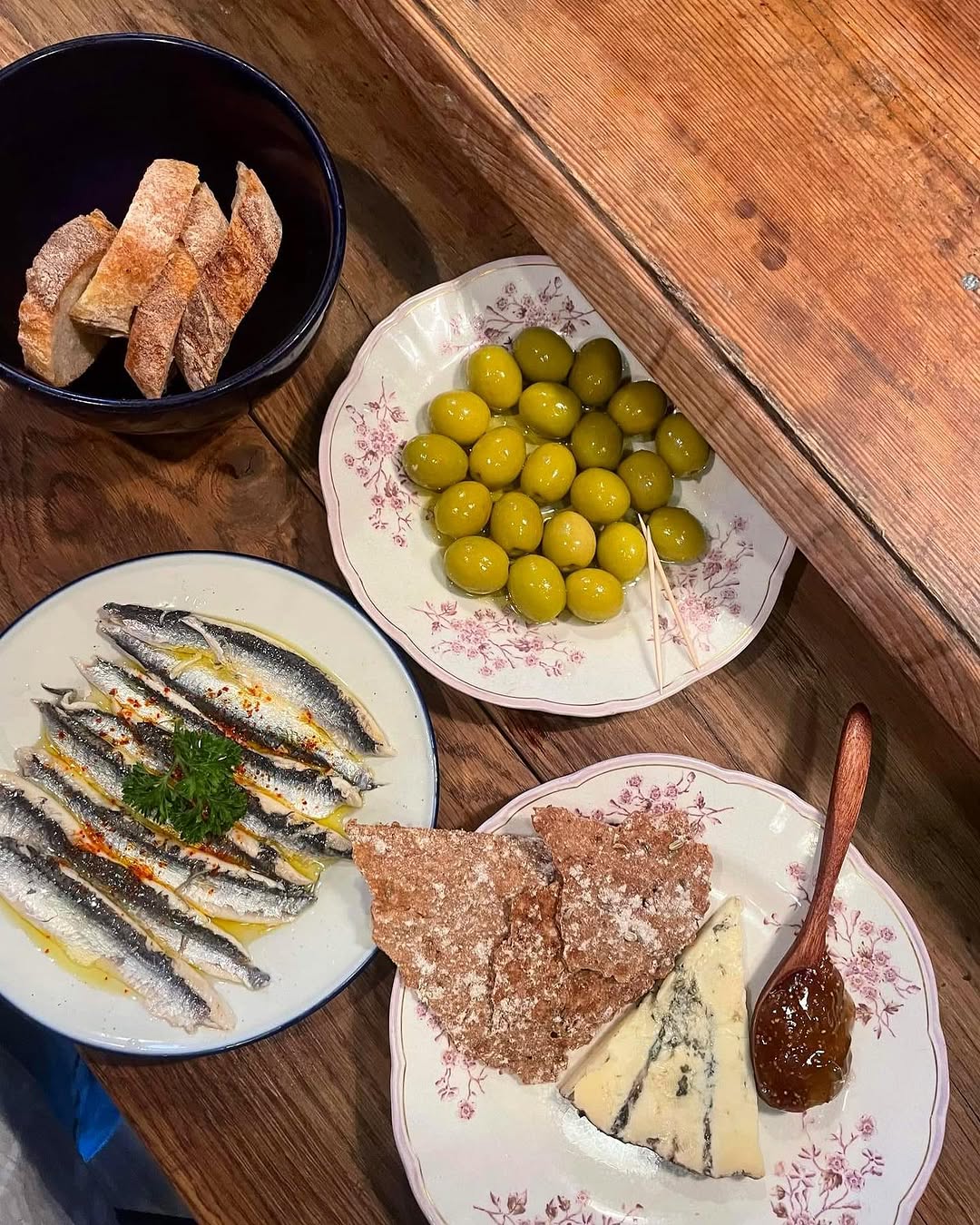
The bakery’s internal back wall is stacked with sesame rolls; cheese and rye wheat sourdough slices sandwich pesto cream and prosciutto; and pizza is served sizzling in the garden door hatch. Sweet treats aren’tforgotten; cardamon and cinnamon spiked swirls appear in the front cabinet alongside havtornsbulle (a citrusy, sour berry diffused into the typical dough) and overnight oat pots. Swim, or cliff jump at Rävstavik Bay before a 90-minute easy hike to the northernmost trail point on Ålö, connected to Utö by a small bridge. It’s on the more untouched Ålö that you can join one of the Stockholm Archipelago Trail Routes to Stora Sand beach and onwards to the family-owned restaurant Båtshaket, at the most southern tip of the island.

The archipelago’s proximity to the central city is nowhere more apparent than at the contemporary art gallery, Artipelag, located 20km from Stockholm at Hålludden on Värmdö and reachable by both public bus and ferry. Designed by architect Johan Nyrén, the wooden, window-packed exteriors and moss-covered roof fuse with the surrounding forest, ocean, and cliffs. The light streams through the glass inside, illuminating the extensive roster of exhibitions (from sunflower typography to the female artists who inspired Picasso’s oils). Hike around the wooden boardwalk which wraps around the coastline, woodland, and sculpture park, and naturally, for a gallery rooted in the archipelago, stop off in a cove for an all-sea horizon dip. This is the archipelago at its prime.

Hannah Rees-Middleton
Wild swimming. Natural wine. Excellent exhibitions. And glorious country walks. These are a few of our editor Hannah Rees-Middleton’s favourite things. Whether she’s bouncing around Mexico, paddling through the Kenwood Ladies’ Pond or ogling another mound of butter at a fabulous supper club, Hannah is always in the midst of something cool. A consummate planner, a lover of beautiful things, a traveller never without a camera and a deck of cards. Hannah is many things (including the perfect resource for perfect travel tips).