Sicily’s wild isle: Pantelleria
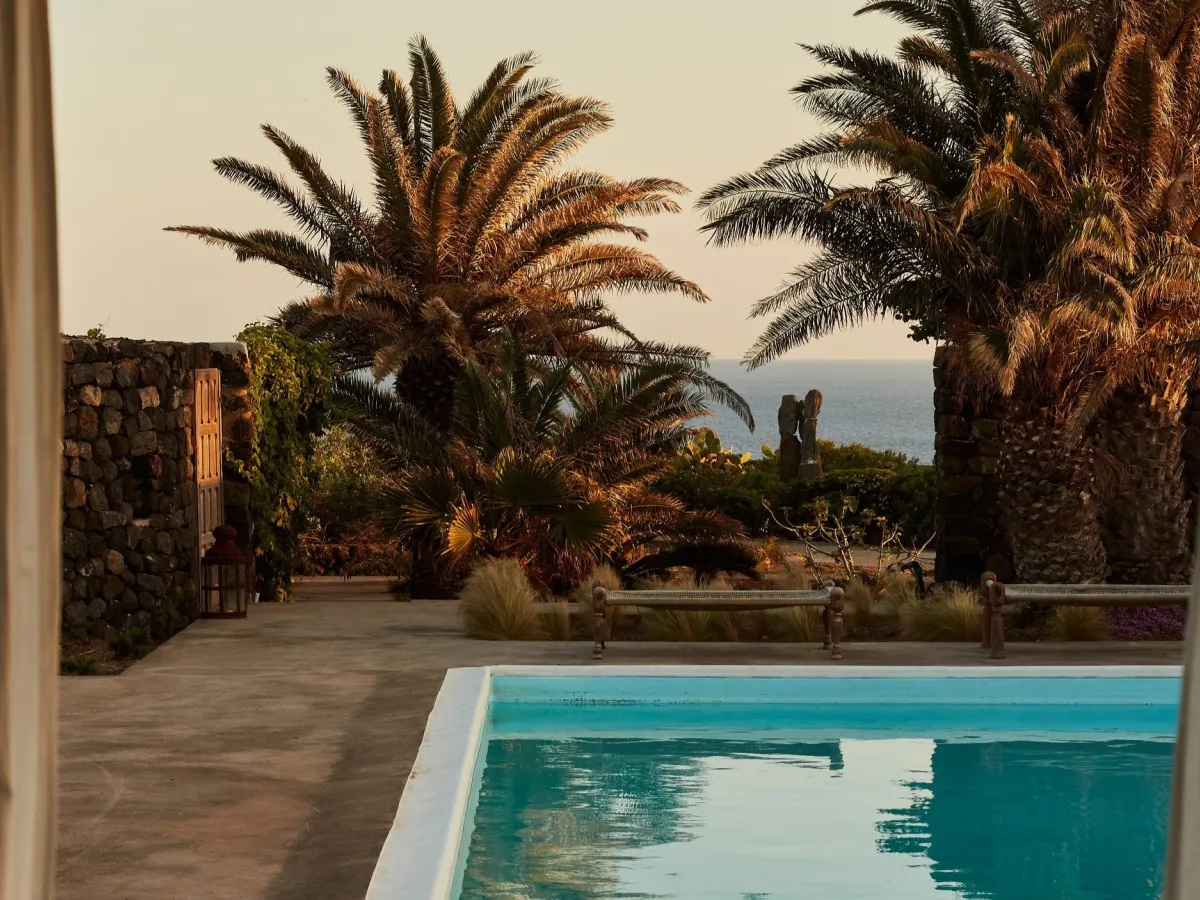
While Sicily’s Aeolian and Egadi islands steal the summer limelight, it’s the wild southern isle of Pantelleria that diverts a creative crowd. Flights from Milan open in the spring, when wildflowers blanket the volcanic island.
The furthest of Sicily’s islands, closer to Tunisia, Pantelleria is not somewhere you might stumble across on the map, nor hear of much newness. It is windswept, wild and rugged (its name derives from the Arabic for 'daughter of the winds’), set adrift prickly hot volcanic rock that once sizzled into the sea to leave an almost lunar landscape. But its slow, steady thrum of a season (April to October) draws a creative crowd yearning to disconnect amidst its elements.
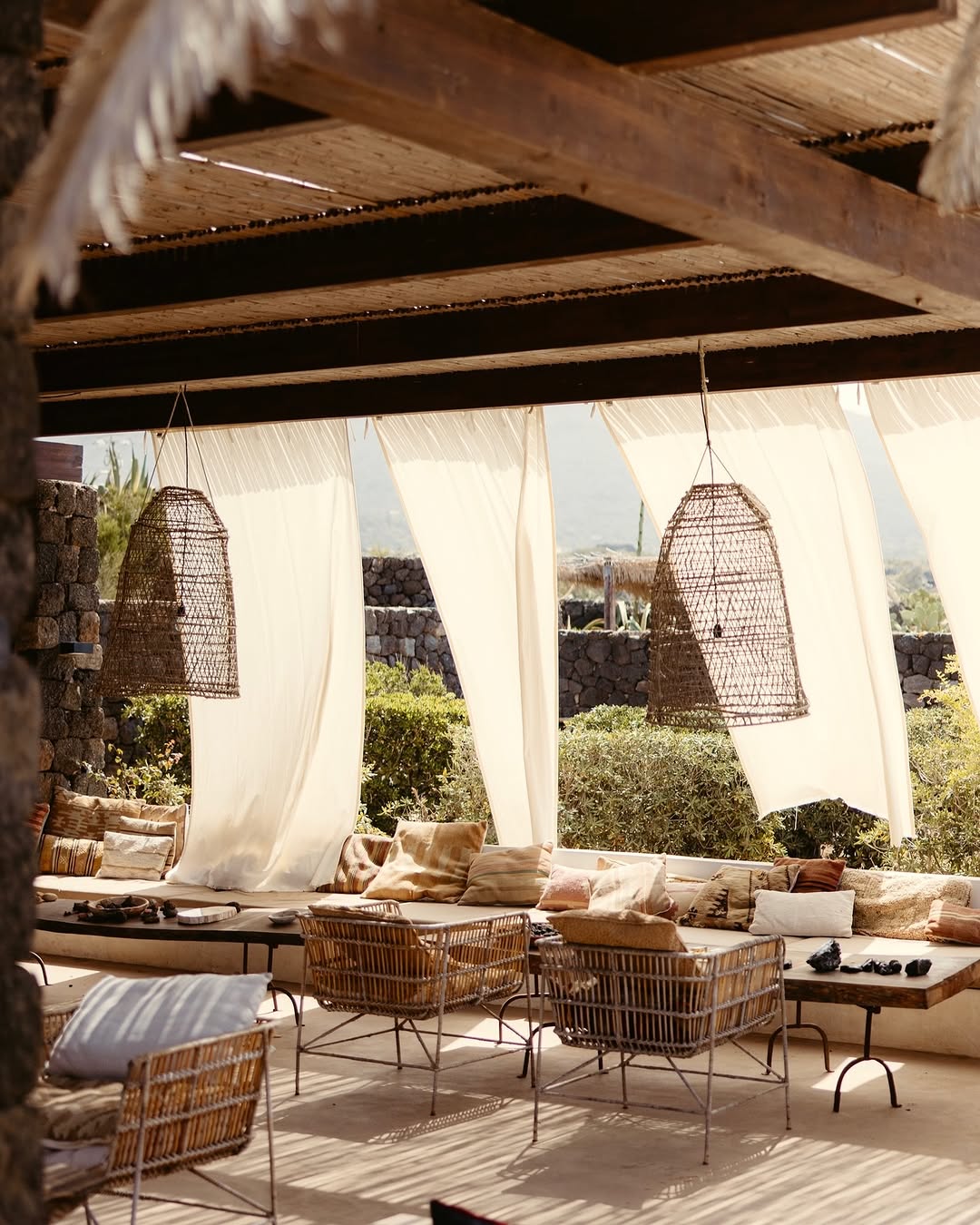
“There’s something about Pantelleria,” says Margot Panseca who met her husband Massimiliano on her first trip to the island, and fell in love in every sense of the word. “It’s a place that can trigger a lot of emotions.” So much so that the pair never left. Surrounded by caper fields overlooking the sea, at the foot of the pine-covered Montagna Grande, the couple’s home-turned-hotel Parco Dei Sesi was six lovingly laborious years in the making. The summer retreat of Massimiliano’s father, an artist from Milan, in the seventies, the place had gone to ruin before the couple decided to breathe new life into it. “We were both looking for a fresh start and a new way of life - somewhere to regenerate and reboot and be connected to nature: the sea; the air; the green land,” says Margot, a former model agent from Paris. “But because the property is so big, we slowly developed to become a hotel and retreat that reflects the way we live.”
Rooms are layered with antique furniture, ceramics and African art sourced by Margot on her travels. “It’s a very long journey for a piece to get to Pantelleria but if we like it because it has soul, we will find a place for it.” Among them are pieces from the hotel’s annual artist’s residence programme that has hosted British figurative artist Alexandria Coe, who reimagined the rooftop as a canvas, and photographer Anna Roschatt, whose book on the island is coming out later this year. Farm-to-table food is treated as an art form of its own, with simple, seasonal ingredients elevated. “Our tomato sauce!” exclaims Margot. “With the tomatoes grown on our farm, handmade mollica pasta and muddica atturrata (toasted breadcrumbs). It’s exceptionally good – you really can’t compare it to anything else.”
While Parco dei Sesi sits in the north of the island, near the main port of Pantelleria, it’s the smaller pastel-coloured town of Scauri slightly further south that holds the magic. Up on the clifftop, a bell tower rises above the little square, while staggered vineyards descend to the sea. On the lane down to the port is Kayà Kayà, a rustic bar spilling out onto the harbour with the lively swagger of chic aperitivo seekers and beach dwellers who’ve spent the afternoon limpet-like on the rocks after lunch of grilled fish and caponata at barefoot-brilliant La Vela.
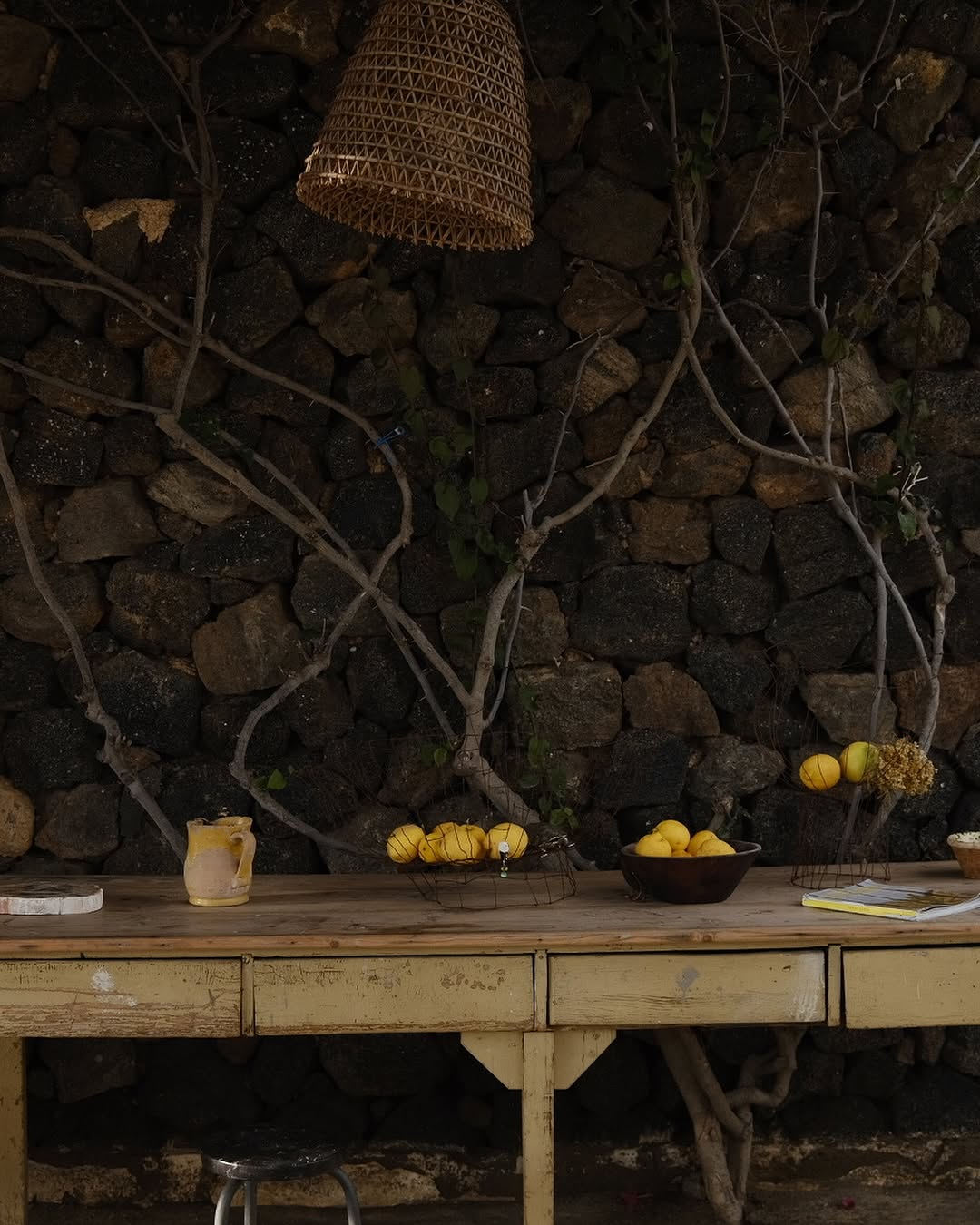
For a fine dining experience blending North African and Sicilian fare, five minutes up the hill from Scauri is Themà, the restaurant at hotel Sikelia, a former monastery reimagined by architect Gabriella Giuntoli, a local Pantesco also behind the design of the late Giorgio Armani’s house on the island. A fortified gold door gives the air of a Bond lair, and the island wouldn’t be a bad fit. Surrounded by vineyards (Sikelia has its own: Coste Ghirlanda; and Abbazia San Giorgio is worth a visit to sample the island’s orange wine), the hotel is on the hiking trails up to Montagna Grande, with tracks passing geothermal spas like La Grotta di Benikulà, a natural sauna in the rock. The most scenic route down is through the wild flowers and vines of Valle di Monastero, where zibibbo grapes grow in traditional sunken vineyards known as alberelli panteschi, a traditional bush-trained vine method developed to protect from the strong sirocco winds.
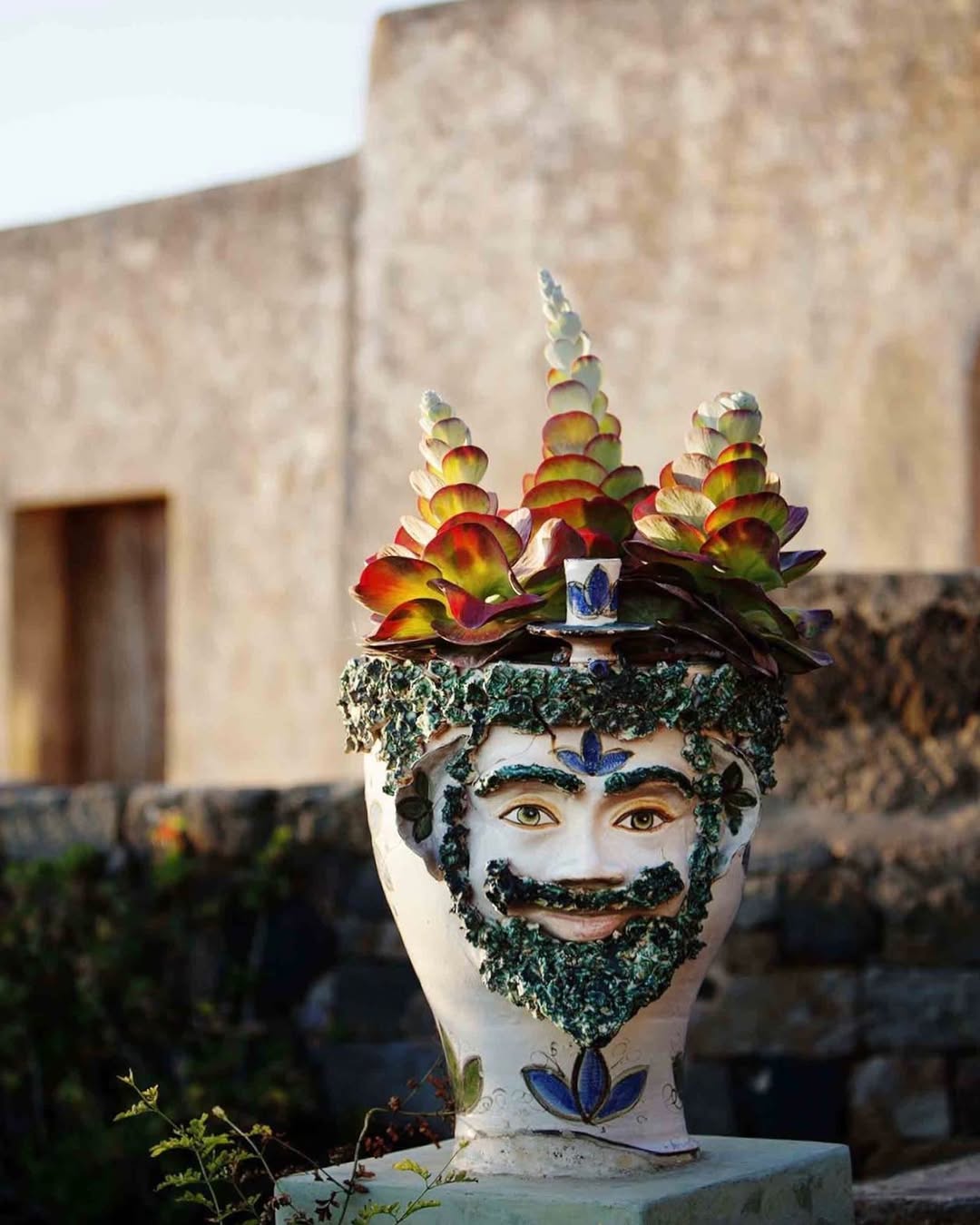
Follow the trail south past Scauri and you’ll meet the wild, palm-dotted estate of Tenuta Borgia, where domed dammusi rooftops riveted with thick white lines (a technique used to fix cracks) form stark silhouettes against the cobalt blue sea. The largest, and dreamiest, of the houses to rent here featured in the 2015 film A Bigger Splash, though you can take the estate in its entirety.
Not to be missed back in Scauri is deli-restaurant Dispensa Patesca to shop the island’s best capers, preserves and wines, and the tiny bakery that turns into a pizzeria out-back at the weekend. The pizzas are near-perfect and the view the same. Wander down the lane to Il Gelato di Ulisse for dessert and return to the bakery the next day to pick up tuna and caper sandwiches for a day on the rocks.
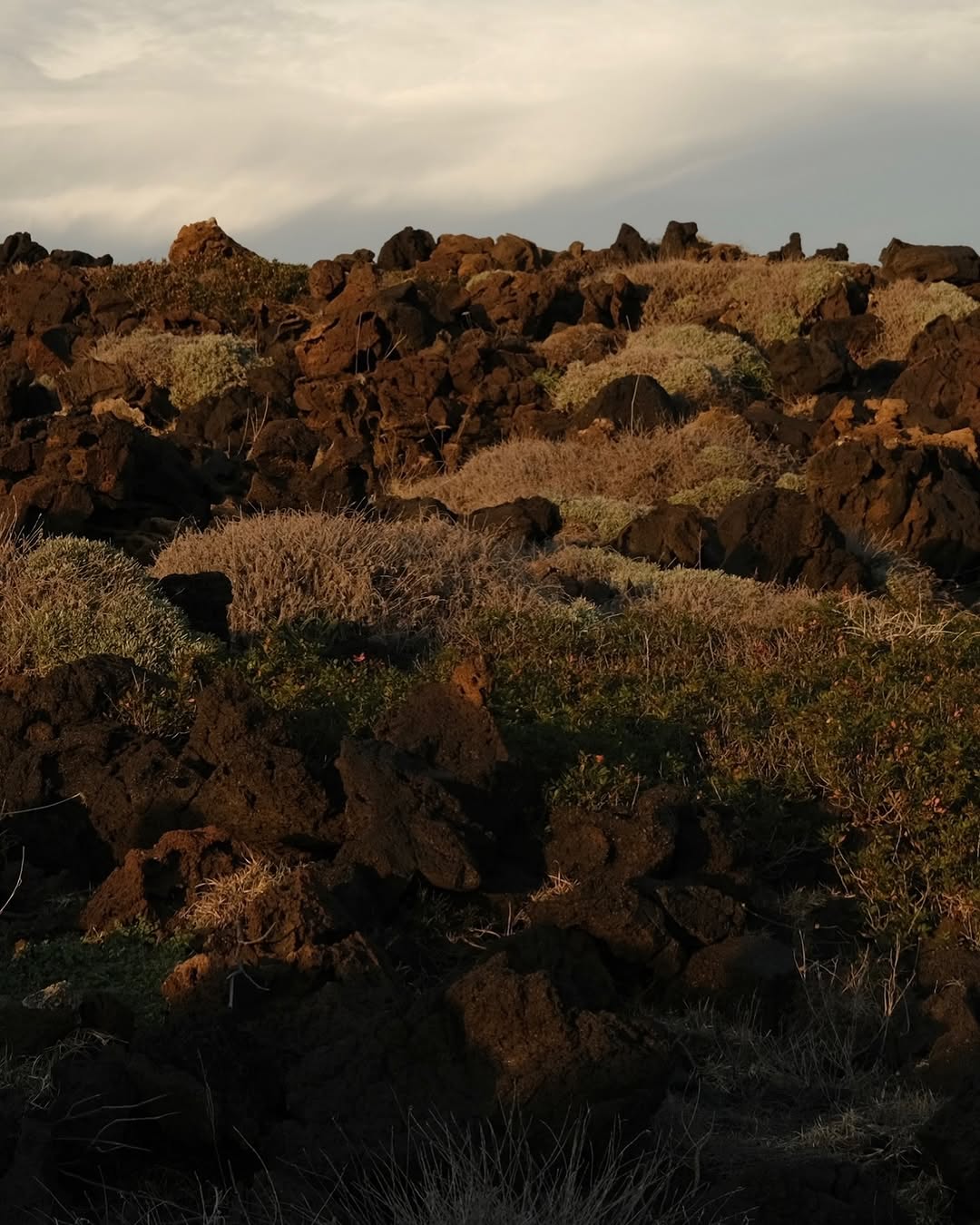
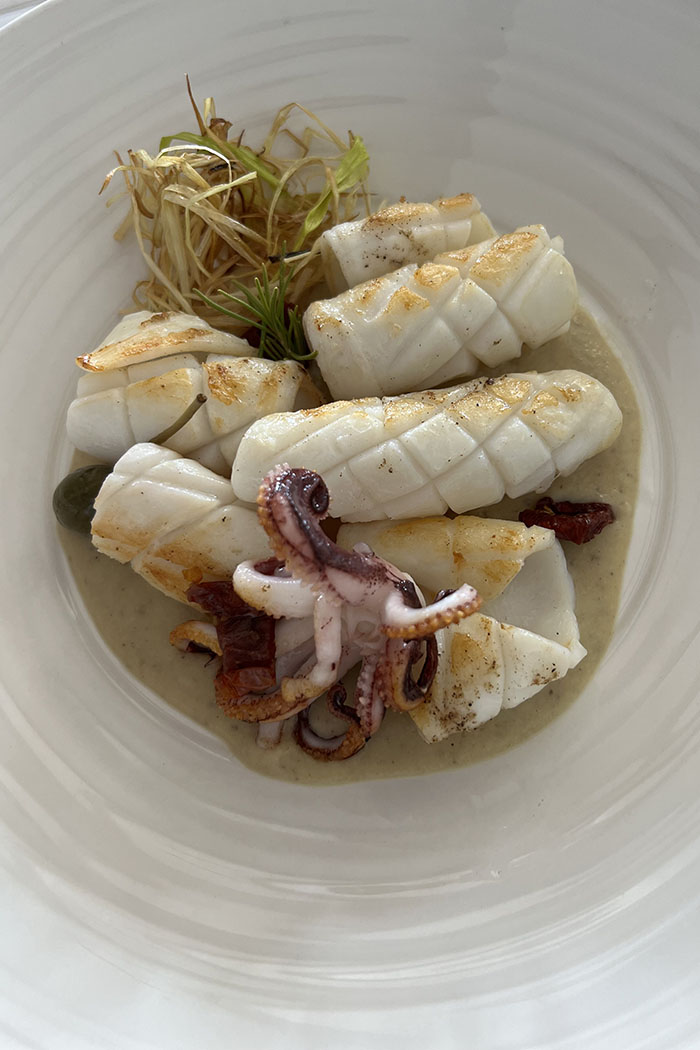
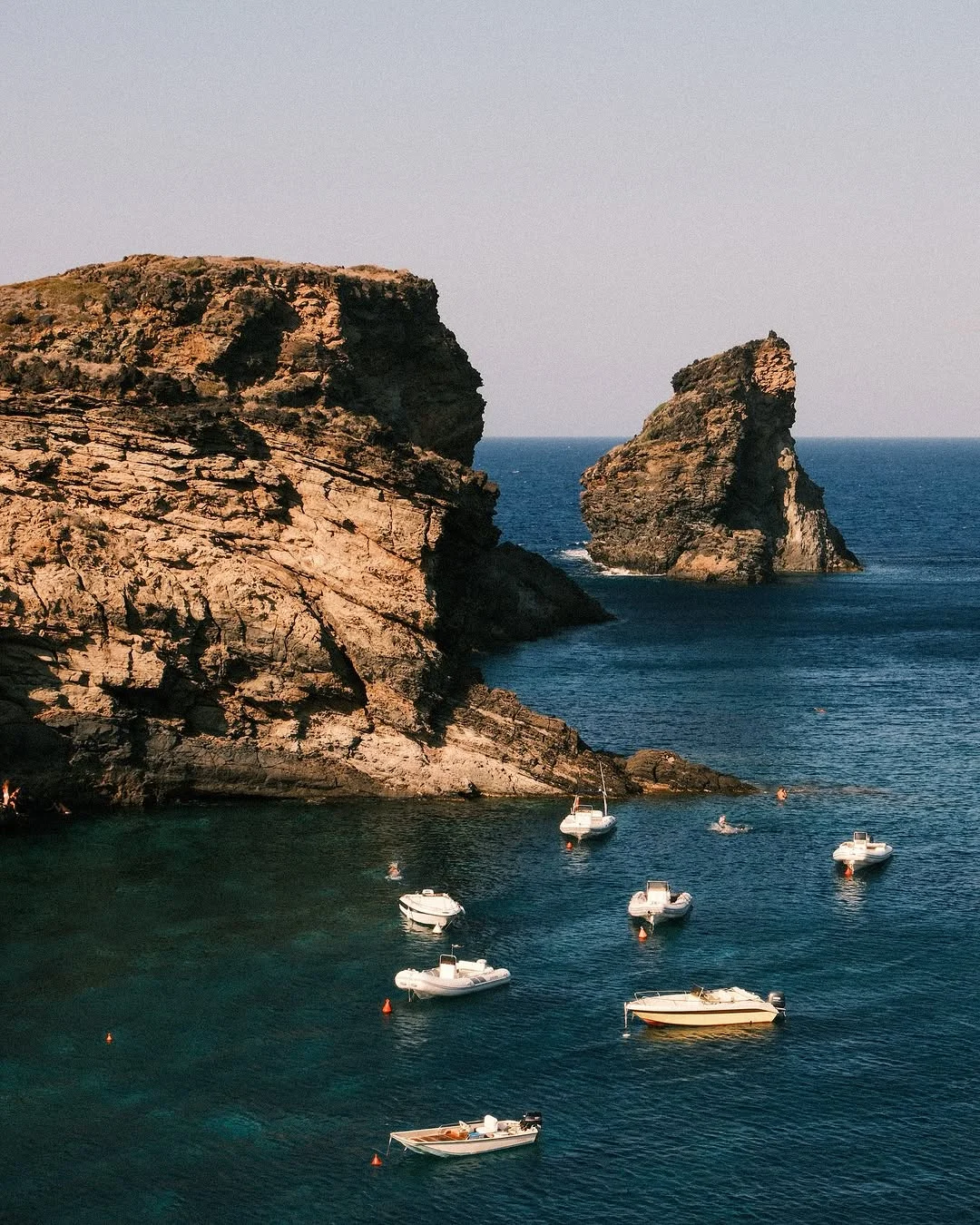
Rocks they are, beaches they are not. Banged-up Fiat Pandas descend determinedly down to bathing spots, while boats pootle from cove to cove, easily lapping the small island in a day. A favourite rocky crop is the dramatic Balata dei Turchi in the south, reached via a treacherous dirt track. Further east is Arco dell'Elefante – a jut of rock resembling an elephant’s trunk that shelters an emerald cove – and nearby Cala Tramontana where decking marks a popular sun trap. The spot for lunch on this side of the island is Il Principe e Il Pirata where catch-of-the-day, Pantesca salad and cold Passito wine is served on a blue and white terrace overlooking the sea. For thermal swims, there’s the hot rock pools of Laghetto delle Ondine or the vast Lago di Venere in the centre of the island, where bodies bask in thick medicinal mud.
Ruled by the elements in such a way, the island’s energy is wildly intoxicating. None more so than when the heat of the day subsides and sun-kissed silhouettes appear on domed rooftops to sip spritz and spectate the sun setting wide over Africa.
Alice Riley-Smith