oooooooh, Barracuda!
There is an untranslatable Portuguese word: saudade. It describes a state of longing and nostalgia. It weighs deeply on the passions and the hopes of those who live its complexities.
When talking to São Paolo-born Juliana Ghiotto about Barracuda, her hotel that lies on the coast of Itacaré in rural Brazil, her voice and words are filled with saudade. “I am not a manager that’s been hired by some fund to run the place…I live and breathe Barracuda.” She reminisces about the story of how she got here, but she is also full of ambition for the hotel’s future. Whilst her eye is on the smallest detail, she has big-picture plans.
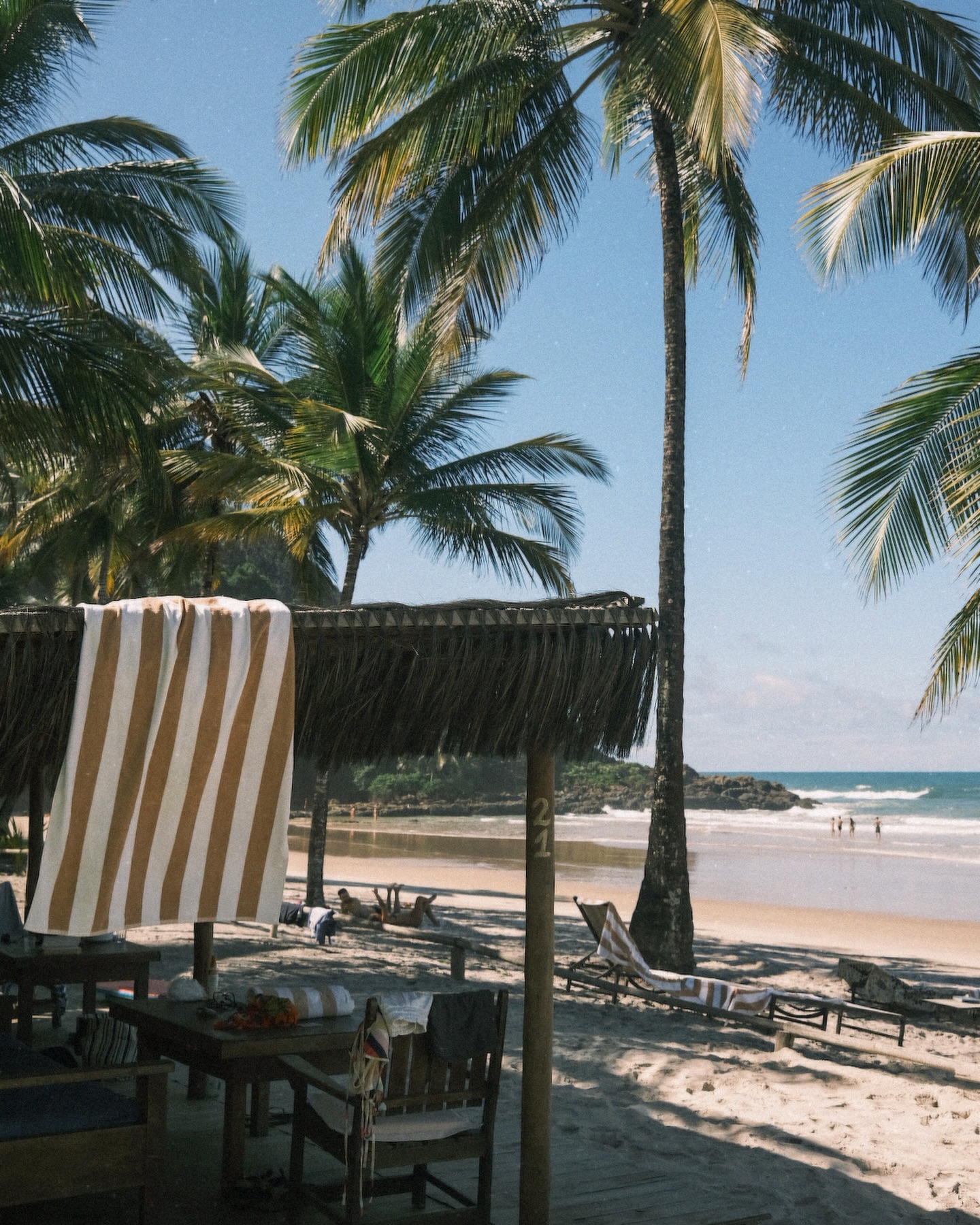
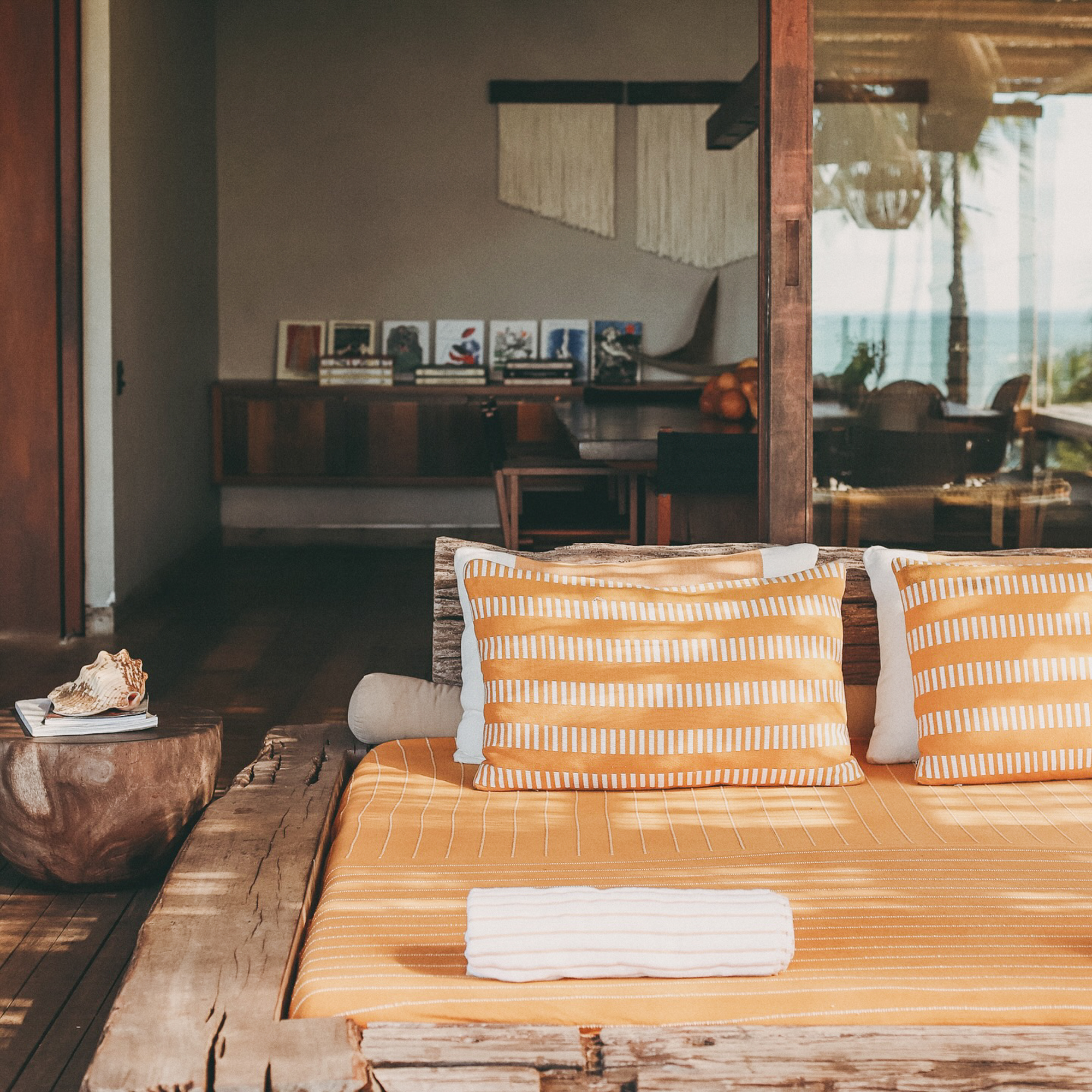
In 2004, Juliana found herself on the so-called Cocoa Coast for a week-long holiday away from a fast-paced city life. She fell in love with a local surfer. One week with Daniel turned into a lifetime together. After growing new roots, Juliana connected with a group of Swedes, who had become equally enchanted with Itacaré. They had purchased a 26-hectare plot in front of the fisherman’s bay and had plans to construct a private holiday home for the Europeans who returned devoutly each year.
A longing of their own had developed. Juliana was put in charge of the project, and plans for a hotel naturally unfolded. Now, 10 villas, 17 bedrooms and a future organic garden, gym and hive of bungalows make up the property. Juliana is the bridge that connects two worlds—the Swedish investors and the residents—though the bridge is not always an easy one to cross. “Barracuda is a translation of multiple cultures,” affirms Juliana. Its soul is staunchly Brazilian—or, rather, Bahian— and it’s built in the heart of Itacaré using only local materials. It’s also run by those who either grew up on its soil or have chosen it as their home. At the same time, its attitude is Swedish; a cool Scandinavian aesthetic presides throughout.
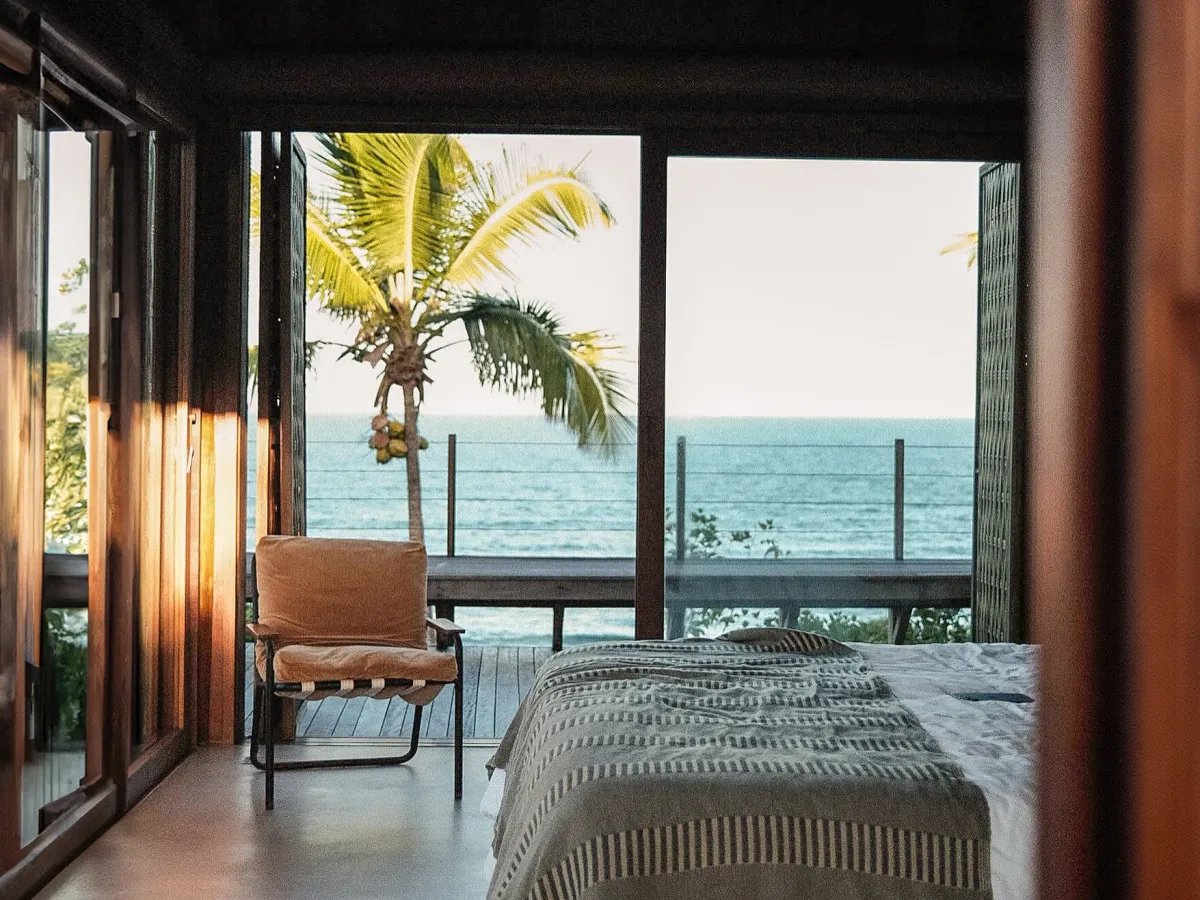
I saw her look beyond the computer screen where I was projected, out toward the sea. She was conducting our Zoom interview on one of the terraces of Barracuda’s suites which overlook the rolling waves and swaying palm trees. “Emotions, lots of emotions,” she eventually replied. There is no doubt that Juliana’s love for the hotel runs deep. Why? It is more than barefoot luxury and off-the-beaten-track adventure. It is also a generator of community service, an engine for sustainable living, a blueprint for the future tourism industry in Brazil and a space for giving back. Building this legacy is no mean feat, and it requires Juliana to balance many moving parts. The challenge is to grow the business without sacrificing the philosophies that define its success.
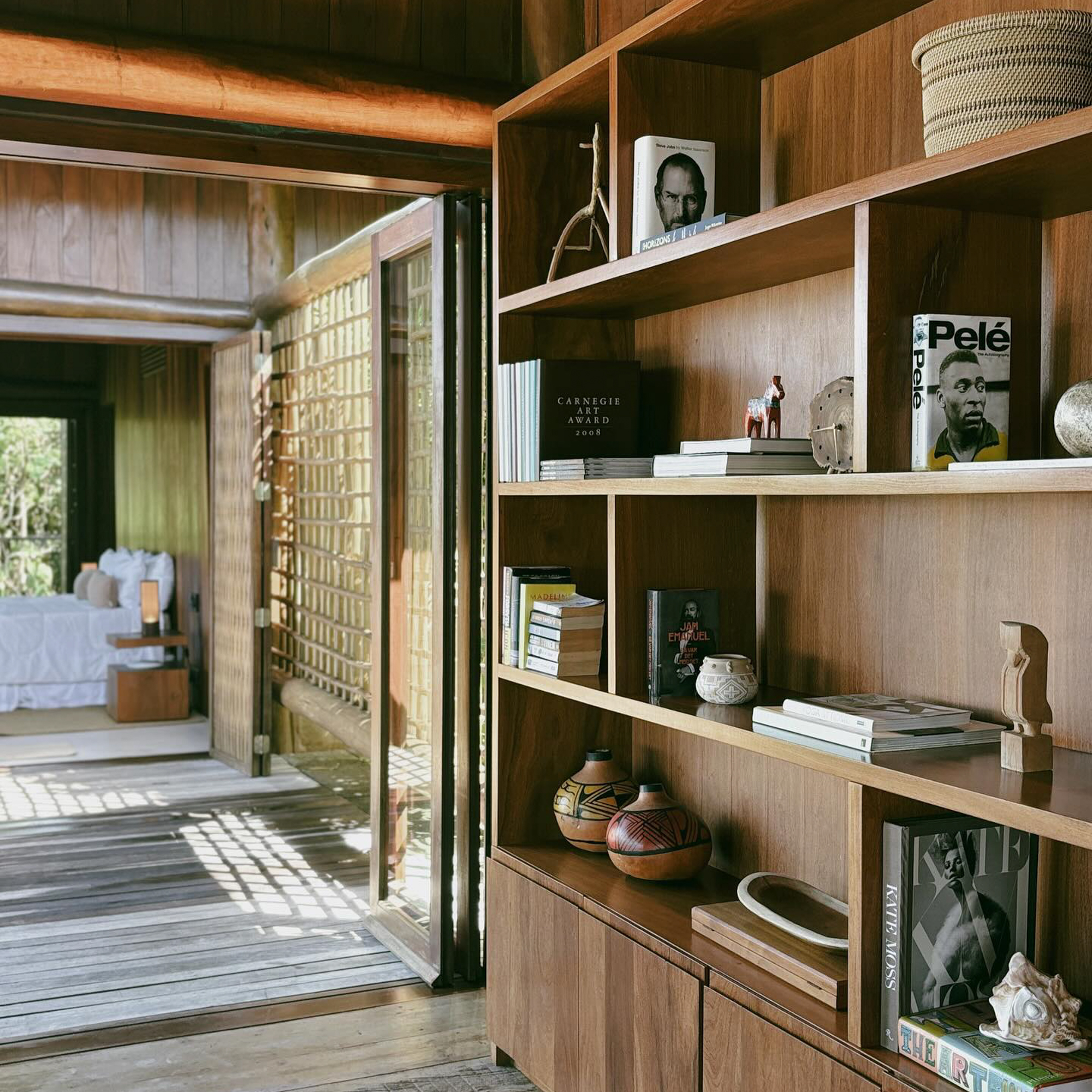
Sustainability is one of Barracuda’s principal philosophies. Her mother makes the toiletries from indigenous products; chefs cook with historic techniques and ingredients from the surrounding land and sea; Itacaré hands build design elements. This 0-kilometre approach feeds into a model of exclusivity. People must come to Barracuda to experience it, and they are arriving in droves from far flung places to do so.
This level of hospitality is not common in Brazil, especially in the more remote parts. Barracuda is blazing the trail for the country’s tourism sector. “I’m not looking at Barracuda’s future but rather Brazil’s future,” says Juliana. Forget soulless resorts. Rather, she wants to encourage independent hotels that are kind to both nature and the population.
Launching herself into Barracuda’s world before the idea was even fully formed was daunting, but Juliana never faltered. “I know myself very well. I knew when I accepted this project that I was going to breathe it. I saw the potential, and I was going to launch myself into it. I learned everything from Daniel and the local people.” Her efforts to avoid bulldozing the harmony and authenticity of Itacaré are paramount. Employing Itacaré’s residents at the hotel was a goal, yes, but she is equally interested in the town’s social initiatives. In 2021, Juliana established the Yandê Institute Itacaré, a nonprofit organisation that funds regional projects focusing on social or environmental issues. The institute’s investment lifts them off the ground and offers Itacaré’s entrepreneurs otherwise elusive opportunities. “You don’t just give the man fish; you teach him how to fish,” says Juliana.
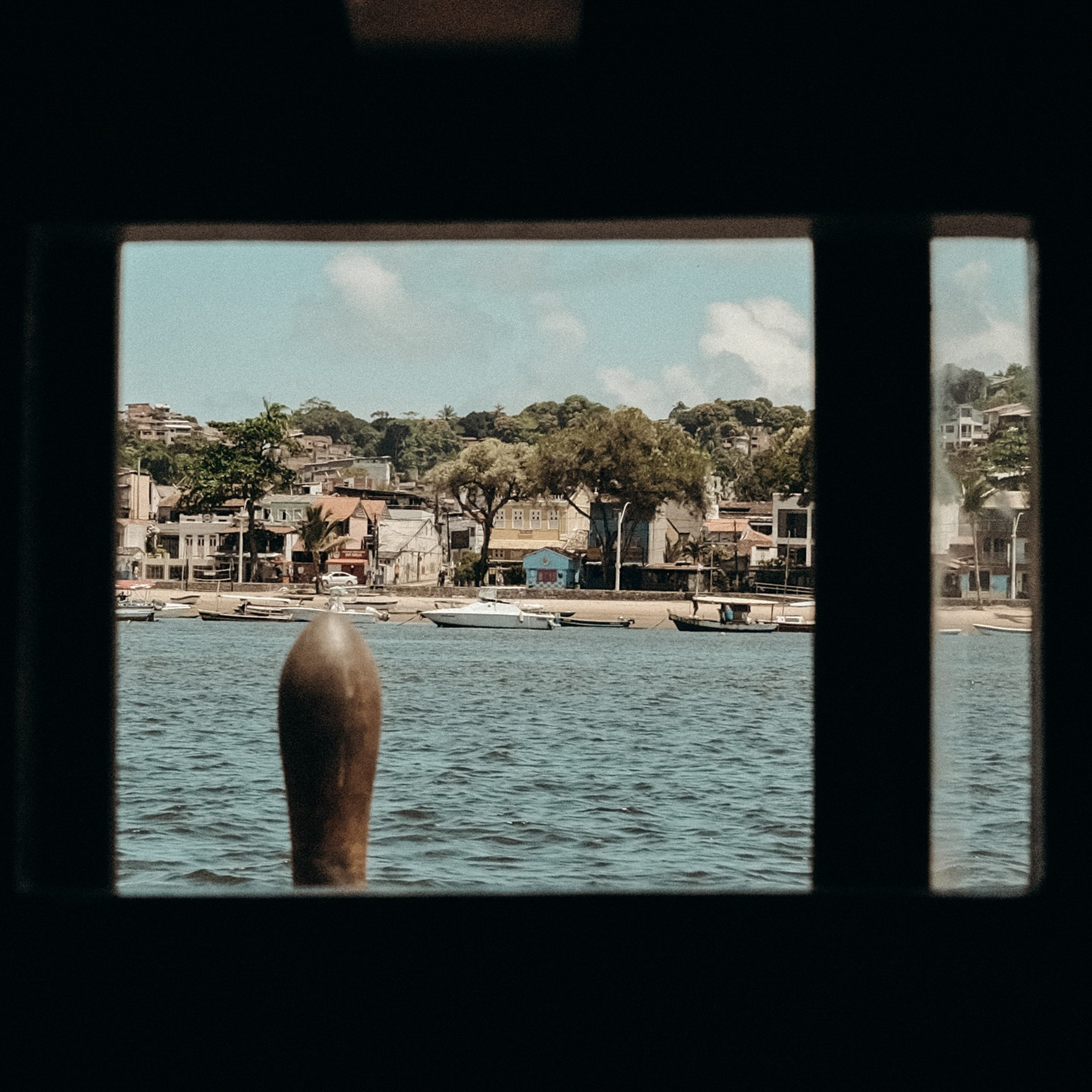
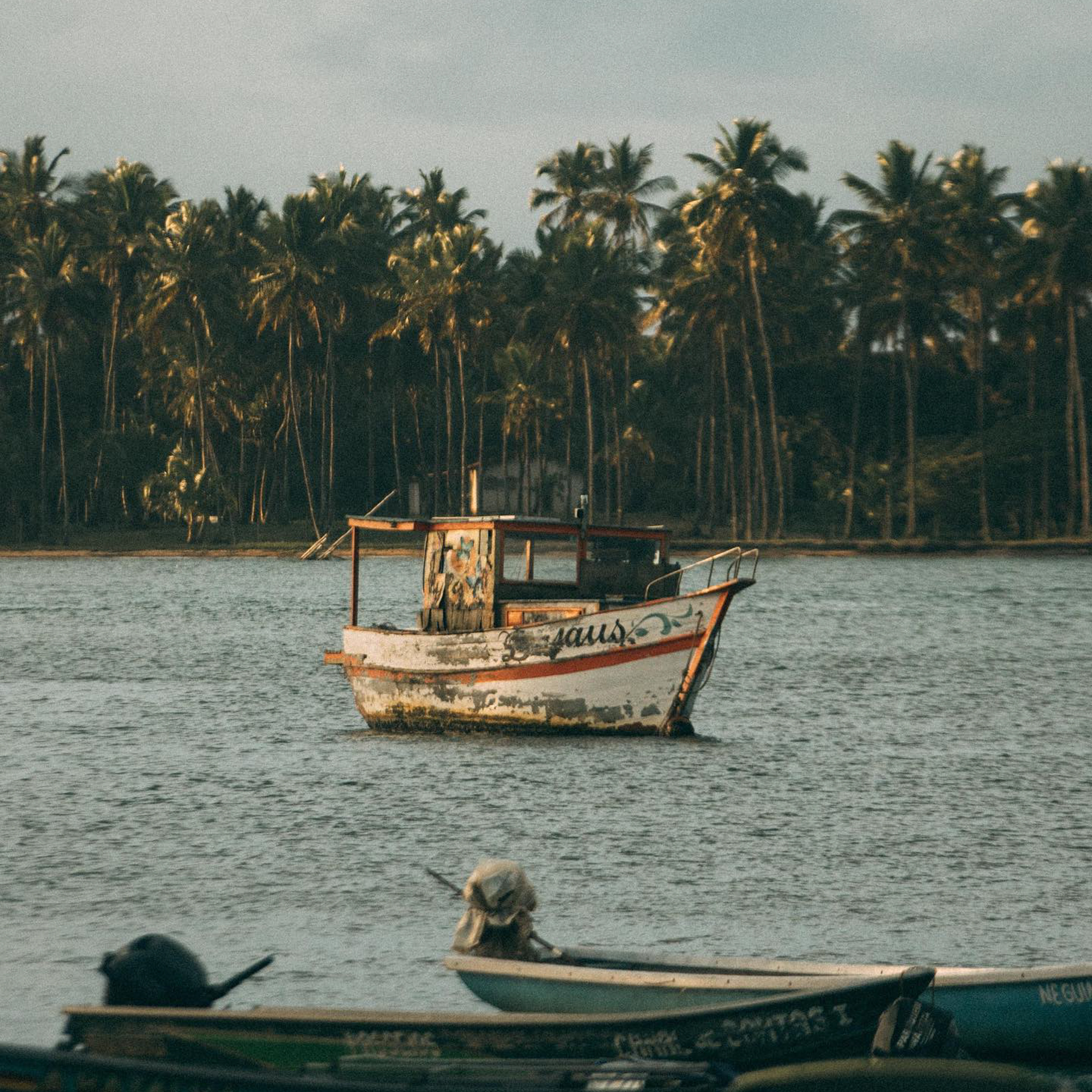
The name ‘Barracuda’ was chosen to reflect the coastline the hotel skirts. This marine lifestyle is so vital for Itacaré. The town is defined by its fishing and surfing cultures, and this Brazilian-Swedish project integrates rather than oppresses. The barracuda fish is known for its willpower, its patience, its tenacity and its courage. Just like Juliana.
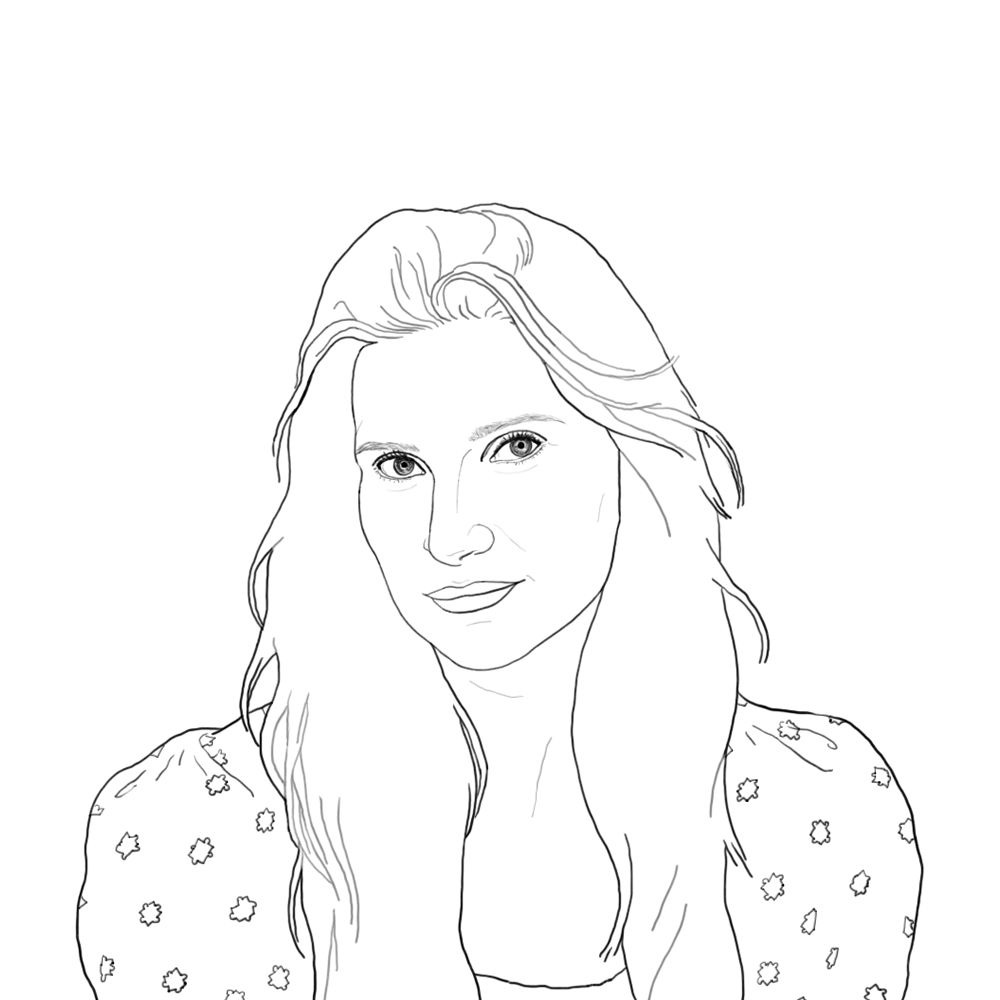
Antonia Thomas
If you ever get the chance to travel with Antonia – particularly to Italy – consider yourself lucky. Relaxing trips are not in her holiday vernacular; instead, she uses her time off to explore deeply, to understand a place to its core. In short, she loves getting “stuck in”. A writer and Villa Specialist at The Thinking Traveller, Antonia’s always unveiling undiscovered gems and revealing untold stories. With a camera, a book, a pen and an overflowing suitcase in tow, this Londoner’s ready to dive into life in Italy or India, Costa Rica or Colombia. Come to Antonia for the greatest of tips for galleries, great wine and gustatory delights.