Australia’s best kept secret
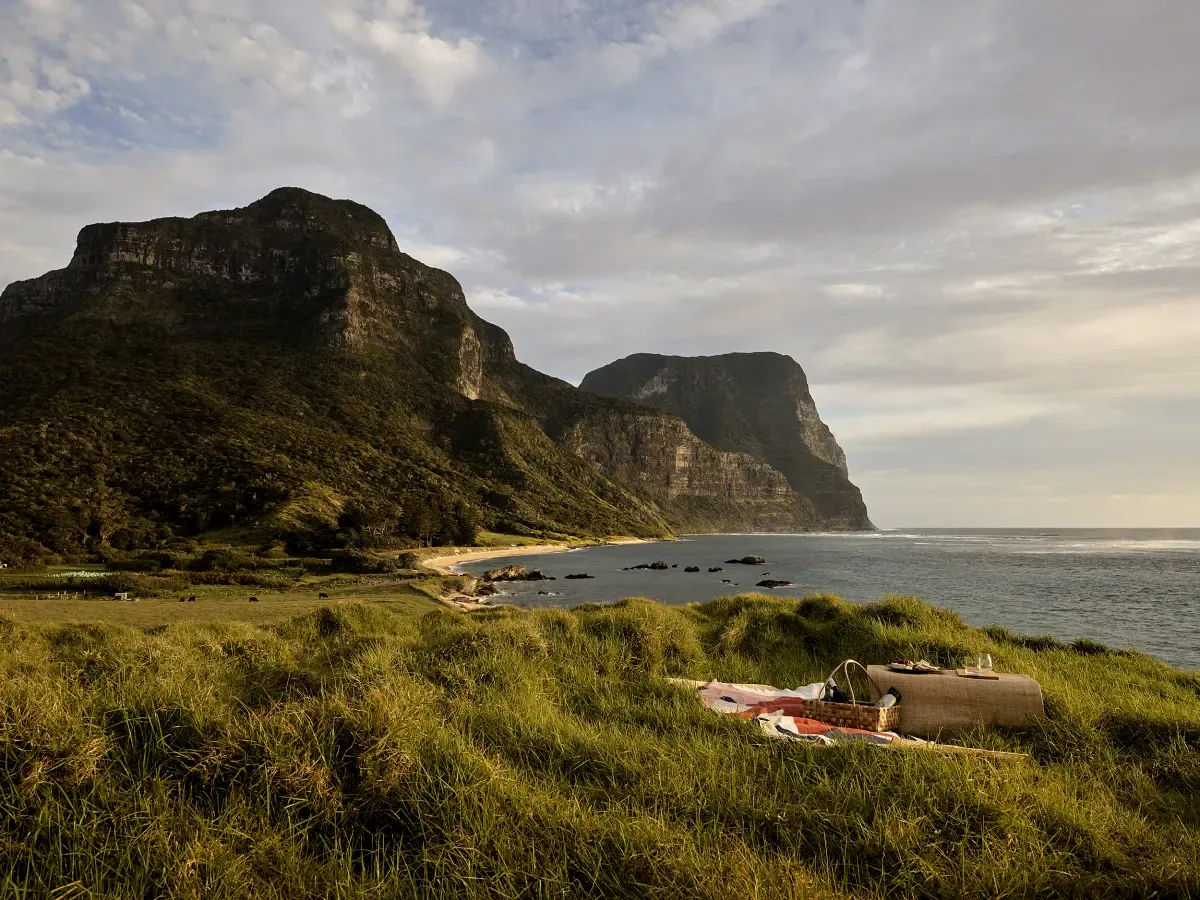
Just two and a half hours from Sydney, a small turboprop dips low over the Pacific before touching down on a runway that appears almost level with the ocean. From the window, the island reveals itself as a slash of green rising from cobalt water: volcanic peaks, crescents of pale sand and a lagoon that shifts from turquoise to deep ink blue. It’s a landscape that feels more South Pacific than New South Wales. Yet it sits just off Australia’s east coast, hiding in plain sight.
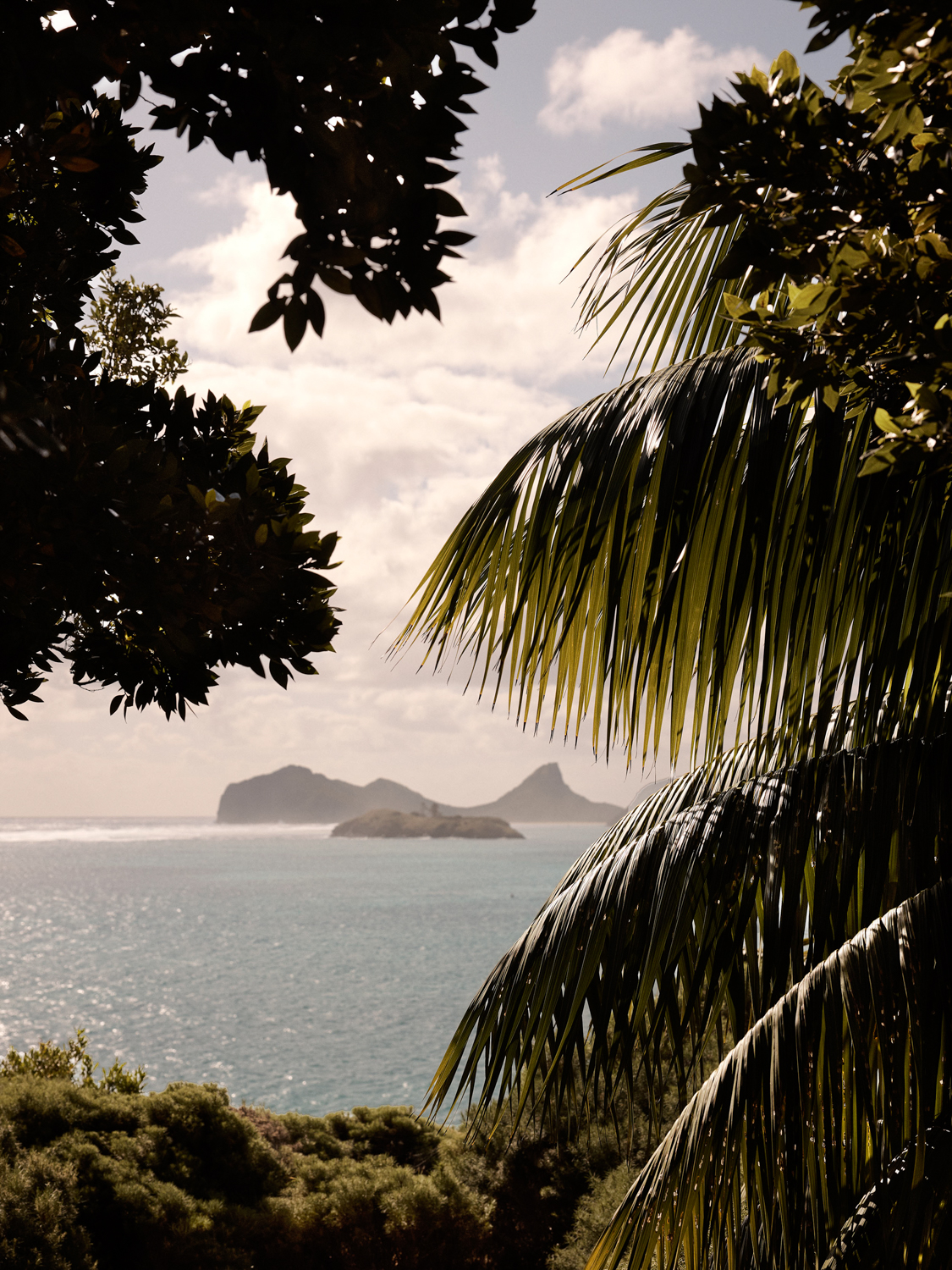
Lord Howe Island is one of Australia’s most tightly protected places. Listed as a UNESCO World Heritage site for its rare ecosystems and extraordinary biodiversity, the island is governed by an unusually strict rule: only 400 visitors are allowed at any one time. The result is a kind of accidental exclusivity. Flights are limited, accommodation is scarce, and the usual sprawl of holiday rentals simply doesn’t exist. There are no Airbnbs, no big resort chains, no creeping overdevelopment.
What you get instead is something that feels almost like a private island: a landscape carefully protected and preserved. Life moves to the rhythm of the tides. Bicycles lean against pandanus trees. Kentia palms – native to the island and once exported around the world as fashionable houseplants – rise from ancient forests and arc over the island’s narrow two-lane roads. Even in the height of summer, it rarely feels crowded. Most visitors stay at the island’s best-known address, Capella Lodge, the luxury nine-bedroom hotel perched above the lagoon. But tucked into dense subtropical gardens on the island’s northern end, Island House feels quite different, less like checking into a hotel and more like staying at a stylish in-the-know beach house.
Island House sits beneath a forest of ancient, knotted banyan trees on the island’s northern end, a short bike ride down to Ned’s Beach where the water is calm and fish gather thickly in the shallows. Completed in 2021 after a five-year build, the retreat comprises two two-bedroom houses – North House and South House – connected by terraced courtyards and designed by father-and-son duo Michael and Timothy Maxwell in collaboration with Derive Architecture and Design. The houses can be taken together by one group or cleverly split.
The Maxwells have deep ties to the island. Tim, a former Sydney small-bar owner turned hotelier, moved to Lord Howe with the idea of creating accommodation that felt contemporary yet grounded in the island’s landscape. Rather than building something overtly shiny and luxurious, the Maxwells leaned into restraint. “The guiding principle of Island House is timelessness,” says Maxwell. “We tried to curate everything with that in mind – pavilion-style architecture, mid-century design, and objects with a story behind them”
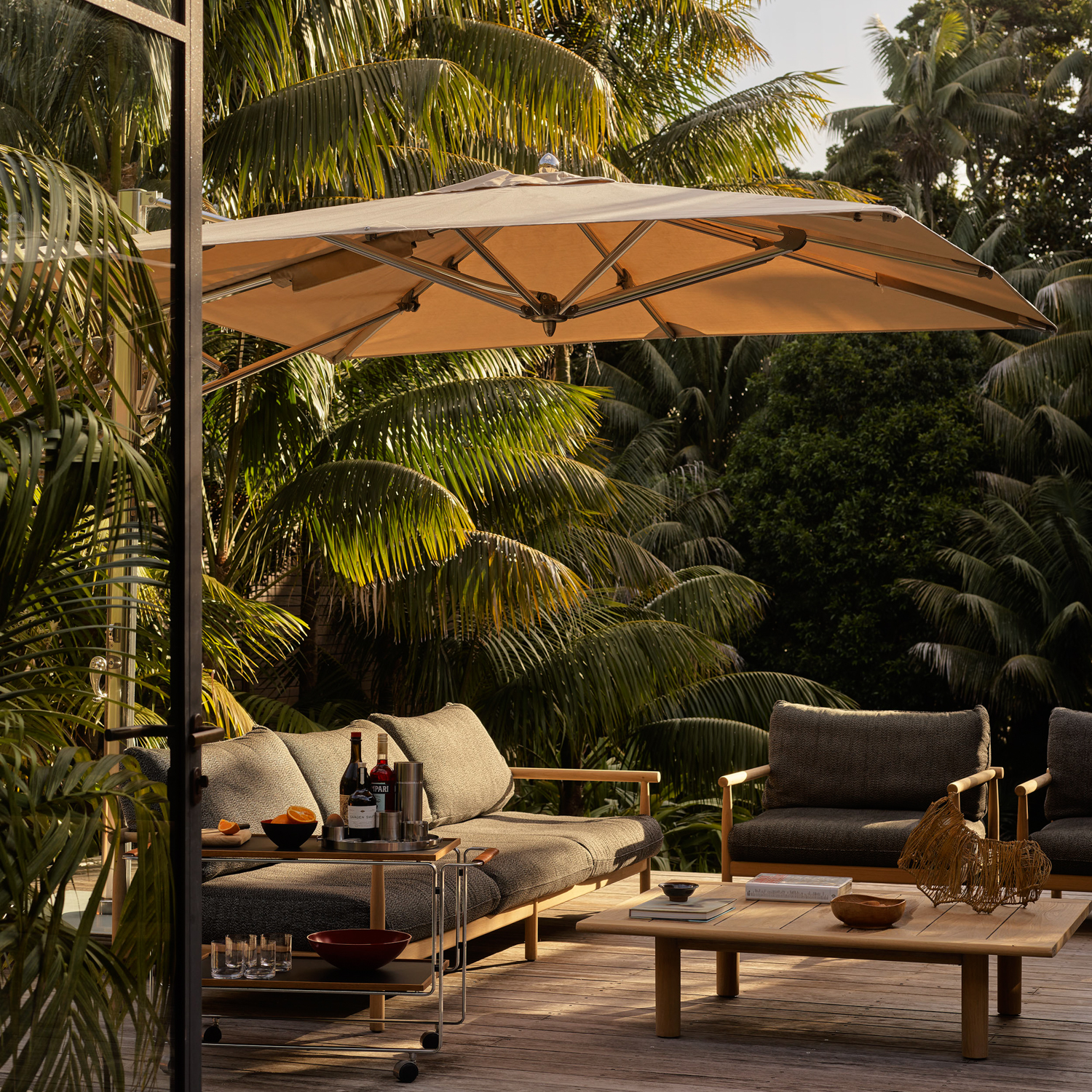
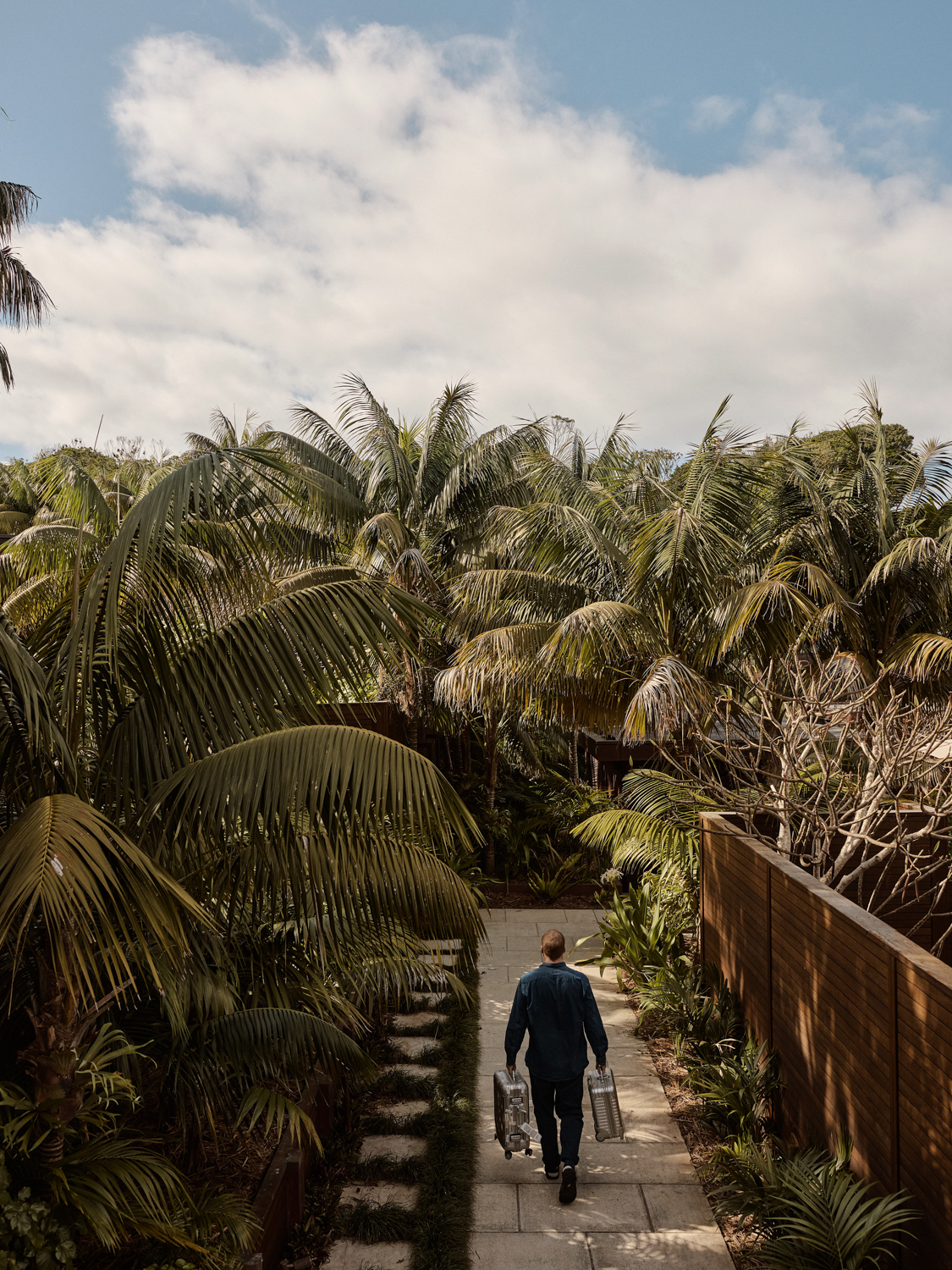
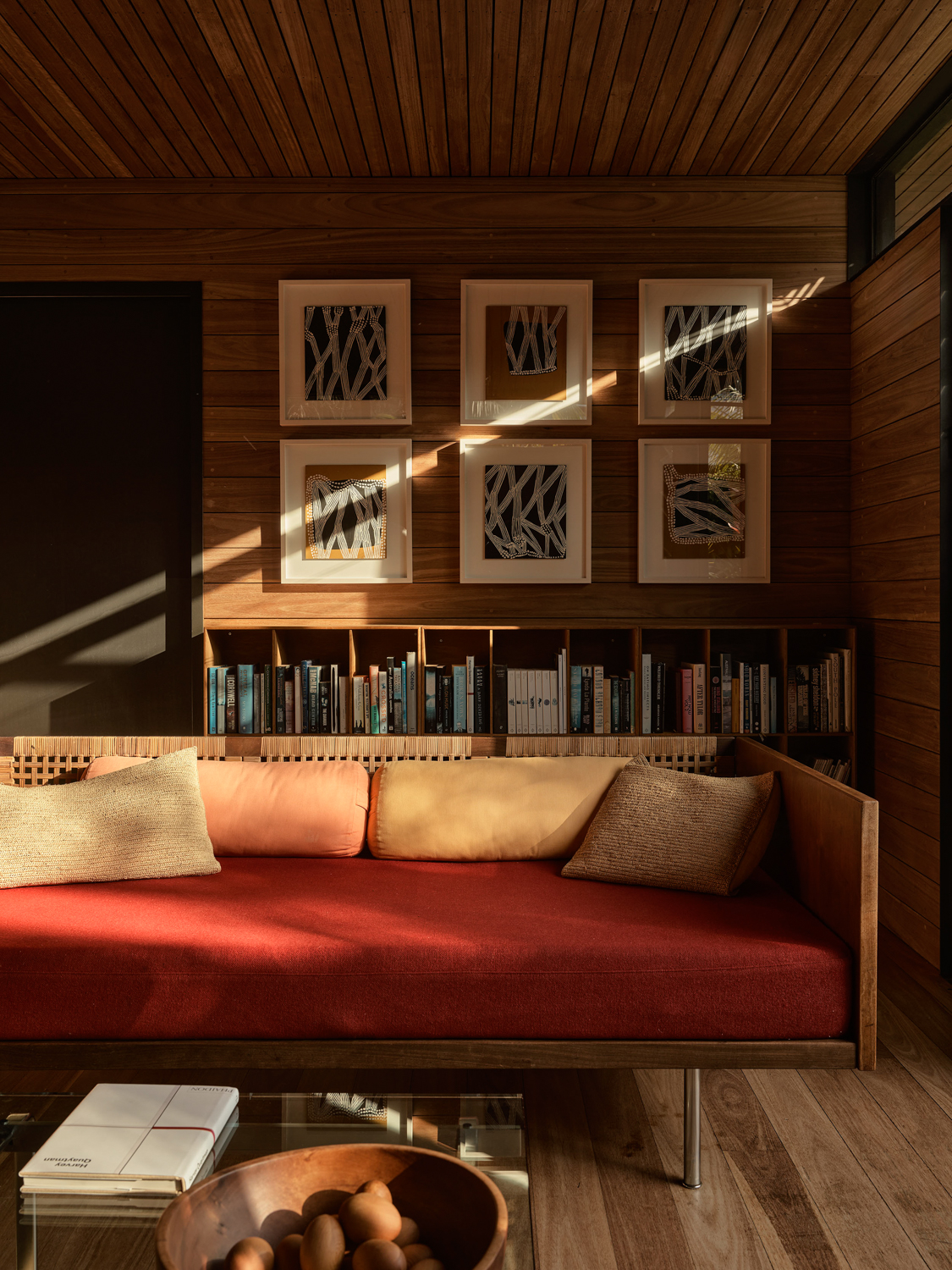
The houses sit lightly on elevated platforms, allowing the terrain beneath them to remain largely untouched. Their low-slung architecture draws on the relaxed mid-century tropical homes that once dotted Pacific islands. Each house is airy and understated: wide timber decks, louvered windows that funnel in the breeze, sturdy timber floors and breezy bedrooms opening onto gardens thick with frangipani and kentia palms. Copper bathtubs and expansive decks look out over the forest canopy.
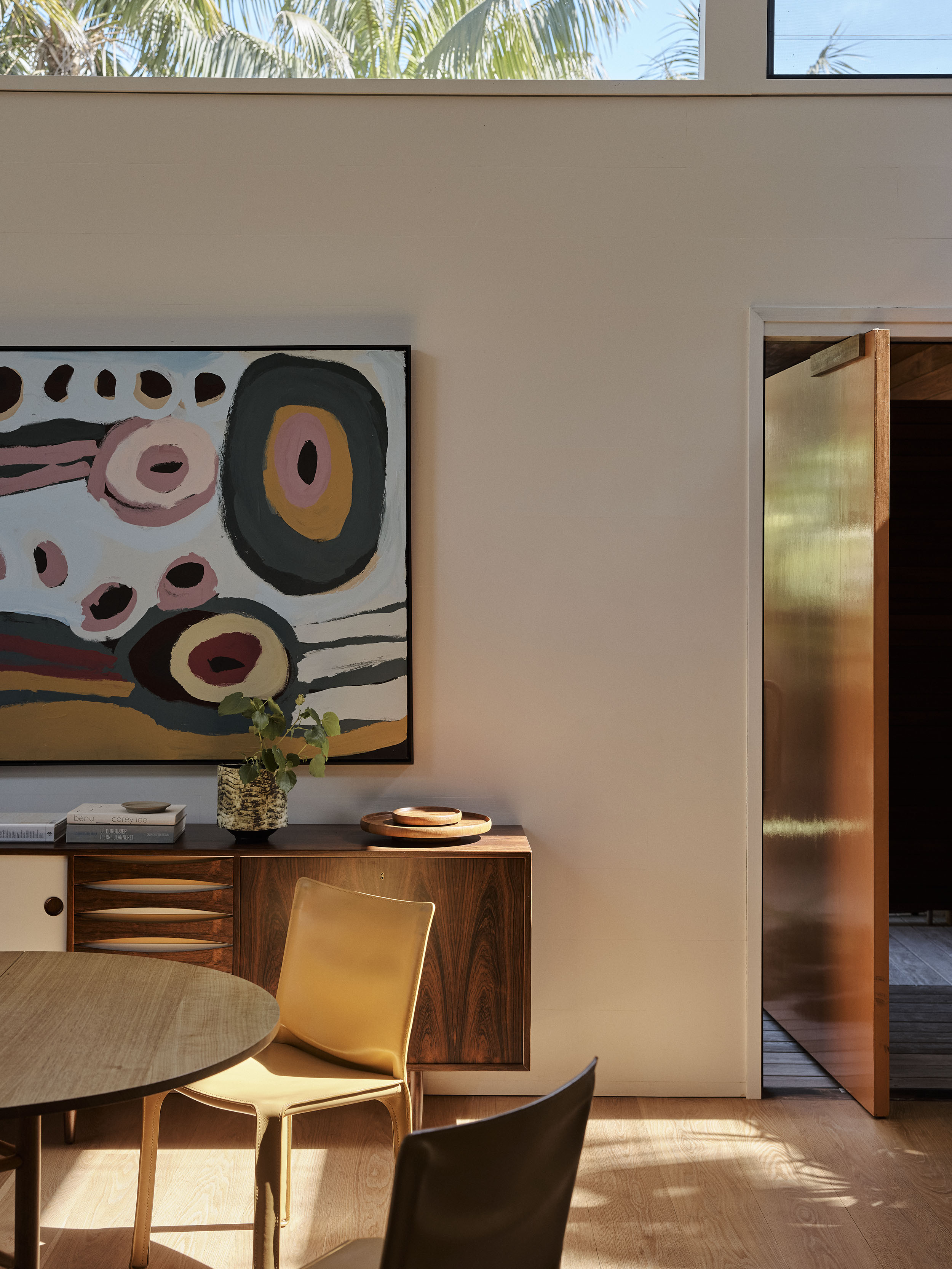
Inside, the design shifts subtly toward a mid-century Scandinavian sensibility. The Maxwells sourced original Danish furniture in Copenhagen – pieces by Hans Wegner, Poul Kjærholm and Finn Juhl – which sit alongside oak cabinetry, steel tops and ceramics discovered in Kyoto’s laneways. High-fidelity audio systems and shelves full of dog-eared books complete the sense that this is as much a private residence as it is a place to stay. Peppered through the house is a substantial collection of Indigenous Australian works gathered by the Maxwells through relationships with artists and communities across the country, including renowned artsits Regina Pilawuk Wilson and Katjara Butler.
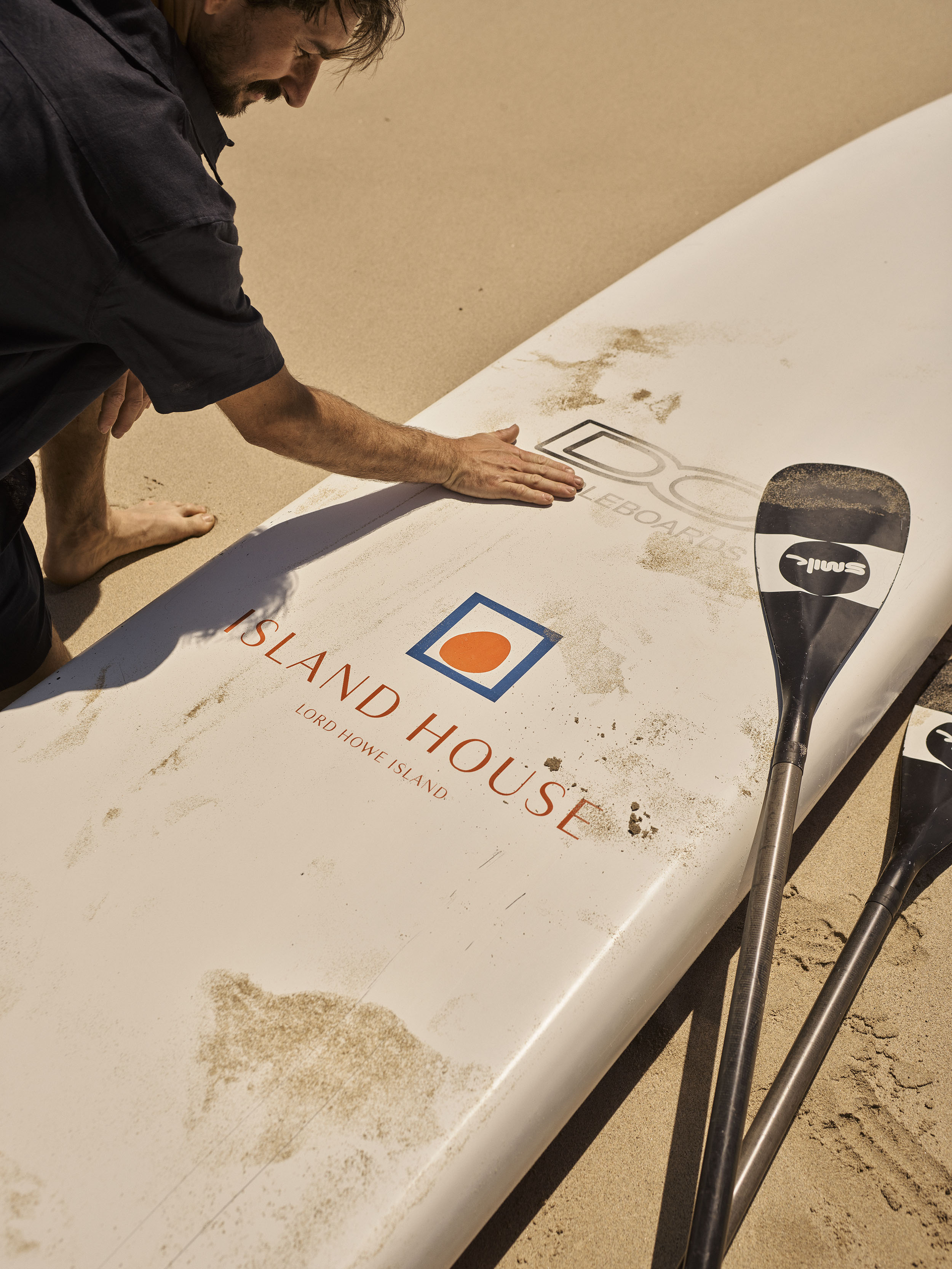
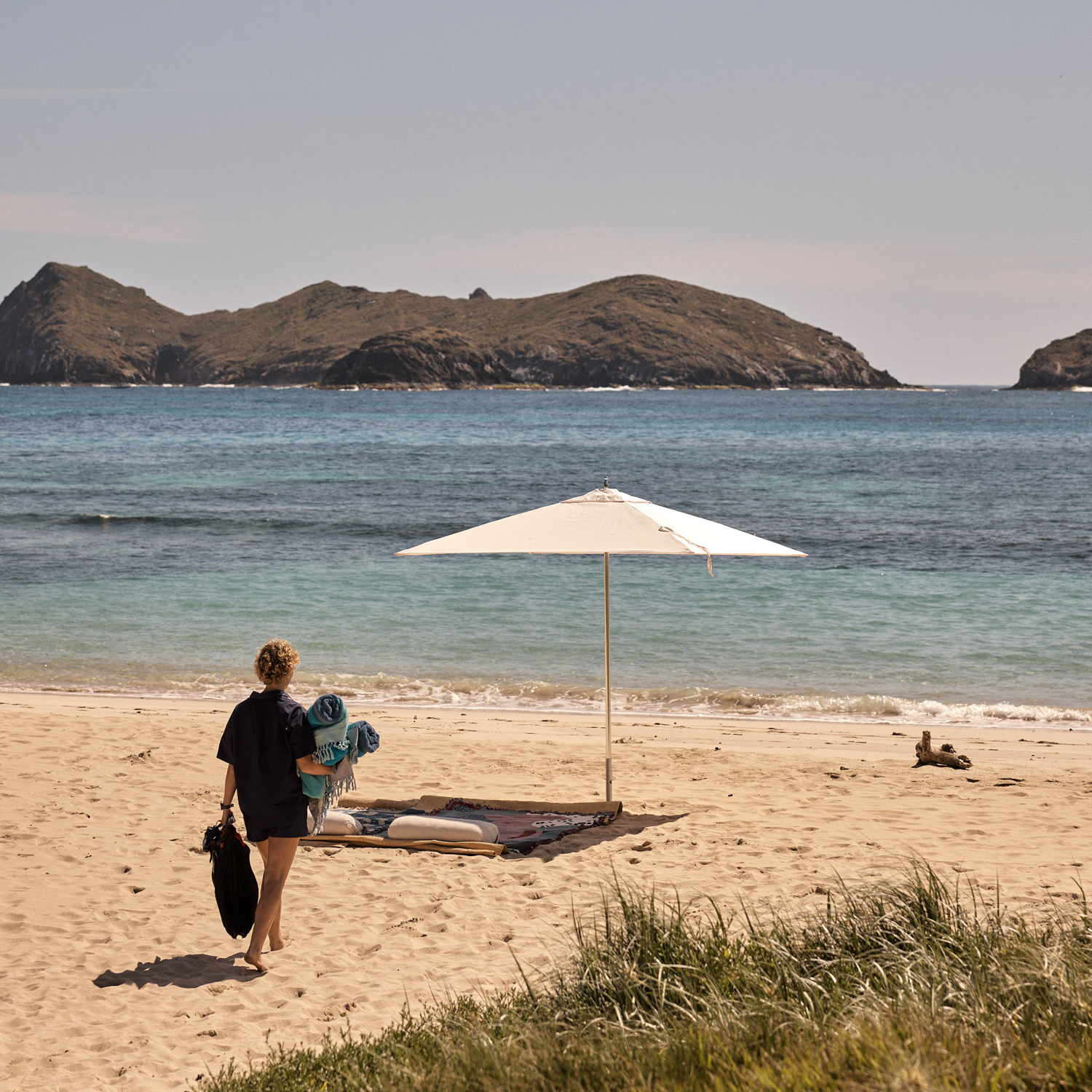
Mornings begin with the chatter of native birds overhead and days unfold easily. Guests are left generous pantry staples and breakfast hampers stocked with island produce – sourdough, local honey and free-range eggs – which can be cooked at leisure in the open kitchen. You might cycle across the island in 30 minutes, stopping for a swim at Ned’s Beach where schools of silver fish swirl around your legs, or walk beneath towering banyan trees along shaded rainforest tracks. Island House keeps a well-equipped adventure room stocked with surfboard, bikes, snorkelling gear and paddleboards for exploring the island’s lagoons and trails. There is also a yacht available for slow days on the water tracing the reef’s edges.
One morning I slipped into the lagoon just beyond the reef and drifted above coral gardens as grey nurse sharks moved calmly through the blue below. More ambitious travellers tackle the island’s most famous hike – the steep climb to the summit of Mount Gower – an expedition that ends in the clouds with vertiginous views across the Tasman Sea. “What I love most about Lord Howe is that it’s protected,” Maxwell says. “It means future generations will be able to experience the island in much the same way we do now.”
Some afternoons end at the Lord Howe Island Brewery, where locals and visitors gather beneath the palms. One of the world’s smallest microbreweries, and also founded by the Maxwells, it shares its site with a glasshouse nursery and garden. Wood-fired pizzas emerge from the oven while vegetables grown in nearby beds appear on the menu, and visitors sip beers brewed with endemic botanicals and hyper-local ingredients grown on site.
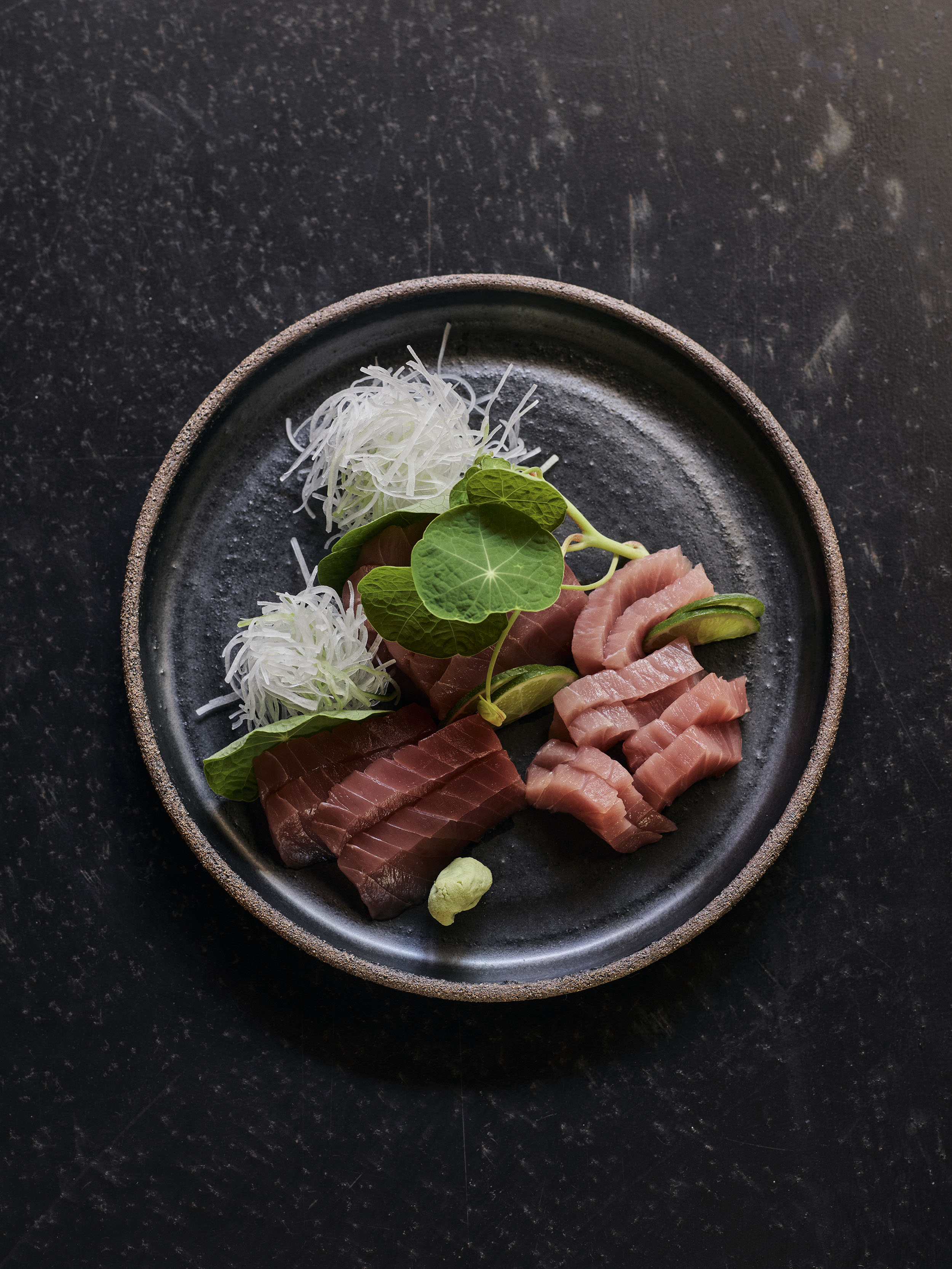
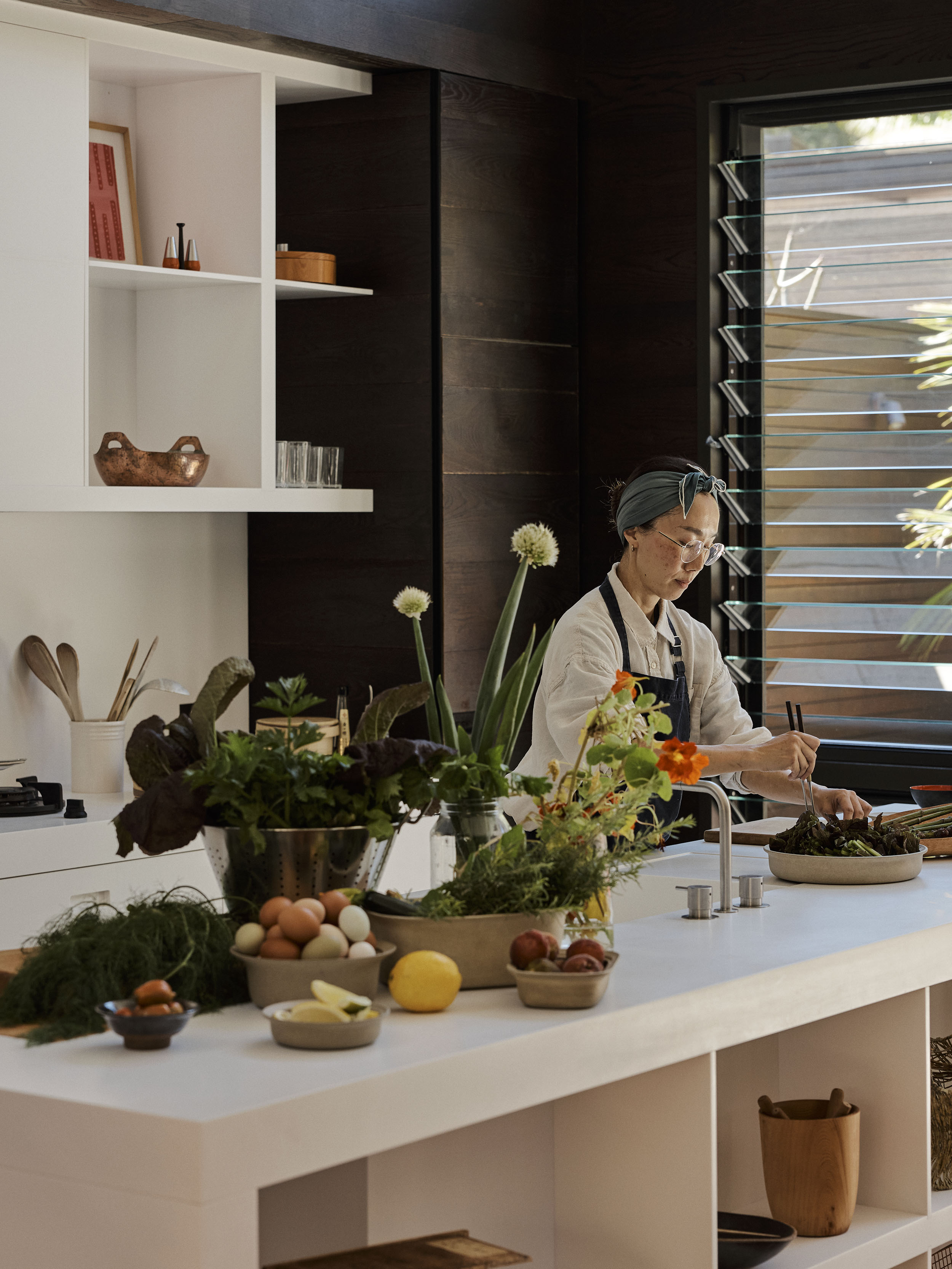
Back at Island House, in-house Japanese chefs can cook as much or as little as guests want, from relaxed breakfasts through to long dinners. Some nights meals are served at the house – perhaps platters of just-caught sashimi, big salads, grilled local fish or bowls of rice and miso after a day in the water. On other days the chefs may head down to the sand for beachside hibachi barbecues beside the lagoon, cooking prawns, lobster and fish over open flames as the light bounces across the reef. In many ways, Island House captures the spirit of Lord Howe itself: thoughtful, beautiful and deliberately low-key.
Because the island’s greatest luxury isn’t found in grand hotels or over-polished resorts. It’s the rare privilege of a preserved landscape, a slower pace of life and the sense that you’ve stumbled upon a secret worth keeping.
See more on Island House.
Chloe Sachdev