a detour to the Nadder Valley
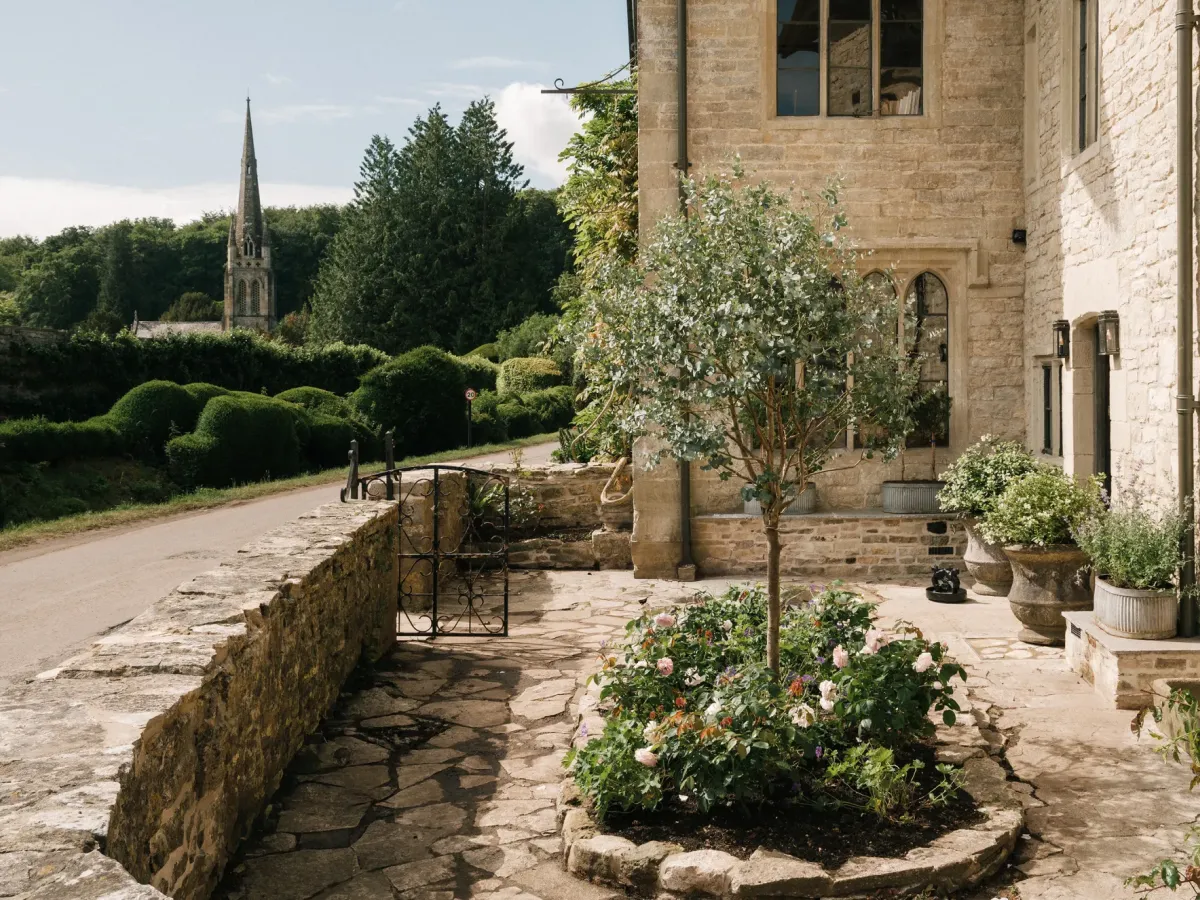
The opening of Teffont House in a 17th-century dower house as an elegantly cool place to crash for the weekend has put the rolling Nadder Valley in the spotlight. But this understated corner of the West Country has long had a rumbling creative scene, with artists and chefs, potters and writers happily jostling side by side.
There is a penalty that comes with nestling in between the cool-crowd’s Somerset in one direction, and the shiny Cotswolds in the other: an inevitable overshadowing. But there, perhaps, lies south Wiltshire’s secret.
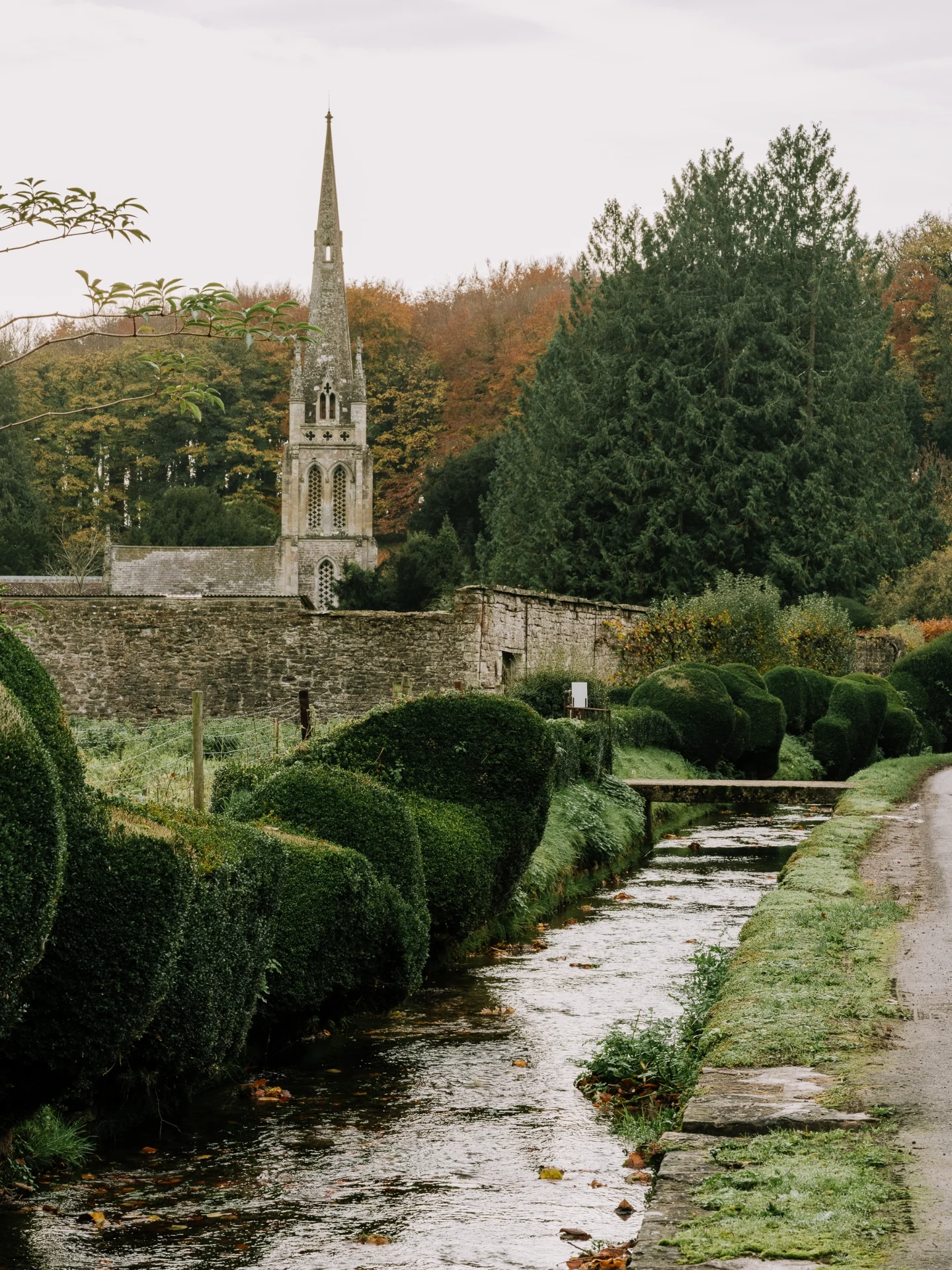
To the west of the sky-high spire of Salisbury Cathedral, and south of hazy Salisbury Plain is the Nadder Valley: a pocket of the West Country where sleepy thatched cottages dot amongst the chalk downland and water meadows. There’s the ancient Old Wardour Castle with its crumbling turrets; prehistoric hillforts north of Swallowcliffe; the glassy River Nadder rising near Donhead St Mary; and when the sun sets, the Cranborne Chase is a dark sky reserve for stargazers to bask in. But for over a decade there’s been a rumbling of creativity here too, an understated coolness that defies any dowdy reputation that Wiltshire’s often tarnished with.
It was in 2016 that the art gallery Messums West opened on the edge of the Nadder Valley’s biggest village Tisbury, after a two-year restoration of the 13th century tithe barn. Sculptures like Laurence Edwards’ soaring‘ Walking Man’ bronzes roaming through the grounds will stop you on your approach. And inside, founder Johnny Messum oversees a rotation of contemporary, modern and post-war exhibitions, while weekenders and locals arm themselves with a Flat White from The Mess Café. But before anyone was jumping on the train from London Waterloo bound for an art fix and pulling into Tisbury station less than two hours later, there was a bubbling food scene here that made the Nadder Valley much more than a place to pass through bound for somewhere else.
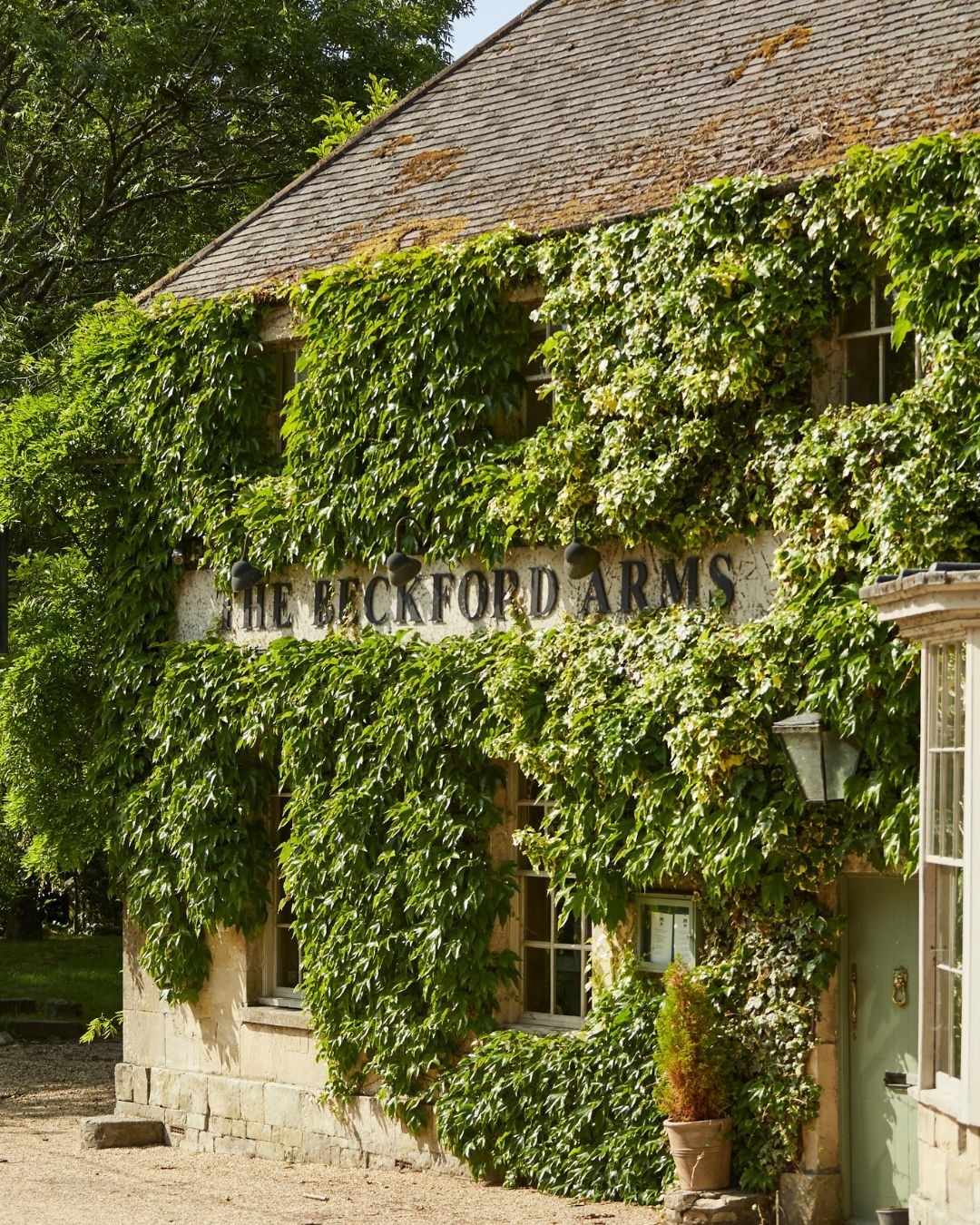
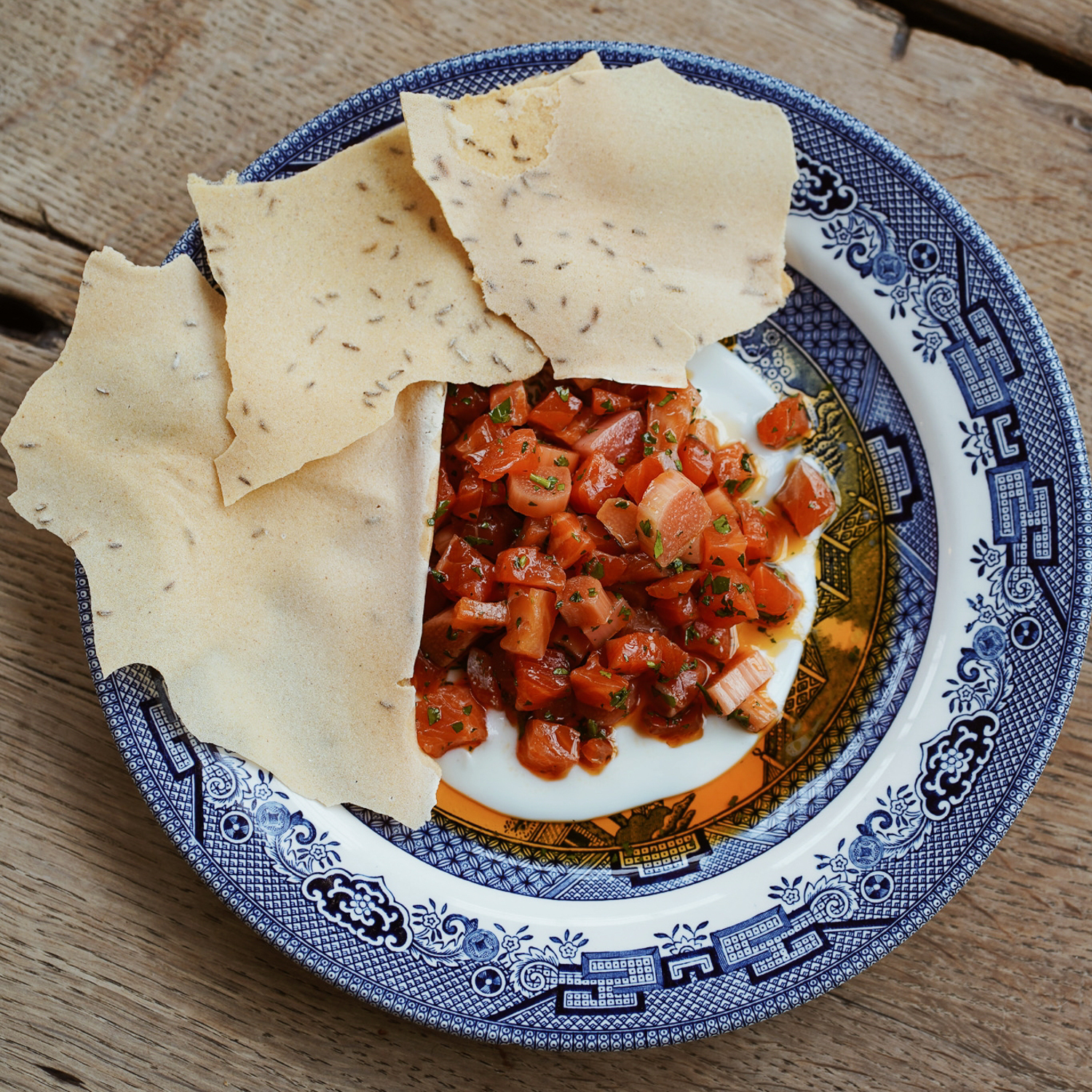
Driving under the grand Palladian archway on the Fonthill Estate after a chance tip-off from a friend in 2009, Charlie Luxton and his wife Chloë set eyes on the ivy-clad Beckford Arms. And so, began its awakening as a weekenders’ Mecca – and a sanctuary for anyone hurtling down the A303. At the bar, children clad in jodhpurs neck pint glasses of homemade ginger beer, alongside glossy Londoners ordering small plates of chalk stream trout tartare or wood pigeon with a hazelnut and radicchio salad.
Upstairs are eight bedrooms (Roberts Radios, Egyptian cotton sheets, roll top baths and Bramley bubbles…). But the ace card is the 18th-century Great Arch, which has been transformed into a three-floor hideaway with the help of Farrow & Ball colour consultant Patrick O’Donnell. A sort of step-back-in-time dolls house with red-and-white vinyl tiles in the kitchen and modern graphic prints, but also a grandfather clock and mahogany writing desk complete with stationery.
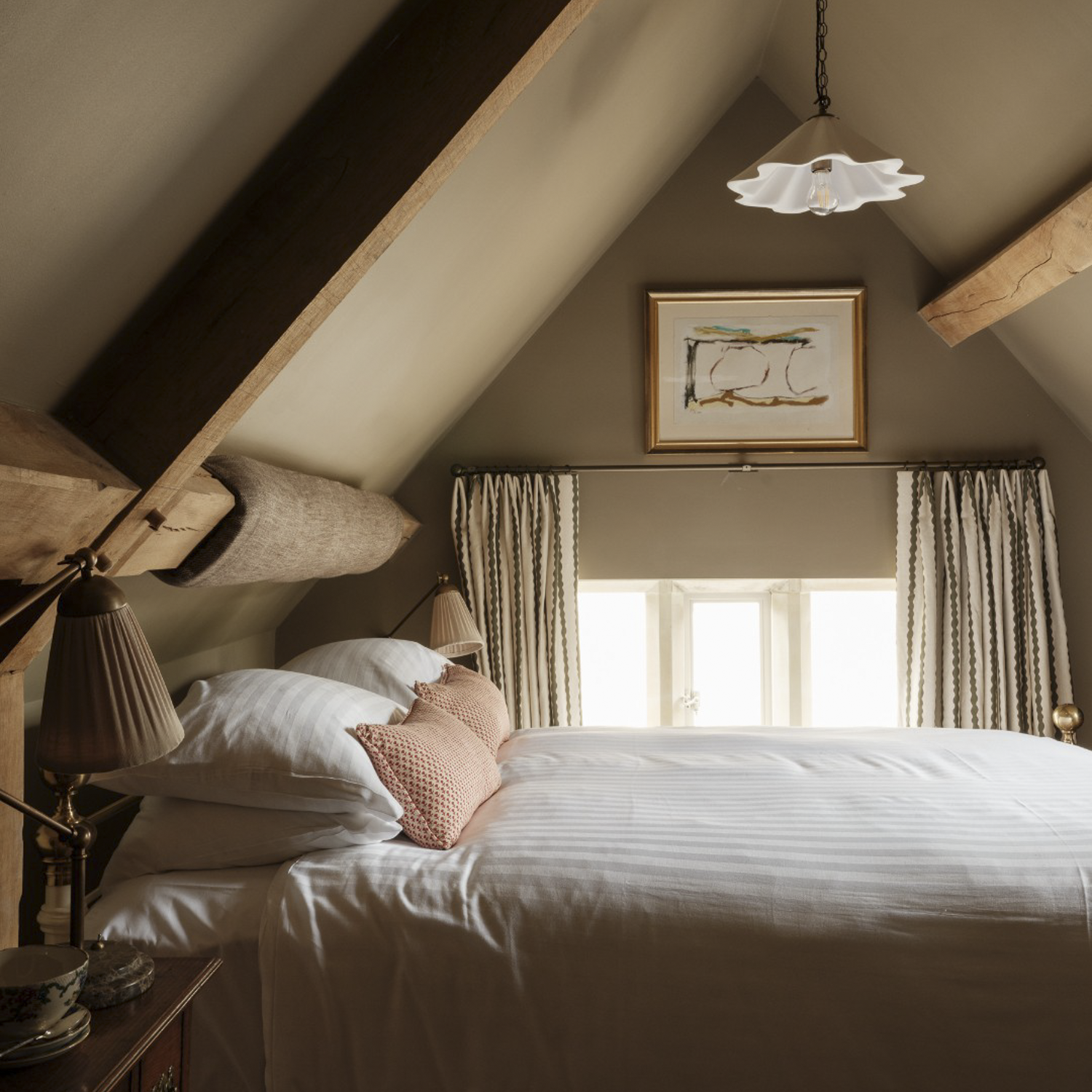
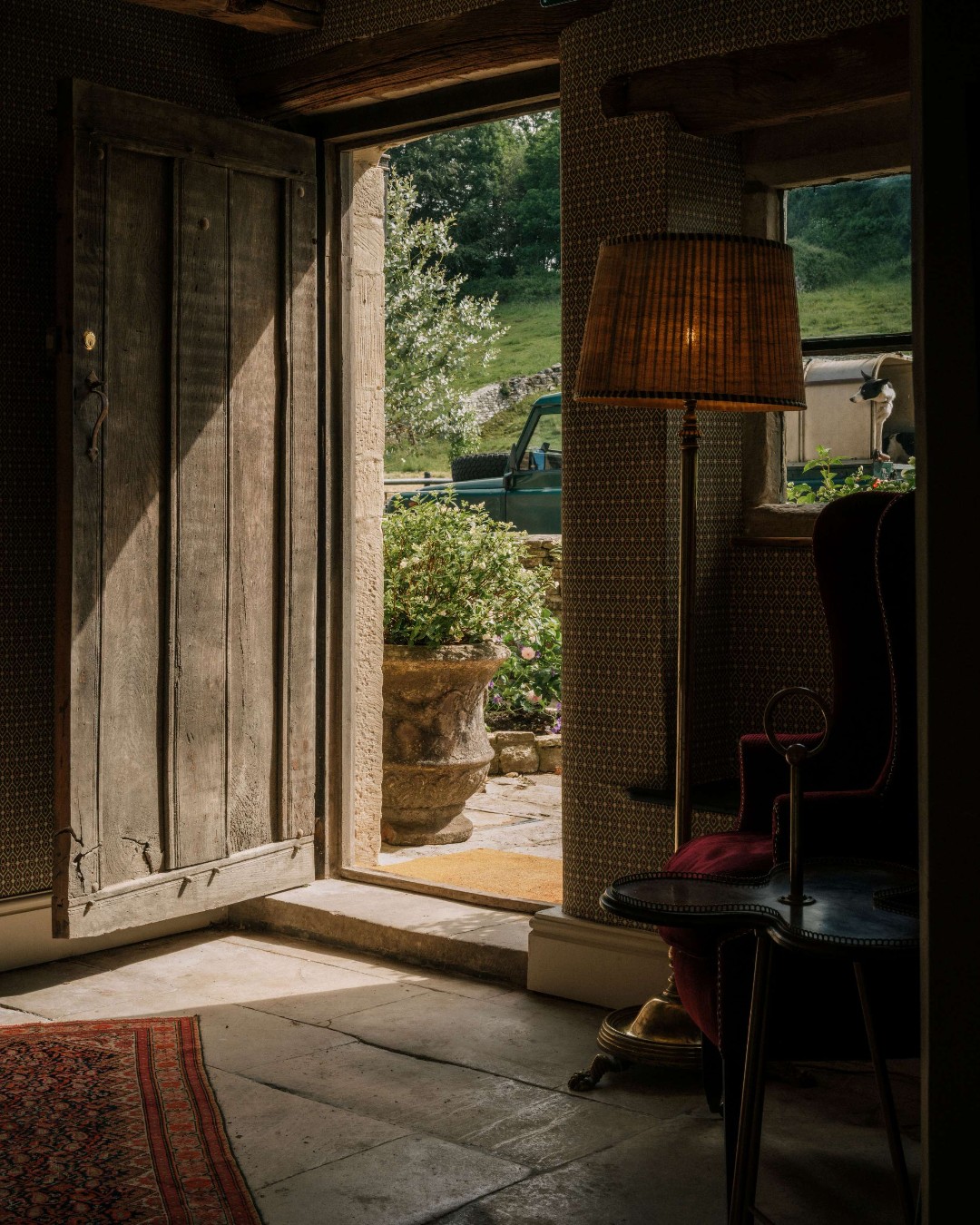
And this summer, Luxton and his Beckford co-owners Dan Brod and Matt Greenlees, have opened their first hotel Teffont House: a 17th-century dower house in the medieval village of Teffont Evias. The architects of the perfect pub with rooms (as well as the Beckford Arms, they have four other pubs across the West Country) what they have masterminded here is more of an old-school country house weekend.
The more raucous the better. At four o’clock there’s afternoon tea (toasted teacakes with salted butter, a towering Victoria sponge and Gentleman’s relish with toast soldiers); a gong sounds for drinks at 5pm (opt for an Old Fashioned or a West Country Daiquiri); there’s a potting shed stocked with watercolours and paper; and bedrooms look out onto the walled garden with the hotel’s cartoon green badminton court and croquet lawn, and the church beyond. It’s comically bucolic: church bells, idly grazing cattle, the clip-clop of horses being exercised along the lane. But it’s also grown up. Consider it an indulgent prize for navigating the tangle of lanes to get here, somewhere where you can drop your bags on arrival and make a beeline for the Bramley treatment cabin for a massage or the wood-fired sauna.
Striding out across the footpaths from here groaning with wildflowers, you’ll eventually reach Tisbury, less than four miles away, where the bustle of the high street reaches a crescendo by Saturday morning. Baskets are loaded in the deli (grab a bottle of locally distilled Witchmark gin and slivers of prosciutto); weekenders stock up in the wine merchant Gardner & Beedle; and at Fox & King, a Narnia-esque book shop opened last year by journalist Chloe Fox, you can disappear into the back and emerge armed with hardbacks having blissfully lost track of time. In a tiny garden shed at the top of town is Kate Clark’s treasure trove of homewares Montes & Clark (think handwoven baskets from Ghana and ceramic lamps). Then there’s the nearby studio of Compton Marbling in a courtyard of 19th century farm buildings, with its hand-marbled photo albums, picture frames, lampshades and notebooks.
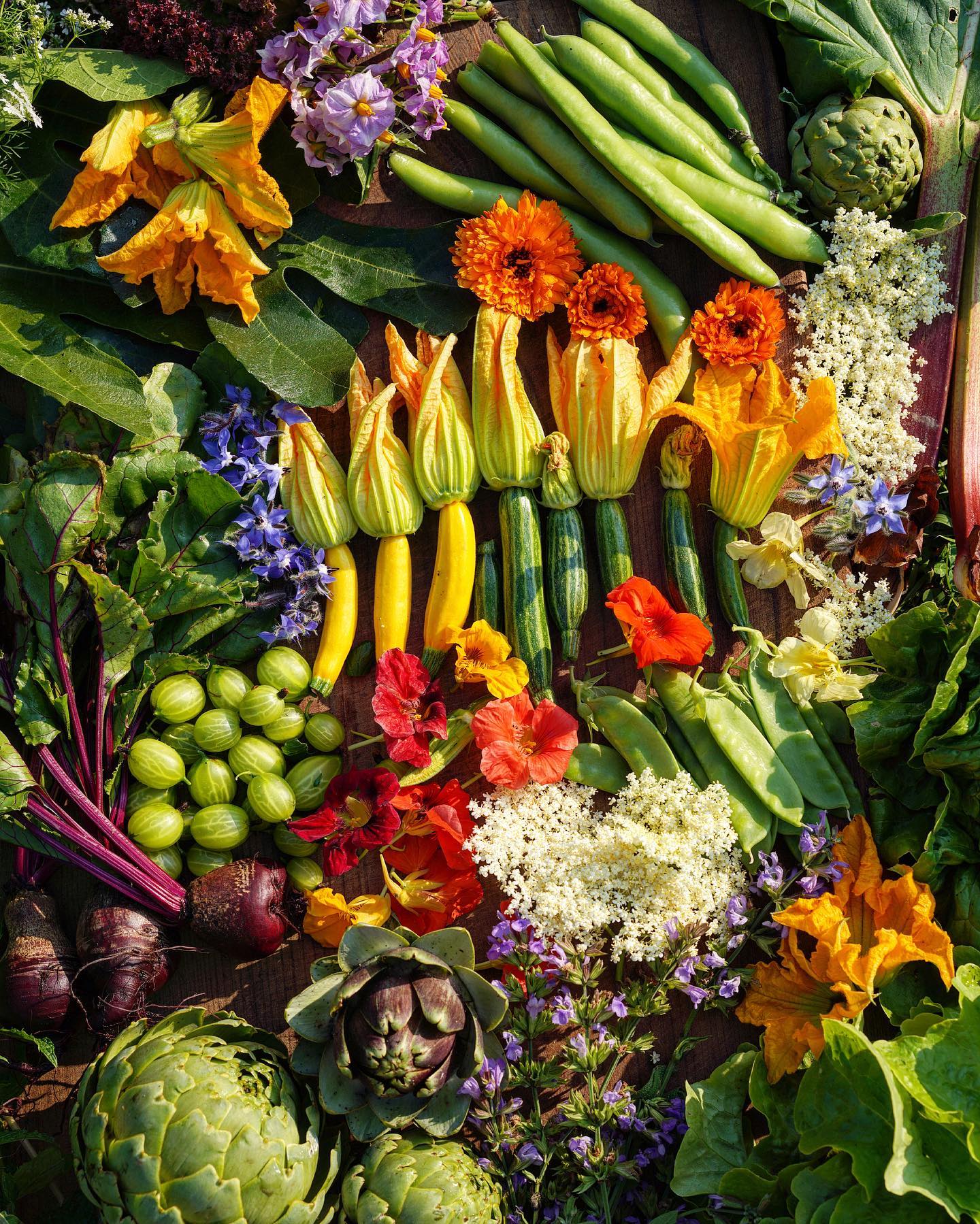
For the longest kind of lunch, book a table at Pythouse Kitchen garden in an 18th-century walled garden a couple of miles outside of Tisbury, where owner Piers Milburn has created a set-up that feels deliciously secret. Arm yourself with a glass of Pythouse’s own botanical Sprigster drink and get purposefully lost in the garden, where beyond the rows of berries, beans and squash are bell tents that you can bag for the night and the sauna with cold plunge tubs. The three-acre plot is expertly raided for the menu, with plates of garden beetroots, Dorset yoghurt and blackcurrant wood vinaigrette perhaps or parsnip hash browns with truffle mayonnaise.
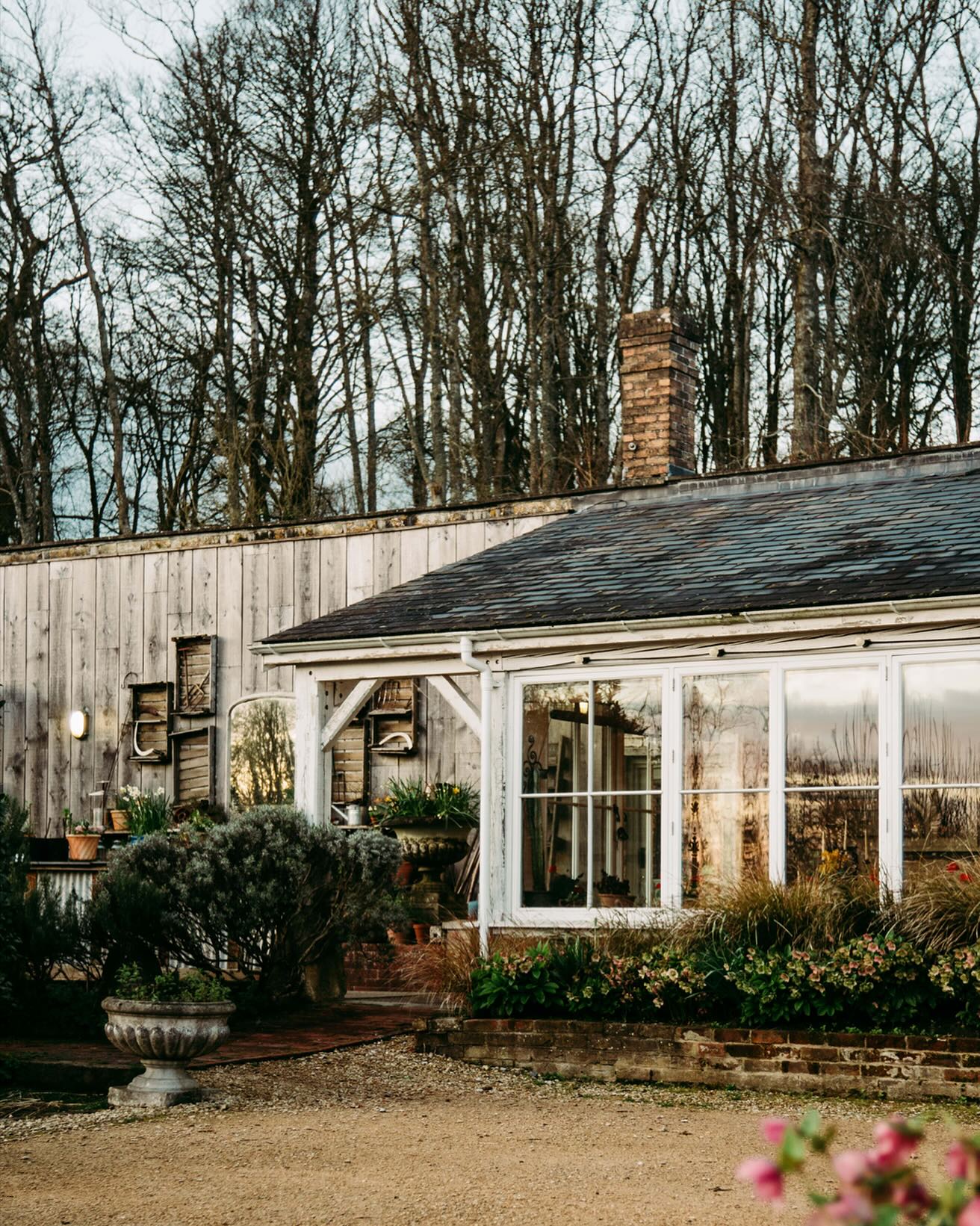
Just over a mile from here is the village of Semley, another that looks how a child might draw an English pastoral scene: cows meandering to be milked at Church Farm (you can fill up glass bottles from the milk vending machine) and a green with St Leonard’s Church standing guard. The spot to book for the night in Semley is the self-catering The Craftsman’s Cottage, cleverly decked out in the best of British craftsmanship – table mats from Rush Matters, William Morris wallpaper and an Another Country coffee table.
For supplies, the Semley Village Stores puts most London delis to shame (“Did you want brown or white miso?”) and it’s a short hop from here to Australian expat Bill Dowling’s Compton McRae, which has just opened its own bakery (don’t miss the Friday donuts).
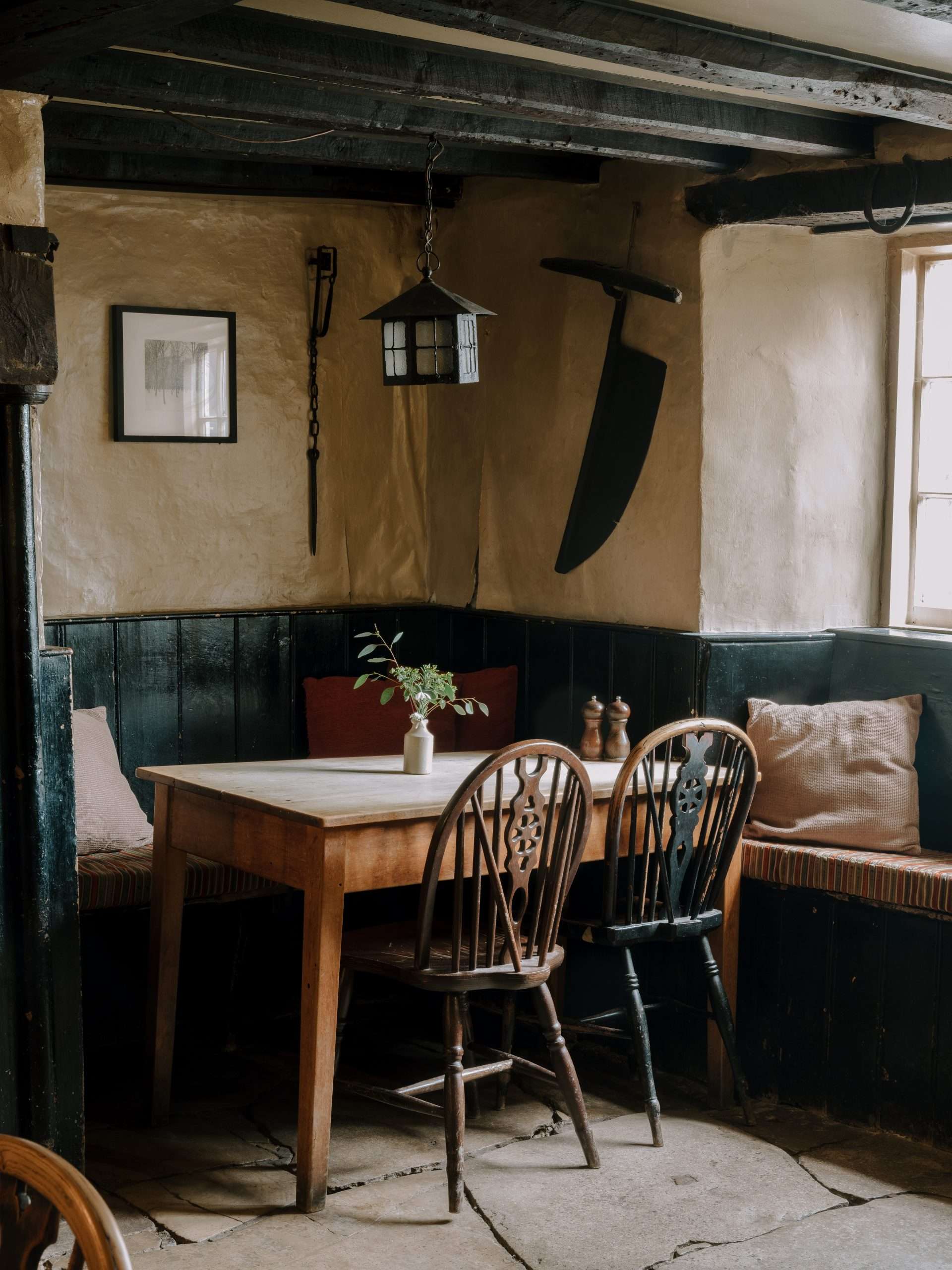
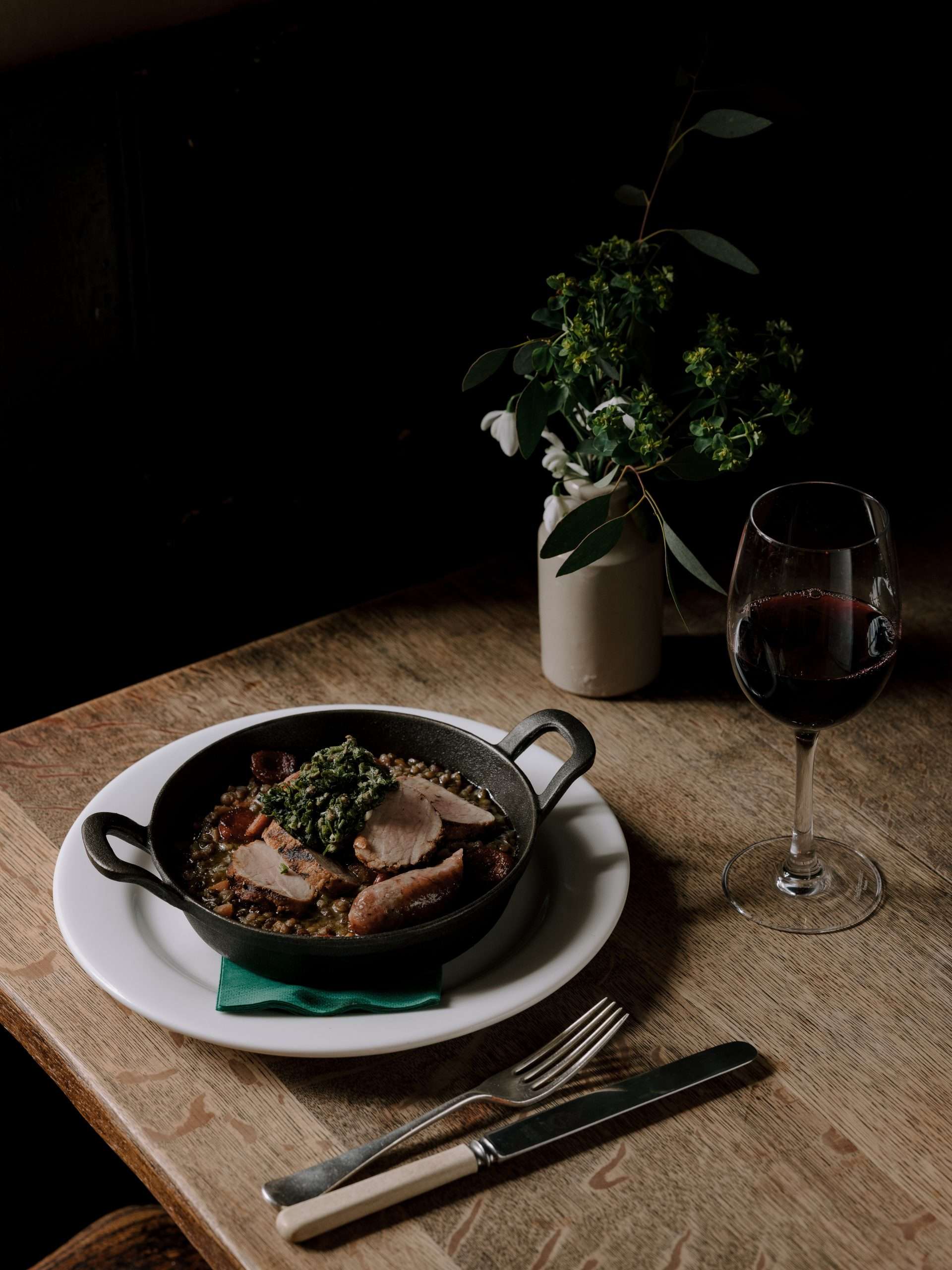
As the sun begins to set on this corner of Wiltshire, and that dark, starry sky looms, the beer garden at the 14th century The Compasses Inn beckons, where you emerge from the low-beamed pub to find a view across a field of frolicking lambs, and perhaps the sound of live music. And it’s in that moment, not for the first time, that you wonder why anyone makes the mistake of sailing past the turnoff to Tisbury on the A303 with eyes only for Somerset or the coast beyond.
Madeleine Silver
The British countryside is writer and journalist Madeleine’s patch. After a decade spent in the throng of London’s buzz, she has swapped city life for country living, returning to her childhood den of the West Country. And with that, she joins the flock of fellow creatives and a fresh wave of chefs revamping the former swirly-carpeted cider-serving pubs into groovy drinking holes and foodie havens. She publishes pieces and top-notch, hidden address roundups for Conde Nast Traveller, Country Life, and House & Garden, though her tips don’t stop there. On a hot summer’s evening, Madeleine makes a beeline to the nearby, jagged Dorset coast and, for a reset in the wild, it’s the Highlands and islands of Scotland that beckon.