We don’t care when it is, but you absolutely must visit Patagonia at least once in your life. Ride horses across a rugged landscape, relax in thermal baths and kayak around the fjords. It is paradise for those who love nature.
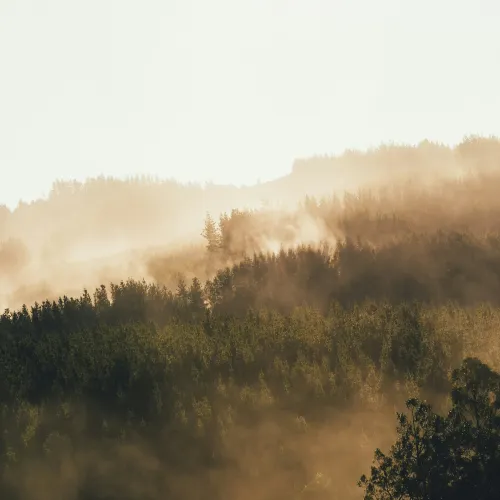
The lake district of southern Chile is one of those landscapes that makes the word scenic feel entirely inadequate. Perfectly conical volcanoes rise above deep glacial lakes, araucaria forests cover the hillsides in something that looks prehistoric, and the rain, when it comes, only makes the green more intense. Puerto Varas is the most handsome base, a lakeside town with a Germanic architectural inheritance left by nineteenth-century settlers whose influence runs through the smoked meats, the dark bread, and the kuchen served in wooden houses overlooking Lago Llanquihue. The island of Chiloé to the south operates on its own slower logic entirely, with stilt churches, wooden palafitos, and a mythology so specific and strange it has its own UNESCO recognition. Come with waterproofs and no fixed schedule.
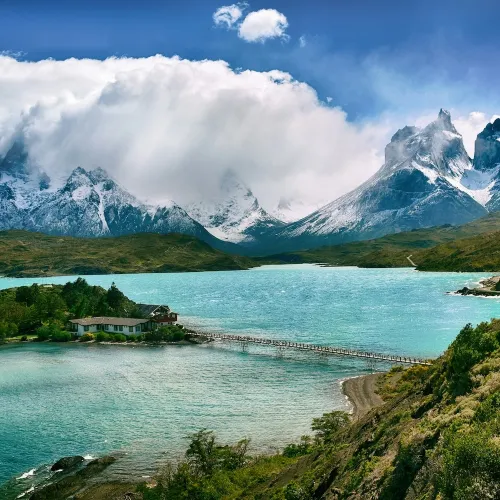
At the southern end of the Andes, where the mountains give way to the Patagonian steppe and the wind arrives without warning from the west, the granite towers of Torres del Paine rise above glacial lakes of an improbable blue that has nothing to do with sky and everything to do with rock flour suspended in meltwater. The W Trek takes four to five days and passes through some of the most concentrated dramatic scenery available on foot anywhere on earth: the Grey Glacier calving into its lake, the French Valley amphitheatre of hanging ice and rock, the base of the towers themselves at dawn when the light turns them briefly orange. The guanacos are indifferent to all of this and wander across the trails at their own unhurried pace. The weather changes every twenty minutes and that is simply part of the agreement.