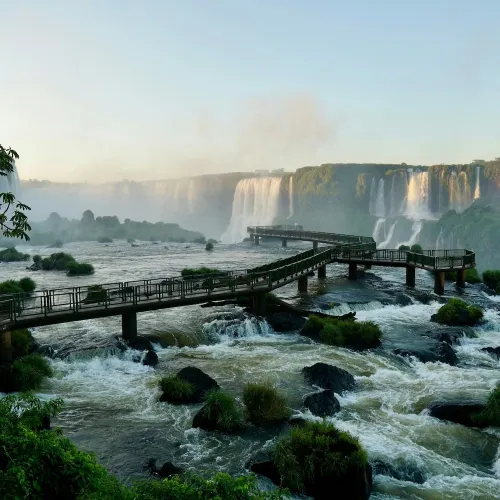
Eleanor Roosevelt, on seeing Iguazú for the first time, reportedly said poor Niagara. The numbers give some indication of why: 275 individual waterfalls spread across nearly three kilometres of subtropical forest, with the Garganta del Diablo dropping 82 metres into a permanent cloud of mist that the resident swifts navigate by instinct. The scale is not something photographs prepare you for, which is unusual in an age when most famous landscapes have been over-documented into submission. Both sides reward the visit: the Argentine park puts you closer to the water, on walkways that extend over the falls themselves, while the Brazilian side offers the panoramic view that reveals the full extraordinary width of the system. Stay two nights, cross the border, and give the coatis the respect they do not deserve and will demand regardless.
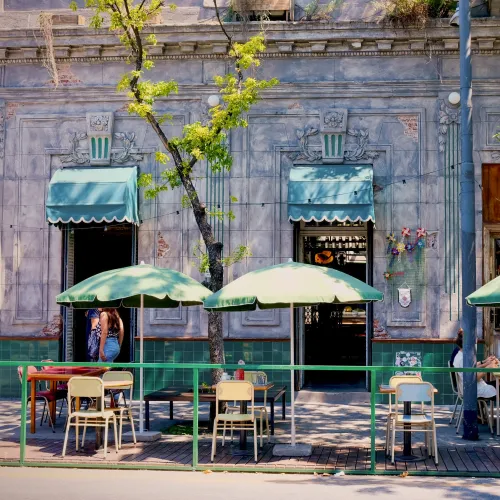
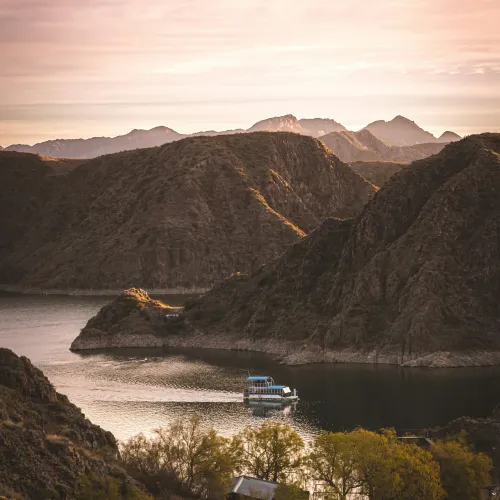
Set against the snow-capped Andes, Mendoza moves at a wonderfully leisurely pace. Days here are often built around long vineyard lunches, generous glasses of Malbec and late dinners that drift well into the evening. Beyond the wineries, the landscape quickly turns dramatic with mountain roads, dusty plains and hiking trails leading towards Aconcagua. Though wine is undeniably the main attraction, there is something deeply appealing about the city itself too. Wide boulevards, leafy plazas and outdoor cafés give Mendoza an ease that is difficult not to fall for.