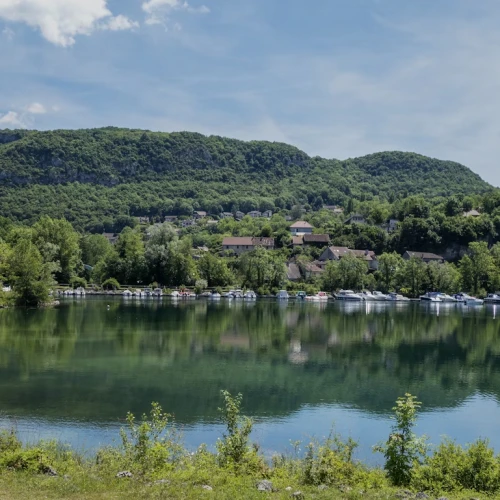
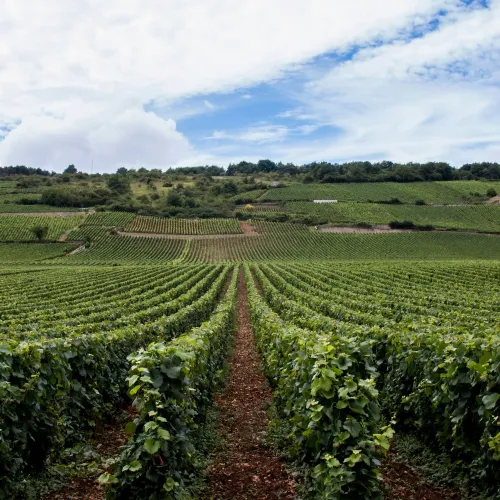
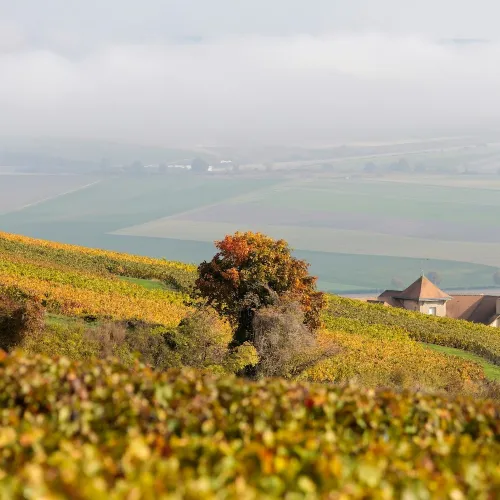
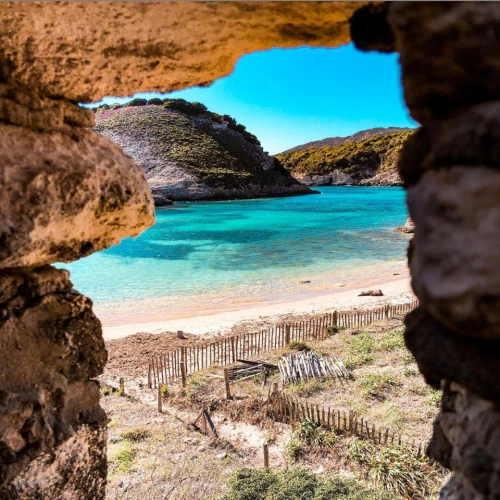
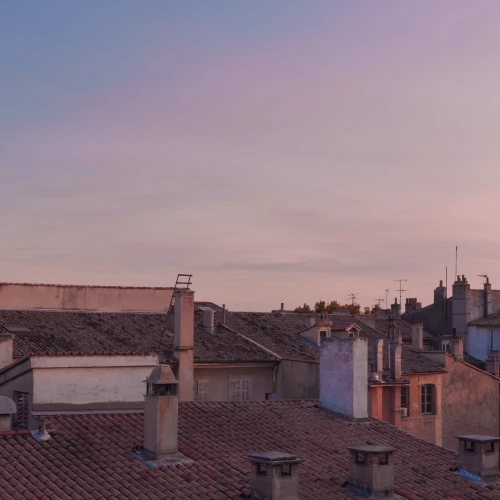
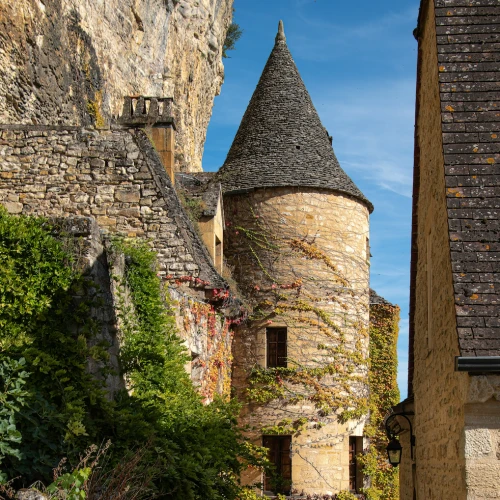
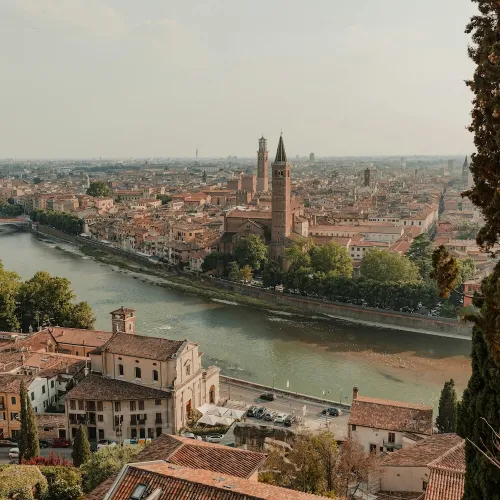
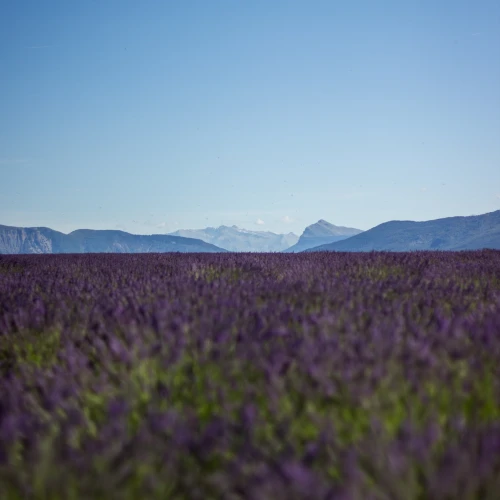
Two regions that were merged administratively but have always belonged together in spirit: the vine-covered limestone slopes of Burgundy to the west and the wilder, more vertical landscape of Franche-Comté to the east, where the Jura mountains run towards Switzerland and the cheese and wine traditions are entirely their own. The Côte d'Or between Dijon and Beaune is one of the most studied strips of agricultural land on earth, its grand cru vineyards producing pinot noir and chardonnay that set the benchmark for both varieties worldwide. Dijon is an underestimated city of considerable elegance. Beaune is smaller and organises itself almost entirely around the pleasure of eating and drinking well. The Jura, with its resinous vin jaune, its comté aged in mountain caves, and its waterfalls dropping through beech forest, is the less visited and frequently more rewarding half of the equation.
Paris may get all the attention, all the ticker tape parades, but this sweeping region in the middle of Norther France deserves just as much attention as far as we're concerned. Head to Orléans or simply explore the countryside. Magic.
The great houses of Reims and Épernay are the obvious starting point and worth every minute of the cellar tours that descend into kilometres of chalk caves where the bottles stack in the dark by the million. But the Champagne region rewards those who venture into the vineyards themselves: the Montagne de Reims, the Côte des Blancs, the Vallée de la Marne, where small grower-producers make wines of extraordinary character from plots that have been in the same families for generations. Reims has a Gothic cathedral of the first order and a food scene that takes its role in one of France's great culinary regions seriously. Two hours from Paris by train, it is one of the most undervisited short breaks available from the capital.
As the most densely populated of France's eighteen regions (no surprise considering Paris is smack dab in the middle), Île-de-France has oodles of things to offer naturally. This region is diverse and rich with culture - an undeniable must-visit.
A region vast enough to contain almost everything. From the Pyrenees in the south to the Massif Central in the north, from the Canal du Midi threading its plane-tree tunnel towards the Mediterranean to the medieval city of Carcassonne rising above the plain like something from a more romantic century, Occitanie is one of the most geographically and culturally rich corners of France. Toulouse is the capital and a city worth several days: pink-brick, rugby-mad, and with a food market at the Victor Hugo covered hall that puts most of the country to shame. The wine regions of Languedoc and Roussillon produce some of France's most interesting bottles at a fraction of the Bordeaux price. Come with a car, a loose plan, and a good appetite.