why Adi Hong-Tan winters in Ubud
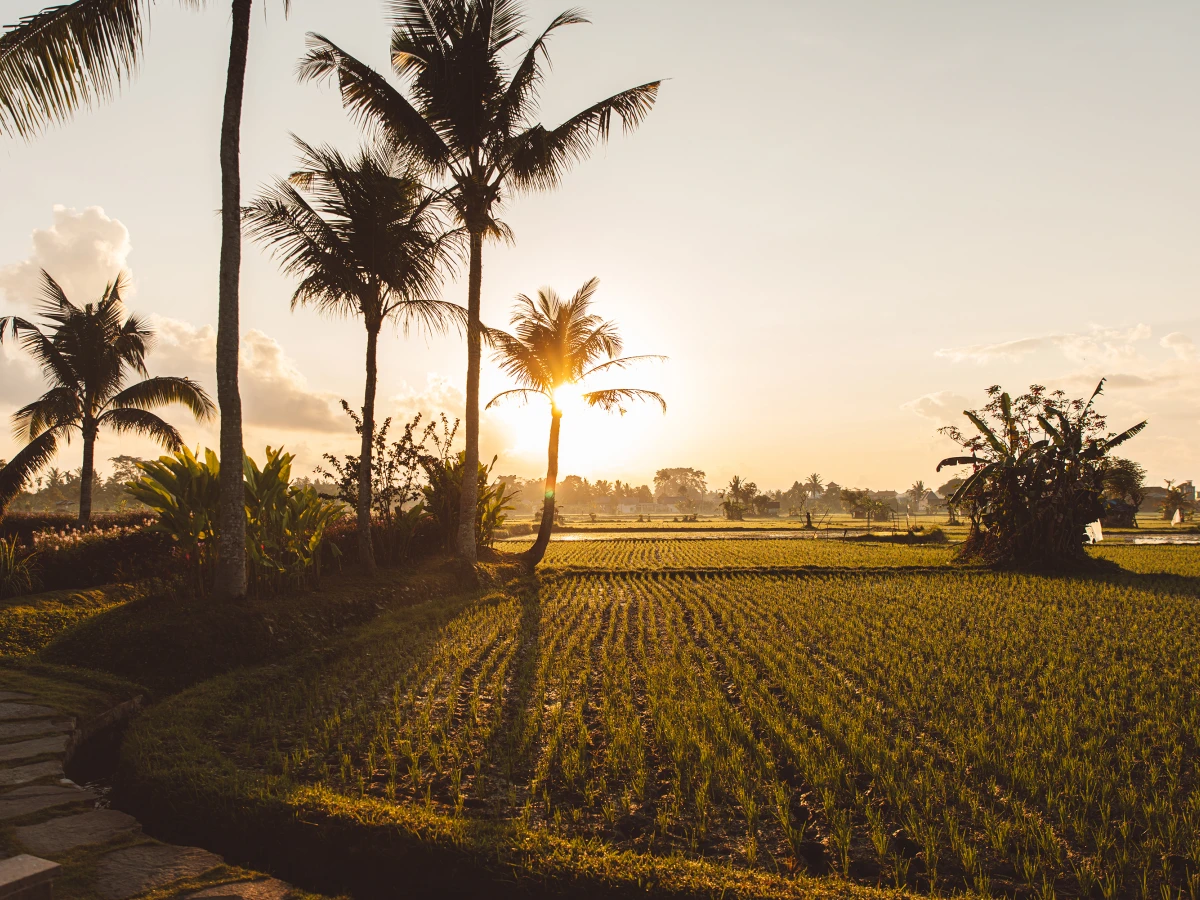
Come winter, Europe’s grey skies drive me to the central uplands of Bali, Indonesia, back home to Ubud. Much like the rest of the island, it is a place of contrasts. You have ancient civilization, high culture and breath-taking natural beauty, but there is also mass tourism, suburban sprawl and the utter ghastliness of pseudo-spirituality.
So, tread with care. Stray, and you will end up in an hour-long traffic jam with busloads of tourists – or worse. In the sprawling urbanity of modern-day Ubud, snakes are less of a danger than speeding motorbikes bearing stranded Californian gurus or naked Russian influencers.
Against all odds, however, Ubud has retained its undeniable magic. My favourite thing about the city is a secret I rarely divulge: its hidden back lanes. Up and down charming alleyways mostly inaccessible to cars, local life unfolds. In a matter of minutes, the cityscape gives way to more rustic surroundings. Across lush but tilled nature, the meandering lanes link Ubud to the surrounding villages. One could amble along in peace, undisturbed by cars, all the way to Penestanan, Sayan or Bentuyng. Ancestral traditions converge with Bali’s inimitable and irreverent Asian modernity; it is a landscape of human proportions.
You are among rice fields and bamboo groves, farm sheds and fruit orchards. You crisscross rivulets and chance upon farmers’ shrines to Sri, goddess of good harvest.
One feels, here, the enduring and palpable pull of Ubud. It marries nature with breathing, living history. Yes, you get a sense of this at the city’s gorgeous hotels, such as perennial classic Amandari or the newer Mandapa Reserve, but in the back lanes, you see its raw iteration.
Most of these lanes belong to either one of two historic, Balinese institutions: the banjar or the subak. The first is the traditional Balinese village, which counts among its governing membership all adult, male residents. Each follows its own constitution. Responsibilities are shared for everything from night watch to road building. The second institution is the subak, the traditional irrigation collective. Around 1,200 of these survive on the island today. Each maintains its own network of dams and canals, water temples and lanes. While ancient, both institutions have adapted and remain central to daily life. The exigencies of a modern, tourism-based economy somehow coexist with a traditional society.

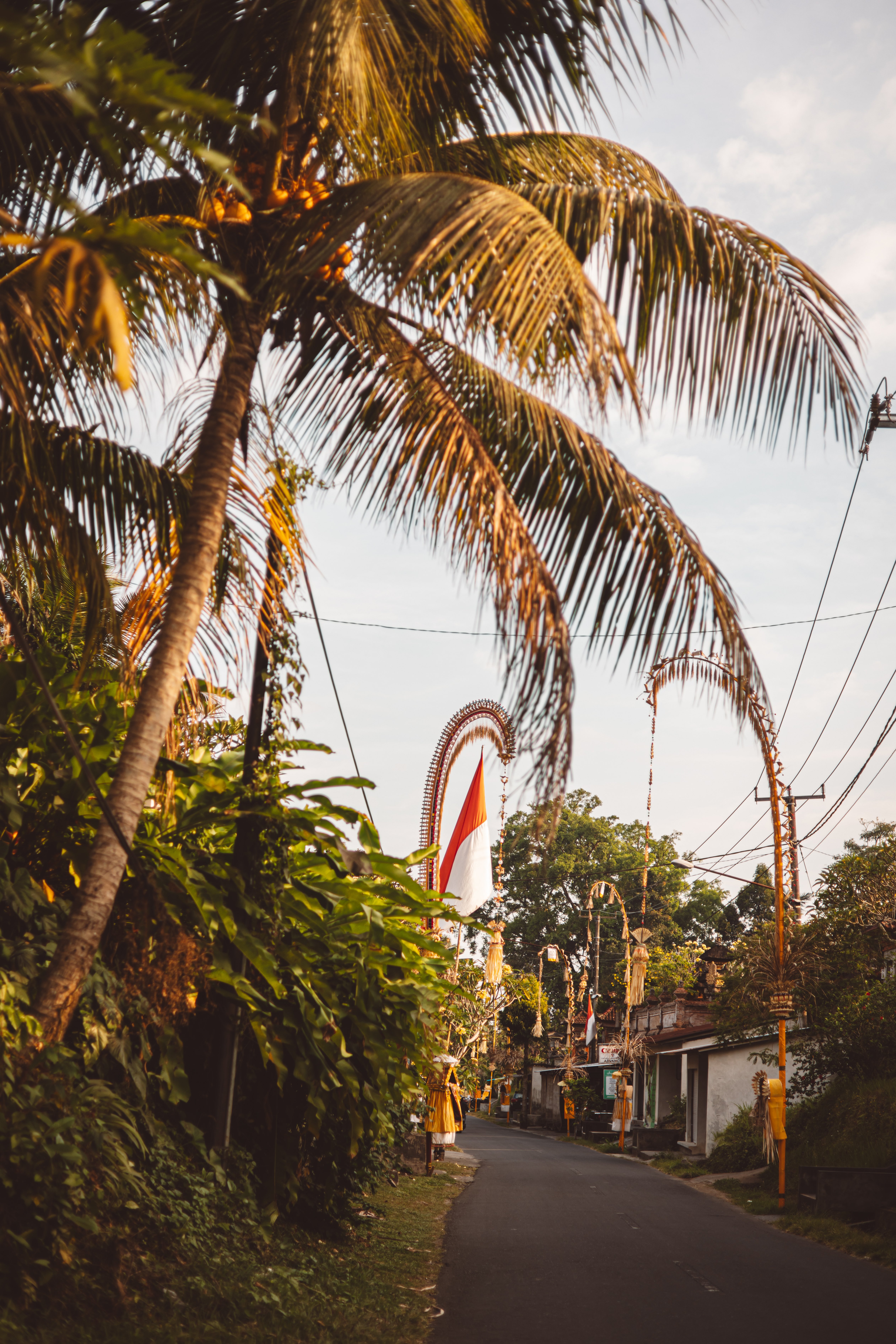
It is exactly this fusion that has led many people, both locals and expatriates, to make Ubud their home. In a world facing increasing commercial homogenisation, local craftsmen and artisans still set the tone here. They attract a community of creative people and independent business owners. This is another of my favourite things about Ubud – that its living craft traditions inspire people to create designs and products for and of our time.
Predictably, many of those drawn to Ubud are designers. Of interiors, of jewellery, of textiles and other accessories. But the city often leads them beyond their métier. The late Linda Garland, an Anglo-Irish interior decorator, pioneered the use of bamboo as a sustainable material for stylish, contemporary design and architecture. Canadian jeweller John Hardy founded Green School and Village, communities that aim to make environmental awareness part of daily life. He also opened his dreamy private estate on the river Ayung, Bambu Indah, as a hotel.
Further upriver lies the historic Taman Bebek, home in the 1930s to another Canadian, musicologist Colin McPhee. In 1980, it was revamped as a hotel by Australian-born garden designer Made Wijaya. Today, it’s owned by a glamorous, young couple, German-Colombian environmental activist Gregorio von Hildebrand and his Portuguese designer wife, Rita. Another chic designer duo, Balinese Ayu Purpa and her Dutch-Spanish husband Sebastian Mesdag, make natural dyes at Tian Taru, their lush indigo farm. Located uphill in the stunning Payangan highlands, the couple’s rolling lawns of indigo blend into curling ferns under the forest canopy. Their lookout pavilion is perched on a cliff overlooking the valley and ridges whence freshwater springs trickle down to join Ubud’s sacred rivers.
Many are attracted to the city thanks to the local agriculture. This means that one eats and drinks exceedingly well in Ubud. The talented duo, Indonesian chef Ray Adriansyah and Dutchman Eelke Plasmeijer founded Locavore, where you can sample their intricate tasting menu that only uses ingredients grown within a 250-kilometre radius. Their less elaborate to-go menu has never failed to satiate my burger cravings. An added bonus? The meat hails from their butcher shop, Local Parts, which sources from local farms the duo knows and trusts.
Outside downtown Ubud, on the scenic road to Sayan, are some of the world’s best restaurants: Mozaic by Frenchman Chris Salans and Netflix-featured Room4Dessert by New Yorker Will Goldfarb. Will’s Powder Room next door stocks Bali’s own natural wine, Lazarus Pulp, vinified from Australian grapes on the island. Next to these establishments is a simple, old shed and an Ubud classic, Naughty Nuri’s. Best-known for their pork ribs, the establishment draws me more for their dry martinis, served extra cold and probably the best on the island.. For late night drinks, I head out nearby to Kawi, owned by Singaporean Christian Tseng. It is a Japanese-style cocktail bar so discreet that most people fly right by without noticing. In pared-down, minimalist interiors, they serve quirky creations using only Indonesian-made alcoholic beverages and ingredients.
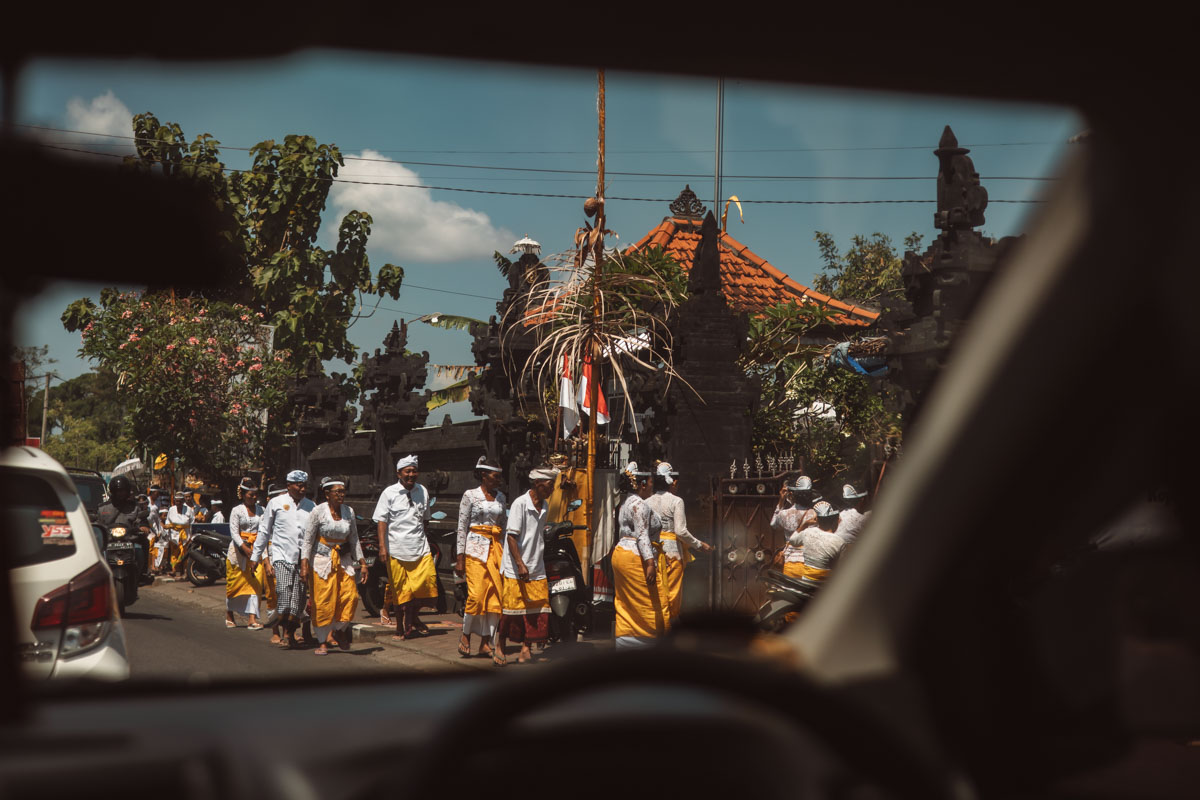
Wherever you are from, once you are in Ubud, localism is definitely the creed. Unlike many other developed parts of Bali, local culture still holds sway. Since a lot of my year consists of hectic, international nomadism, I embrace the sense of place in Ubud. Mine is most emphatically not the Bali of spiritual angst or loud beach clubs. I don’t associate these aberrations with the island of my childhood. I winter in Ubud to be close to nature and the new, creative ways our community lives out Bali’s ancient traditions.
Adi Hong-Tan
The only thing more fabulous than Adi’s stories is possibly his hair – though really, it’s a close call. While he keeps close to his Indonesian roots, spending a few months a year in Bali, Adi has become so fully ensconced in life in Europe that you’re likelier to see him rubbing elbows with the glitterati in Venice or Athens than luxuriating by a pool in Southeast Asia. Charming, cheeky and undeniably charismatic, this writer has a way with words and a way with people. Let Adi regale you with tales of intimate suppers, thumping parties and trips you could only dream of.