where Porto finds its calm
The Largo's bottle-green door sits unassumingly on the corner of a blue-tiled building on what may well be the busiest square in Portugal's northern city. Discreet it may be, but the constant hum of chitter-chatter from the neighbouring terrace of its bar, Flôr, and restaurant, the coveted Cozinha das Flores, gives it away. A noisier counterpart to the hotel’s sleek and stylish entrance, it offers a glimpse of the sanctuary within: Porto’s most idyllic hideaway, nestled in the thrum of an evolving city. A place where traditional tasquinhas sit side by side with an exciting roster of experimental foodie addresses and discerning designers.
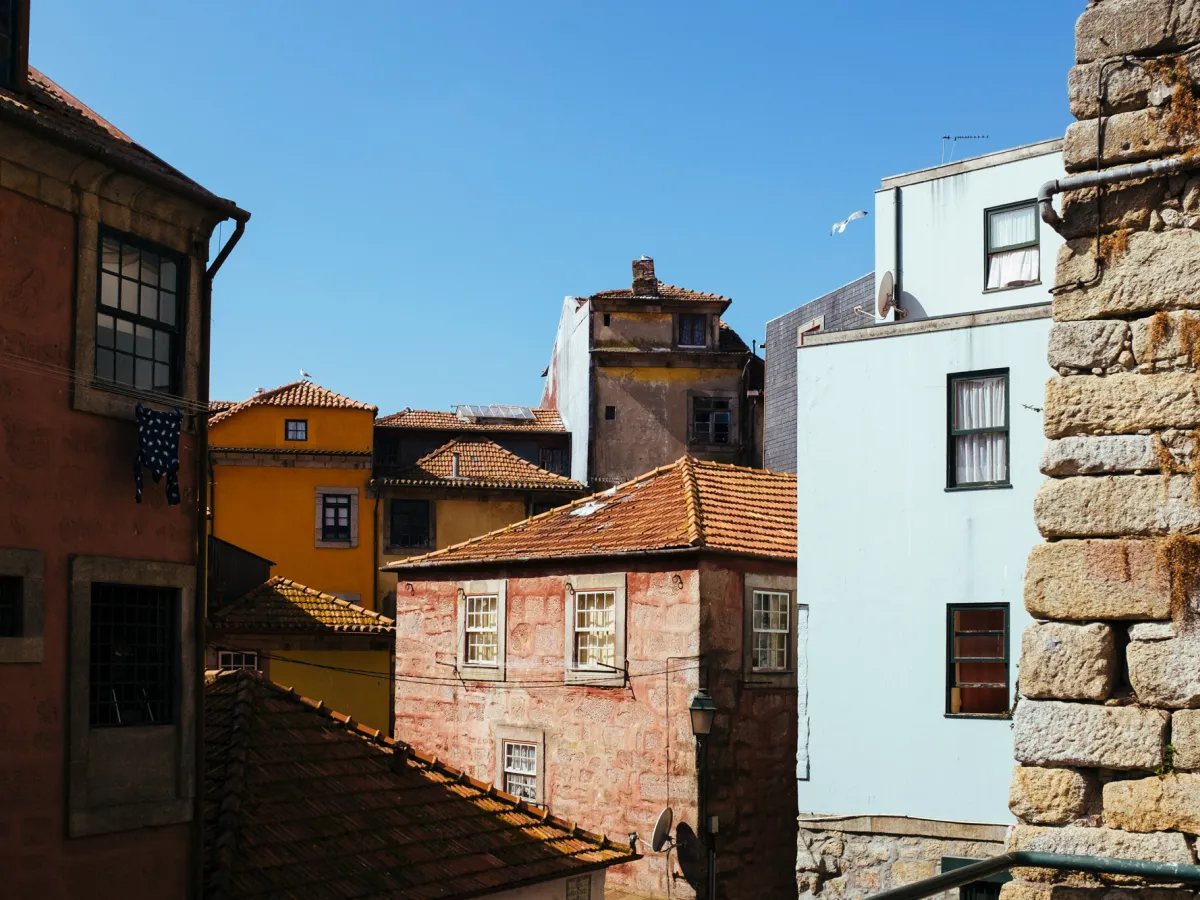
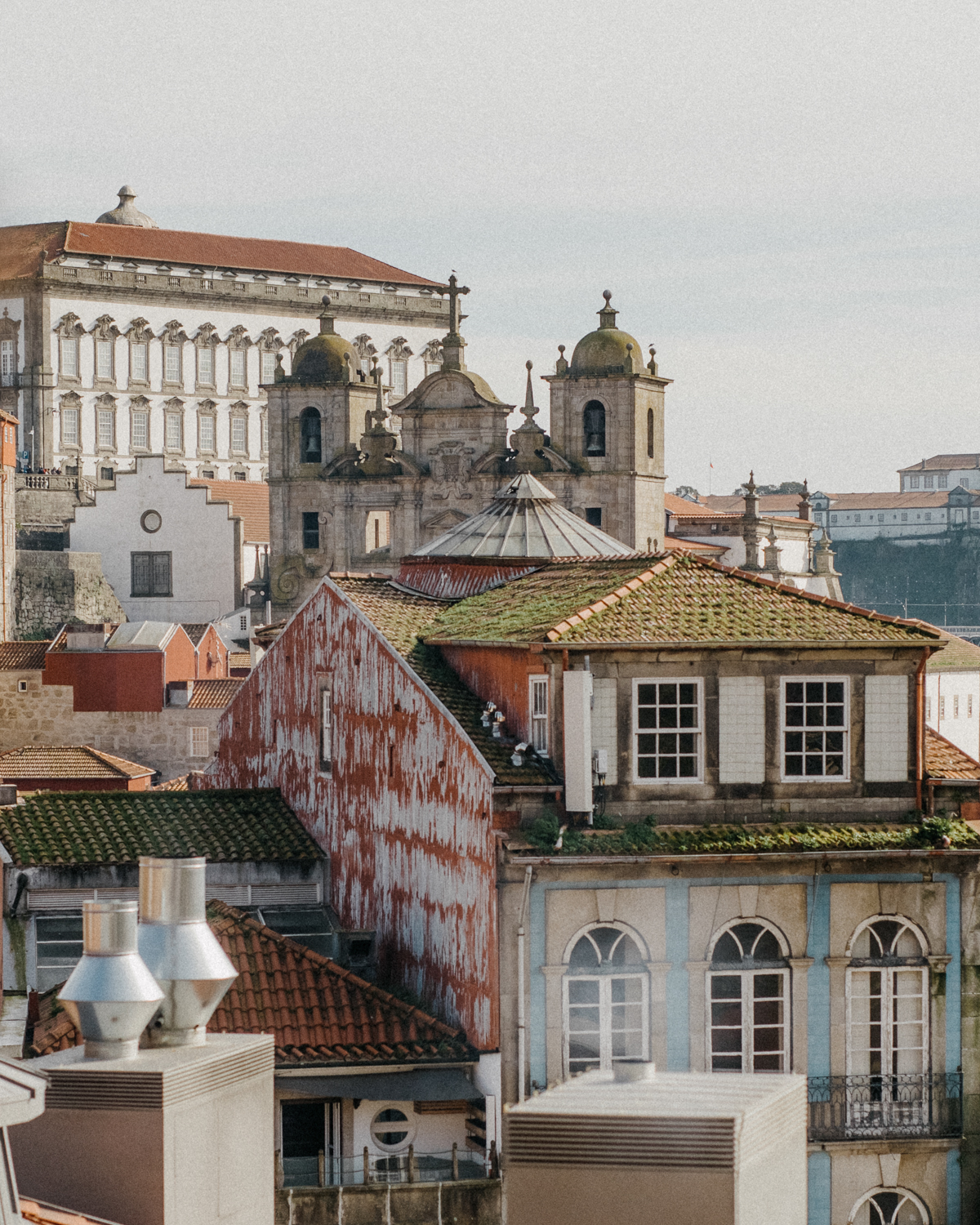
The recent history of Porto is as rich as it is convoluted. It’s a place that has long drawn a steady stream of tourists, eager to explore its charming wrought-iron balconies and rickety buildings, its exquisitely detailed, tile-clad monuments, and its gardens overlooking the bridges and hills of the inner city. Yet it’s also a place that’s still very much bustling back to life. Buildings remain abandoned behind the beautiful façades, a testament to the years when residents fled the inner city for the suburbs. Now, there’s a new rhythm to the city, fuelled by a wave of luxury yet thoughtful hotels, design-driven coffeehouses and restaurants, and a growing number of craftspeople working alongside local creatives.
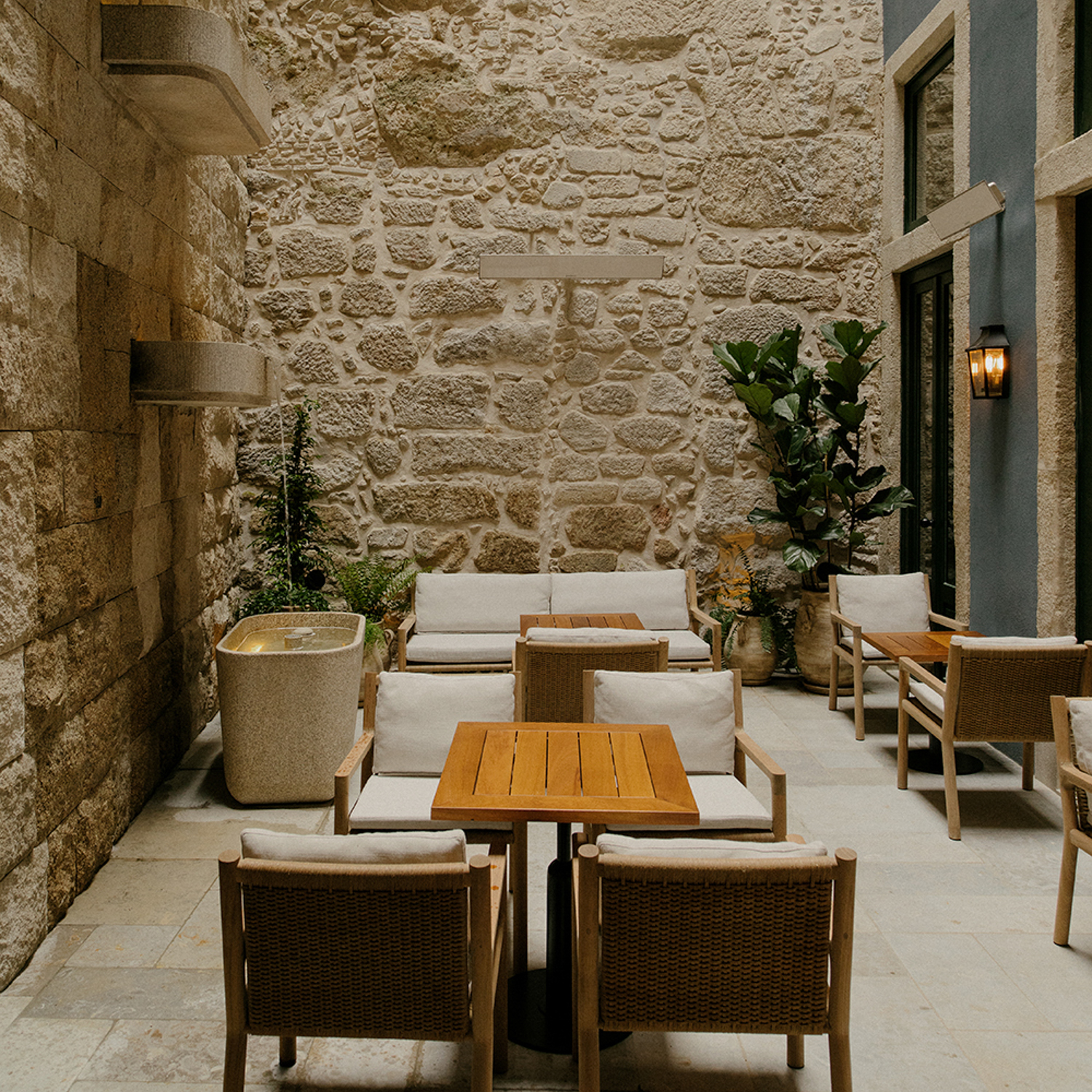
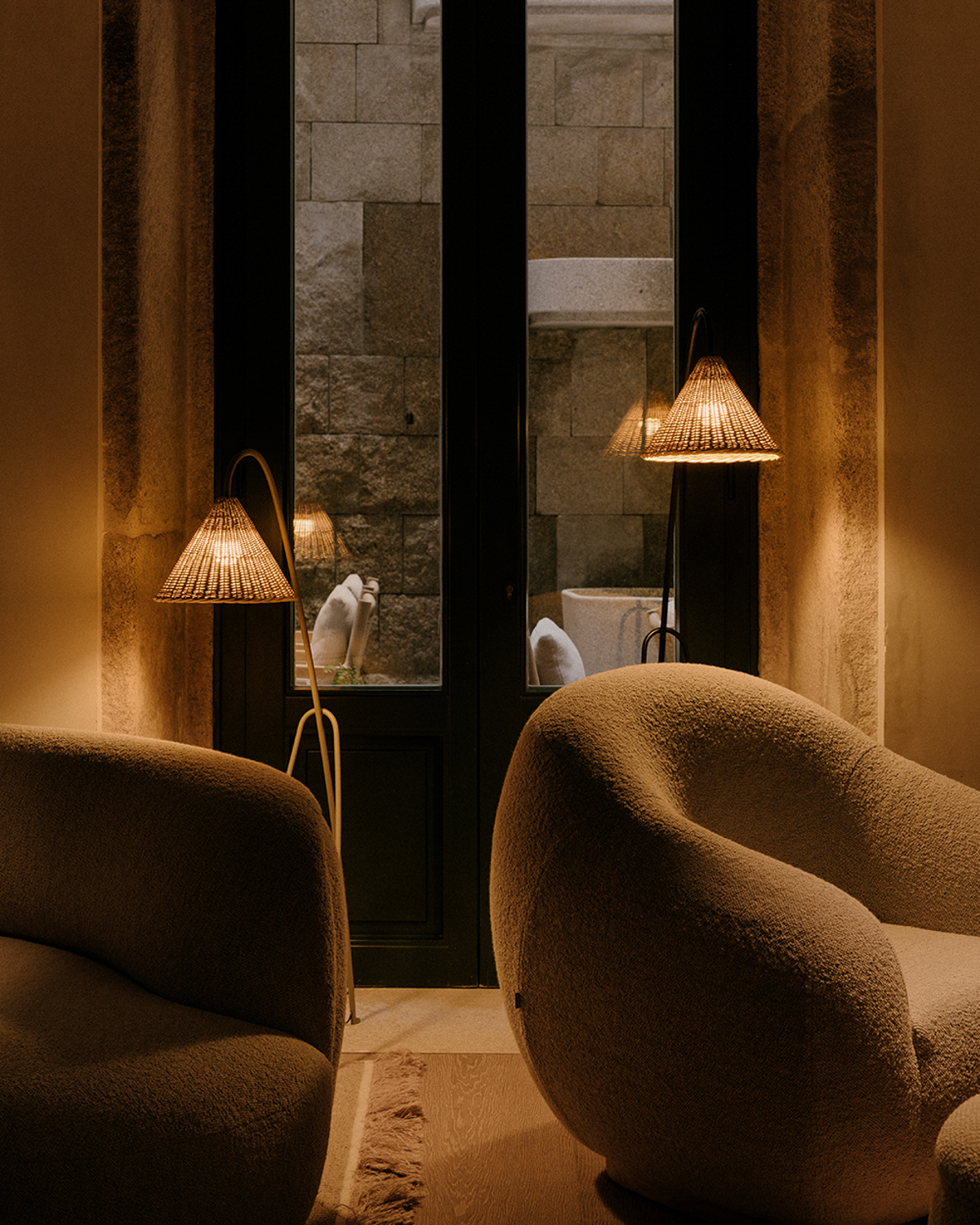
The Largo, a self-proclaimed 'home for discovery, connection and creativity', fits perfectly into this narrative. When the heavy door closes quietly behind you, the outside noise falls away. The signature musky scent of Claus Porto’s Musgo Real Classic hits you, while the cooling effect of the beige stone and concrete walls lulls you into a relaxed, spa-like state. The corridor leads to the lareira (living room), which acts as the heart of the property. Here, coffee table books perch upon wooden side tables, freestanding lamps cast a golden glow, and a scattering of bouclé sofas invite you to sit. In one corner, a mahogany drinking chest is artfully arranged with snacks, tipples and homemade cake, while directly opposite, a vast rock wall playfully captures the colours of the seasons in an immersive art installation. It’s the first indication of The Largo’s foundations: the property is carved into the rock beneath it, which forms part of the 14th-century Victoria Hill. It's also here that the 'connectors', dressed in Scandi-chic outfits made from hemp and cotton, are on hand to answer questions. When I asked where best to explore, I got the added bonus of a WhatsApp walking itinerary sent straight to my phone.
Rui Chafes’s steel sculpture, a circular orb suspended from spindly tendrils, makes use of the light wells above the rooftop pool, which offers a prime view of Porto’s terracotta rooftops. The Sabine Marcelis glass installation within the hotel’s bar, Flôr, is yet another expression of the creativity that runs throughout the property. Through an almost impossibly well-concealed door in the atrium, the stone walls open to reveal an interconnecting passage which doubles as a wine cellar. In my room, a Wunderkammer, or cabinet of curiosities, evokes and preserves the rich heritage of Northern Portugal. The upstairs breakfast room centres on an entirely open kitchen, where a feast of croissants, house-made jam alongside chunks of sourdough (with a generous dish of Quinta da Mourisca olive oil on the side), and truffled scrambled eggs is served à la carte by the pool, on Brâmica ceramics.
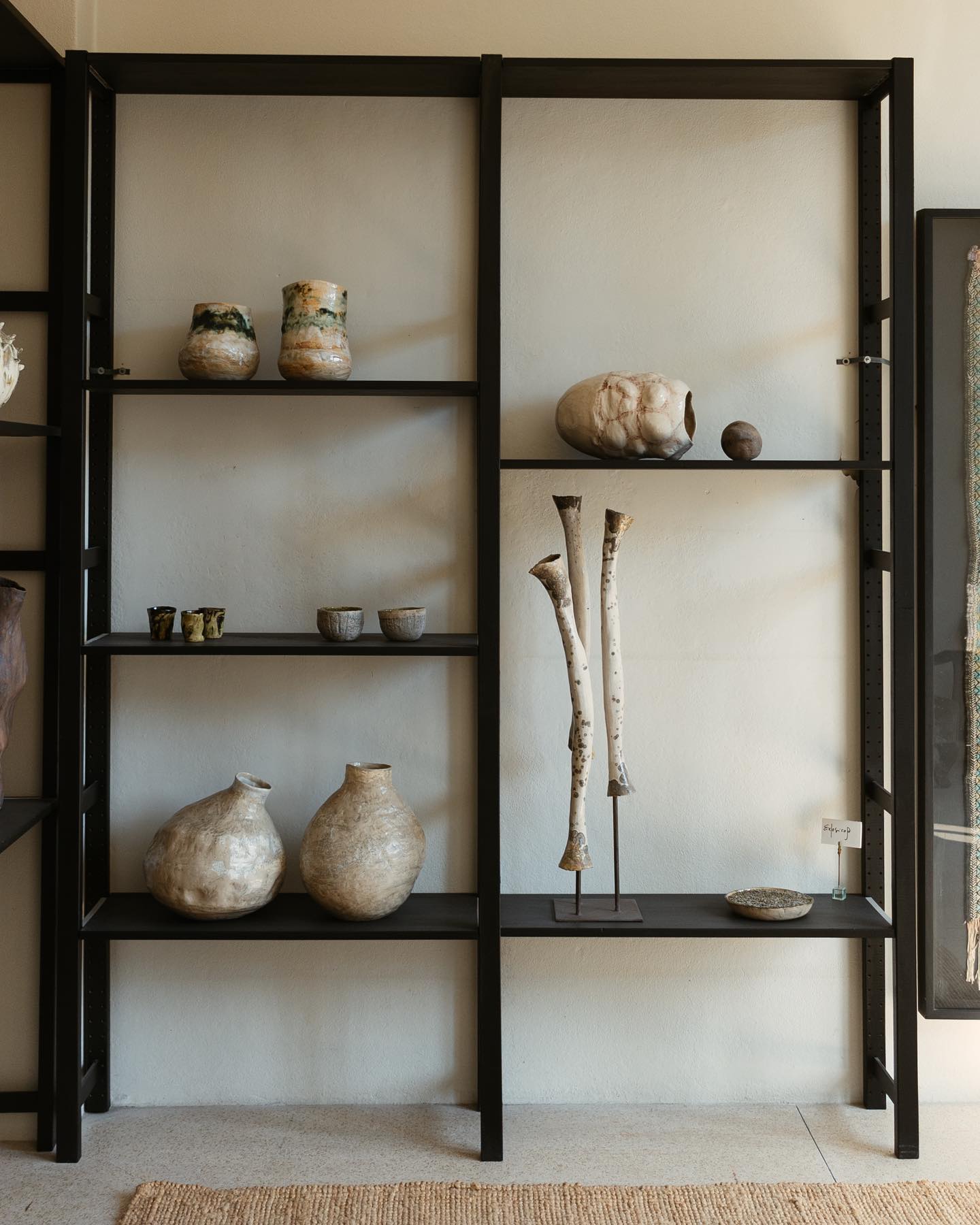
So taken with these ceramics, I head to the pottery workshop and creative studio in a residential block in Bonfim, where Teresa Branco’s pieces, alongside those of a number of resident students, beautifully fill the wooden display shelves, separated from the workspace by a linen curtain. Pigments densely line the storage units, while a large central potter’s table dominates the space.
It’s far from the only inspiring creative space in the city. There’s the concept store Out to Lunch, which butts up against its neighbouring Japanese kitchen; Menez, a creative florist studio specialising in exquisite bunches; Early Made, a chic, fashion-filled clothing store; and Casa Triunfo, a tin-packed, port-stocked épicerie, just along the road from restaurant favourite Provável.
For sweet pick-me-ups, MiBa’s artisanal, slow-fermented sourdough and pastries follow the seasons, whilst Masseira remains the go-to for perfectly laminated pain suisse. Rua de Miguel Bombarda is the city’s gallery hub, and just around the corner, at the end of the road, lies the entrance to the Jardins do Palácio de Cristal. This city park is framed by shaded lime-tree-lined paths and offers panoramic views across the river to the double-decked Dom Luís Bridge and Vila Nova de Gaia. It is on this southern bank of the river that a row of seven 19th-century post-industrial factory buildings has been transformed into The Rebello, a hotel that would become the canvas for Quiet Studio’s craft and design.
For a classic kind of lunch, Tasquinha Zé Povinho calls. A multi-plate spread of octopus salad, fish croquettes, prawns bathing in a garlic-butter sauce, and caldo verde (potato and kale soup) is all served on red ceramic dishes and washed down with half a pint of local beer, costing just over ten euros. It’s here that workmen leave their hard hats by the entrance before joining locals, family or friends around red-and-white checked tablecloths covered with paper sheets, laid out once an order is placed. A family institution through and through.
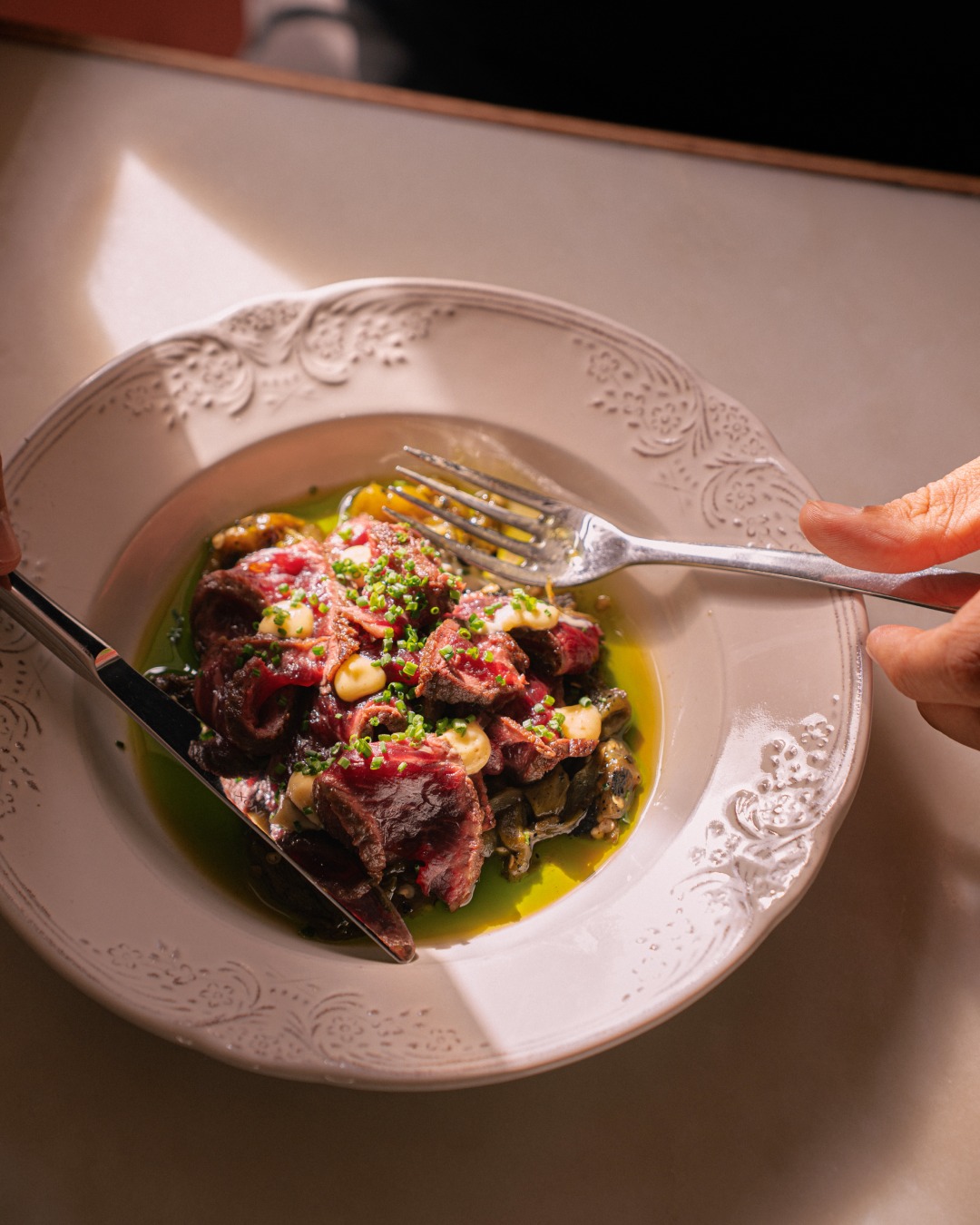
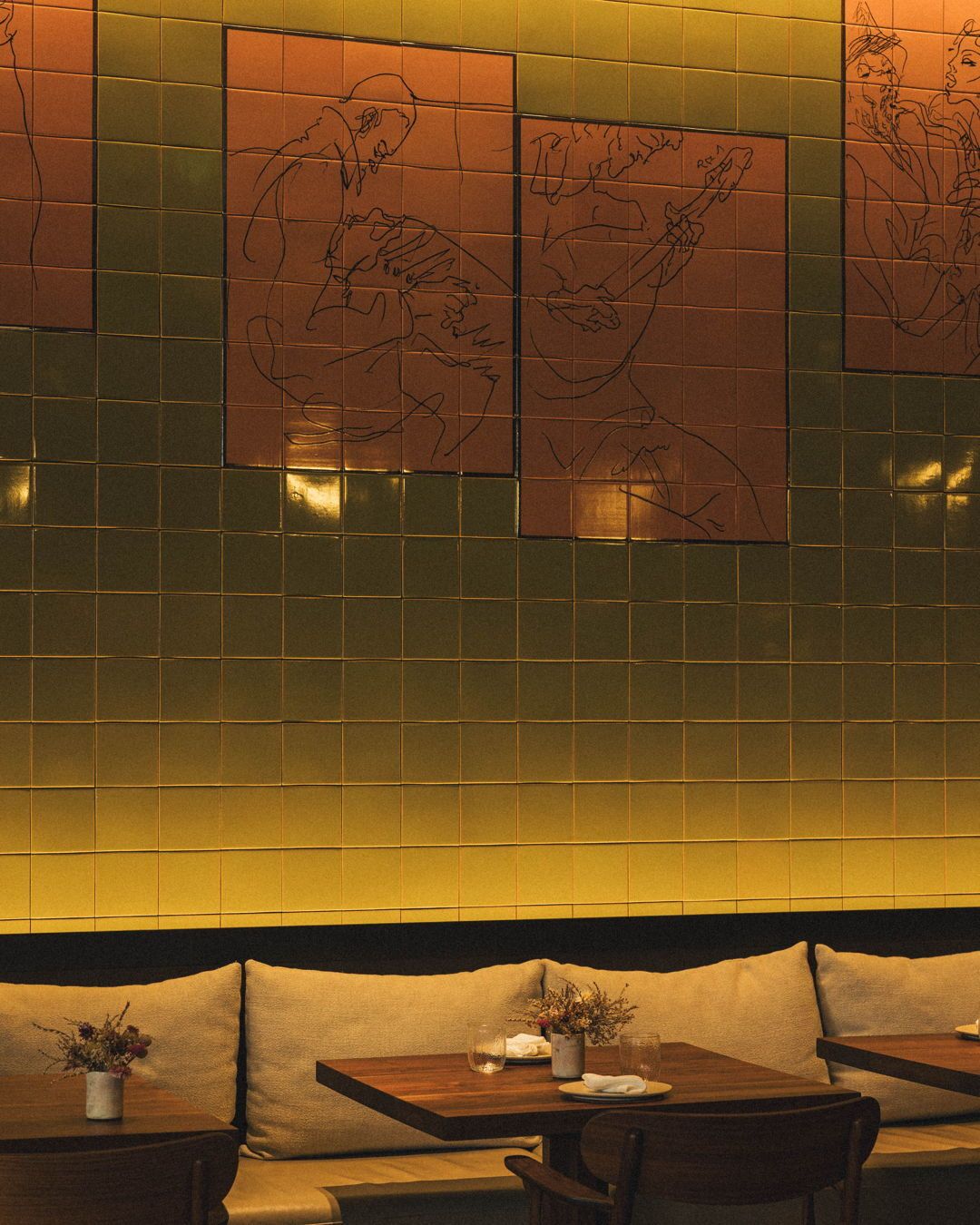
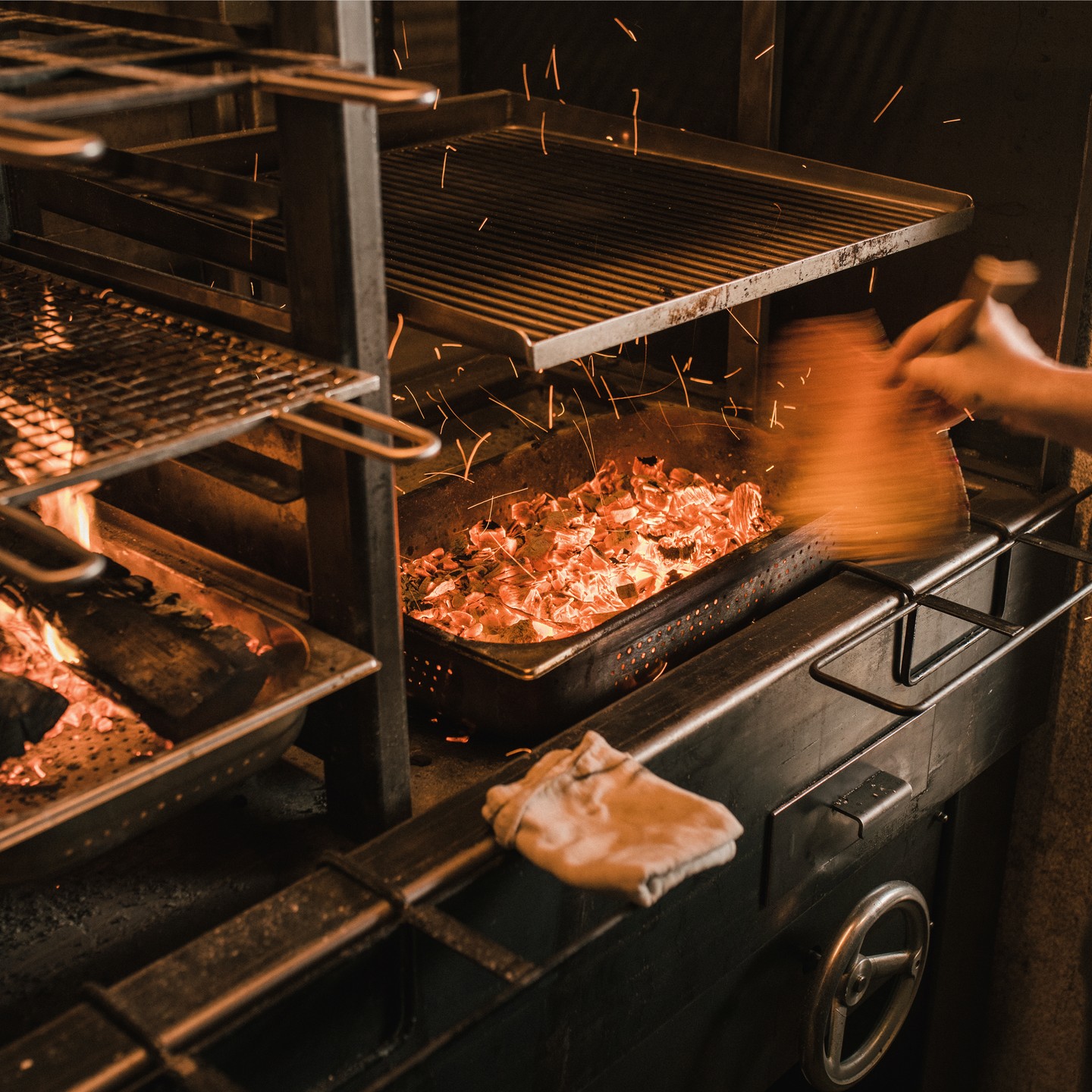
Then there’s Cozinha das Flores. A wide, open-flame fire burns behind an expansive, open-plan marble kitchen, which faces a bright green and orange tile mural of musicians designed by renowned Pritzker Prize-winning architect Álvaro Siza Vieira. Under the warm light of soft table lamps, dishes arrive inspired by the flavours and landscapes of northern Portugal. Chef Nuno Mendes’s menu centres on the seasonality and creativity of the region: mackerel gazpacho serves as a teaser ahead of the main three-course meal, during which pea fritters are richly packed with herbal broth and drizzled with allium oil, braised fish rests on a bed of curry sauce, and my dessert, listed simply as ‘Milk’ on the menu, combines layers of milk in different forms (reduced, skinned and powdered). A genius nod to Mendes’s childhood spent on his grandparents’ dairy farm.
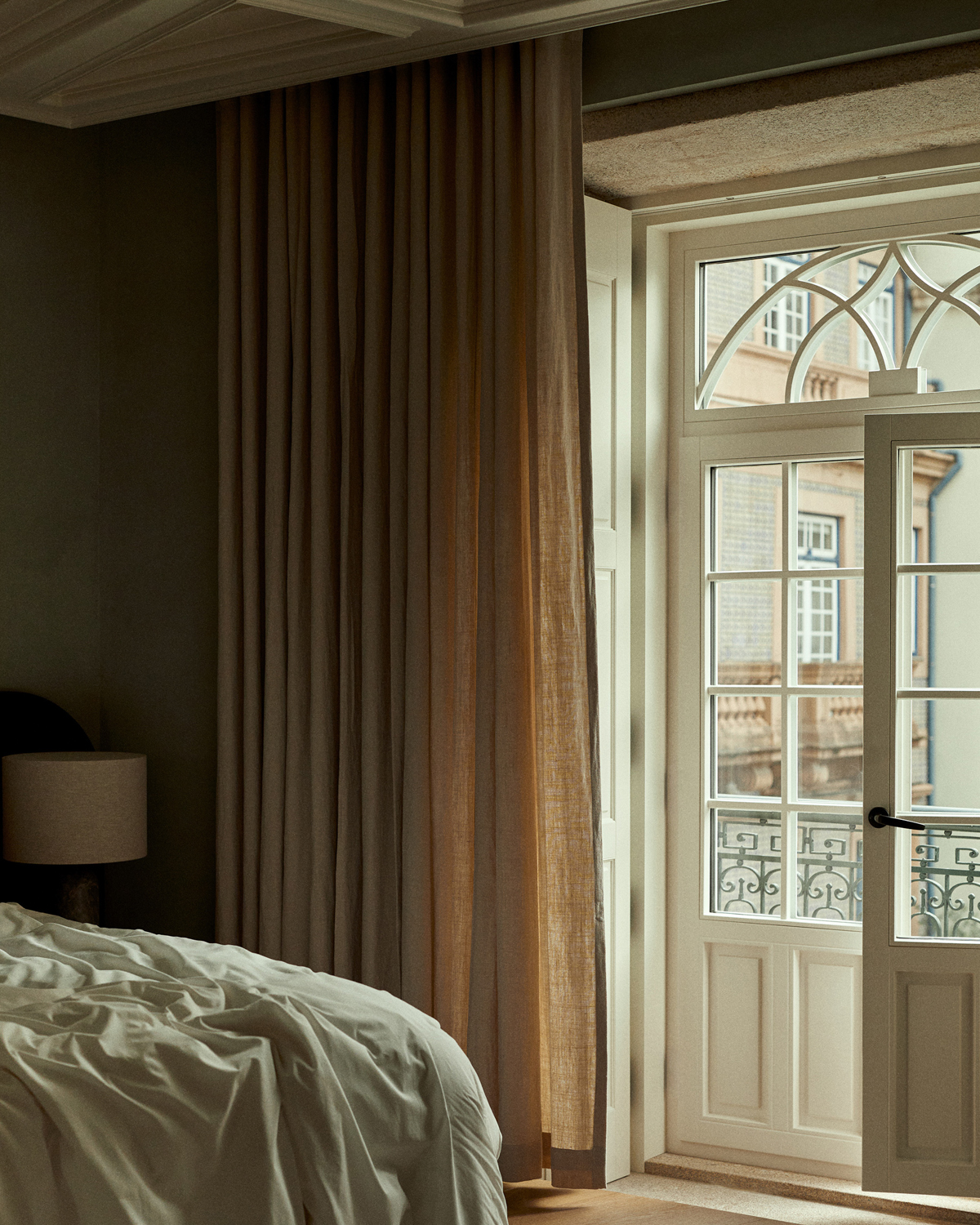
When I return to the calm hold of the Largo Suite, yet more snacks are laid out on a richly embroidered linen table mat, beneath a bunch of freshly picked flowers. This time, there’s a delicate chamomile and lemon infusion alongside a sticky, sweet sunflower seed tart, while the minibar is stocked with cork-topped house-made cocktails – including a tempting white Negroni, best served with a twist of aromatic lime peel from the kitchen countertop. My room, complete with a vast L-shaped sofa in keeping with Space Copenhagen’s signature minimalist designs, is now bathed in a golden glow. Floor-to-ceiling curtains drape from the frescoed ceiling, while slippers sit propped up at the foot of the enormous bed. It’s a calm stronghold amid the city’s bustle, the 'Home of Porto' for good reason.
Hannah Rees-Middleton
Wild swimming. Natural wine. Excellent exhibitions. And glorious country walks. These are a few of our editor Hannah Rees-Middleton’s favourite things. Whether she’s bouncing around Mexico, paddling through the Kenwood Ladies’ Pond or ogling another mound of butter at a fabulous supper club, Hannah is always in the midst of something cool. A consummate planner, a lover of beautiful things, a traveller never without a camera and a deck of cards. Hannah is many things (including the perfect resource for perfect travel tips).