under canvas
There’s something primal — electrifying, even — about sleeping under canvas. The hush of the wild outside, the wind rattling the guy lines, the thrill of waking up in the middle of a landscape unchanged by time. And while Africa may have perfected the art of the safari tent, a new breed of nomadic camps is bringing this raw-luxe experience to some of the world’s wildest corners. Whether pitched on Arctic tundra, Mongolian steppe, or Omani desert, these roving retreats leave no trace once guests check out (or the season ends), and melt back into the wild as if they were never there.
Oman Expeditions
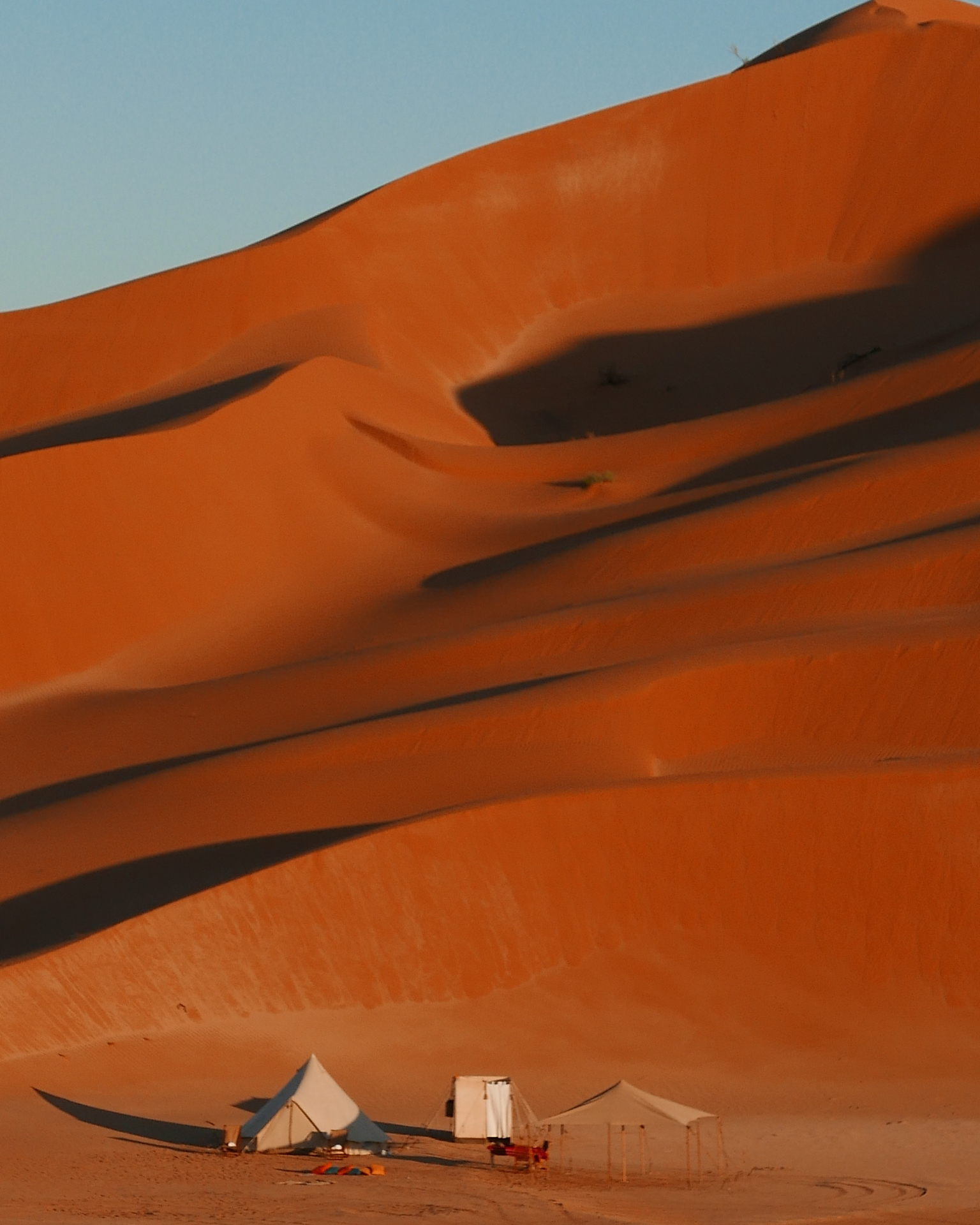
Few places deliver desert wilderness quite like Oman, where tour operator Oman Expeditions pitches up its Bedouin-styled camps — all Arabian rugs, oil lamps and creamy linen — far from the tourist trail. Ever-changing and fully bespoke itineraries shift like the desert winds, and could bring you to the secret wadis of the Musandam Peninsula or the salt-encrusted vastness of Bar al Hikman. Nights deliver Middle Eastern feasts in the glow of a roaring campfire, while daytime expeditions bring you up close with rare Arabian humpback whales and ancient frankincense trading routes.
Nomad Greenland
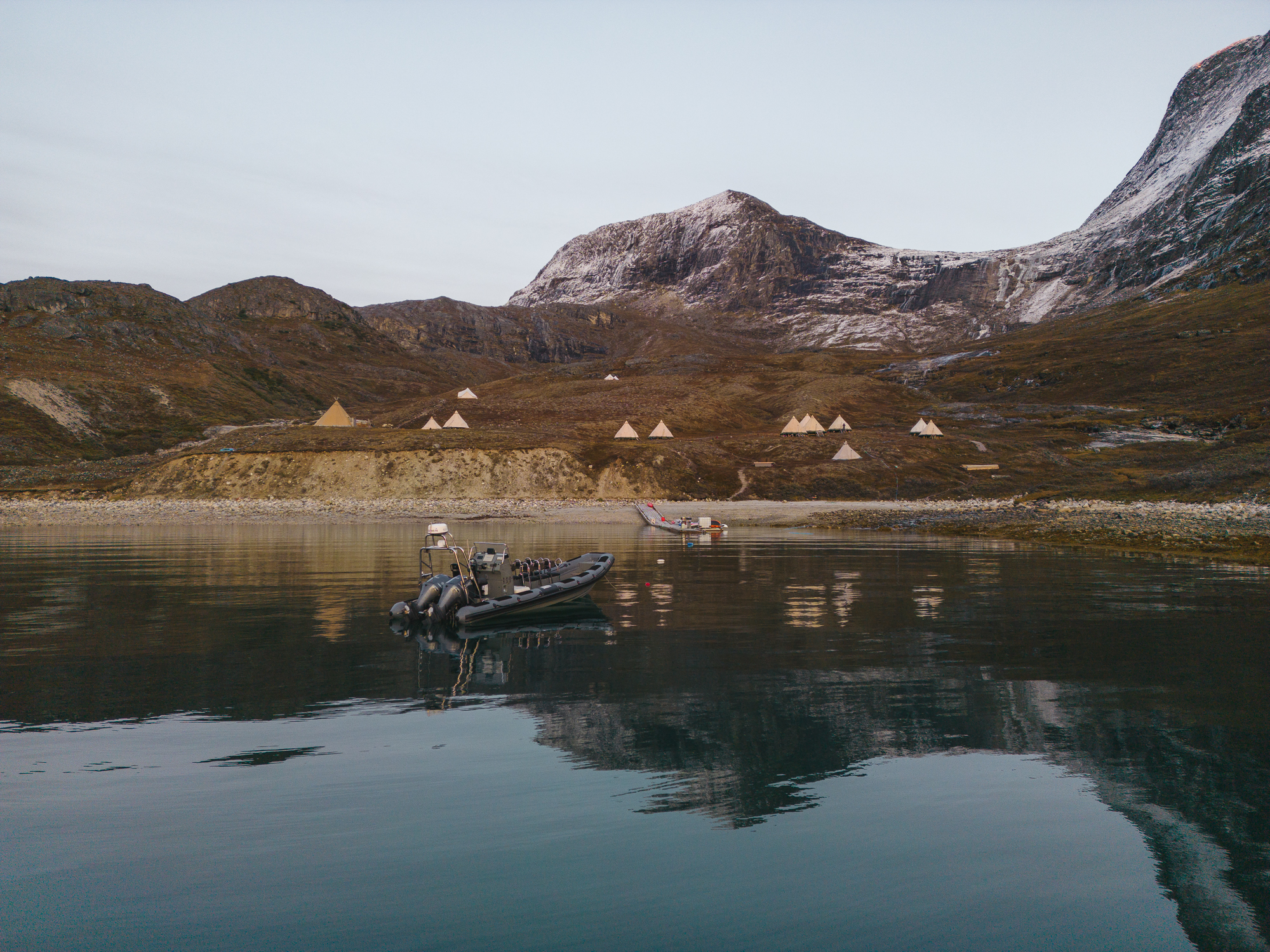
A duo of canvas camps on the edge of the Arctic, Nomad Greenland brings you deep into the raw beauty of the world’s largest island. Days around its campsites — there's one in Disko Bay, and another one in the Nuuk Fjord — are spent kayaking past icebergs, dogsledding with Inuit mushers, or hiking through wildflower-speckled tundra. On winter nights, the Arctic sky puts on a show, with the aurora borealis gliding over the luminous ice cap. And even in this remote wilderness, there’s plenty of warmth: steaming bowls of reindeer stew and soft sheepskin throws warm up the communal dining tent at dinner.
Socotra Island Expeditions
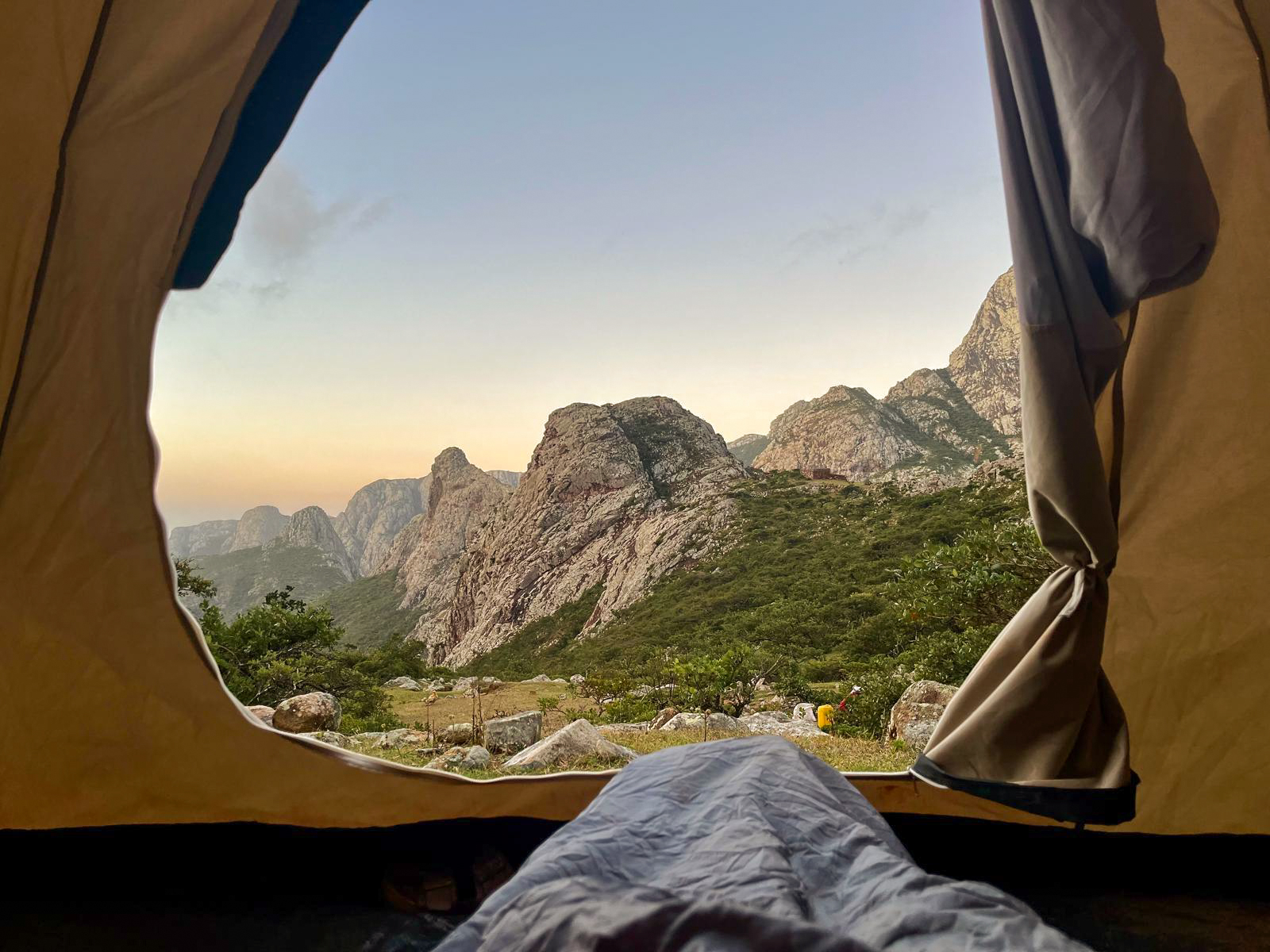
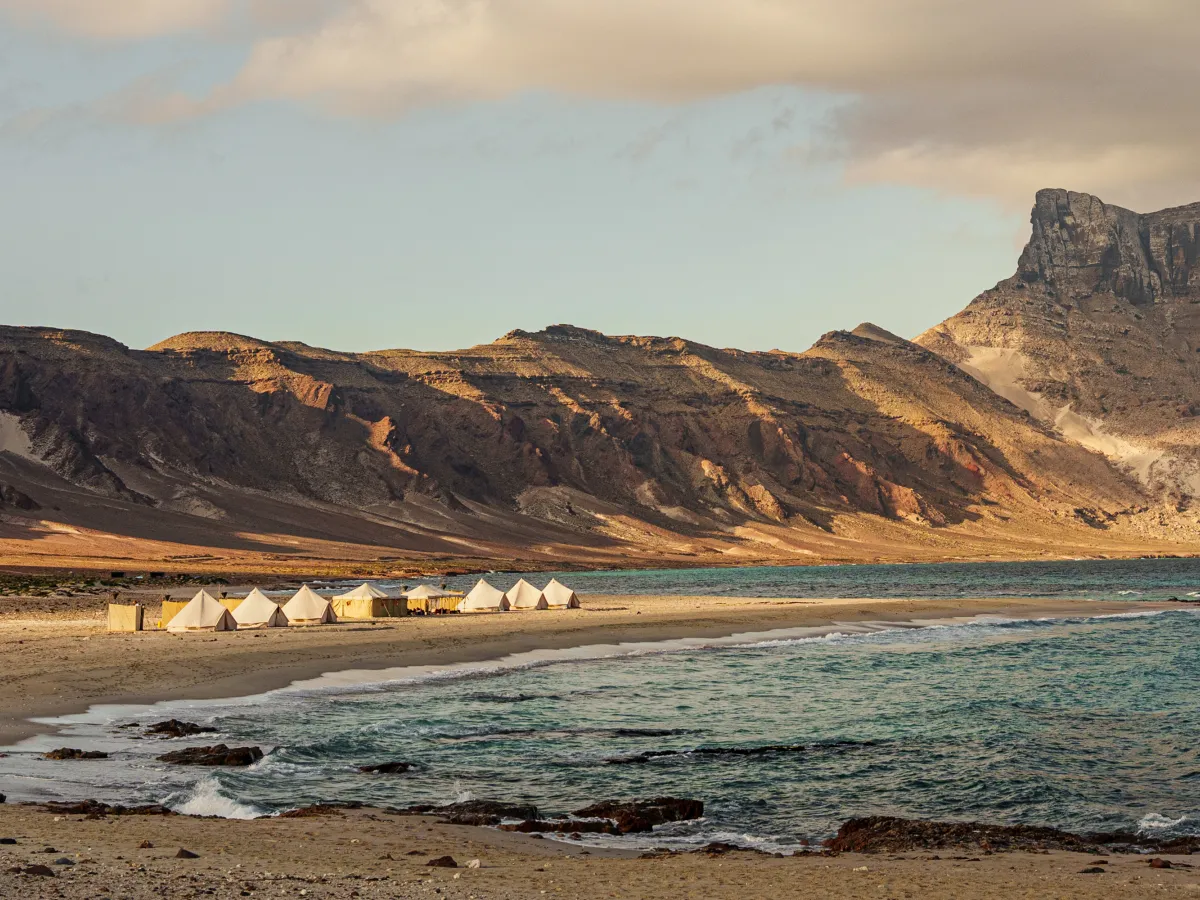
Socotra, a Yemeni island closer to the Horn of Africa than the Arabian Peninsula, feels like an alien world where dragon’s blood trees mushroom from limestone plateaus, and powder-white beaches melt into the Arabian Sea. Socotra Island Expeditions, Socotra's only luxury tour operator, moves its expedition-style camps with the rhythm of the island, setting up its teepees and pillow-strewn Bedouin tents on private perches near wind- carved dunes or the remote highlands of the island's deep south. Camels transport gear between camping spots, while treks are punctuated with swims in emerald wadi pools and tea with local sheiks.
Genghis Khan Retreat
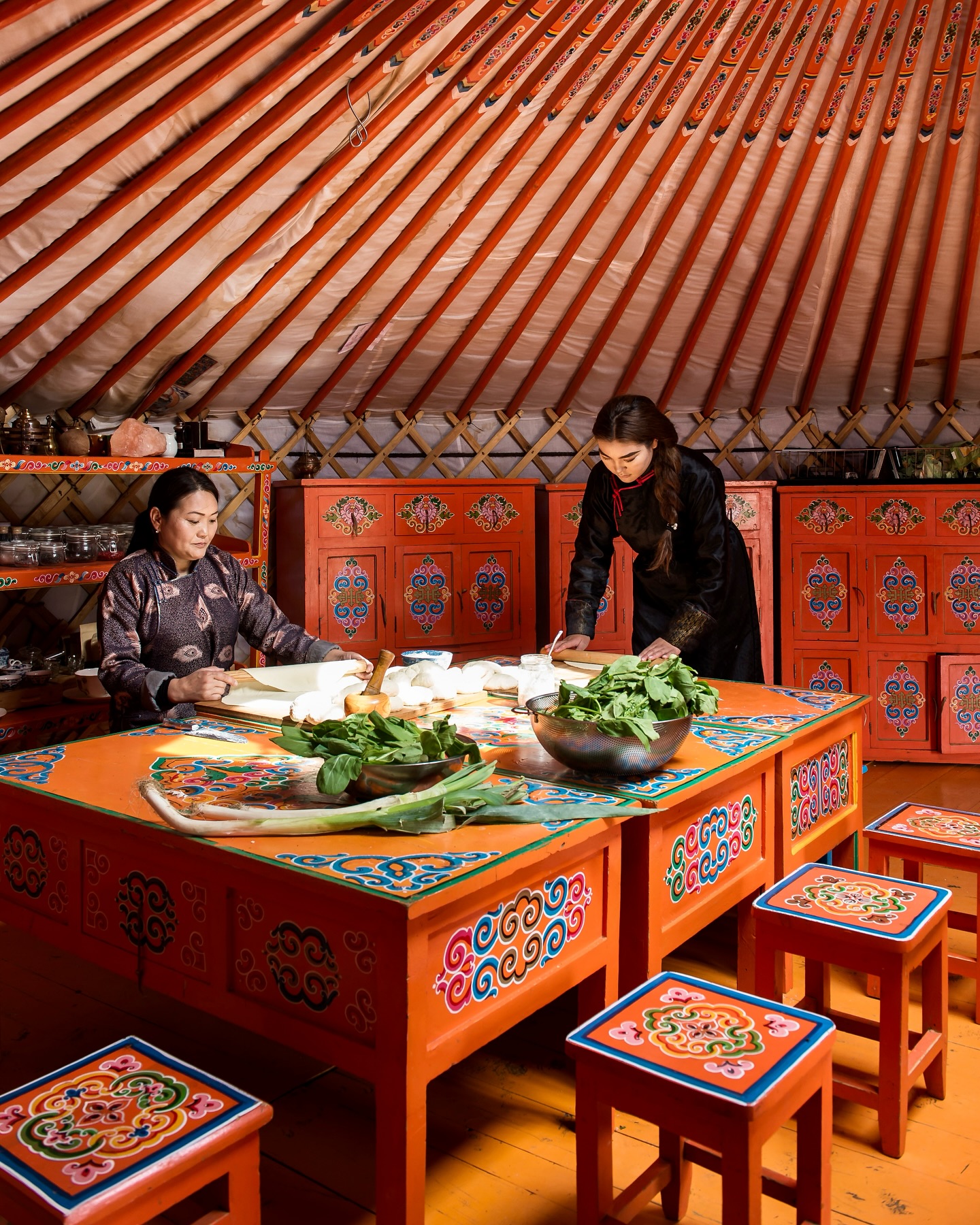
A string of elegant gers — Mongolia’s roly-poly round tents from felt and horsehair — dot the steppe at Genghis Khan Retreat, a seasonal camp that blends nomadic simplicity with unexpected comforts like fire-heated tubs and throws from Hermés-quality cashmere. Days fill up with kayak trips and horseback rides around the Orkhon Valley, tracing the trails of ancient Khans who once roamed these endless fields. At the end of each summer season, the gers pack up, leaving behind nothing but circles of flattened grass.
Beyul Experiences
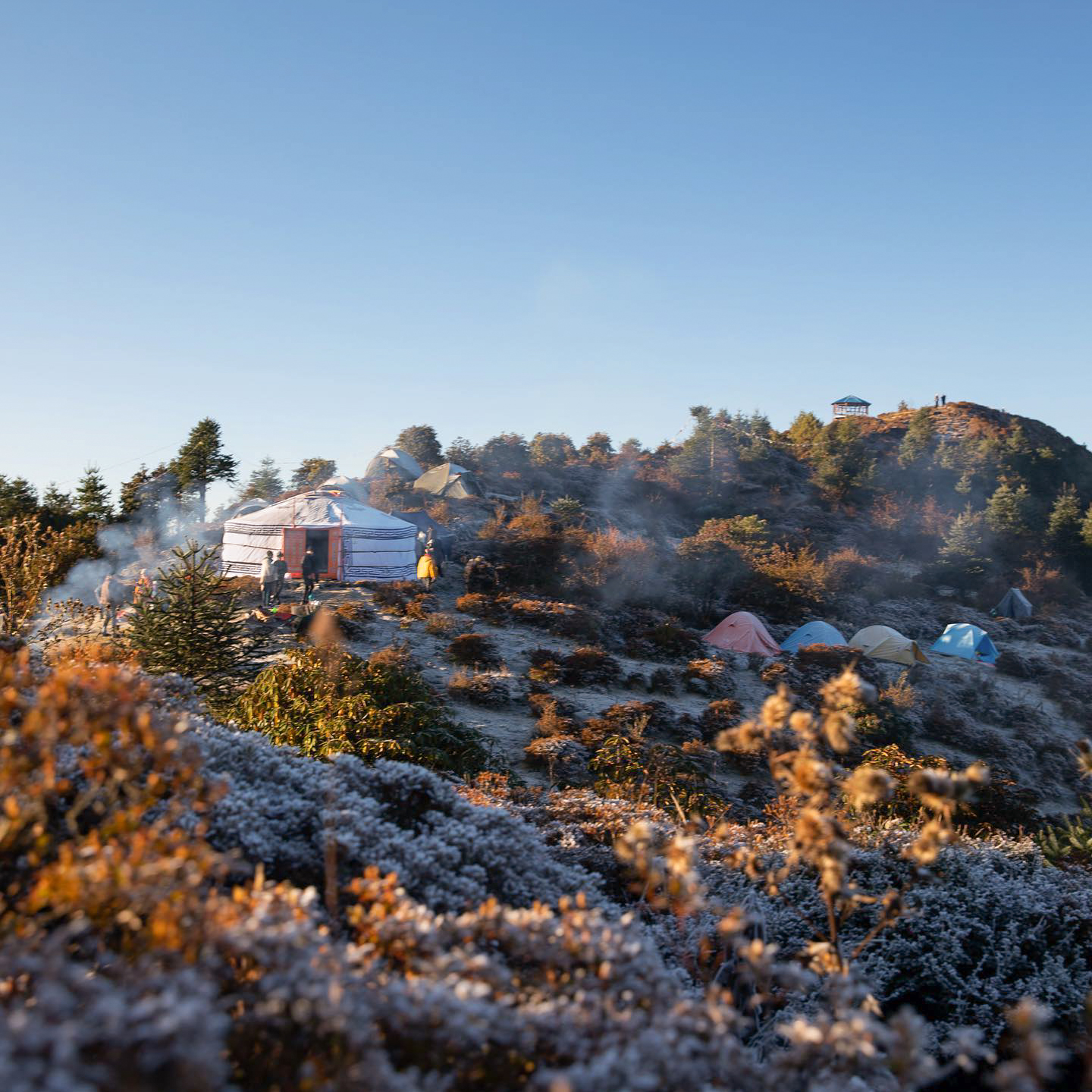
In Buddhist folklore, a beyul is a hidden valley, a sacred refuge where the spirit finds peace. Kathmandu-based tour outfit Beyul Experiences brings this mythology to life by setting up tented camps in remote corners of Nepal's Solu Khumbu region. On its multi-night trips, you'll hike through rhododendron-covered slopes and high-altitude meadows, and each evening, you'll bed down in yurt-style tents with pinch-me views, such as the Mt. Everest's snowy peak lighting up like liquid gold at sunrise.
HL Adventure
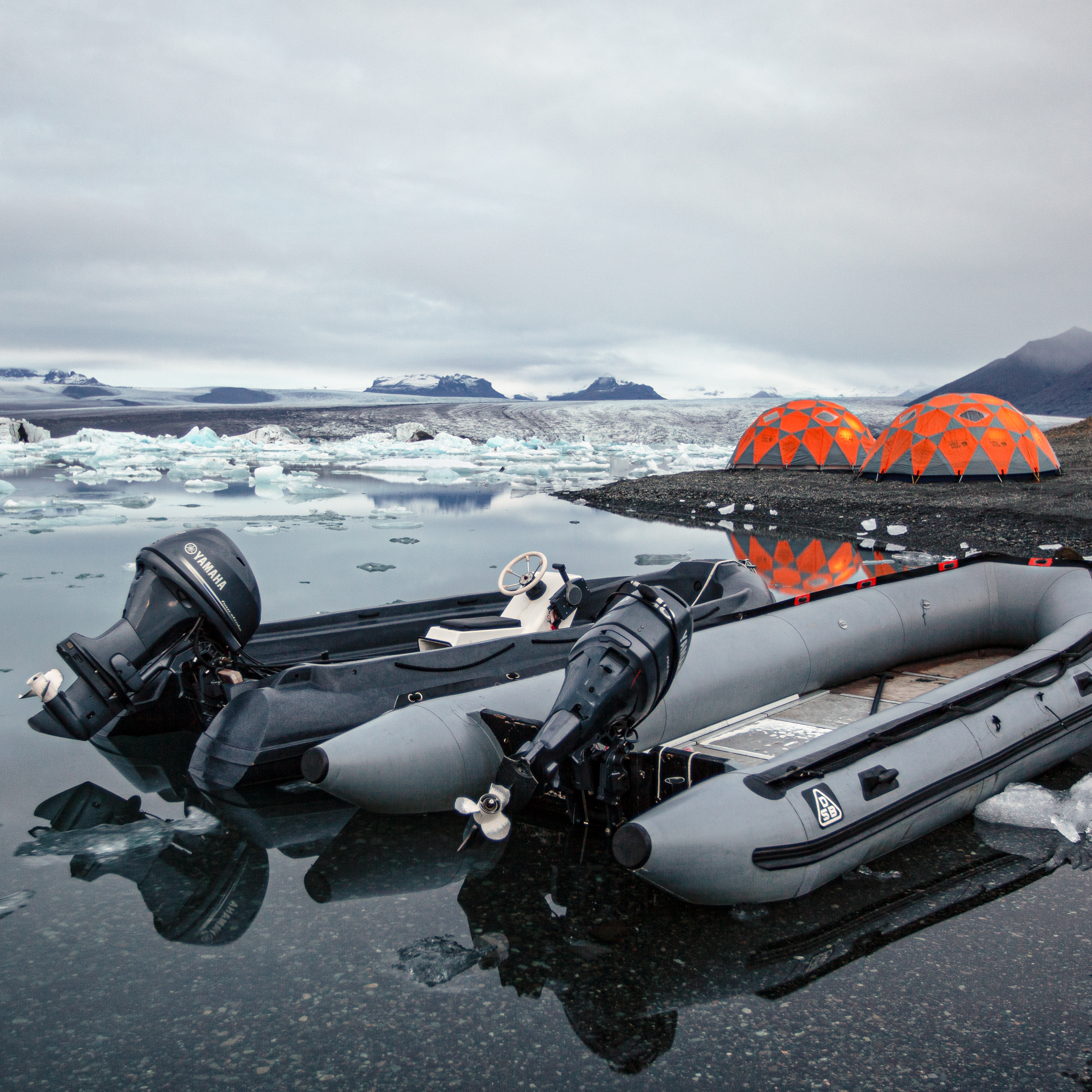
Glaciers, volcanoes, and lunar-like lava fields shape the dramatic backdrops for HL Adventure’s expedition camps in Iceland. The exact location of its dome-like tents moves according to the seasons, so the camps could pop up on a windswept black-sand beach one month, or in a moss-covered valley the next (with enough time to plan, few spots are off-limits). Adventures could include helicopter drop-offs, ice-cave explorations, and snowmobiling tours across untouched glacier peaks. And if you're lucky, you might just catch the northern lights dancing across the horizon.
Sangwa Camp
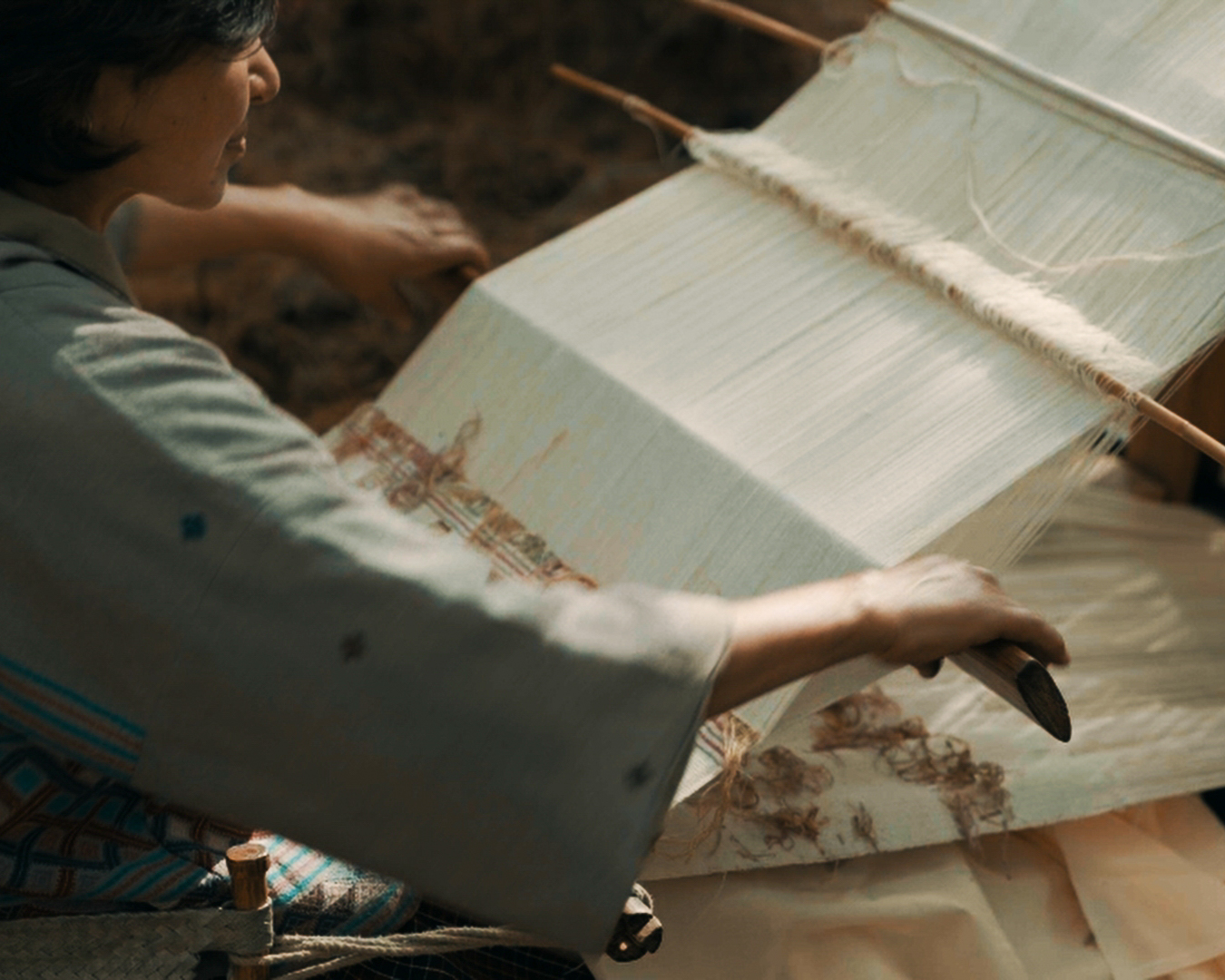
Most visitors to Bhutan follow a well-trodden circuit of luxury lodges sprinkled around its central valleys, which leaves many of its remoter corners — Haa, Gasa and Tsirang among them — virtually untouched by tourism. Here, even basic accommodations are thin on the ground, but at the new Sangwa Camp, a roving campsite built from bamboo furniture and Bhutanese textiles, there's no need to rough it. Built from scratch based on guests' needs, they come with plush picnic setups, hot-stone baths, and hotel-comfy bedding — perfect for resting weary muscles between hikes to cliff-clinging monasteries and Himalayan mountaintops cloaked in snow.
Caravane Liotard
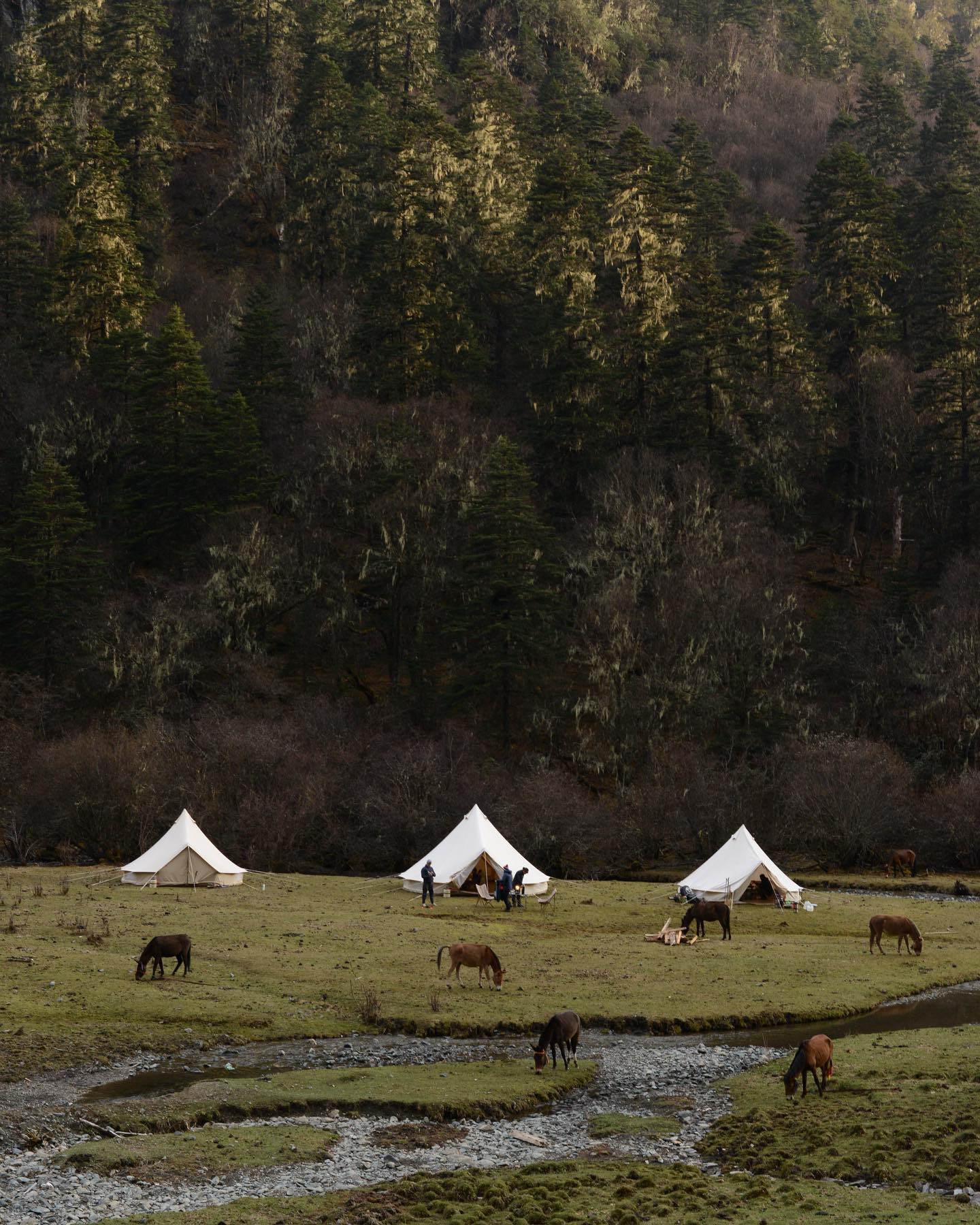
Following in the footsteps of the tea merchants who crossed Yunnan into the Tibetan Himalayas during the Tea Horse Road heyday some 1000 years ago, Caravane Liotard's four-day treks weave through some of China's wildest frontiers. Each night, porters unpack the leather chests and canvas bags, transforming remote plateaus into richly textured campsites with Tibetan carpets, safari chairs, candelabras, and petrol lamps. Meals from barley bread and foraged mushrooms come served on silverware by the fire, and by morning, the entire camp vanishes, leaving only a whisper of its presence between the juniper trees.
Plan South America
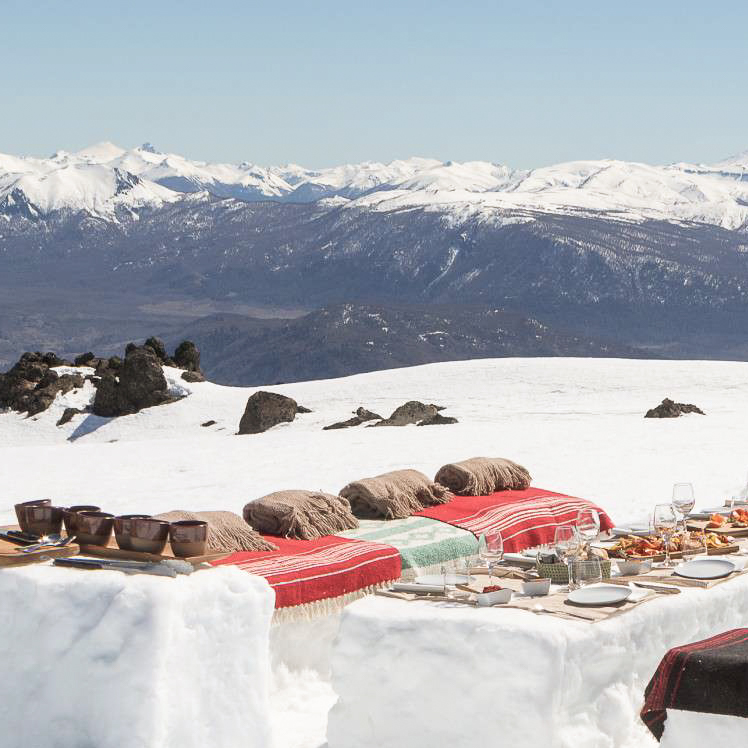
Deep in Patagonia, where the Andes cuts jagged lines against the sky, Plan South America’s nomadic camp roams between some of Argentina’s most exhilarating landscapes. With up to 35 safari-style tents, this totally tailorable camp can host everyone from honeymoon couples to extended family crews, and days are designed to be as wild — or as relaxed — as you like: ride with gauchos across golden pampas, fish for trout in glacial rivers, or trek through lenga forests to viewpoints where condors gyrate overhead.
Chris Schalkx
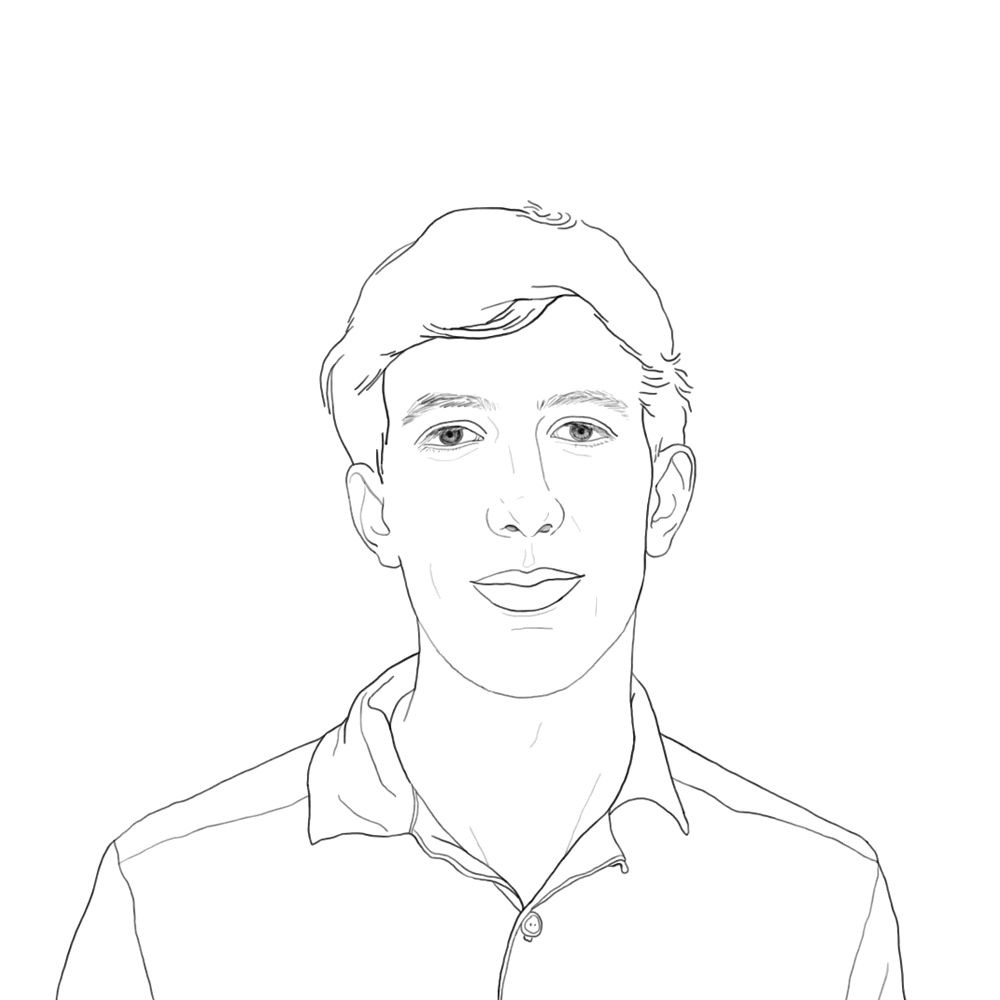
With words and images in Travel + Leisure, Condé Nast Traveler, Architectural Digest and Bloomberg Pursuits, our friend Chris is undeniably in the know. From luxe camping in Antarctica to two unforgettable weeks in Bhutan with a toddler in tow, he’s done it all. When he’s planning trips, Chris starts with a killer hotel and lets things unfold from there. It’s about the journey rather than the plan for him. With his nearly indestructible Rimowa carry-on and camera in tow, this culture fiend is perfectly suited for discovering the undiscovered.