this eco-island escape is the real deal
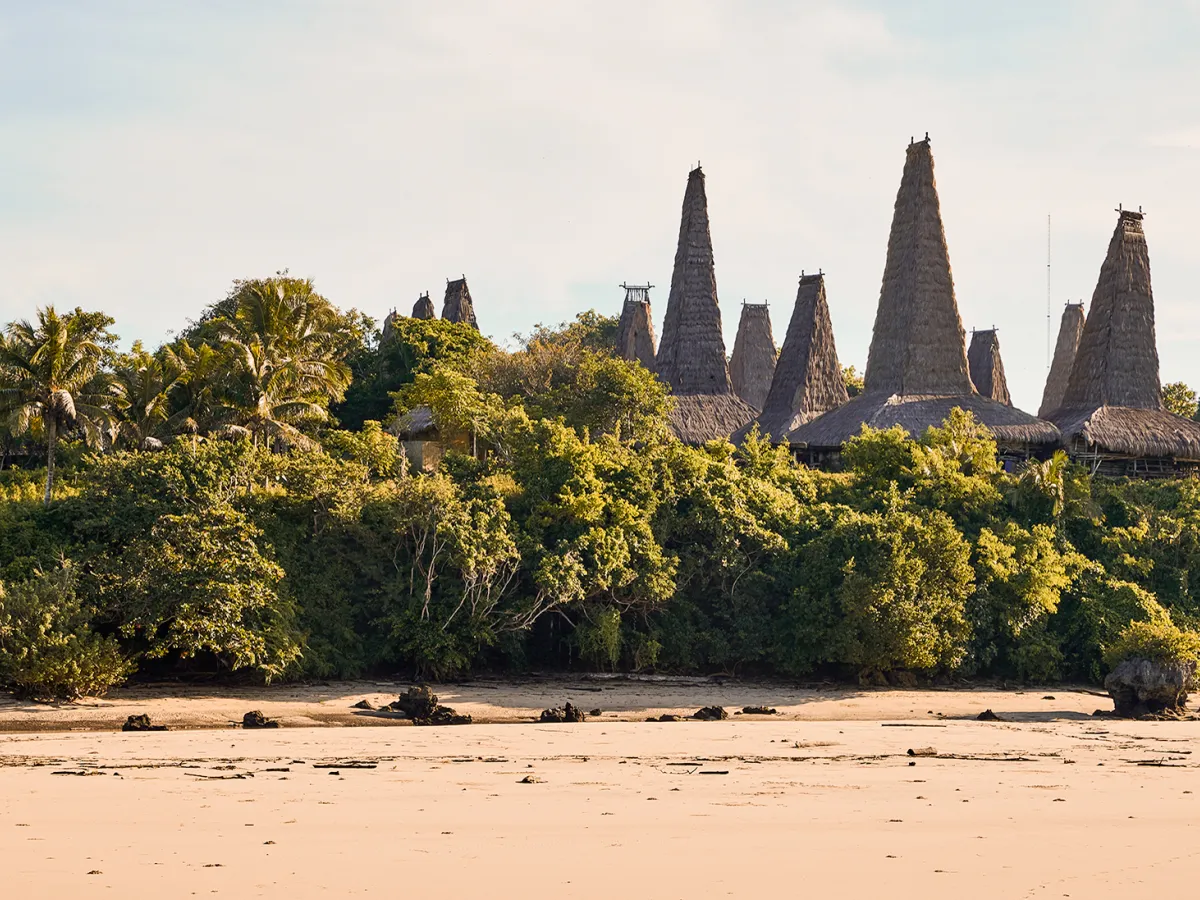
Think of the world’s best hospitality schools and images of buttoned-up institutions in Switzerland might spring to mind. But hidden among the green pastures of Sumba – one of Indonesia’s poorest islands – is a bamboo-clad eco-resort, Maringi, which also serves as a hospitality training ground for the most eager-to-learn students from Sumba.
This underdeveloped island, twice the size of Bali, is home to more buffaloes than cars, gushing waterfalls, and wild horses galloping along palm-fringed beaches. Just a short flight from Bali, Sumba is whispered about across the Timor Sea, attracting curious travellers eager to explore its untouched beauty and chase its reliable surf breaks.
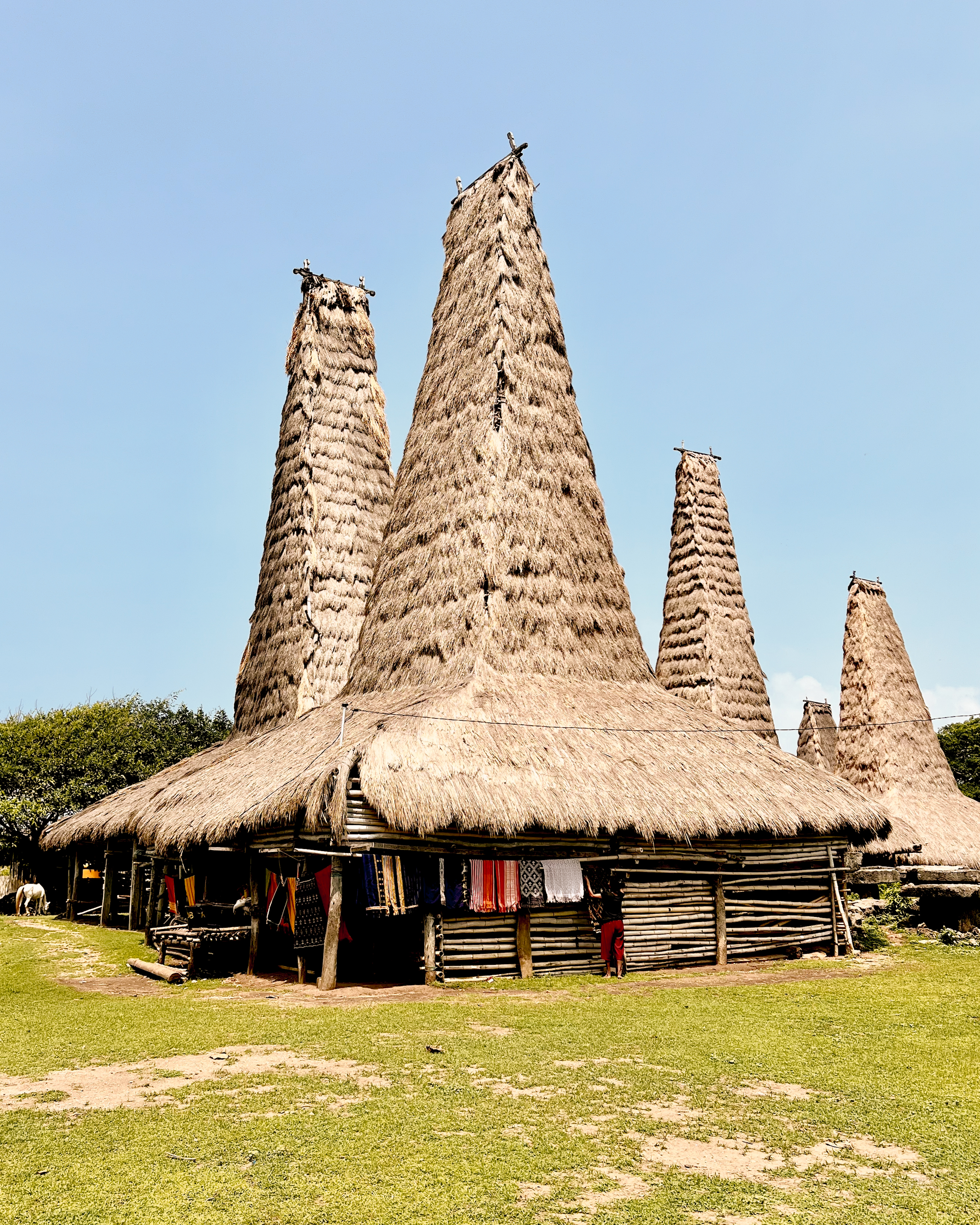
With an indigenous, low-income population mostly living in thatched kampong villages, Sumba might seem an unlikely place to learn the art of luxury hospitality, but everything changed when philanthropist Inge De Lathauwer visited the island in 2013. “When I visited, I saw both sides. I saw potential. I saw incredible young people, full of energy and spirit. But I also saw a huge gap. They weren’t speaking English. They didn’t have access to proper training or opportunity. Tourism was coming – already there in parts – but the people weren’t ready for it in a way that could empower them or protect their culture,” explains De Lathauwer. And that’s what struck her most. She didn’t want to arrive and impose, or assume she knew best. Instead, she asked: What do you need? What do you want for your community? That was the starting point.
From there, the idea for the Sumba Hospitality Foundation (SHF) and its vocational training hotel school, Maringi – meaning “to give” in Indonesian – began to take shape. The goal was to create something long-term, sustainable, and capable of impacting generations to come – a school not just focused on hotel skills but built on a broader vision. It’s not marked by infinity pools or butler service, but by banana-paper walls, bamboo beams, and the soundtrack of a classrooms-in-session. This is Maringi: a training hotel that functions as a top-notch hotel but is also a blueprint for what luxury can mean in the 21st century.
It is, in part, this commitment to heritage that makes the hotel such a success, giving visitors a sense of place and the students a sense of pride and ownership of their land. Opened in 2016, Maringi Sumba has all the hallmarks of a smart boutique hotel – clusters of pool villas, a spa and wellness space, daily yoga, an on-site restaurant and bar serving crowd-pleasing Indonesian food, and daily housekeeping, all run by dedicated students and overseen by teachers. The service and training are five-star and guests are guaranteed a more soulful connection to the island than a cookie-cutter hotel. It’s a hotel but with a massive bonus – one that guests can engage with as little or as much as they like.
With Maringi comes an opportunity for the islanders to continue their education after high school at a cost far below that of any advanced studies university. It is so affordable, in fact, that it is even cheaper than high school itself. For families who had already made the effort to send their children through high school, this made the choice easier. Many were drawn by the promise of learning English, knowing it was the key to finding work in Bali or other tourist hubs. At the time, however, the concept of hospitality and tourism education was quite new and even a little strange – because tourism on the island was still minimal, and few could envision what opportunities it might bring. "When we started the idea was still unfamiliar and abstract for most”, explains De Lathauwer.
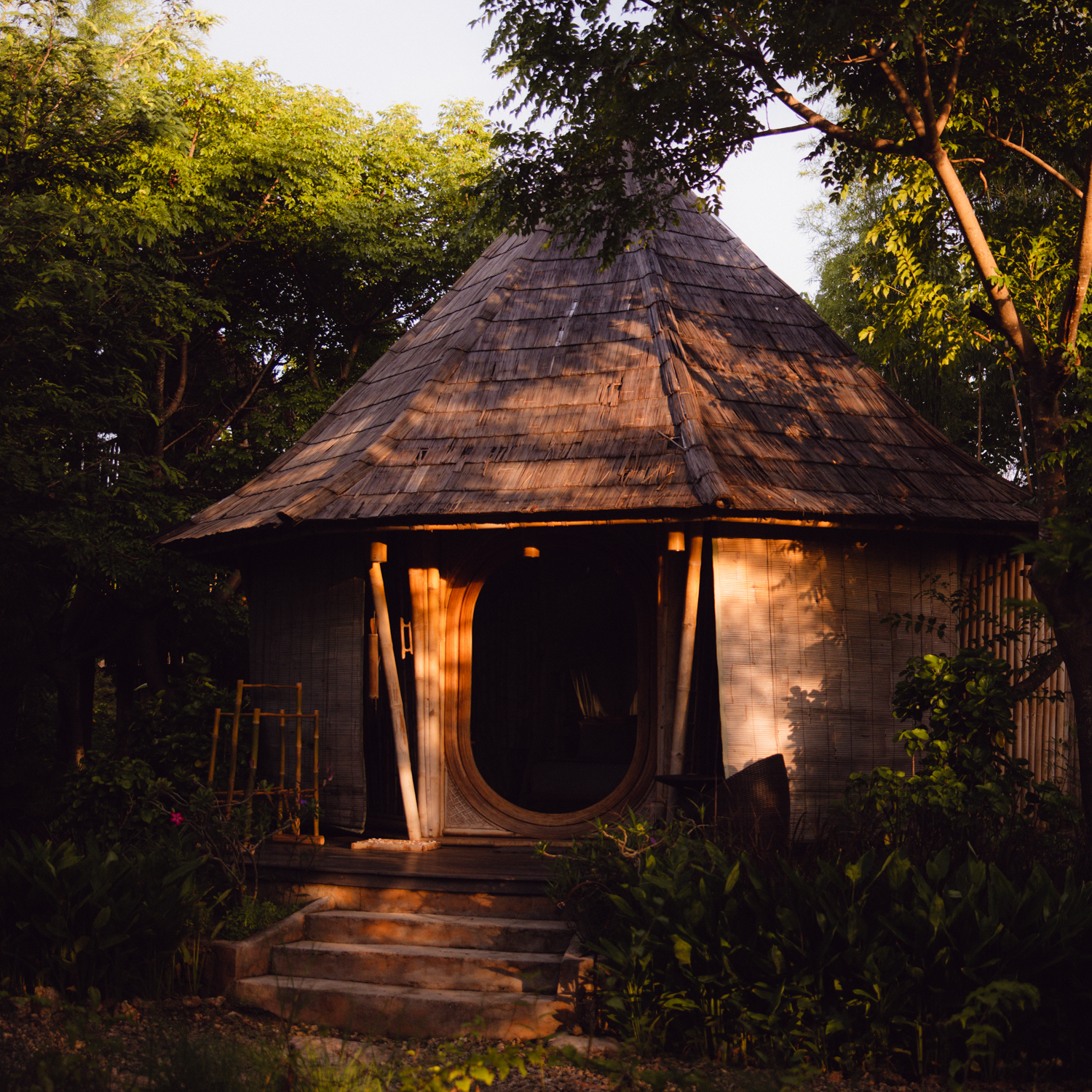
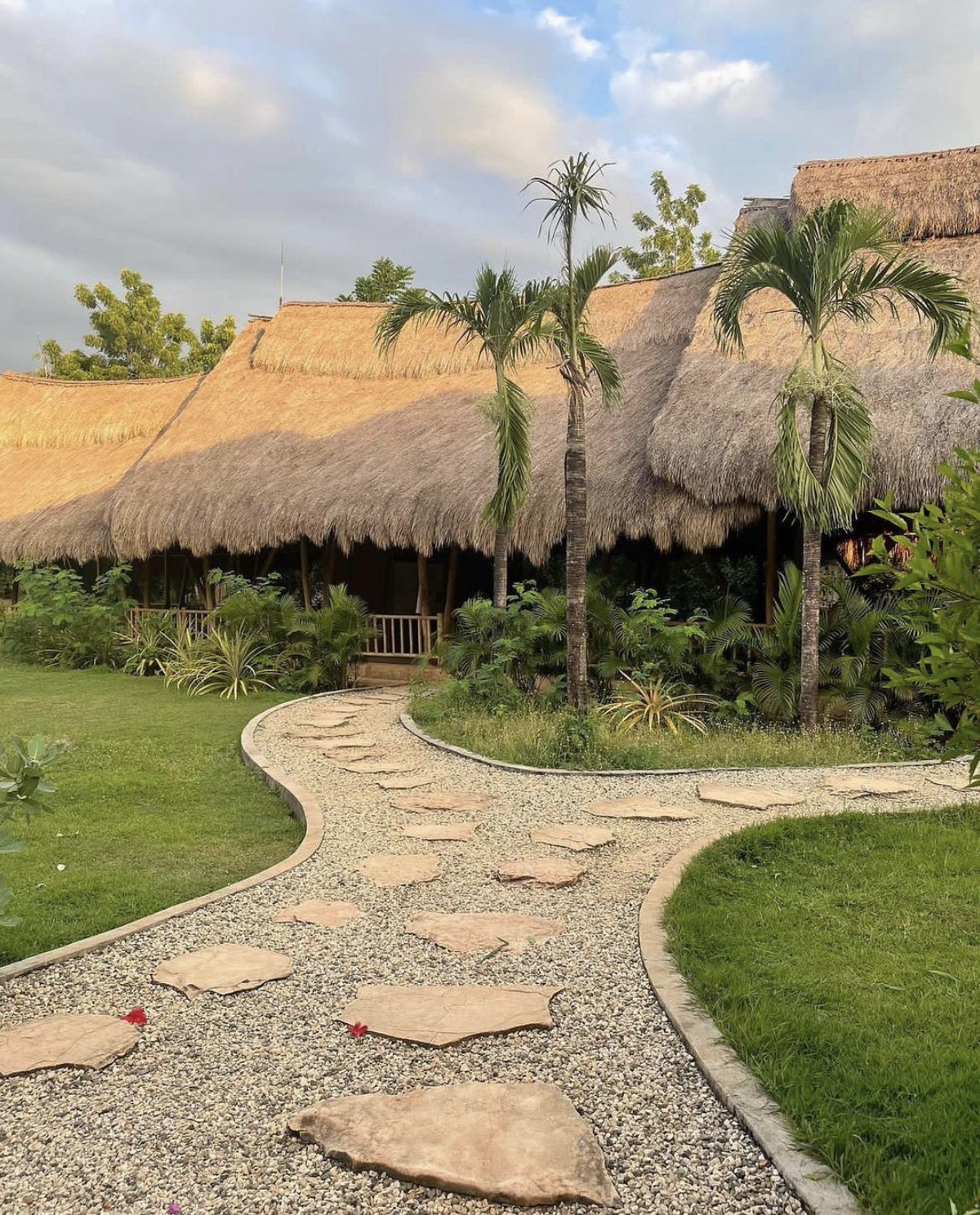
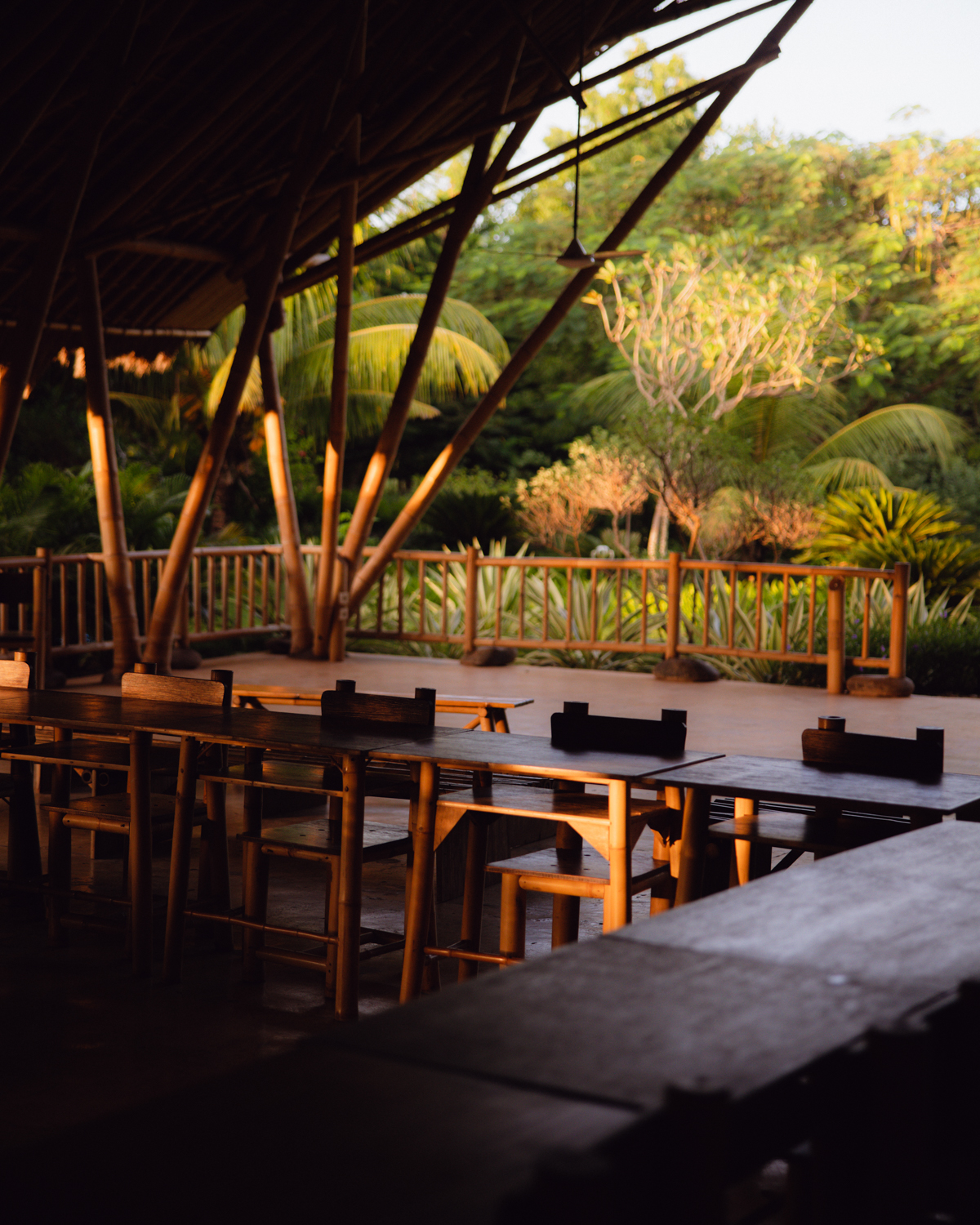
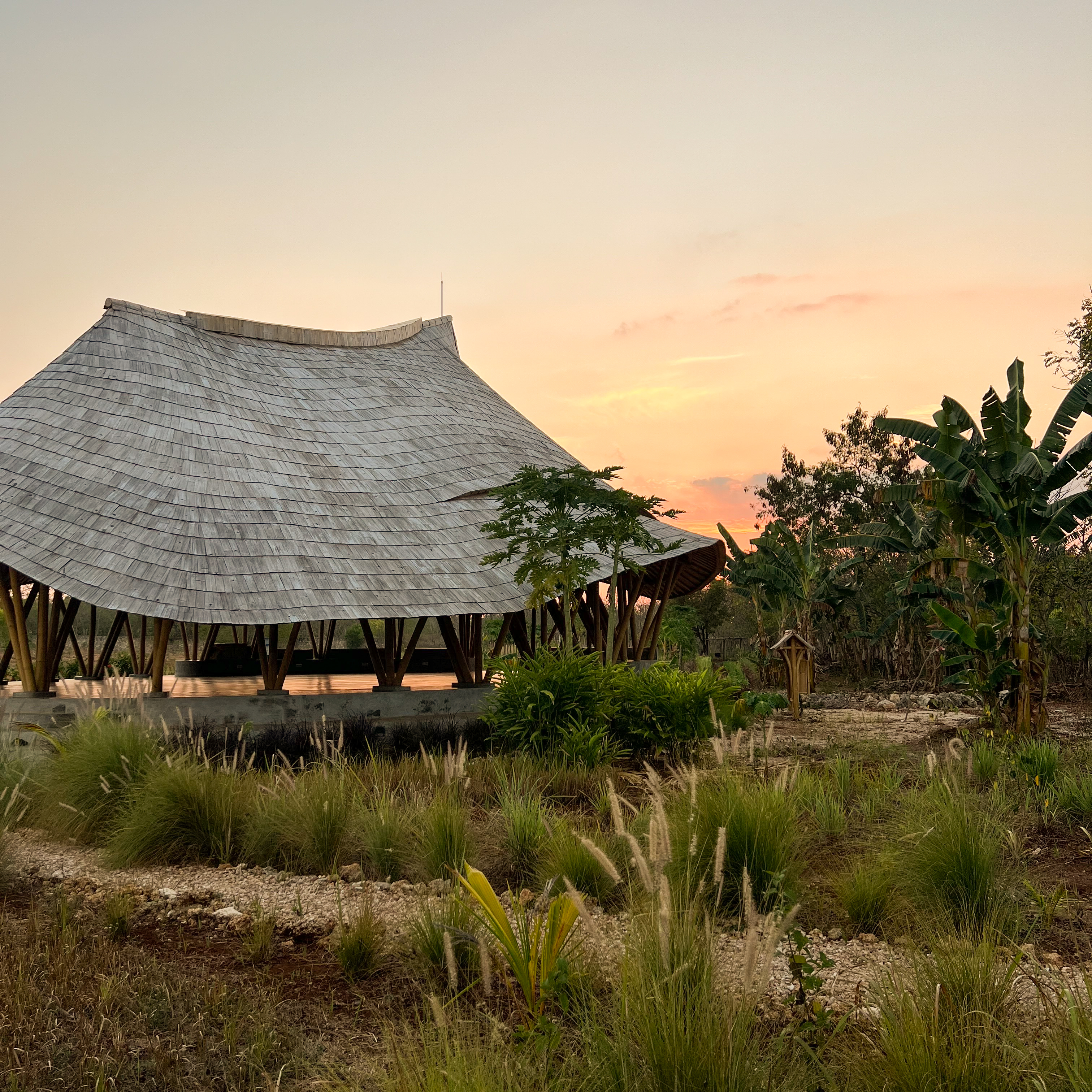
Built from locally sourced bamboo and stone, the hotel form echoes the architecture of traditional Sumbanese kampongs: octagonal with soaring, thatched roofs that taper dramatically towards the sky like ceremonial headdresses. At the core of Maringi’s identity is a deep respect for nature and local craftsmanship. Every material has been chosen not just for its beauty, but for its connection to place. Bamboo, harvested locally, grows to full maturity in just four years and sequesters carbon at astonishing rates. It is both light and strong, renewable and resilient.
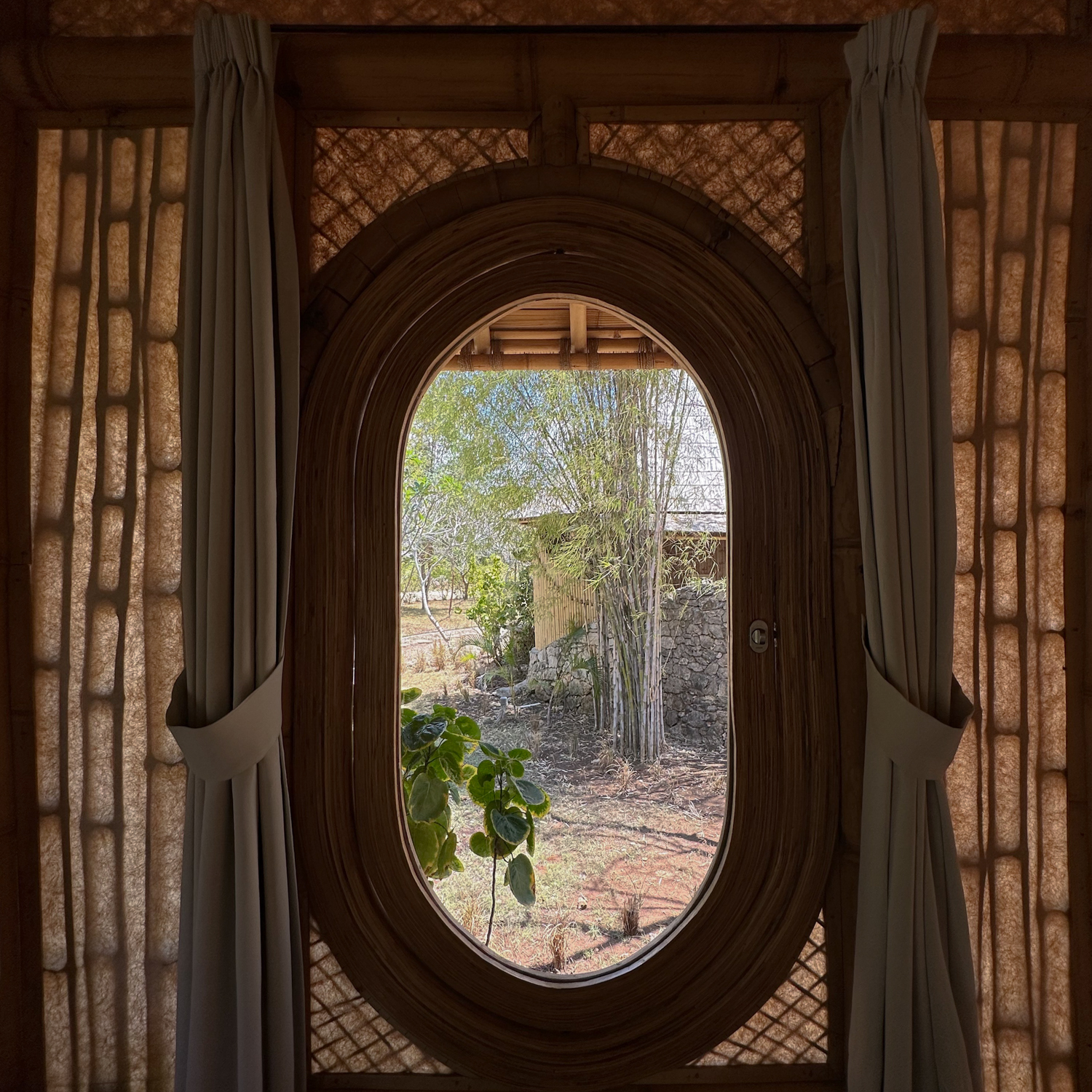
Inside, walls are made from banana paper – not a modern invention, but a rediscovered one, crafted from the fibrous stems of banana trees. Its texture is warm, earthy, tactile and it serves more than one purpose. It cools the rooms naturally by insulating against the island heat, while filtering Sumba’s golden light into a soft, amber-hued glow. The result is a truly unique brain-tickling space that has been built in tandem with the environment: a blend of function and form which reflects the island’s natural abundance.
Beyond just a hotel, it’s also a living classroom. Guests are invited to sit in on student sessions, and often take part by sharing stories, insights, and cultural knowledge. This exchange, while informal, is a huge boon for the students, who are eager to engage with new perspectives and global ideas. “Our students are like sponges. They’re genuinely curious – not just about service, but about the world”, says De Lathauwer.
Staying at the hotel, you’ll notice groups of uniformed teenagers in the large classroom or being lectured by teachers around the property or perhaps working in the permaculture farm. Each day, they have two and a half hours of English, paired with their core hospitality modules – front office, housekeeping, culinary, restaurant and bar service and spa and wellness, which cover all the theoretical aspects of their training. “The rest of the time, they’re working in the hotel itself, immediately applying what they’ve learned. It’s learning by doing. I’m a big believer in hands-on-training, especially at this level, as it bridges the gap between knowledge and experience in a way that’s both empowering and practical,” says De Lathauwer.
With a 98% employment rate, most of the graduates enter roles at five-star resorts across Indonesia, often starting with internships at some of the country’s smartest hotels. Closer to home, Sumba itself has seen a rise in design-forward properties creating a surge in popularity for the island. Hotels like The Sanubari, Cap Karoso and Nihi Sumba, each tucked into their own pristine corner of the island, have begun hiring SHF graduates. Cap Karoso, now two years into operation and gaining international recognition, also sends its acclaimed visiting chefs and staff to lead workshops at Maringi and is now part of SHF’s internship program. Grande dame Nihi Sumba, which opened more than twenty years ago on the island’s remote southwest coast, has a deep running partnership with SHF. Every student goes on a two-week cross-training placement at the resort during the school year, and the resort also provides internship and employment opportunities after graduation. It’s a collaboration rooted in shared values – sustainability, empowerment, and the belief that tourism, when done right, can be a force for good.
The most meaningful escapes no longer require gold taps or marble bathtubs. Sometimes, all it takes is a breeze through banana paper.
Chloe Sachdev