the softer side of Washington, D.C.
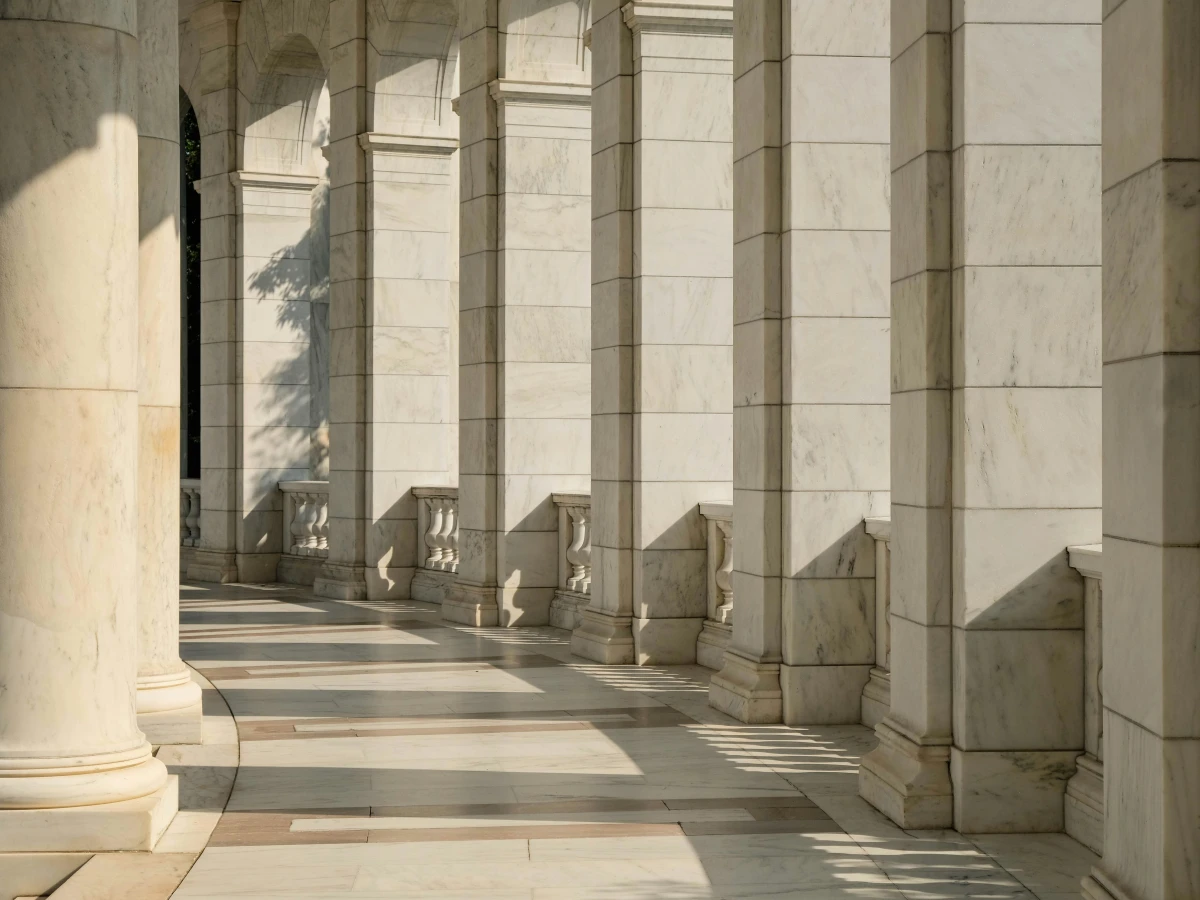
While Washington, D.C.’s reputation had hinged on buttoned-up politicians, soulless steakhouses, and past-their-prime hotels for decades—it’s one reason I left for Brooklyn in the mid-aughts—I noticed things shifting when Bad Saint opened in 2015. National buzz immediately rolled in for the tiny but mighty Filipino eatery tucked away on a bare-bones strip of Columbia Heights. And suddenly, a long-overdue wave of creativity rolled out across the local hospitality and art scene. The possibilities, at long last, seemed limitless.
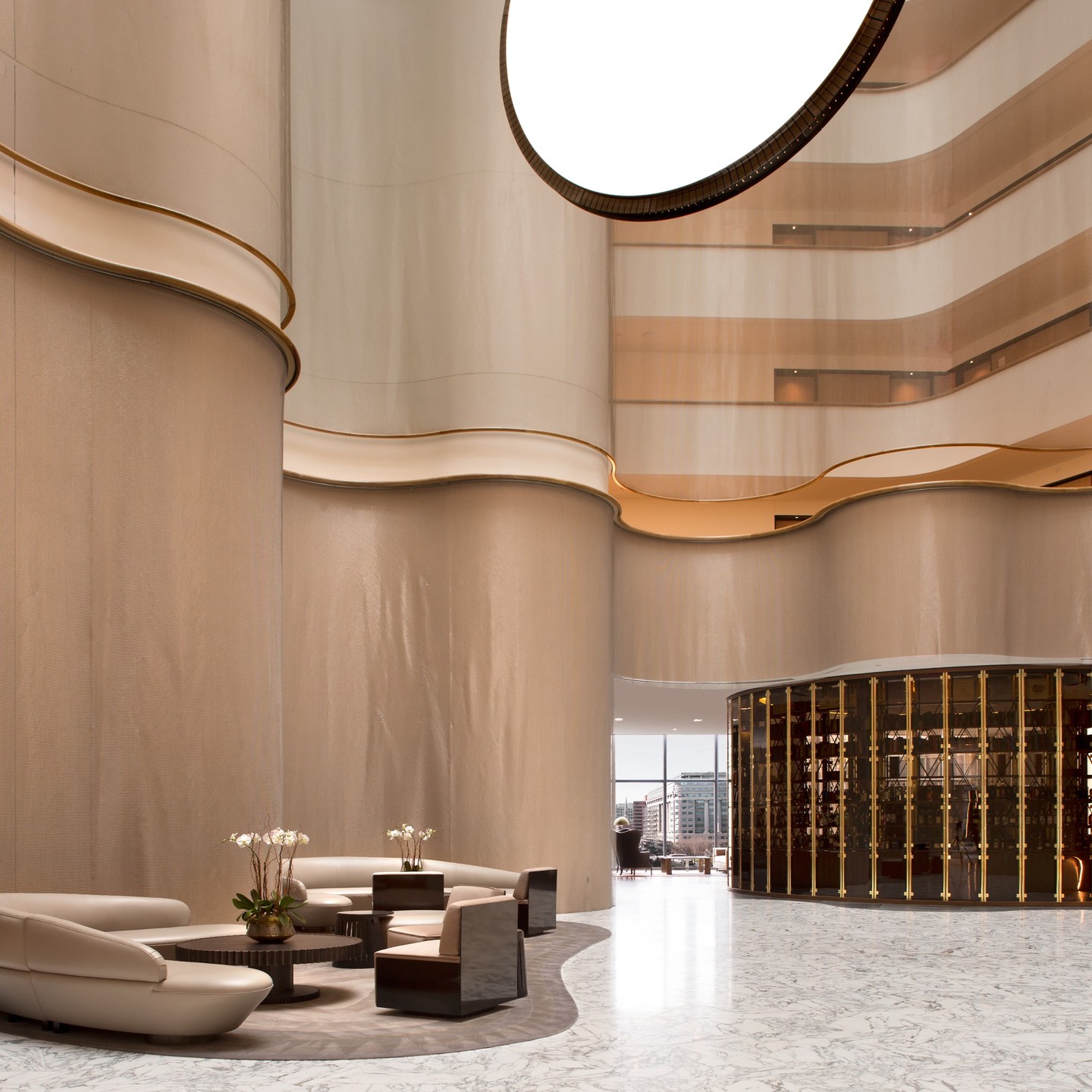
D.C. has had a bit of a hotel renaissance in recent years, and two downtown properties stand out. Conrad Washington DC dazzles from all angles: Herzog & de Meuron’s sculptural structure are sheathed in shimmering glass, and Rottet Studio’s 360 light-drenched rooms and suites cradle a mesh steel atrium and a giant moon-sharped pendant. Book 10th-floor accommodations for access to the Sakura Club, a serene space with elegant food spreads morning and night, and pop by the hotel’s buzzy restaurant Estuary, where rising star Ria Montes whips up regional ingredients with Asian flourishes. (The yuzu aioli-topped Maryland hush puppies are a must.)
Now, the nation’s capitalis my go-to escape when I need a palate reset or visual inspiration. Every visit feels fresh.
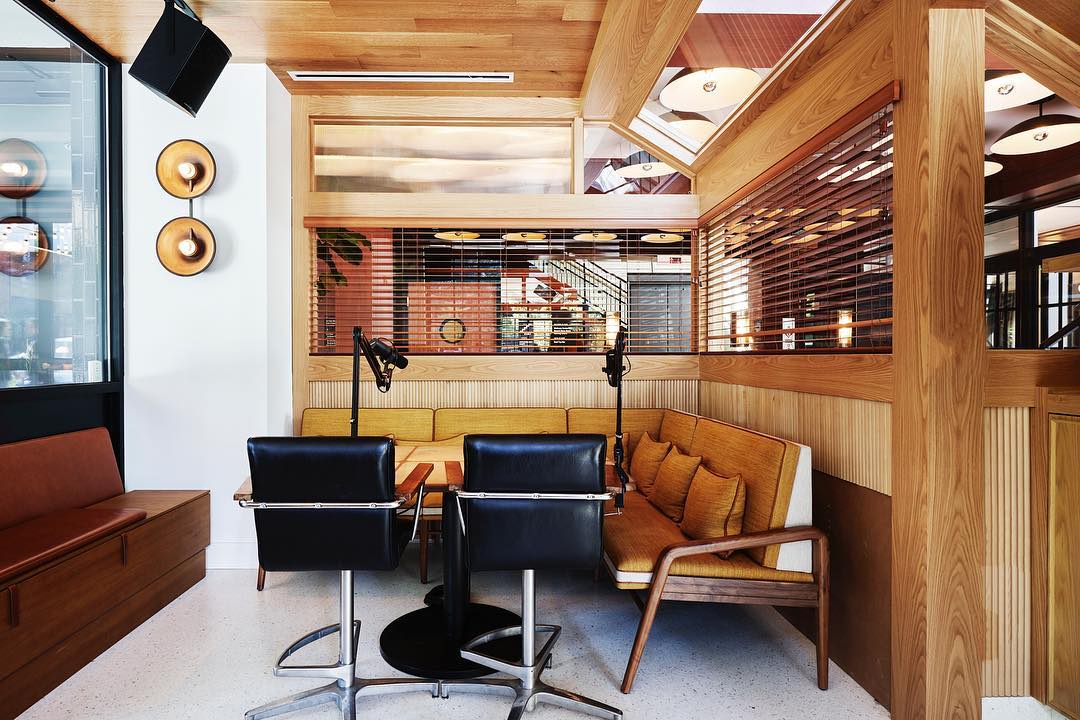
A short stroll away is Eaton DC, a visionary hospitality concept from Hong Kong-born Katherine Lo that merges a hip hotel with a co-working space and social hub. There are ample opportunities to channel creativity throughout: community radio station, a wellness centre hosting sound baths and the studio-like accommodations complete with turntables and vintage vinyls. Eaton’s coffee shop and café, Baker's Daughter, draws in regulars from all walks of life, from Washington Post staffers to emerging local artists, with casual bites like shakshuka and cuban sandwiches.
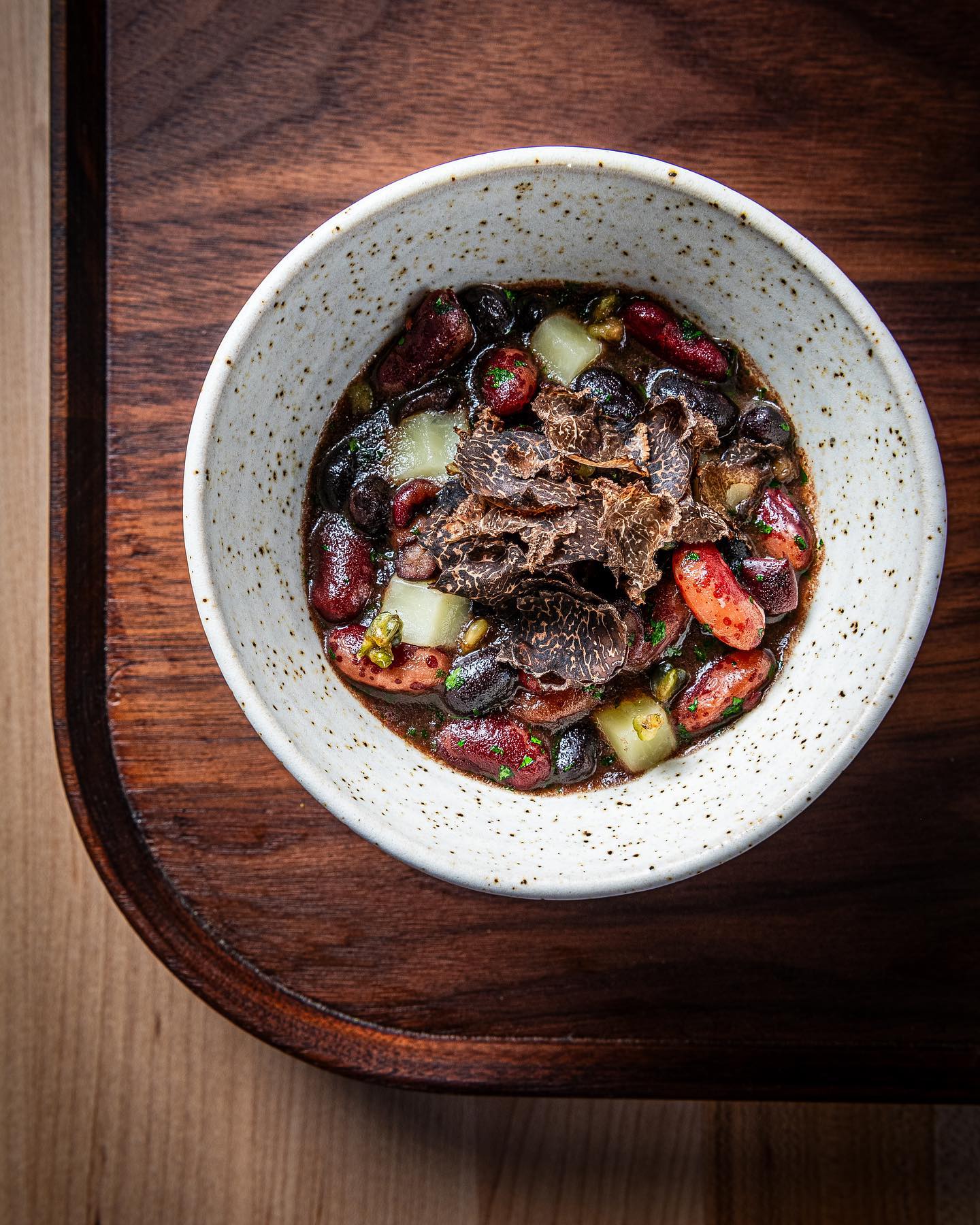
In the mood for fine dining? Make a reservation at Oyster Oyster by Rob Rubba, last year’s winner of the James Beard Award for Outstanding Chef. They serve a plant-based prix fixe menu (save for an oyster course), so pick a drink—Ruinart’s BlancSingulier is a wonderfully well-rounded sipper—and let the kitchen show how rich and satisfying vegetable-forward dishes can be. Though the dishes are seasonal, expect some signatures like an umami-rich broth and a bite-sized nest of crispy celery root filled with whipped tofu. Another solid pick, Ryan Ratino’s two Michelin-starred Jônt offers a $375 tasting menu spotlighting rare Japanese seafood and prized ingredients like wagyu and uni. Jônt ranks among D.C.’s most expensive dining experiences; it’s one of the most memorable, too.
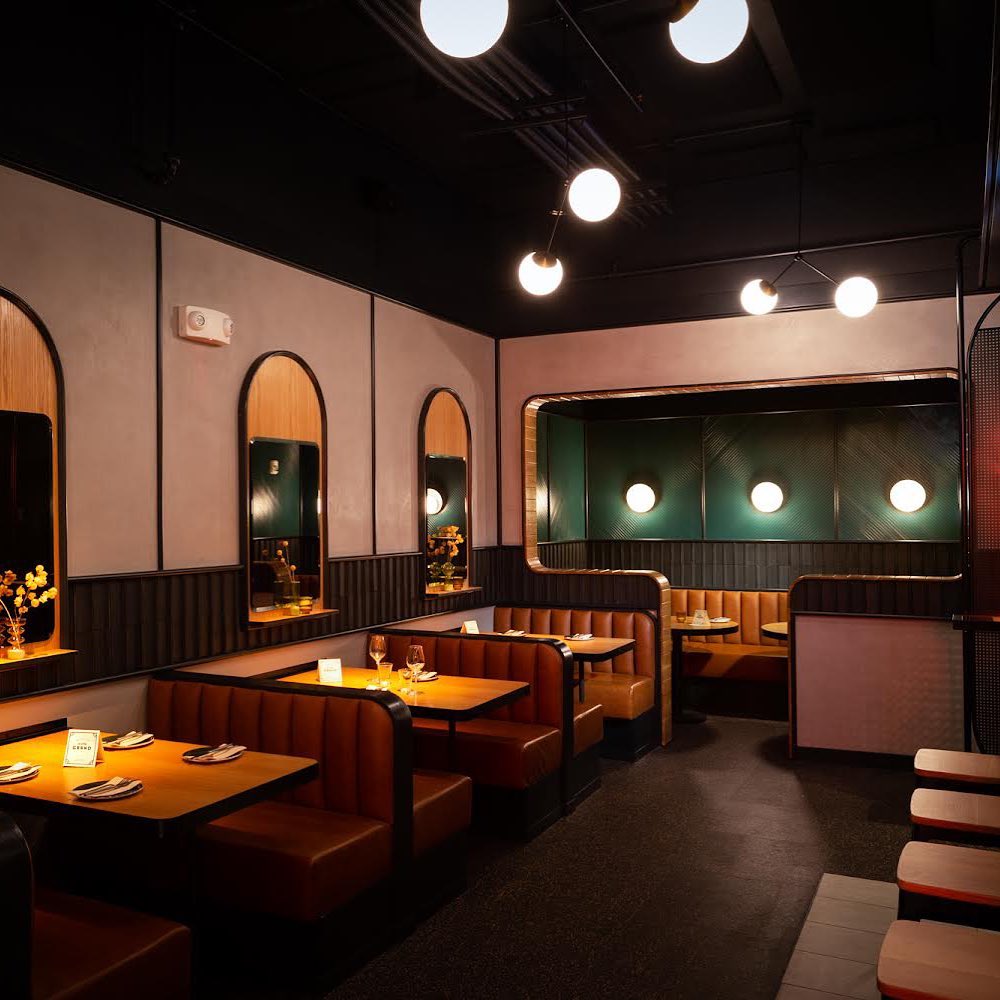
For a more relaxed affair, options abound. Open since 1984 and home to a spirited Sunday drag brunch for over three decades, Perry’s is a bona fide institution that’s witnessing newfound popularity thanks to chef Masako Morishita’s whimsical riffs on traditional Japanese cuisine—her garlic edamame dumplings are downright dreamy—and Japanese breakfast service on Saturdays. A charming Afghan bistro owned by the Popal family, Lapis, brims with personal touches like black-and-white family photos and a menu filled with matriarch Shamim’s recipes. Hidden away in an alley off the H Street corridor is The Little Grand, a cosy nook churning out flavourful sourdough pizzas with a refreshingly affordable cocktail programme.
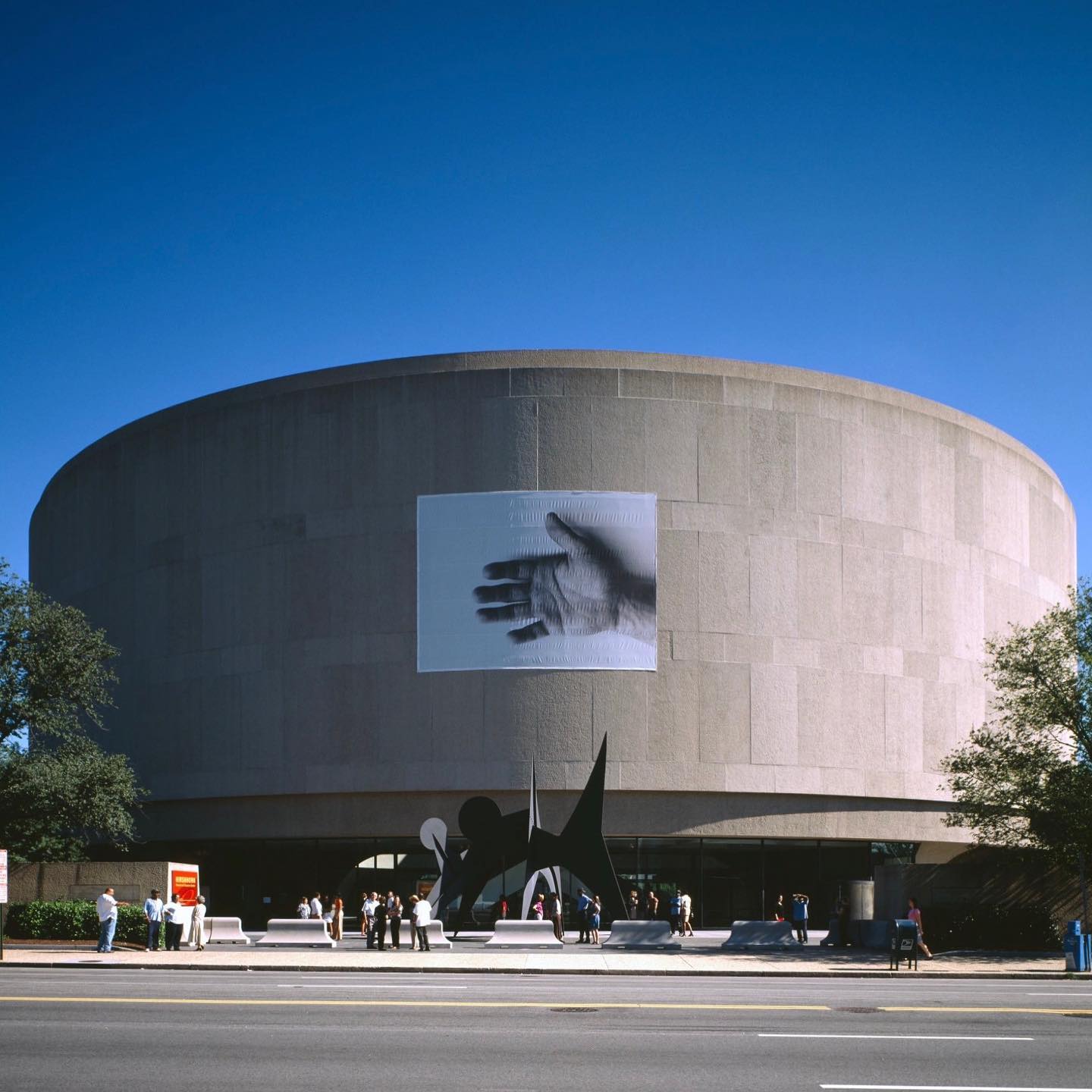
Without a doubt, one of the things I love most about D.C. is its unwavering commitment to making art and culture accessible; there’s free entry at the Smithsonian museums. Housed in a Brutalist cylinder envisioned by Pritzker-winning architect Gordon Bunshaft, Hirshhorn Museum and Sculpture Garden has over 12,000 pieces of boundary-pushing contemporary art and radical rotating exhibits. Stirring and important and designed by British-Ghanaian architect David Adjaye, the National Museum of African American History and Culture aims to bridge the past and present, honour the cultural diversity and irreplaceable contributions of African Americans and spark honest dialogue for a more empathetic and equitable society.
For modest fees: immerse yourself in women artists’ significant achievements at the newly-renovated National Museum of Women in the Arts, which just announced NMWA Nights, an engaging after-hours programme held on the third Wednesday of every month marrying cocktails, art and live music. In Dupont Circle, The Phillips Collection houses works like Pablo Picasso's The Blue Room and Mark Rothko's Green and Maroon in a tranquil late-19th century former residence. And on Wednesdays through Fridays, pay what you wish at Rubell Museum, D.C.’s newest place to experience thought-provoking contemporary art.
D.C. is not what it used to be; it is ever-changing. But as with any other destination—especially those you think you know—you should keep your eyes, appetite and heart open.
Katie Chang