the Midas touch at Stockholm's bacchanale
I moved to Stockholm in February, still very much in the depths of Swedish winter. The sun would set as I was tucking into my lunchtime sando, not to be seen until the following day's mid-morning coffee break. The pavement was hidden by powdered snow and the waters still enshrined in a thick layer of ice. I thrive in the summer, so why I moved to a country renowned for its harsh, cold winters in the bleakest of months may surprise a fair few.
Podcasts, books, articles, you name it. There are countless tips on surviving a Scandi winter: make the most of the sunlight, invest in a tip-top down, embrace the mysigt home and pop some winter tyres on your bike. There’s no such thing as being cold. You’re simply not wearing enough. But if you ask me how I dealt with that winter? I walked and I walked, finding the best of the best and the most tucked away of neighbourhood hangouts.
I took this to the extreme. It was not on rare occasions that I ambled through industrial sites on the hunt for Sweden’s smallest delivery bakery. Chances are your weekend dog walk won’t take you to a former “Nordisk Transport” office…though really the prospect of Dåndimpen’s kimchi grilled cheese should. Yes, I trod off the beaten track, but it was these quests, these findings, that made this otherwise, quiet reserved country unbelievably cosy.
Stockholm is not without its fair share of gastronomic hubs: there’s the “sun-drenched” food of Naples, Oaxaca and Tel-Aviv served in the architectural marvel that is SOLEN, there’re the best pies to be had at Duvan, gen-z perfected sharing plates and low-intervention wines served in the ever-raucous Bar Abrovinsch and the plats du jour of Bistro Mirabelle to try.
And then there’s Bacchanale.
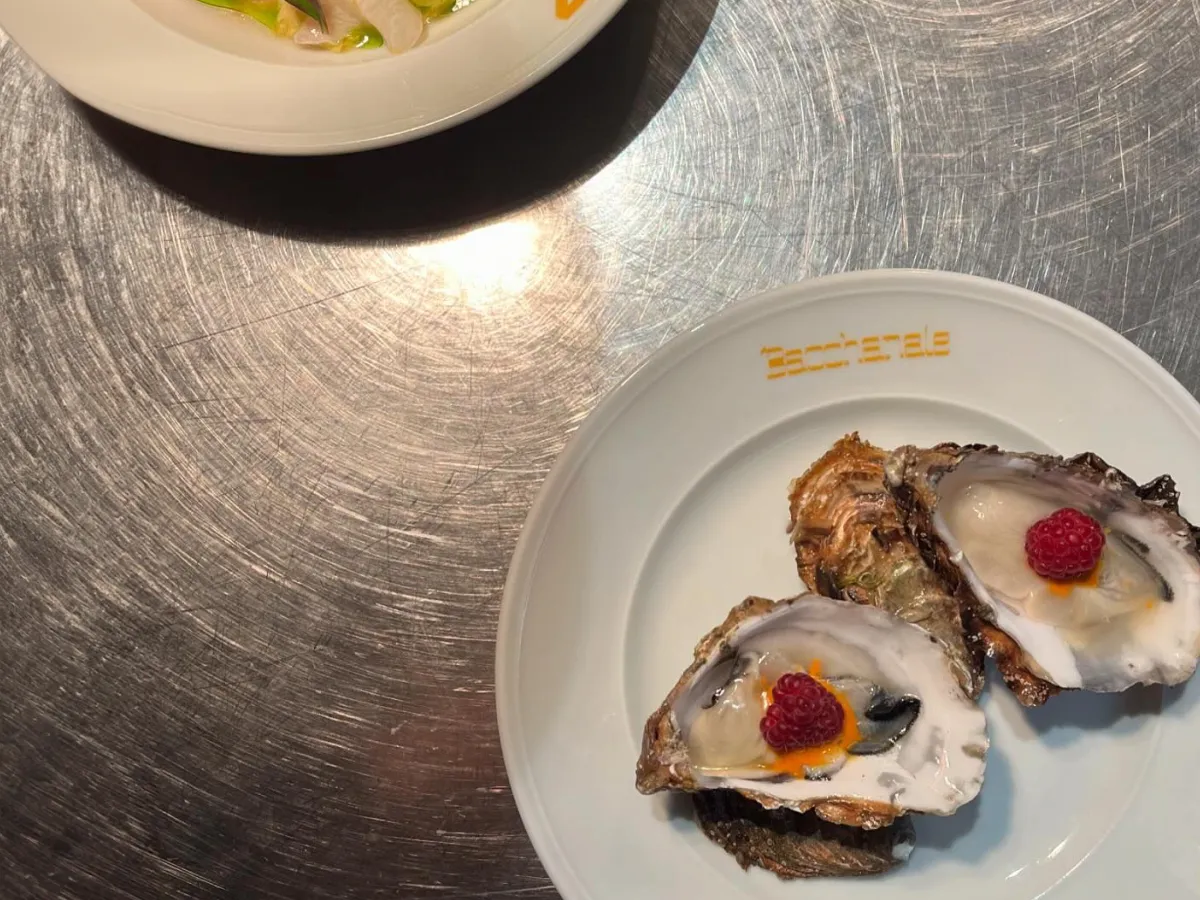
Bacchanale is leagues above the rest. But why? It’s tricky to explain. Walking into the candle-lit, open-plan space, where the soundtrack is the gentle chitter-chatter of friends, lovers and families, is like stepping into a warm embrace. It does what so many places in this city have failed to do. It feels like coming home.
From the outside, Bacchanale doesn’t scream 'French bistro'. Yes, in summer there’s a scattering of Athenian-inspired aluminium tables, but otherwise, it’s the typical Södermalm building block, with matte black wall lights and its name plastered across the windows. When you’re crossing the relatively busy highway from Skanstull Tunnelbana, a golden hue radiates from the interior.
This is perhaps the charm Jonas Helgesson and Kalle Nilsson felt when they first cycled past the space two years ago. A time when Soder didn’t have an ounce of the cool it has now. Bambi wasn’t the bumping dining spot, Alba wasn’t squeezing in more stools to the already overfilled bar and Södertobak was still very much a tobacco store. Who would have known they’d be serving the best boquerones in the city just a few years later? Everything they created seemed to turn to gold.
Helgesson recognised the potential. He’d conquered the Vasastan crowd with Främmat, swapping Skagen and meatballs for hamachi crudo and fried summer chanterelles. But Bacchanale was to bring something a little bit different: “a new turf and a good buzz”.
Sweden-born, Stockholm-based, Helgesson had an itch to grow his empire. Kålpudding may be the taste of home, but it was his early kitchen career in Paris that shaped him. I guess when you’re working in Le Verre Volé—the bar pioneering the natural wine and small plate phenomenon in Paris—you’re naturally going to pick up a thing or two. But it was Septime and Le Chateaubriand that inspired and influenced the pair. Paris struck a chord.
Helgesson's passion for the city, a place where he spent two and a half years, is evident. After years of being offered something new, modern and recently refurbished, the little “for sale” ad in the window of the old, traditional Ringvägen building tickled him.
The deal breaker? The wood oven.
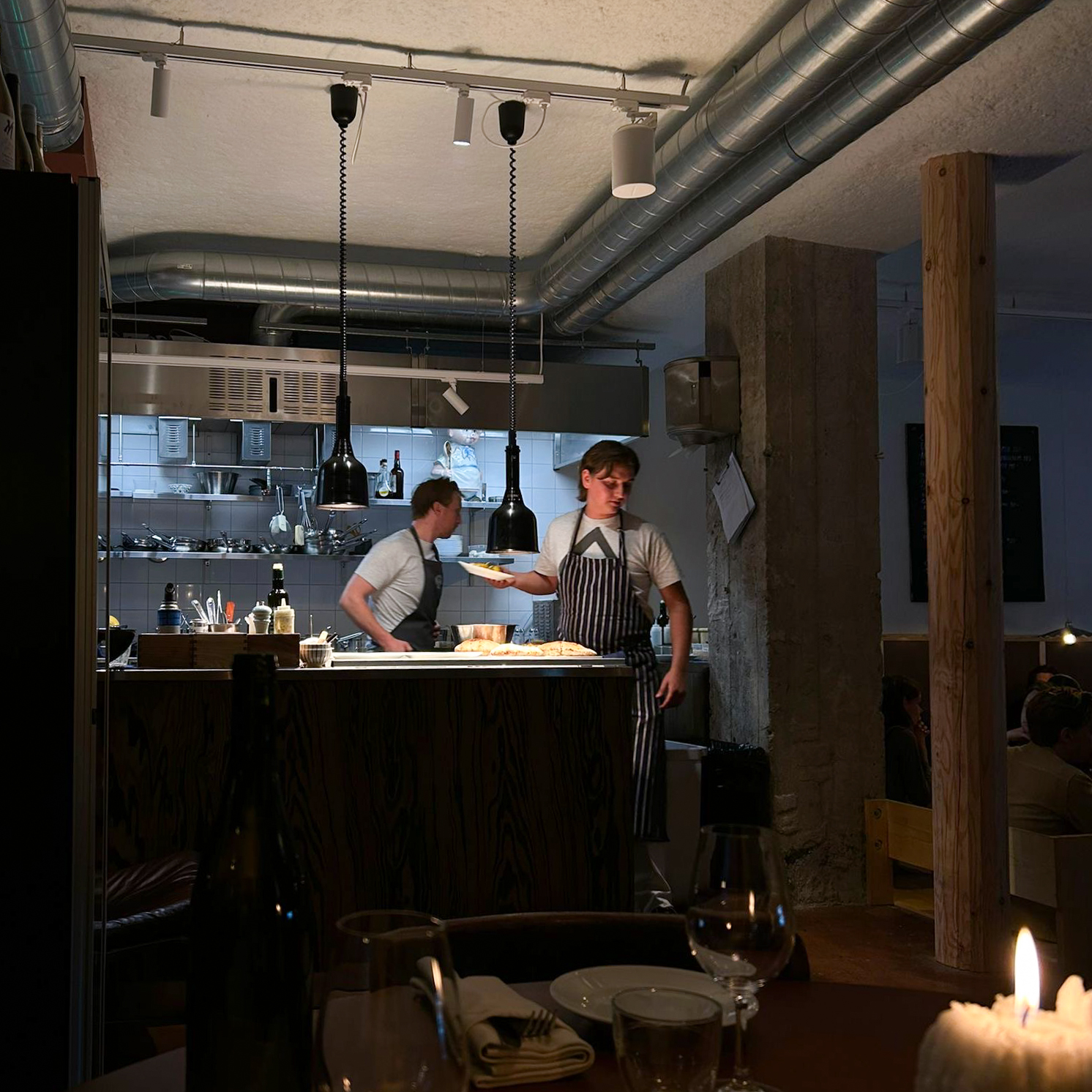
Stockholm isn’t short of a few rules and regulations, particularly regarding open fires. So, when Helgesson wandered into the multi-levelled space and saw a huge beaming beacon at the back of the building, excitement fizzed over. It wouldn’t be an exaggeration to say that everything that can goes through the oven's dancing flames. It stands, pride of place, in the open kitchen. A kitchen where the chefs twirl with grace, garnishing the foie gras with caramelised, perfectly-sugared pineapple and constructing the “surf & turf”, Bacchanale style. As the fromage de tête melts on the slightly warmed platter, it is topped with lobster tail or langoustine (depending on the catch of the day) and a smothering of sauce gribiche. It’s a kitchen where the stainless steel countertops gleam against the concrete bar, the pillars and the “tiger plywood” on the kitchen walls. It’s a space that rolls seamlessly into the dining area, even more so when the chefs cook, plate and serve the food to your table.
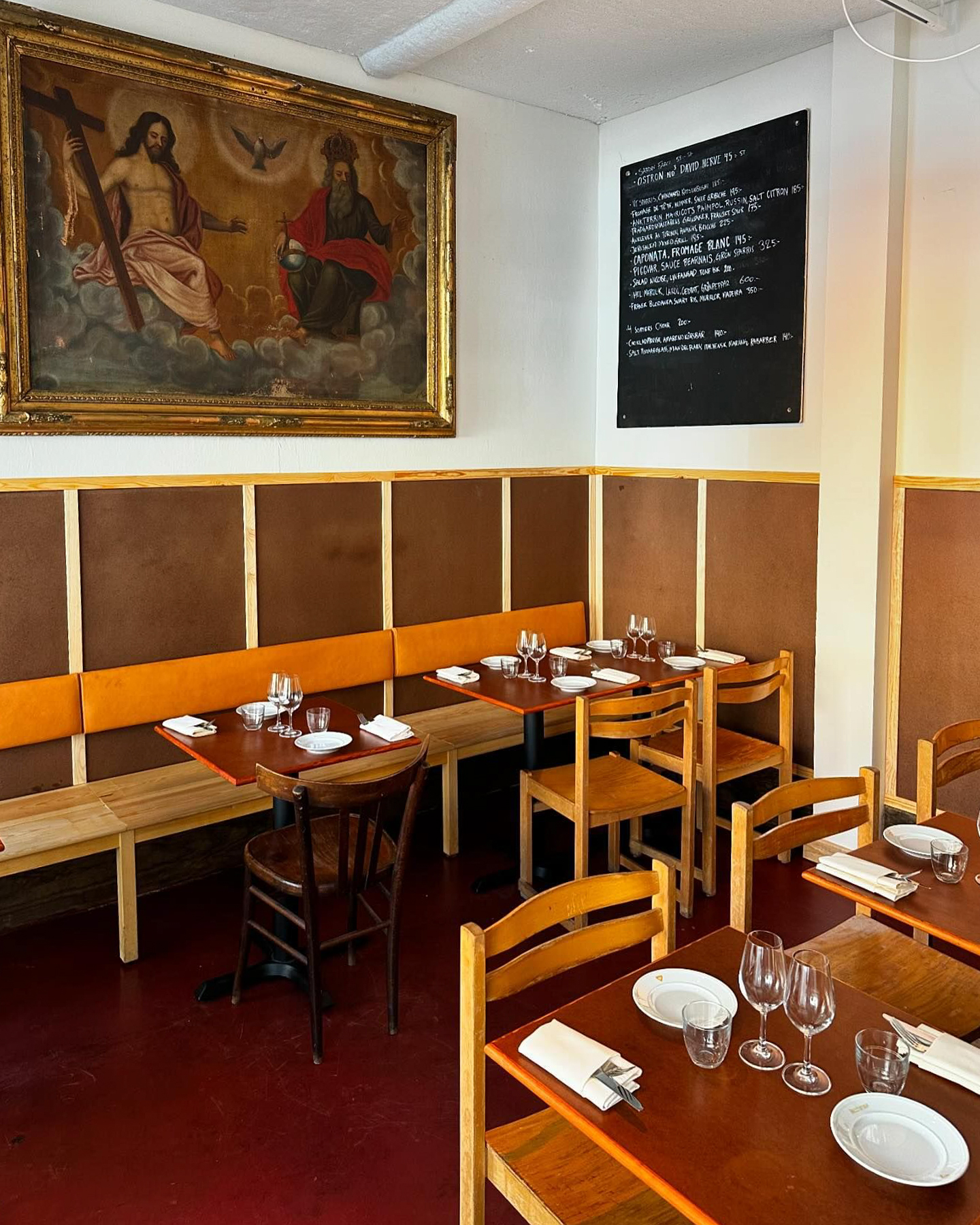
It’s intimate. It’s cosy. There’s the glow from the molten candles: wax drops carelessly onto beautiful mahogany, antique stools. Paintings span the walls: Renaissance scenes contrast abstract studies in colour. Ateljé Ö and Pål Rodenius’s design genius infiltrates the space. They are the masterminds behind the former military base, now nature retreat, of Bungenäs on the somewhat barren peninsula in northern Gotland. Here, cars are swapped for bikes, and concrete buildings are kept raw and unadorned but for sliding glass doors, linen curtains and brown-toned oil paintings. Though these bunkers could be bleak, they are anything but. They are undisputedly charming. And it’s this same charm that trickles through the interiors at Bacchanale.
Named after Bacchus (the Roman god of intoxication and wine), Helgesson's restaurant is a place where wine flows freely. Stockholmers pop in for a chat with the chefs and have a sip or two of vino from the extensive, naturally focused (though not entirely low-intervention) wine list.
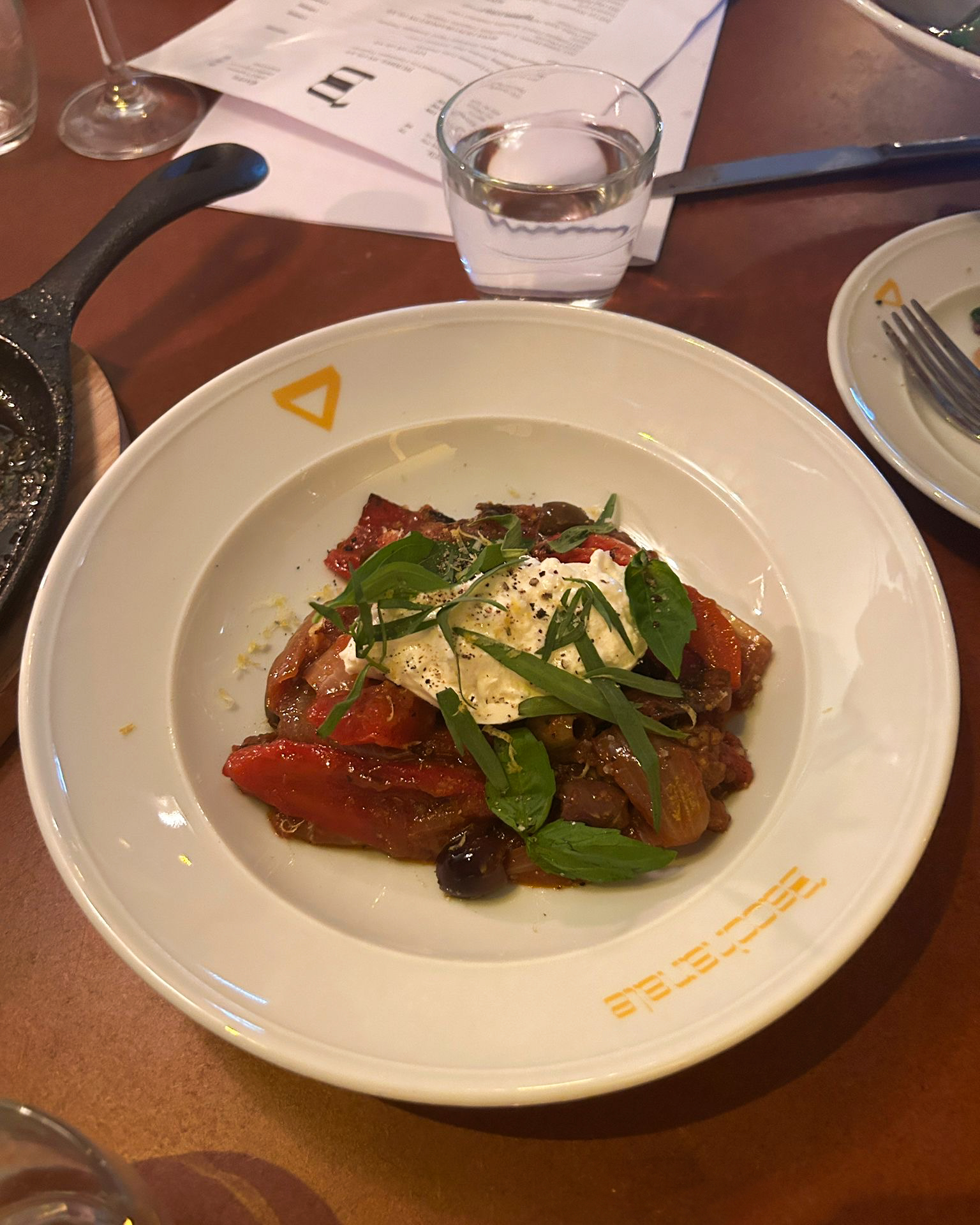
Throughout it all, I sat at the corner table, not at all apart from the buzz though not smack bang in the centre. I tucked into the charcoaled flatbread topped with mozzarella, anchovies and courgette (Helgesson's most underrated ingredient) and dipped into the creamy polenta topped with trumpet mushrooms and a balsamic glaze. That day, the fish auction in Gothenburg had sold a fair few pike perch. It was danced to our table on a bed of buttered string beans, blue mussels and a café de Paris. Flaky, juicy, tender. Silence ensued with one mouthful of the tarte tatin. The vanilla bean ice cream melted on top of the honey-drenched sponge, chewy and sweet.
The following week, as I walked down Ringvägen, I pass the steamed-covered windows of Bacchanale. The door was propped ever-so slightly ajar. It took every ounce of my willpower not to stroll inside, ask for a seat at that corner booth and tuck in to another helping of tarte tatin. Though, alas, there’s a long winter ahead.
Hannah Rees-Middleton
Wild swimming. Natural wine. Excellent exhibitions. And glorious country walks. These are a few of our editor Hannah Rees-Middleton’s favourite things. Whether she’s bouncing around Mexico, paddling through the Kenwood Ladies’ Pond or ogling another mound of butter at a fabulous supper club, Hannah is always in the midst of something cool. A consummate planner, a lover of beautiful things, a traveller never without a camera and a deck of cards. Hannah is many things (including the perfect resource for perfect travel tips).