the #1 hotel in the world? absolutely.
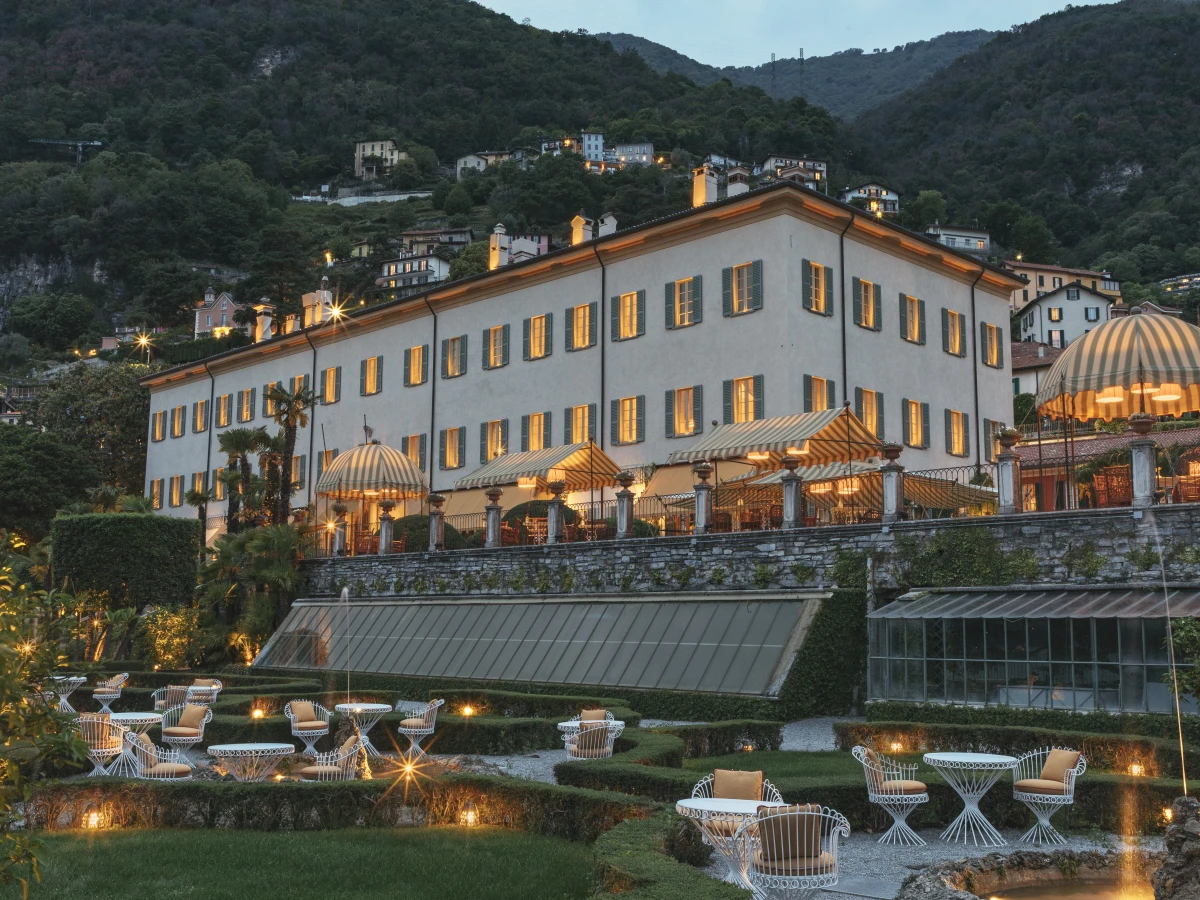
This September, hundreds of the biggest names in the global luxury hotel industry gathered at London’s Guildhall for a lavish ceremony to crown the world’s best hotel. As the night went on, the Top 50 list — as judged by a curated panel of travel editors, hoteliers and seasoned luxury travellers – was counted down, with nods for The Savoy, Le Bristol and Aman Tokyo. But at the end of the night, the coveted top spot went to a property that had only been open for a year: Passalacqua, a magnificent, newly-converted villa on Lake Como.
Owner Valentina de Santis says she’s not convinced her hotel deserves such high praise. But trying telling that to the judges who voted for it, some of whom are likely among the “many, many” visitors she’s seen cry while checking in or once they’re shown their room. (That emotion on arrival is heightened, she believes, by the positive energy Como possesses – a place where you’re cradled by the surrounding mountain range, and the sound of passing water accompanies you wherever you go.)
De Santis and her family also manage another property on the lake – the beloved Grand Hotel Tremezzo — but despite decades in the area, they were strangers to the property that would become Passalacqua before it was offered to them as part of a private auction. They had wanted to launch a villa property for years, so they quickly rejoiced when they went to evaluate the site. Finally, they’d found a property with the “generosity of beauty, nature and space” to create the smaller hotel of their dreams.
And these dreams were specific. While Tremezzo is the only Como property purpose-built to be a luxury grand hotel (dating back to 1910, it’s often compared to the fictional Grand Budapest) the family wanted Passalacqua to lean hard into the Italian concept of villeggiatura. In De Santis’ words, it can be boiled down to “a different way of doing holidays, where you don't have stress, you don't make plans, you just enjoy the time and the vistas. You read your book, you can pick an apple from the tree and eat it straight or take fresh tomatoes to the chef in the kitchen and ask him to prepare a bruschetta for you. We want our guests not to feel they’re in a hotel but rather being hosted in a friend's house alongside other guests who might become friends.”
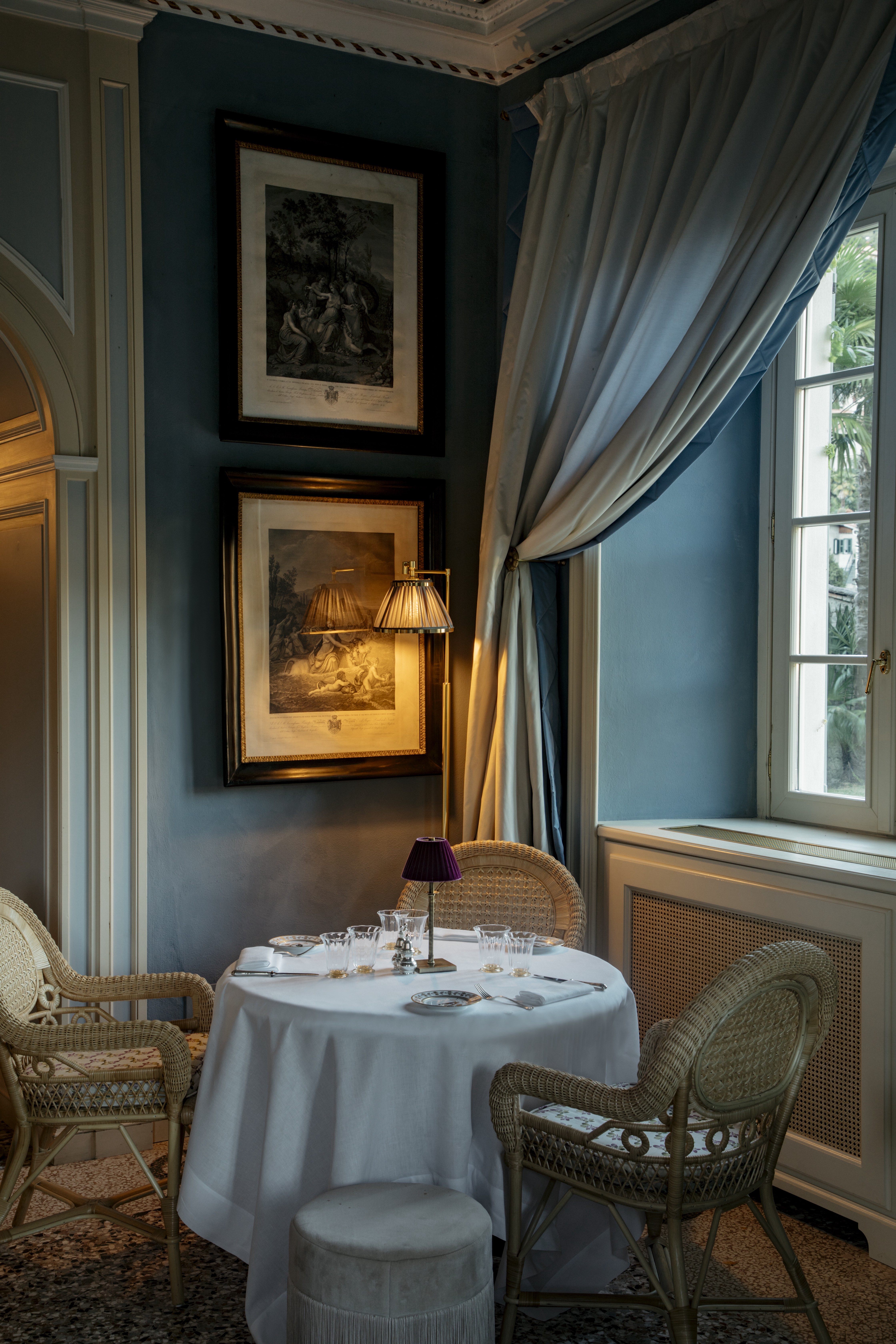
Passalacqua was a fitting destination for this aim because the property was designed for exactly that 250 years ago. The name of the villa comes from the Passalacqua family, who, after the head of the family received the title of count in 1787, bought the land from the Pope’s estate. Bellini, the opera composer, wrote his most famous operas on the property. Napoleon stayed for a few weeks in 1805, during the summer he was crowned King of Italy in Milan. Even Winston Churchill came for a period to work on his diaries. “The incredible thing for us,” De Santis recalls, “is that this was a private villa, but the soul of it was already hosting people.”
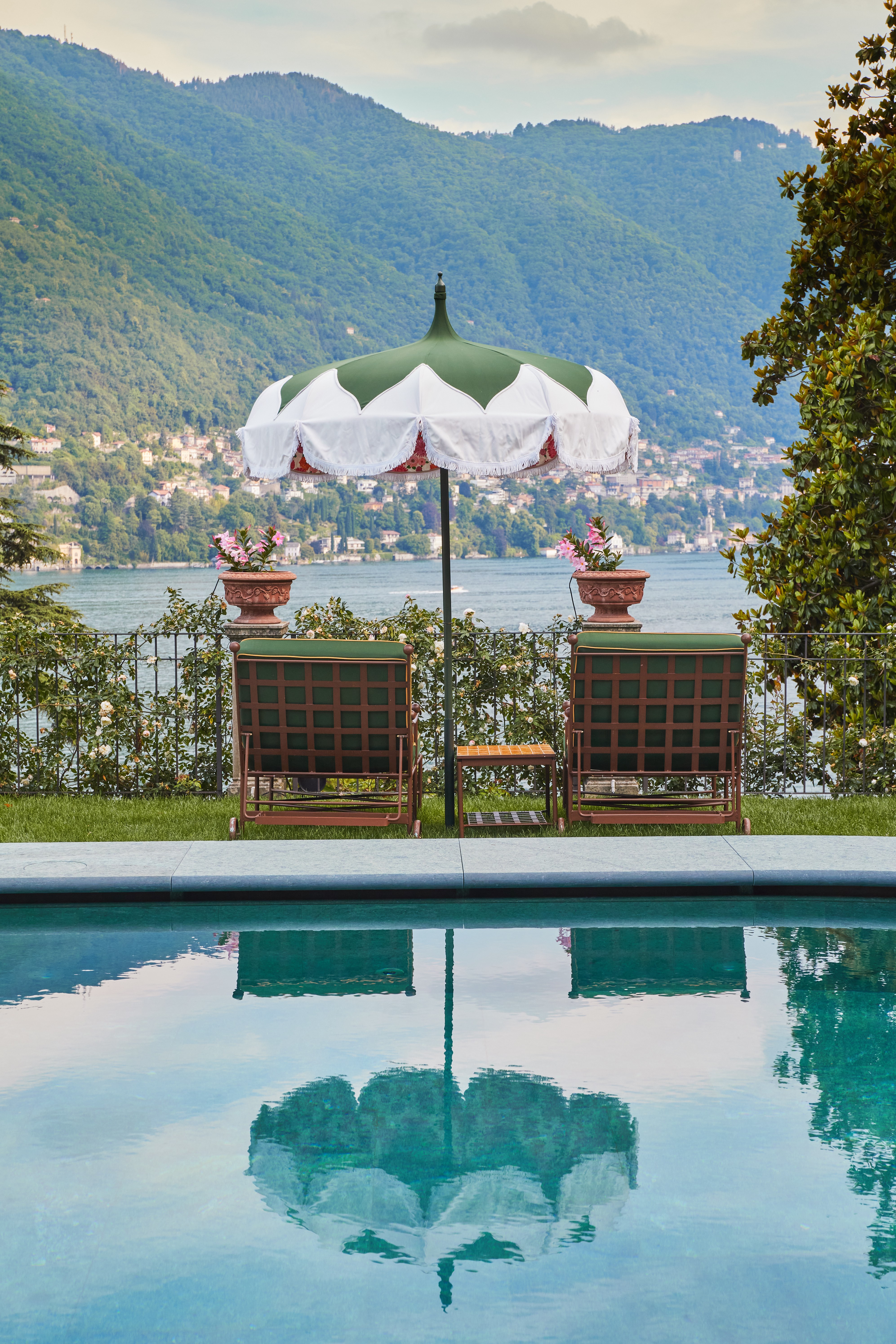
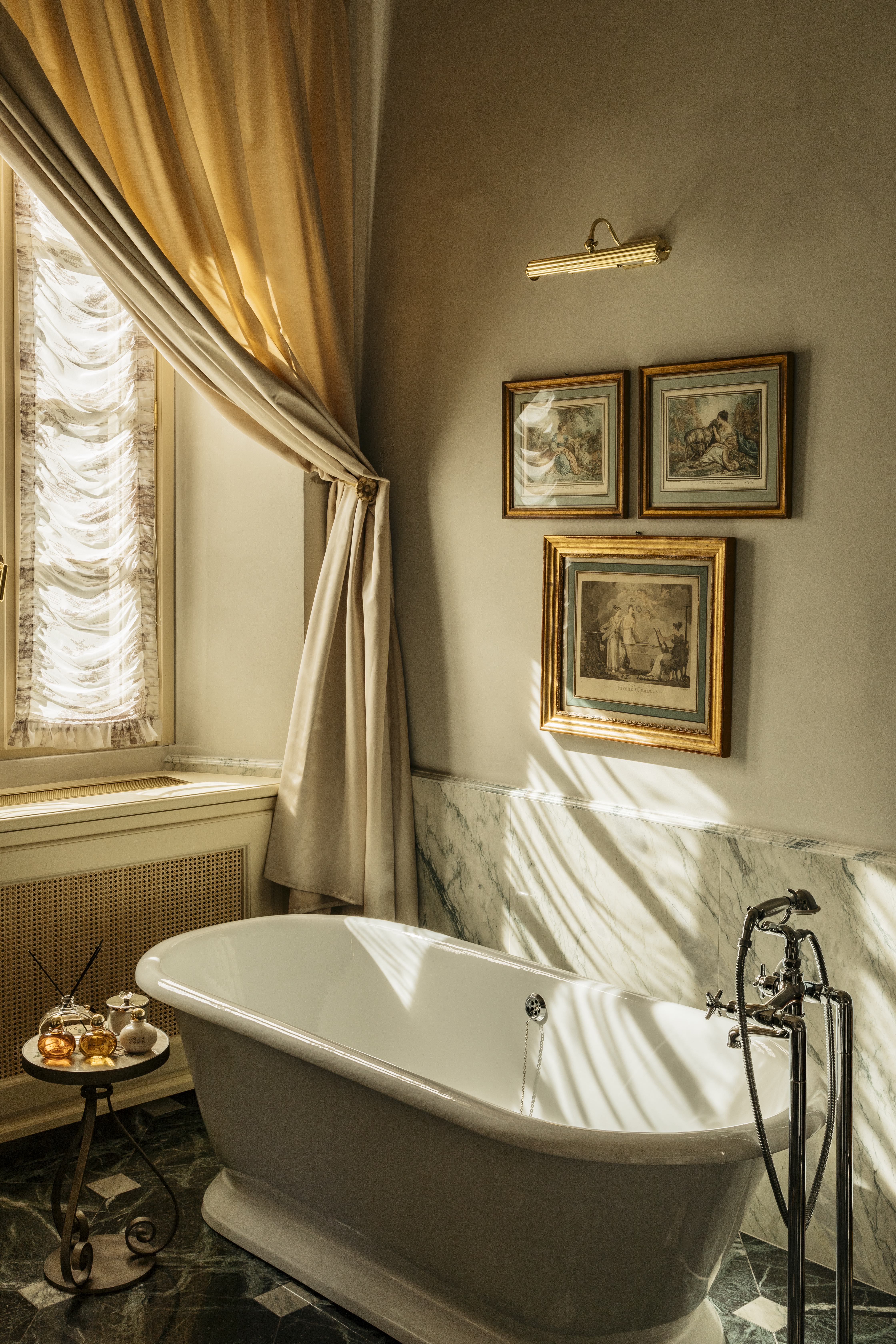
But of course, despite all the talk of recreating the ease and calm of a family’s second home, this is still the family behind the Grand Hotel Tremezzo we’re talking about. No expense – from J.J. Martin styling the pool area, to glass-blown chandeliers, to the underground, stone-walled sauna and steam rooms – was spared in the renovation, and De Santis admits this with pride. “We don’t like to be called a boutique hotel,” she says, “because boutique hotels usually don't have facilities. But here, even though we have just twenty-four bedrooms, we have a lot of spaces and offerings.”
Among those: a full spa, a vast gym, a pool, a tennis court, a bocce court and multiple venues for breakfast, lunch, aperitivo and dinner. There’s also a fleet of boats owned by the hotel – a rarity on a lake where most use external providers – so guests can explore the lake by water. The property organises hikes in the surrounding mountains, but the staff puts even more focus on the internal activities, all in the name of creating that “lost in time” feeling. For example, every day, guests can take part in a different element of villa life should they choose, from taking a class on flower arranging to joining the chef as he meal preps, learning how to play bocce or touring the villa’s underground tunnel network. “Sometimes, it’s the smallest activities that really make our guests feel like a part of the life of this place,” De Santis says.
That’s where the chickens come in. Should you wander into the fruit garden and surrounding area, large free-roaming chickens will be there with you. “This was very typical of the Italian villa many years ago,” De Santis says. “So, after we brought in everything you’d expect from a luxury property, we made sure not to forget something that people don't ask for or expect. Do you need chickens in your life? Not really. You don't choose a hotel because there are chickens around. But it's so rooted to the real DNA of this place that all of our guests fall in love with them.”
How much the birds contributed to the award, we’ll never know, but regardless, De Santis isn’t letting all the new attention change her approach. There’s only one thing she’s still carrying with her from that night in London. “That a small, twenty-four room, family-owned property can make it to such an incredible position in the eyes of the whole world is a very beautiful message because it says that authenticity, love and passion still makes a lot of difference. It is something that is still very strongly perceived by your guests. And for us, this confirmation is the gift.”
Louis Cheslaw
A storyteller in various guises, Louis captures the essence of a person, a place, a community, whatever, really, when he writes. But he’s someone that captures our attention no matter what he does. After seven years in New York, Louis is now back in London, though he does get his wheels up from time to time. His ideal trip affords him that sense of smallness that sweeping expanses of nature often give. Think: Hawaii, Wyoming, the Dolomites or the Highlands. When he’s not writing features for gloobles, New York Magazine, Air Mail and beyond—or helping brands tell their own stories through his consulting work—Louis’s likely turning his attention to tennis, football and cooking.