Sri Lanka's secret lake district
Sri Lanka is a trending destination, but the highlands still feels deliciously quiet. Anna Prendergast explores the untapped rural region of tiered tea plantations and glassy lakes.
Sri Lanka is for the early risers. Surfers paddle out for the best swell. Hikers swerve the heat. Fish markets flourish and mist diffuses the gold morning light. As someone who longs for lie-ins and late nights, I become a reluctant member of the 5am club here, syncing with the sun to salute the day before breakfast. This is tea country, and good coffee is in short supply.
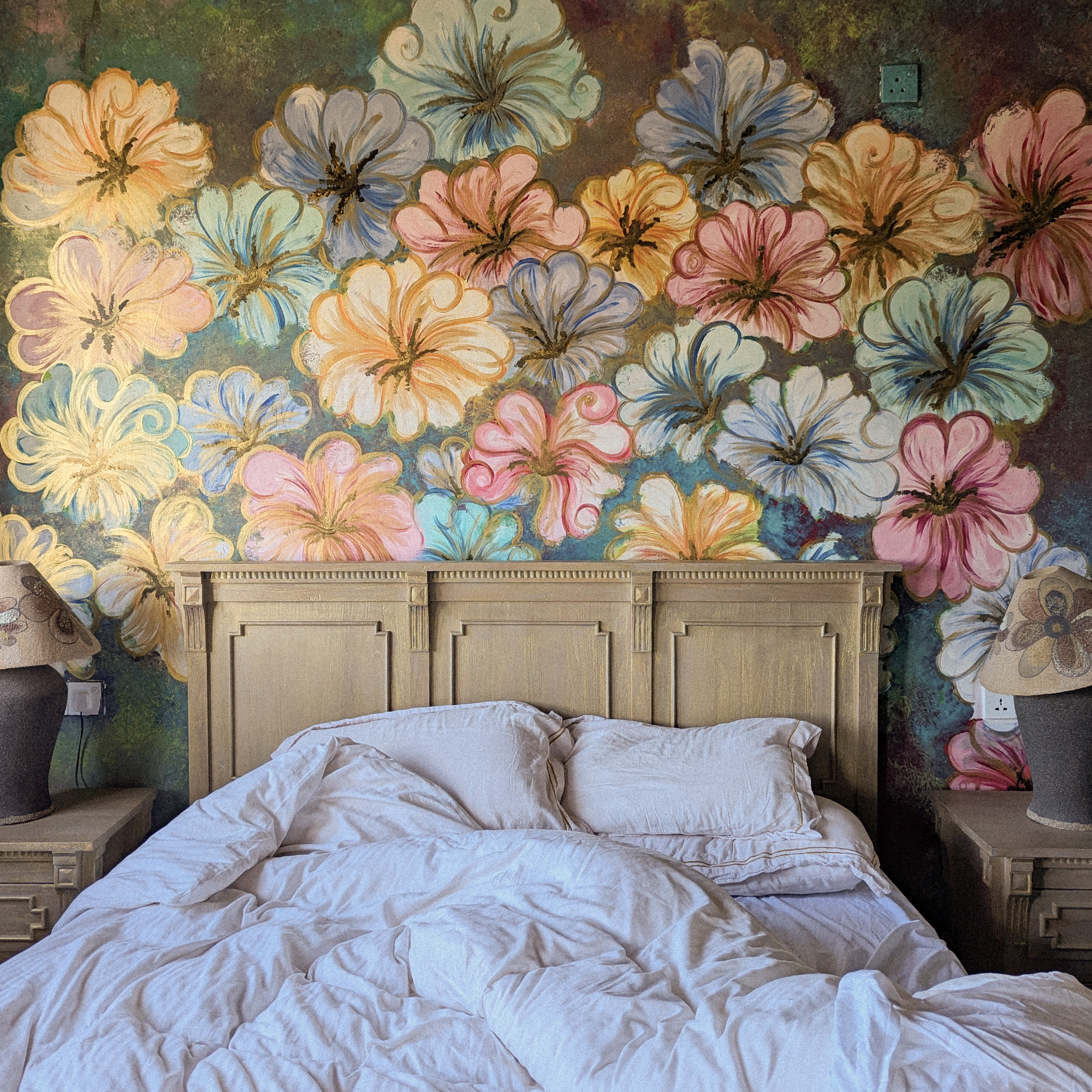
In Nuwara Eliya, however, we arrive in the dark and leave before the light, our stay at Serendipity Lake Artistic Bungalow as short as its name is long. Owner Heidi guides us through corridors of hand-painted daisies and into a bedroom whose walls bloom with oversized flowers. After a week on the sizzling south coast, we’re grateful, but unprepared, for a drop in temperature; warmth comes in the form of Heidi’s motherly embrace and a log-burner in our bedroom. A group of Germans drink beer downstairs, and she tells us to get a good sleep before our hike in the morning.
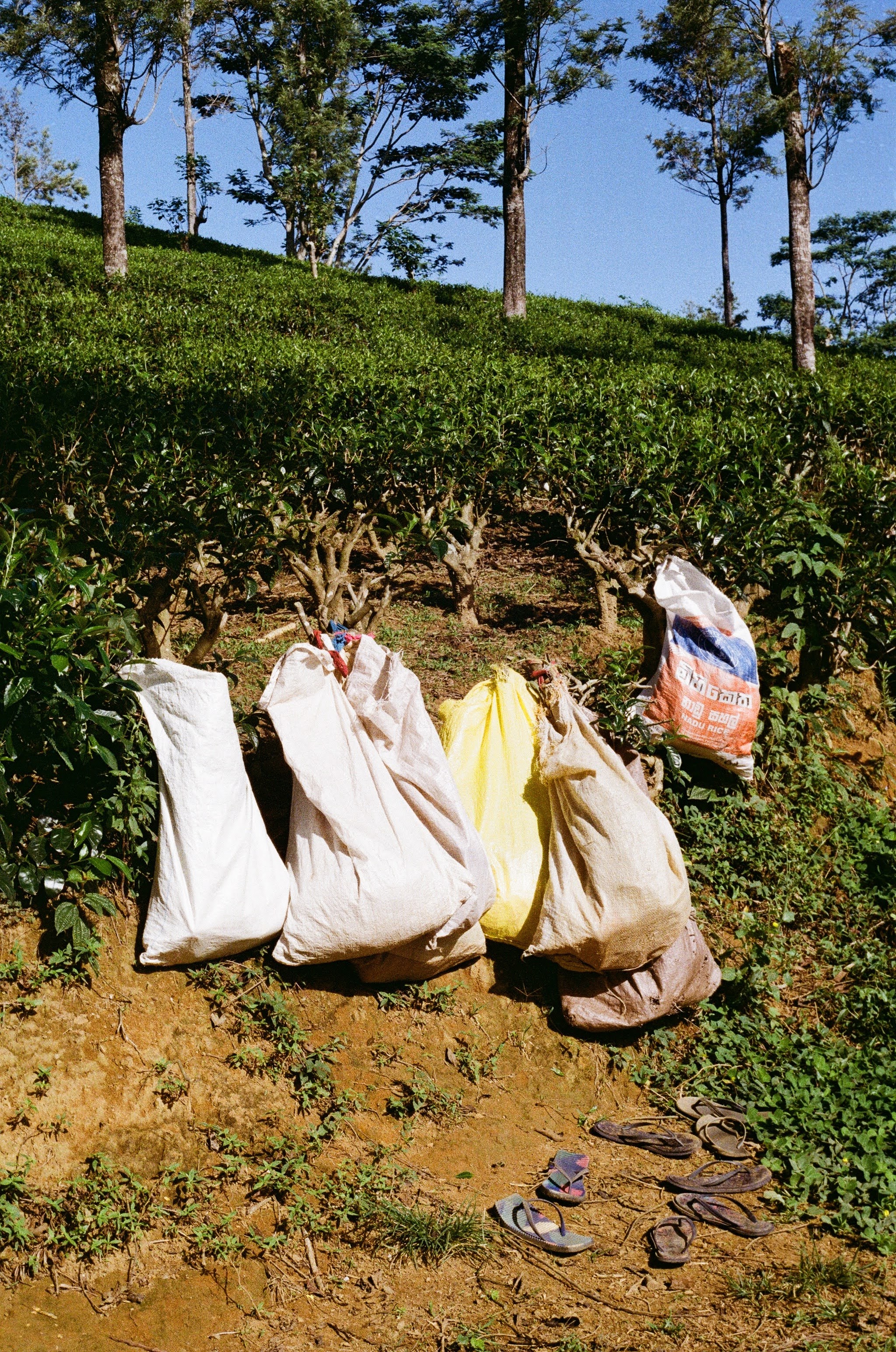
A tuktuk drops us in Kandapola in the small hours, and we buy biscuits for the journey, butchering the only Sinhala we know: istuti, thank you. We’re here to hike the final stage of the Pekoe Trail, Sri Lanka’s new route through the tea plantations, villages and hills of the highlands. This section is like walking the seam of a patchwork: we’re surrounded by a thousand plots of leafy green crops and seeds sprouting in neat lines, stitched together with paths of iron-red soil. Men in sarongs carry enormous barrels on their shoulders; a woman works a plot in a gold-trimmed sari. At the top of the oldest tea estate in the region, we meet workers harvesting leeks and beetroot; they’re eating lunch – bread and curry – at 10.30am. Other than the mournful coo of a cuckoo, the sound of wind chimes (which we later realise is trickling water in an irrigation system), the faint growl of a diesel engine and the thwack of a cricket ball, it’s deliciously quiet. As our path levels out, I realise my shoulders have sunk a few centimetres since we left the beeping bus horns, surf lesson salesmen, bass-heavy speakers and crowded clamour of the coast.
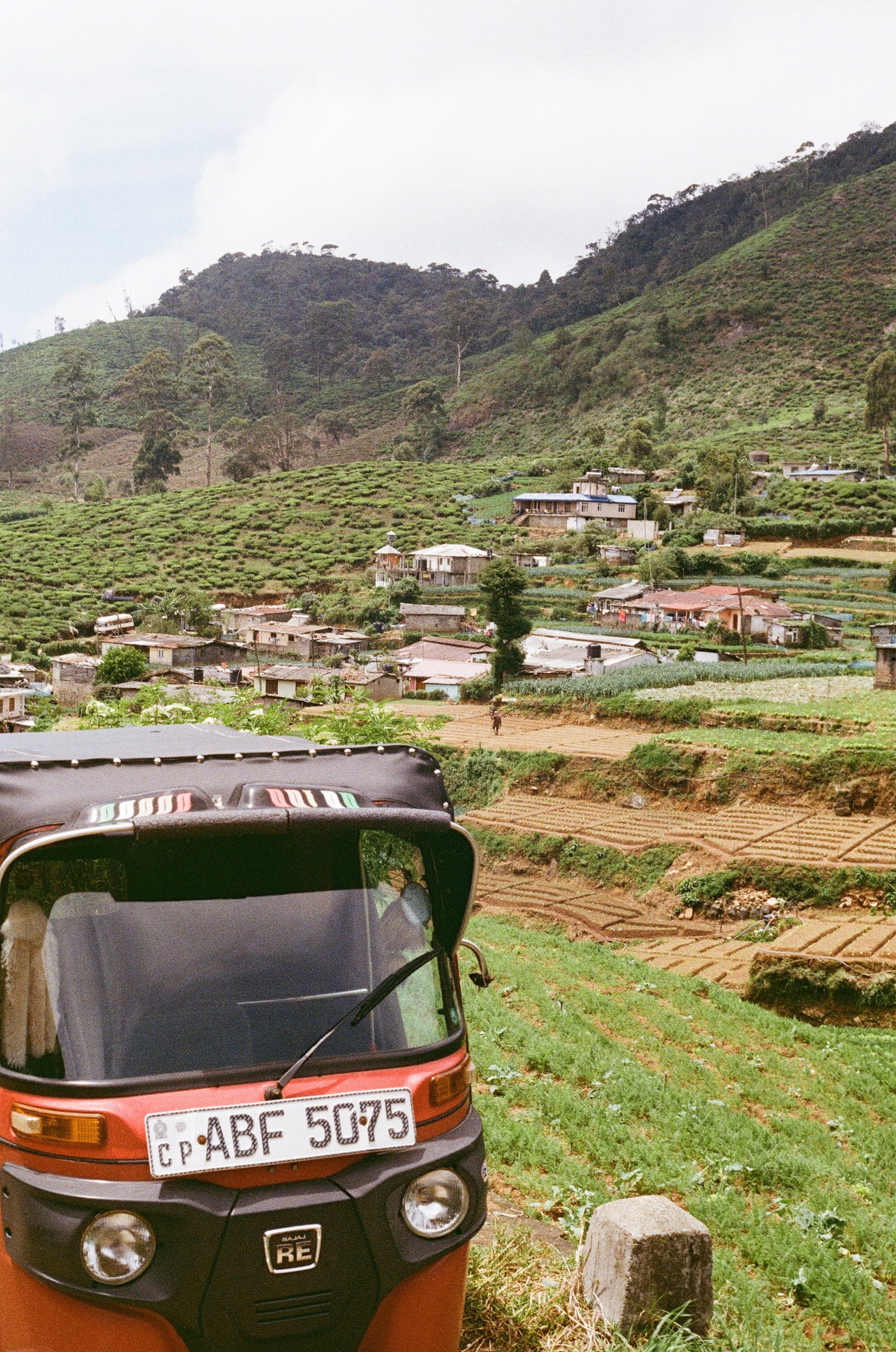
Here, we were determined to travel by foot, slow to a walking pace and see where the weather would take us. Our hiking boots draw us to the highlands; I’m curious about Nuwara Eliya, where my godmother was raised. As we descend into town and pass the church where her parents married, a shop blasts tinny Arabic blues and a monophonic rendition of Beethoven’s Für Elise chimes out from a choon paan van (bakery on wheels). Hungry from the trail, we unsuccessfully try to chase it down. We make the spontaneous decision to have afternoon tea at The Grand instead. No one bats an eyelid when we turn up looking anything but.
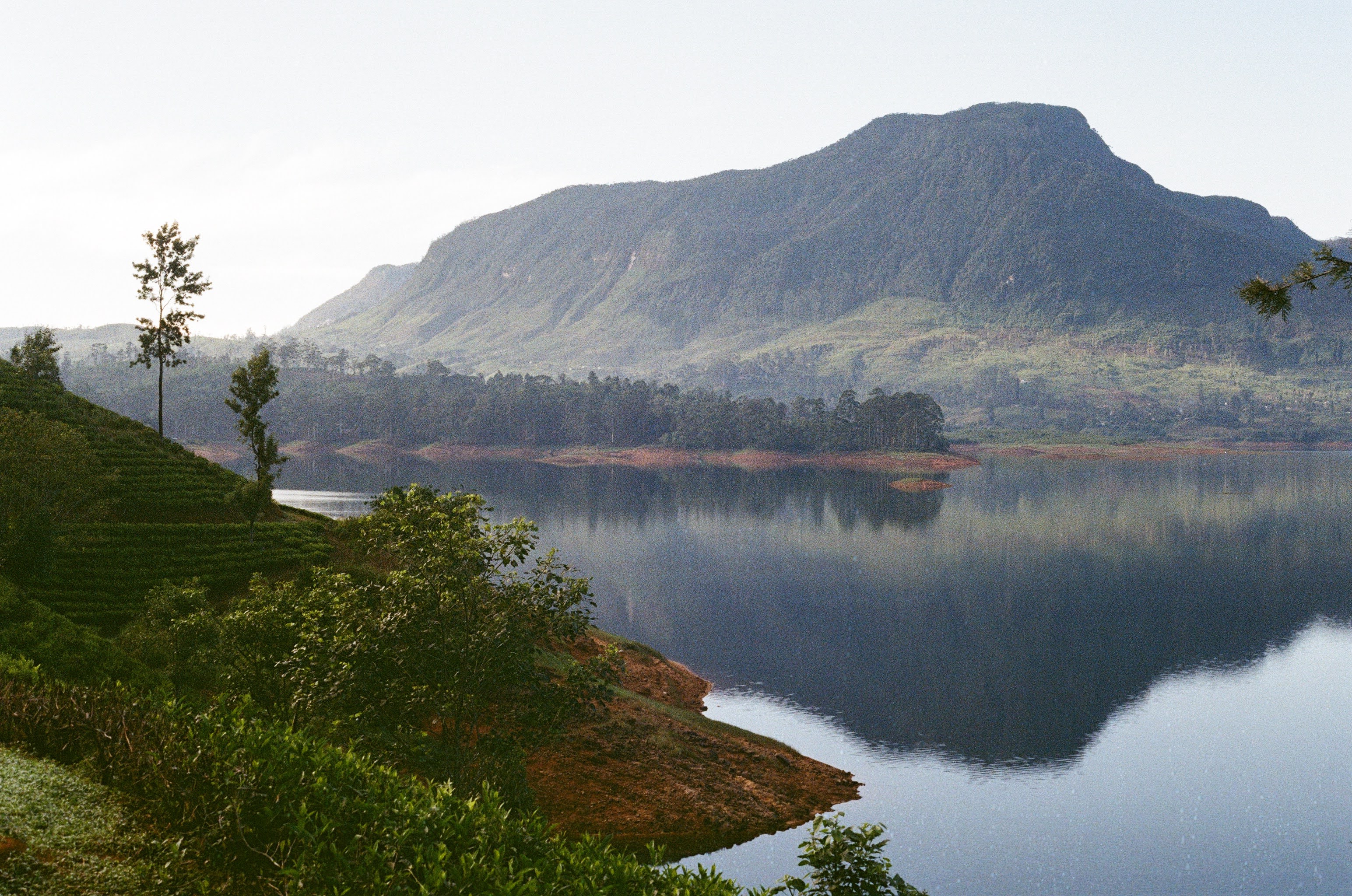
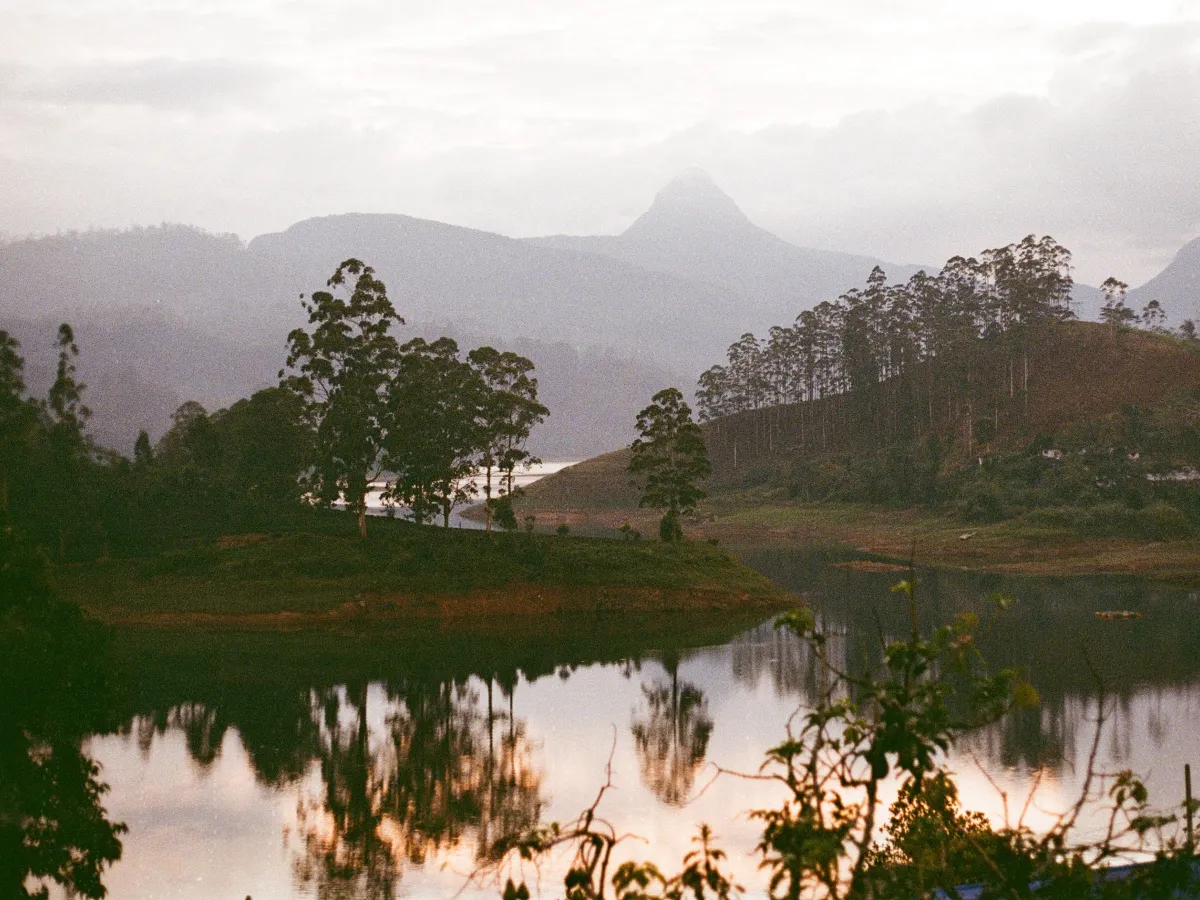
Later, we arrive in Maskeliya. A house gecko has hitched a ride on my backpack, and looks as surprised as we are to find ourselves with one of the most heart-breakingly beautiful views of our trip so far: the sun sinking behind Sri Pada, a mirror image of pink clouds and tree-lined peaks in the glassy reservoir below. Having tasted silence and stillness on the trails, neither of us are ready to surrender it, and we agree to skip climbing Sri Pada in favour of more time by the lake (it’s also pilgrimage season, and we’re told the crowds are suffocating). In the morning, we pack banana and peanut butter sandwiches and follow the road north, keeping the lake on our left. We cut down into paths carved into the terraced tea plantations, and we’re rewarded with more views, more stillness. A pair of Brahminy kites swoop over the undisturbed water, their distinctive rust-red feathers cutting through the blue-green. It’s pure magic, and we’re moved to stumble across a single burial site. It reminds us that Maskeliya’s beauty belies a melancholic history: the colonial implications of the tea plantations, and the mass displacement that took place when the old town was submerged to create the reservoir (the ruins reappear during droughts every few years). The 182 Hajj pilgrims that died in a plane crash in 1974; the waterfall named after a spirit that haunts the site with her baby. Still, we can think of few more peaceful places to be laid to rest.
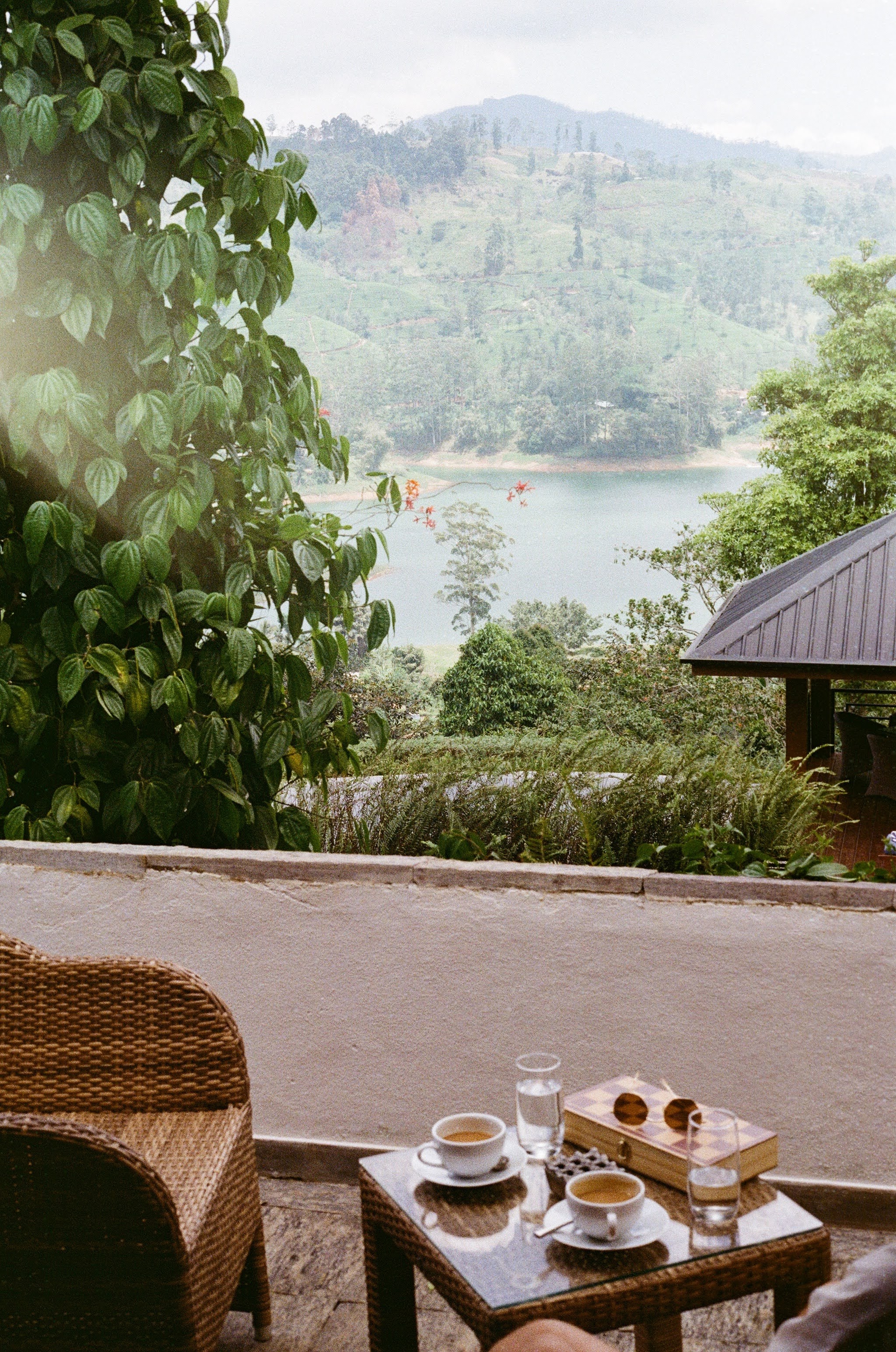
For our final stop, we backtrack towards Castlereigh Reservoir via Hatton. We’re headed for Camellia Hills, a deeply serene bungalow set on the Dunkeld estate. Our pace slows further: a downpour gives us an excuse to sit on the balcony of our suite, playing chess and drinking Damn Fine coffee (at last!). A chalkboard in the entrance lists serpent eagles and yellow-fronted barbets as regular sightings; a mongoose scampers across the lawn. The sun periodically breaks the clouds, rendering the reservoir turquoise, teal, aquamarine; we can’t keep our eyes off the shifting skies. This tropical climate helps the hotel’s kitchen garden to thrive, and we tuck into pumpkin and banana blossom lasagne and seer fish at supper. Portions are modest, but at breakfast we feast: fresh juice, fruit platters, homemade granola with mango jam and curd (yoghurt), pea and cashew curry with fluffy white rice. I think if this was on offer every time I had to set my alarm for dawn, I could probably get on board long after our adventure ends.
Anna Prendergast