reclaiming American idealism in Vermont
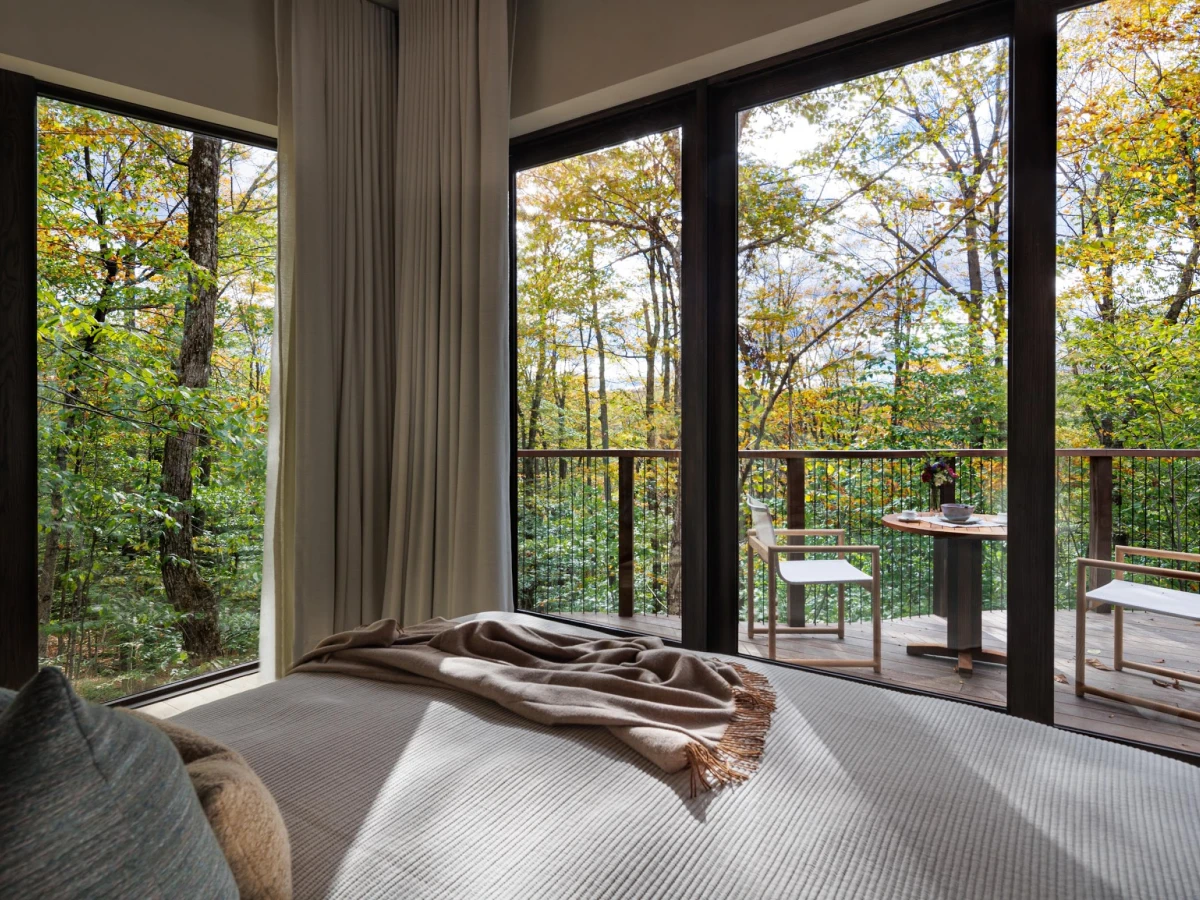
Guests don’t exactly check in to Twin Farms, the most luxurious destination in Vermont (perhaps in all of New England). There's no paperwork, no standard procedures. There isn’t anything for its staff to do on arrival beyond make their guests as comfortable as possible, immediately.
“We don't ask you to sign a form promising to depart by 11:00 a.m. on Tuesday. These things are unnecessary,” says managing director John Graham. Instead, all that’s required is giving your name as you pass through the private property’s gates before you drive the (intentionally) long path up to the courtyard. You’ll be welcomed warmly by staff, invited in, offered a drink and shown the way around—with no reconfirmation of the day you’re planning to depart or a reminder of what time checkout is. “We don’t waste any time on it,” Graham says. “You arrive at Twin Farms never having checked in. You depart never having checked out.”
This unusual process is one of countless psychologically-minded procedures Twin Farms has developed to ensure guests feel truly unburdened over the course of their stay. Many of the guests are high-powered executives and therefore coming from hectic, pressured lives in cities like New York and Boston. “Then, they're in Vermont,” Graham says. “There's no traffic, there are no billboards, there's dirt roads. All of a sudden, the world is demanding nothing of them. And we watch the evolution as our guests recognise this. Coming up the driveway is one moment. That first dinner is another. And that’s different from how they’ll feel by their second dinner. And then, of course, there's the relationship between the couple that changes, too, so we navigate that as well.”
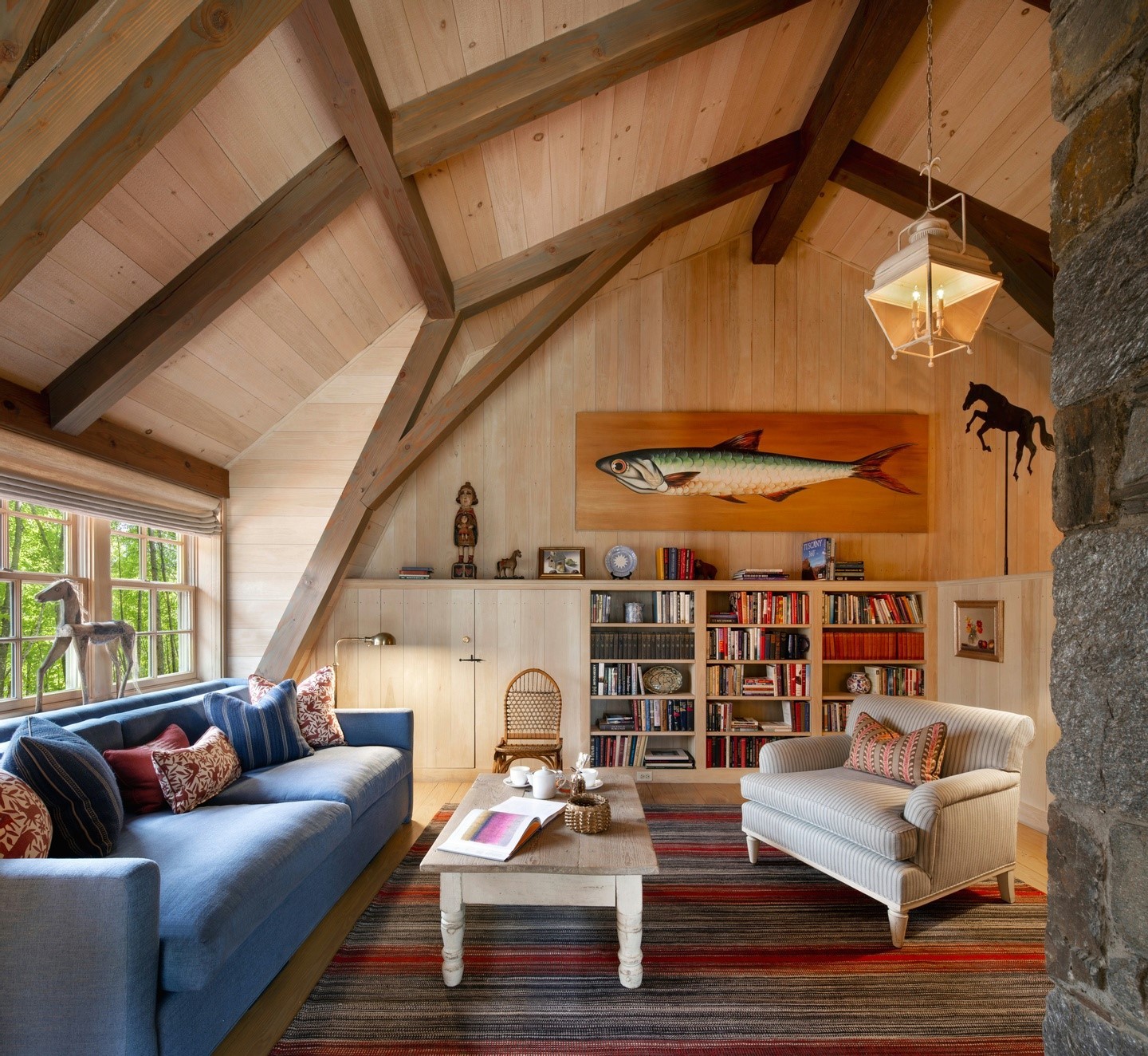
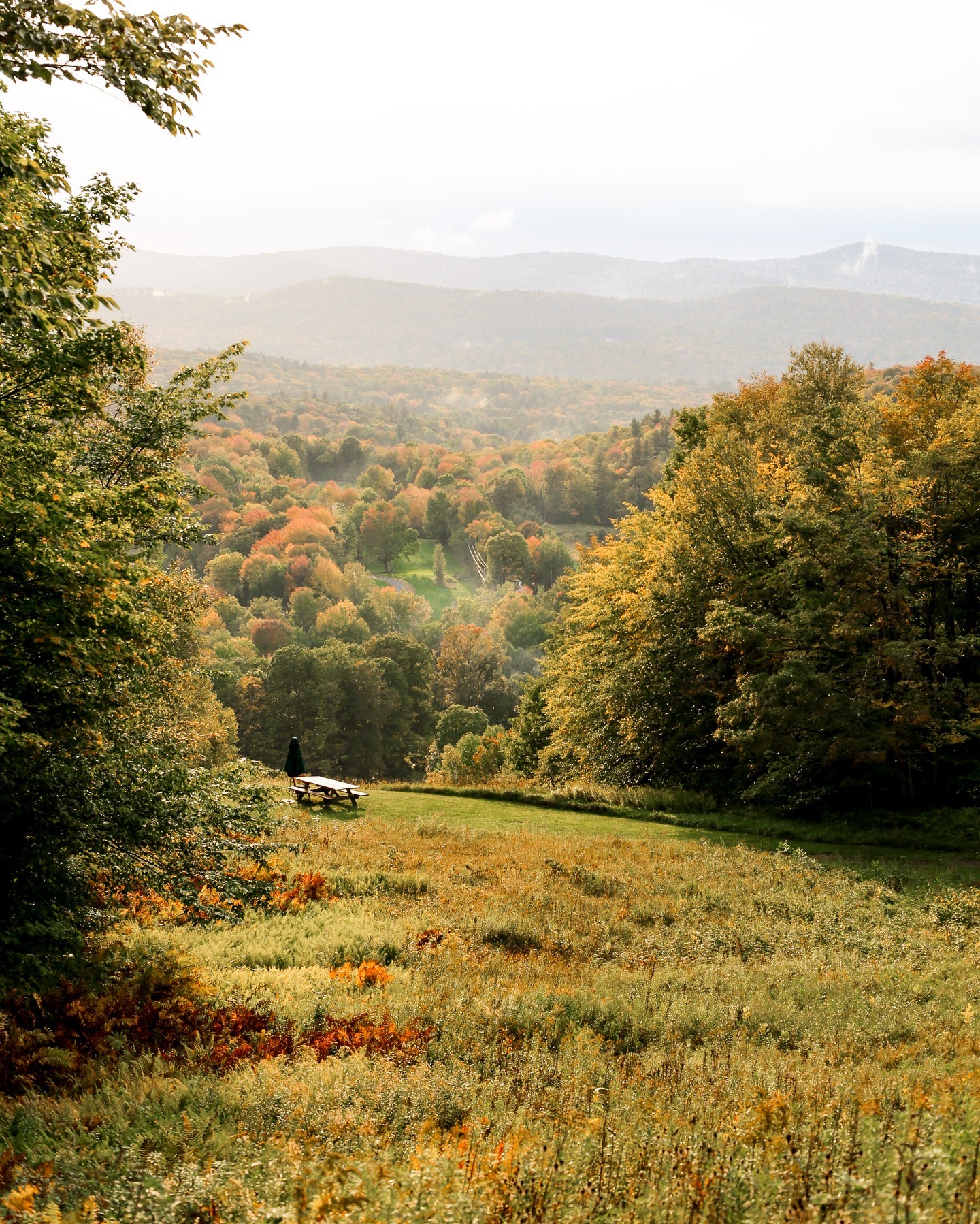
Graham says “couple”, almost without thinking because Twin Farms has become known over its three-decade history as one of the most romantic resorts in the United States, if not the world. As well as the rolling hills and wildflowers of the Vermont countryside, the hotel’s surprisingly low room count—28 total, up from 20 only last year—adds a real intimacy to the place. All of this is heightened by the fireplaces and large bathrooms in every room (and the fact that children aren’t allowed).
The property opened in 1993, after owner Thurston Twigg-Smith decided to open up his family’s beloved second home to guests. To do so, he approached David Garrett, the creator of The Point—a similar luxury lakeside property in upstate New York—and signed him on to help. Along, eventually, came Graham, who previously ran The Point and its sister property, Lake Placid Lodge. Twin Farms launched with just nine rooms, starting small to get its sea legs and figure out how the home would function as a hotel. And while the current, 28-room structure may not sound like a whole lot, every guest is consulted before they arrive to learn exactly what they like, why they’re coming and what they want to get out of their stay. The on-site staff are kept plenty busy all year round.
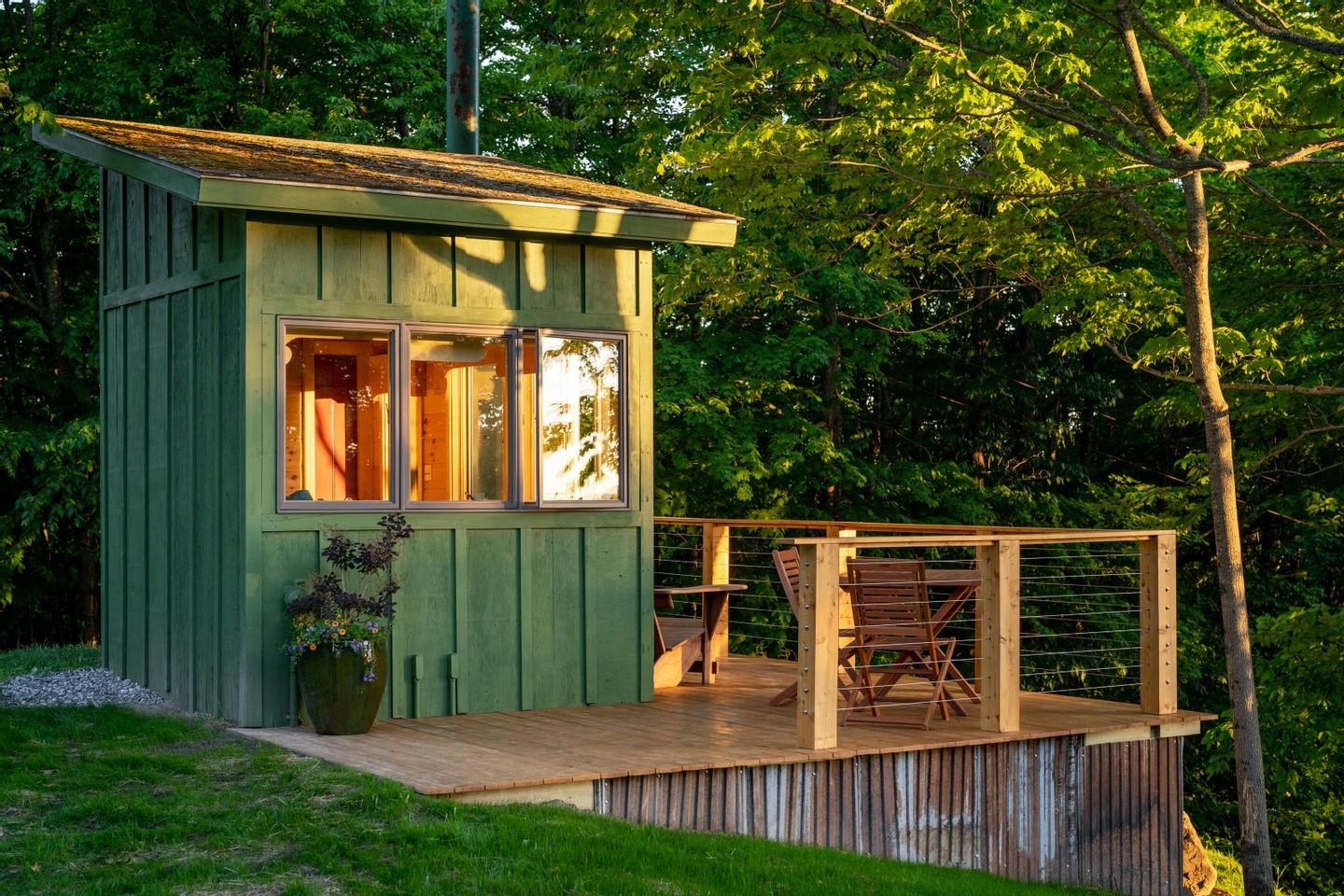
Thankfully, they’re able to say “Yes” to pretty much everything a guest might desire. In an age of hotels adding hidden service fees and charging $8 for water from the minibar, Twin Farms is a refreshing antidote. Everything from private ski slope shuttles to room service to state-of-the-art bikes and tennis court access is included in the price of the room—in fact, it’s near-impossible to find something you’ll be charged for. The hotel doesn’t keep track of how many cocktails or espressos guests order during their stay, or if they want a pizza in the middle of the night, or if they have their clothes laundered.
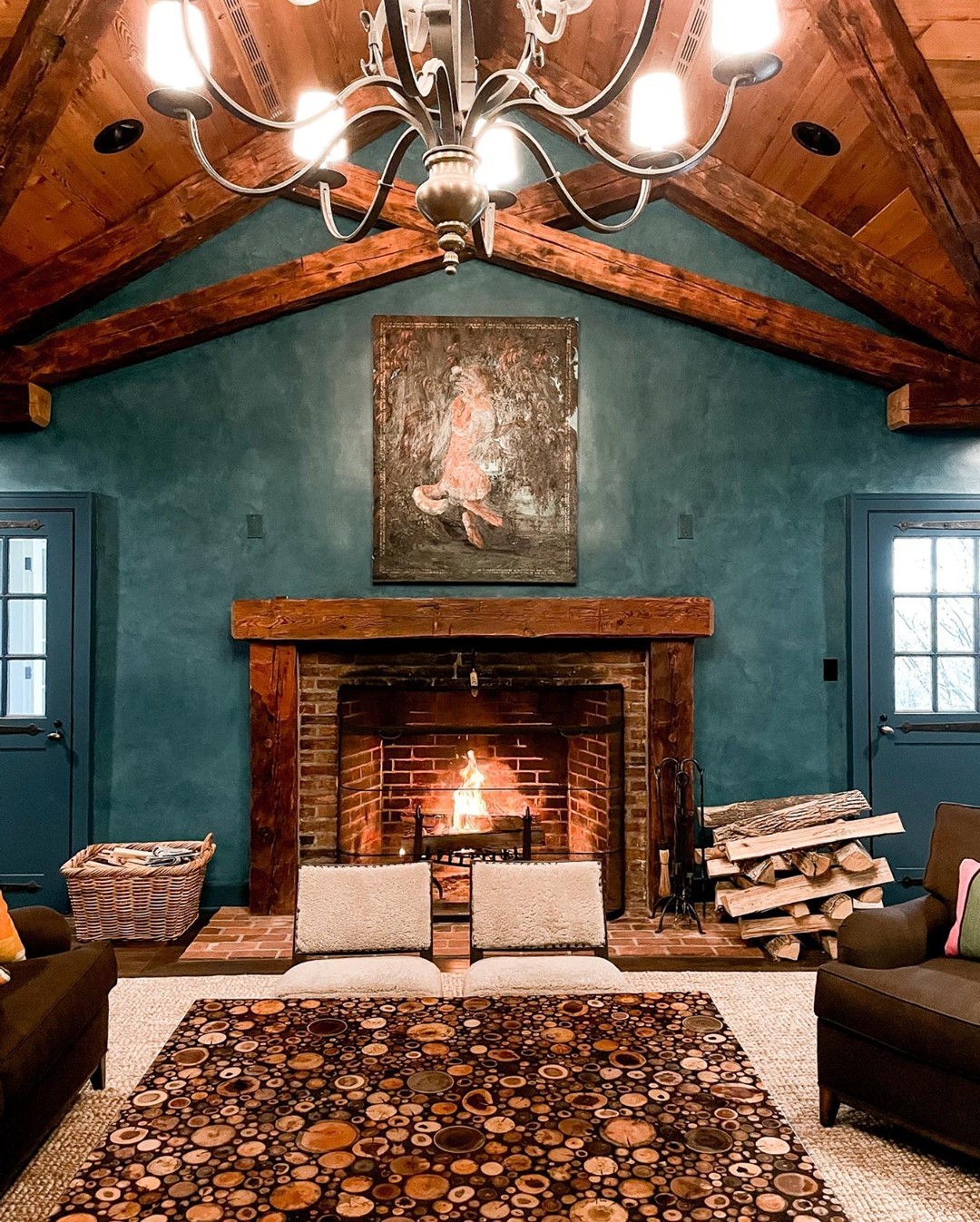
Twin Farms was built for Sinclair Lewis, the United States’ first Nobel-prize winning author, and Dorothy Thompson, regarded by many as the “First Lady of American Journalism”. The full breadth of the site covers about 320 acres, with an original farmhouse dating back to the 1790s as the centrepiece. Inside that farmhouse are many of the guest suites, as well as the games room, living room, dining rooms and one of two of the on-site bars (both of which, of course, are free to order from.) There’s also a new, expansive outdoor heated dining terrace, and just a stone’s throw away is the 24-hour fitness centre and spa. Set a little further away, by design, is the Japanese furo—a serene, onsen-like bathhouse, with a pool heated to 104 degrees and views over a birch tree forest. Not to mention what’s underneath these structures: Twin Farm’s vast underground cellars, where 15,000 bottles of wine wait to be uncorked for guests.
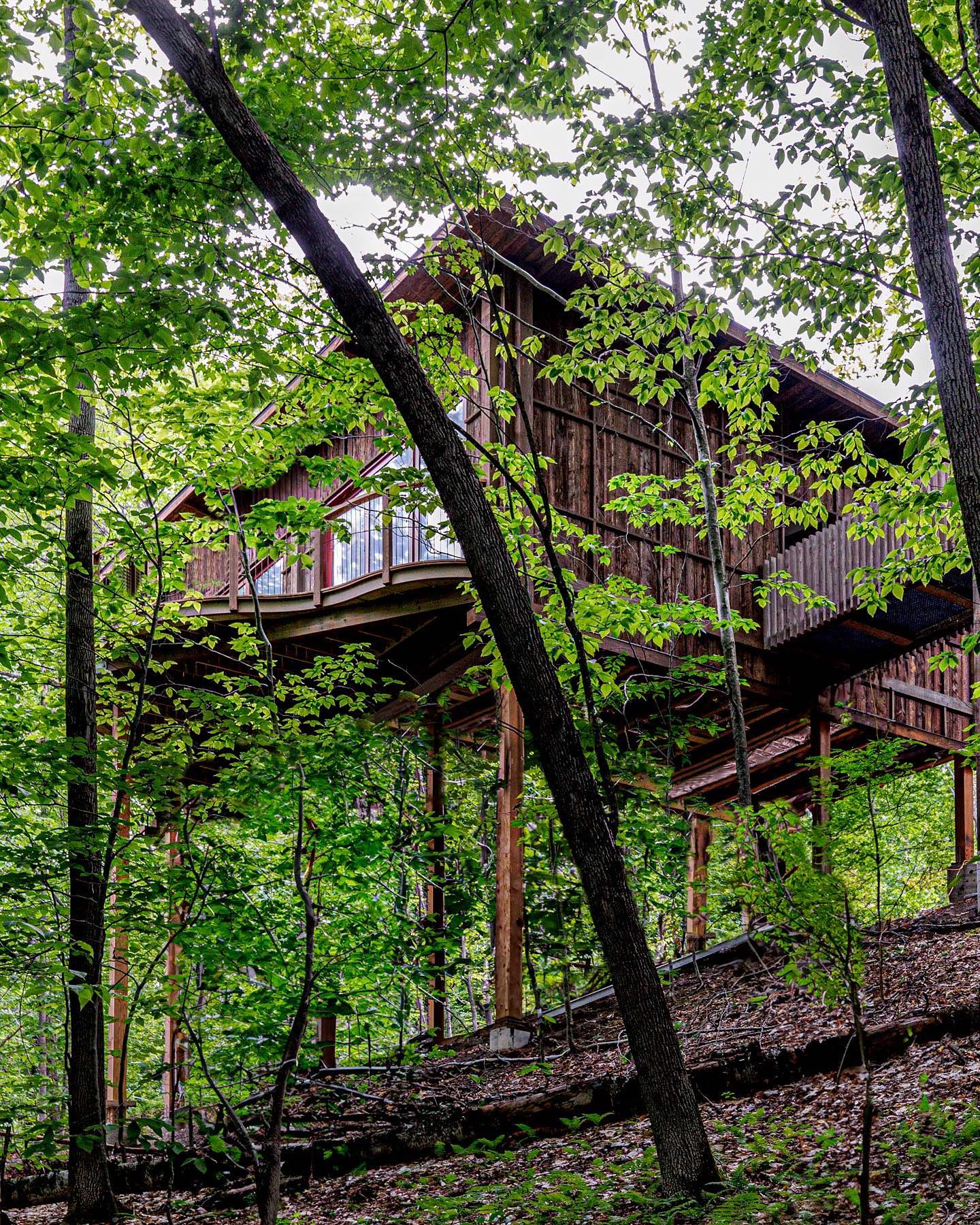
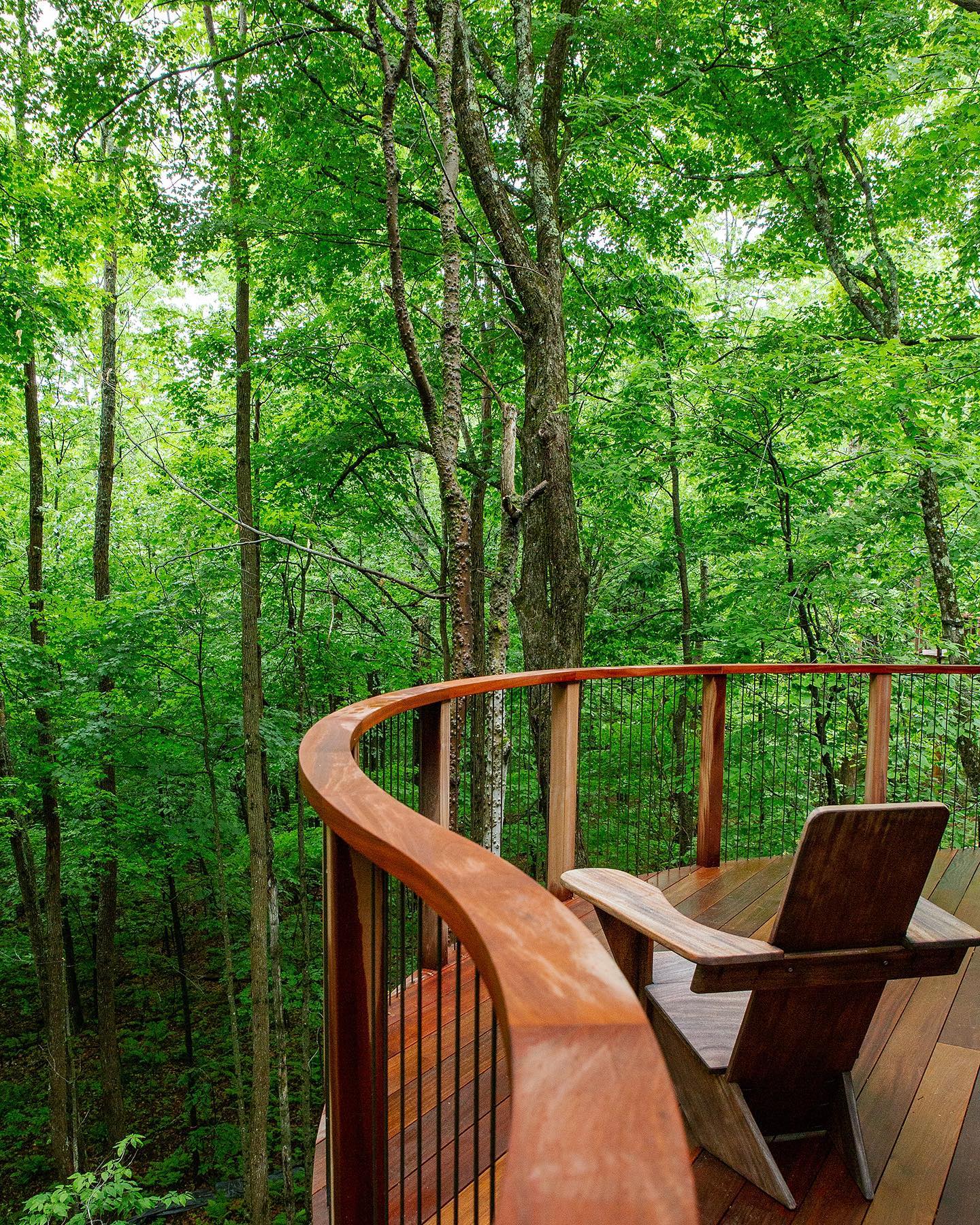
Beyond the buildings, there’s endless opportunity for physical adventures. In winter, that looks like five private ski slopes, an ice-skating rink, hills to sled down, areas for ice fishing and even a marked-out path should you wish to ice skate across the frozen lake. In the warmer seasons, these are swapped out for tennis, hiking, and cycling—and access to local golf clubs can be arranged.
Because no part of Twin Farms is open to the public, whether you’re in the restaurants or the spa, or on the slopes, you’ll only be around fellow guests. Given this privacy, and the sweeping beauty of the site, many people choose it as a place toast major life events. On any given night, probably 60 or 70% of our guests are celebrating some important occasion in their lives,” Graham says, adding that his team are often tasked to help. “We are asked to create spaces to make those moments really special on a regular basis.” This could be anything from proposals to promotions, milestone birthdays and retirements. And it’s not always about the best things in life, either. “It could be we successfully navigated cancer. It could be we are unsuccessfully navigating cancer.” Either way: “We are honoured to be asked to help usher in these moments.”
All of the above represents Twin Farms’ particular approach to that word we hear so much in hospitality today: wellness. “We're not a wellness resort, but our aim is well-being; we just get there differently from a traditional wellness resort,” Graham says. “We get there trying to serve you beautifully, trying to acknowledge your right to belong and recognise your need to be listened to.” This is also what he believes has been the secret to Twin Farms’ success. “Our guests can choose any hotel. We're competing for their time, most of all, and we're competing for their hearts. For that, we think that there's an essential element of warmth, and an essential element of generosity. Somebody will always build something more spectacular, more stunning. But it always, always, always, always comes down to people. There'll always be some setting that will come along that will be compelling. But unless you really connect with your guests and affect how they feel, it's for naught.”
Louis Cheslaw
A storyteller in various guises, Louis captures the essence of a person, a place, a community, whatever, really, when he writes. But he’s someone that captures our attention no matter what he does. After seven years in New York, Louis is now back in London, though he does get his wheels up from time to time. His ideal trip affords him that sense of smallness that sweeping expanses of nature often give. Think: Hawaii, Wyoming, the Dolomites or the Highlands. When he’s not writing features for gloobles, New York Magazine, Air Mail and beyond—or helping brands tell their own stories through his consulting work—Louis’s likely turning his attention to tennis, football and cooking.