into the great wide open
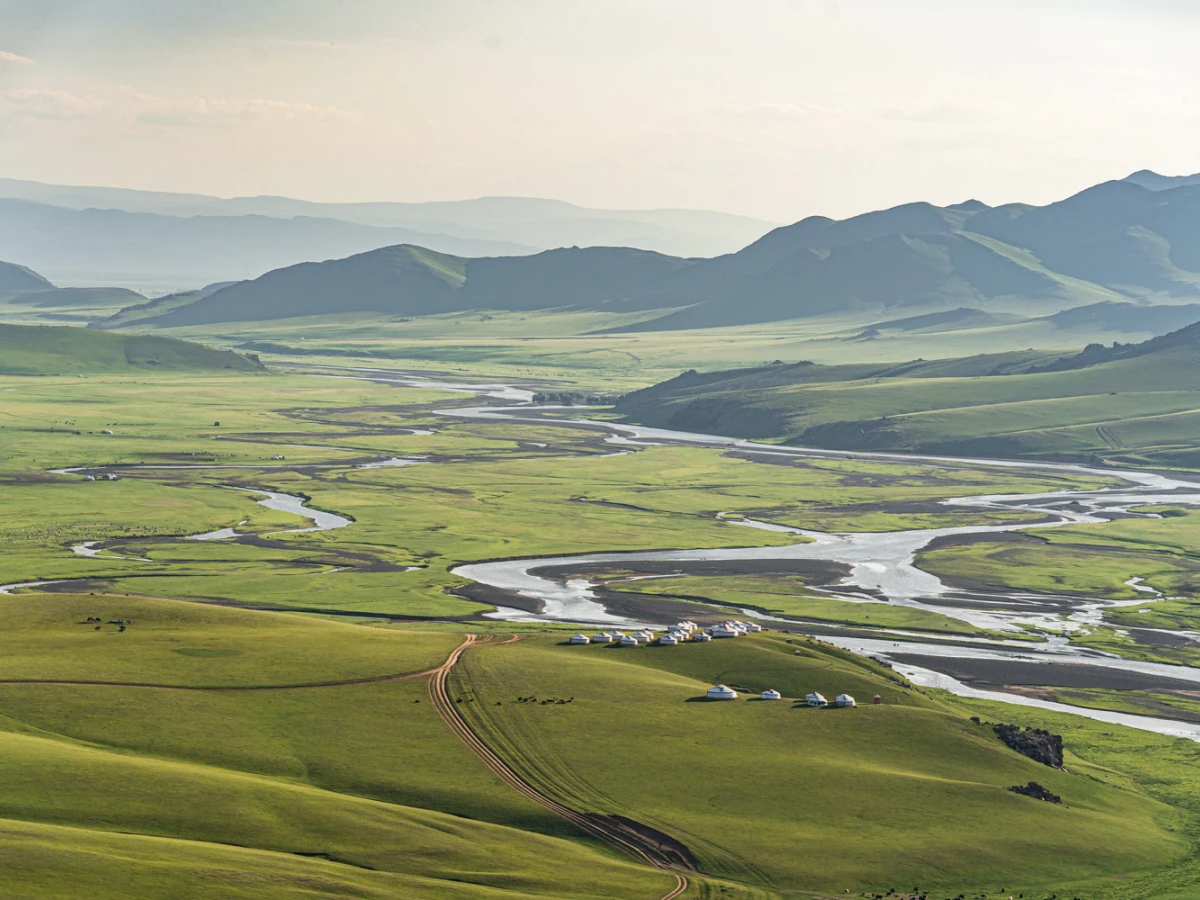
I had never heard a silence this loud. Seated in front of my ger, a nomad tent made from wood and sheep wool held together with strings of horsehair, Mongolia's Orkhon Valley unfurled from my doorstep into an undulating ripple of grass-covered hills. There were no trees for the breeze to rustle through, no whirr of an air-conditioner and no traffic din in the muffled distance. All that filled my ears was a pastoral silence, occasionally interrupted by a gust of wind perfumed with the wild rosemary that grew in abundance around my feet. Right there and then, it was exactly what I had come to find.
I had travelled to the Genghis Khan Retreat in central Mongolia to break away from the high-octane pace of life in the city. I was after something deeper than a digital detox: not only did I need to untether from deadlines and to-do lists, I itched to shake off the constraints of urbanity, submit myself to the whims of nature. I craved wide-open spaces to overlook the bigger picture, a vista without the distraction of must-visit landmarks and postcard sights.
The Orkhon Valley's sprawling expanse of pastureland delivered just that. From my hilltop ger, I overlooked the Orkhon River writhing through the grassy plains, endless green sweeps only punctuated by a scatter of cattle and a few rudimentary nomad camps that'd move on during the region's harsh winters. And while the Genghis Khan Retreat offered fire-heated baths and bone-cracking massages by a traditional healer, a long gaze at this vast, largely featureless vista was all I needed to soothe my soul.
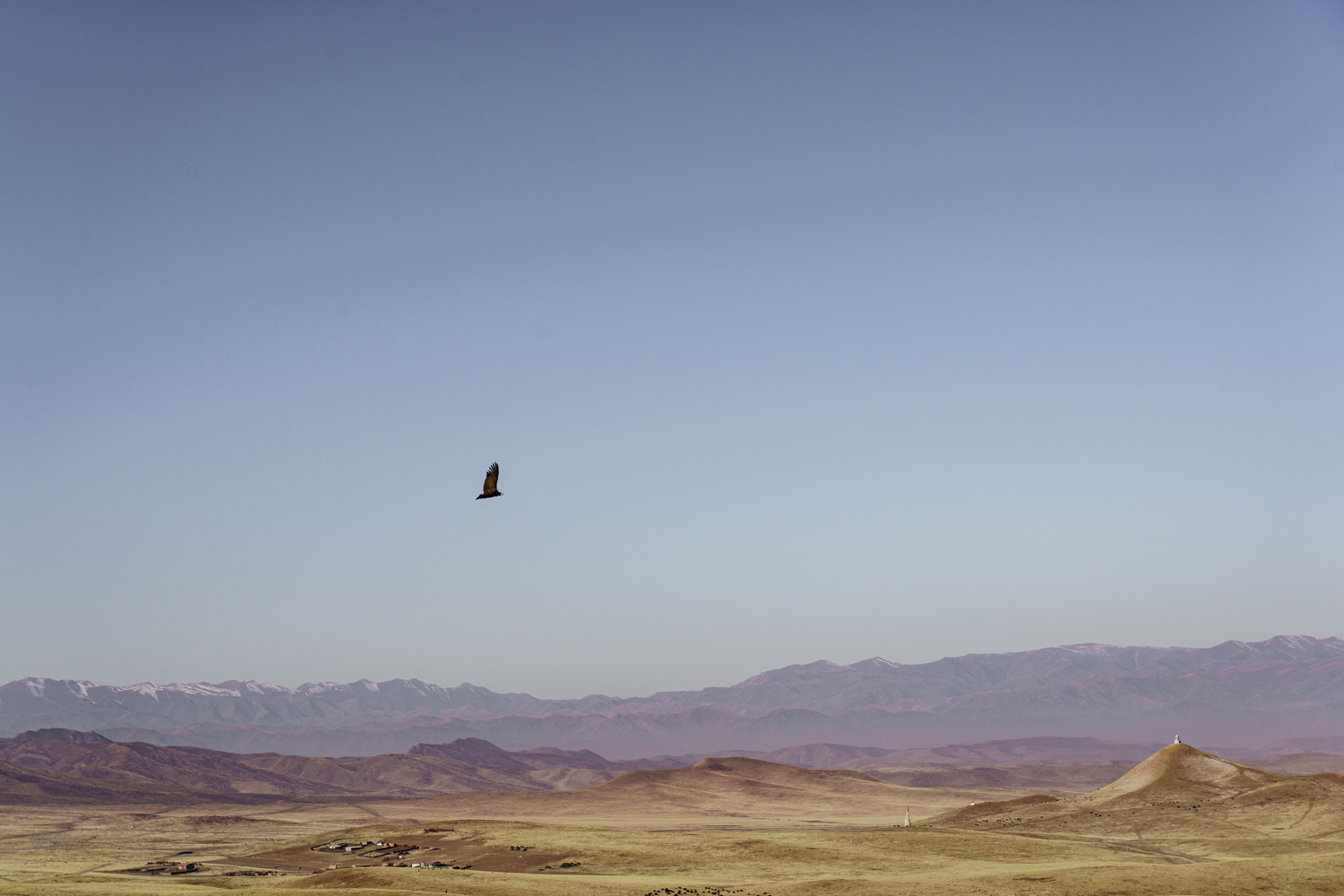
And it's not just me: the stress-busting qualities of wide-open spaces are hard-wired into the human psyche. In his podcast, American neuroscientist Andrew Huberman describes it as "panoramic vision" and explains how looking at broad horizons induces calmness. The "focal vision" state our eyes are in for the lion's share of our everyday errands is said to do the opposite; it triggers stress and anxiety.
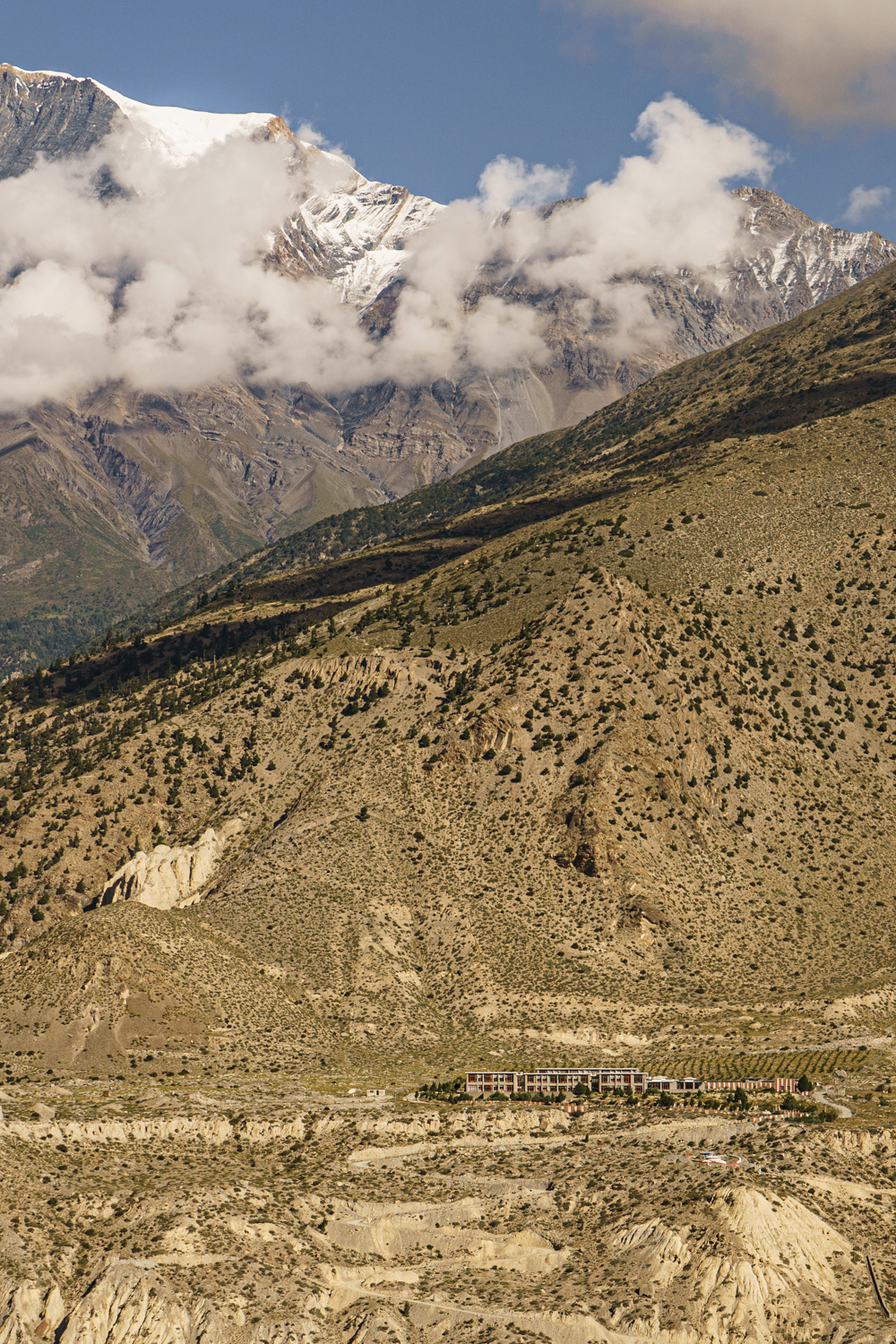
This search for wide horizons has led me far off the tourist trail. As human settlements have encroached on almost every corner of the globe, it's Earth's most inhospitable regions that seem to deliver the biggest psychological payoff. I found a similar rural tonic in northwest China's thinly populated Gansu province, where low, grassy steppes rolled on as far as my eyes could see and only a handful of Tibetan nomad settlements dotted the landscape. I felt it too between the endless craggy peaks of Ethiopia's Simien Mountain range and during a trek around Nepal's remote Mustang region, where ochre-coloured mountains spread for miles on end
Most soul-stirring, though, was the view over eastern Antarctica's snowy sprawl from White Desert's Echo Camp, a string of 'polar pods' pitched up near the company's private Antarctic runway in the little-visited Queen Maud Land region. The ice sheet, so eye-blindingly white I needed polarised sunglasses, rolled all the way to the horizon, only interrupted by snow-covered mountains that few—if any—humans have ever set foot on.
Areas like these, so other-worldly and remote, confront us with our smallness, our rather inconsequential place in a bigger world that, however much it may feel that way, doesn't actually revolve around us. Here, Mother Nature has the last word, and no amount of money or bravado can force her to sway. Luxurious spa retreats and chichi resorts may promise life-altering moments—but sometimes, all you need is to open your eyes.
Want to experience true wildness, to revel in the ultimate luxury of remoteness?
Let our travel team plan the ultimate unplug. Get in touch on [email protected]
Chris Schalkx
With words and images in Travel + Leisure, Condé Nast Traveler, Architectural Digest and Bloomberg Pursuits, our friend Chris is undeniably in the know. From luxe camping in Antarctica to two unforgettable weeks in Bhutan with a toddler in tow, he’s done it all. When he’s planning trips, Chris starts with a killer hotel and lets things unfold from there. It’s about the journey rather than the plan for him. With his nearly indestructible Rimowa carry-on and camera in tow, this culture fiend is perfectly suited for discovering the undiscovered.