inside Osip 2.0
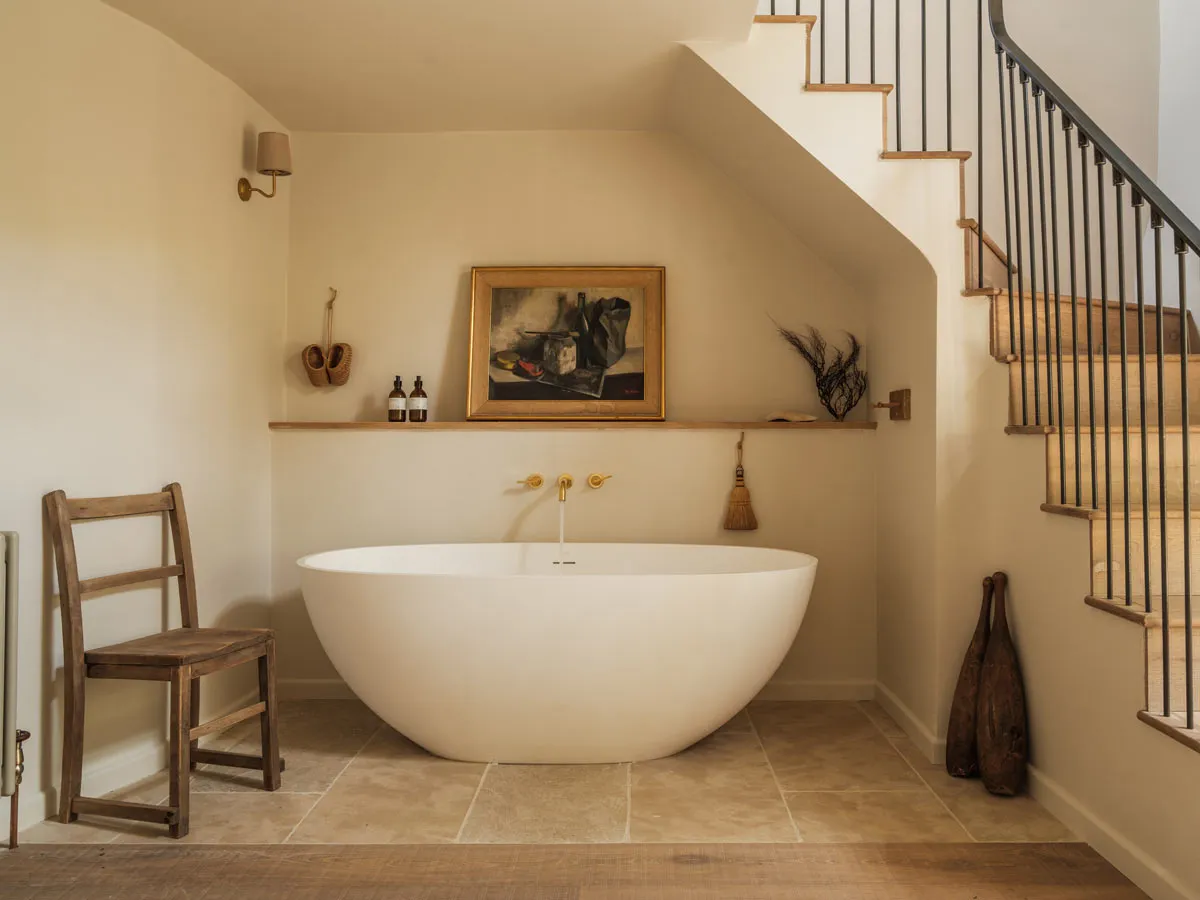
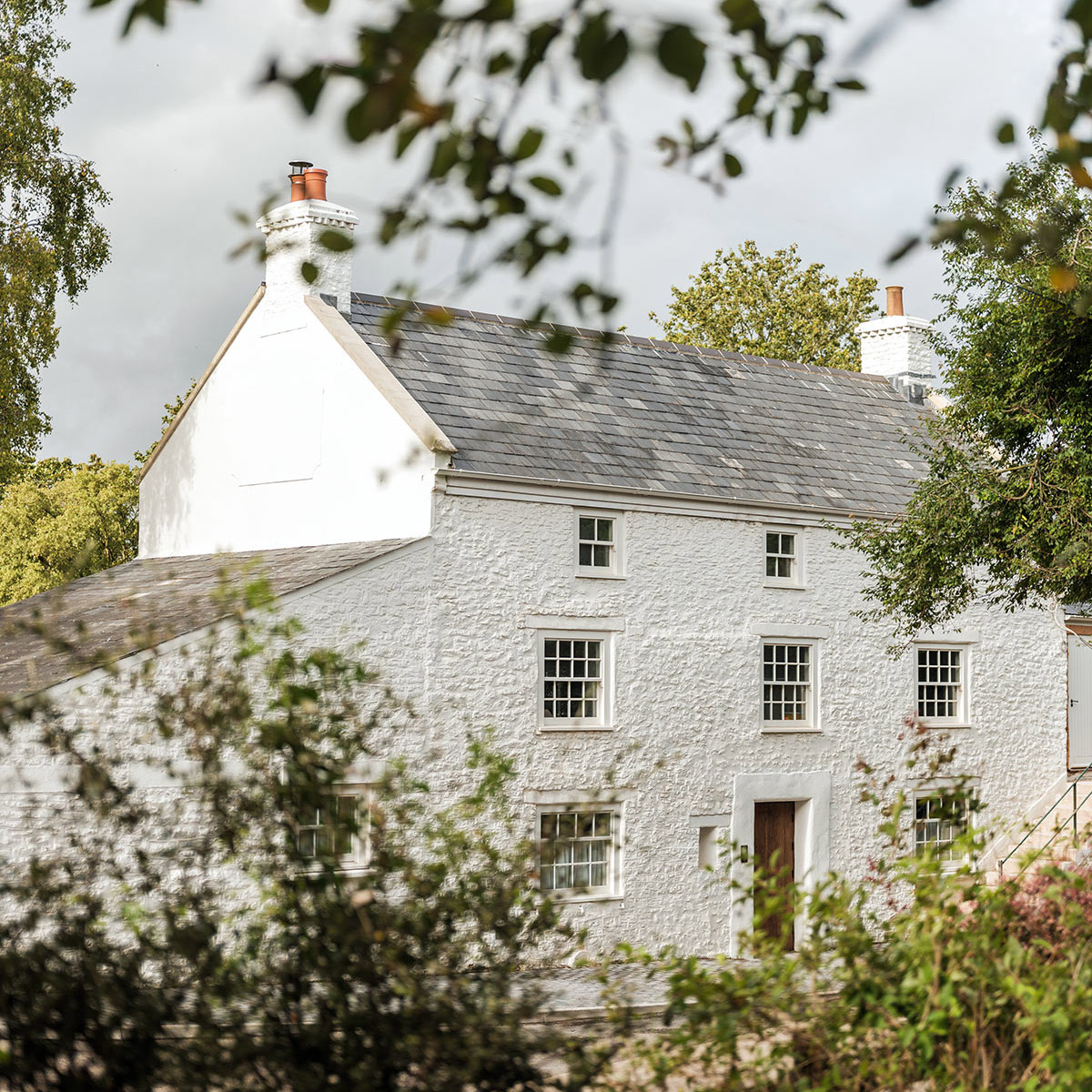
The 17th-century coaching inn-turned restaurant opened to diners last year, but now there are four elegant bedrooms for sleepovers upstairs.
When The Newt opened outside Bruton in 2019, it arrived with a giant splash – an all-singing all-dancing hotel meets farm meets buffalo-milk gelateria, with absolutely everything in between. Six months later, boutique hotel Number One quietly opened its doors in Bruton itself with the comparatively quiet word-of-mouth hype that came with the hotel restaurant’s young chef. Merlin Labron Johnson was just 24 when he won a Michelin star for Portland in London. And he was quickly awarded the same accolade in Bruton despite only being open for three months amidst multiple Covid lockdowns.
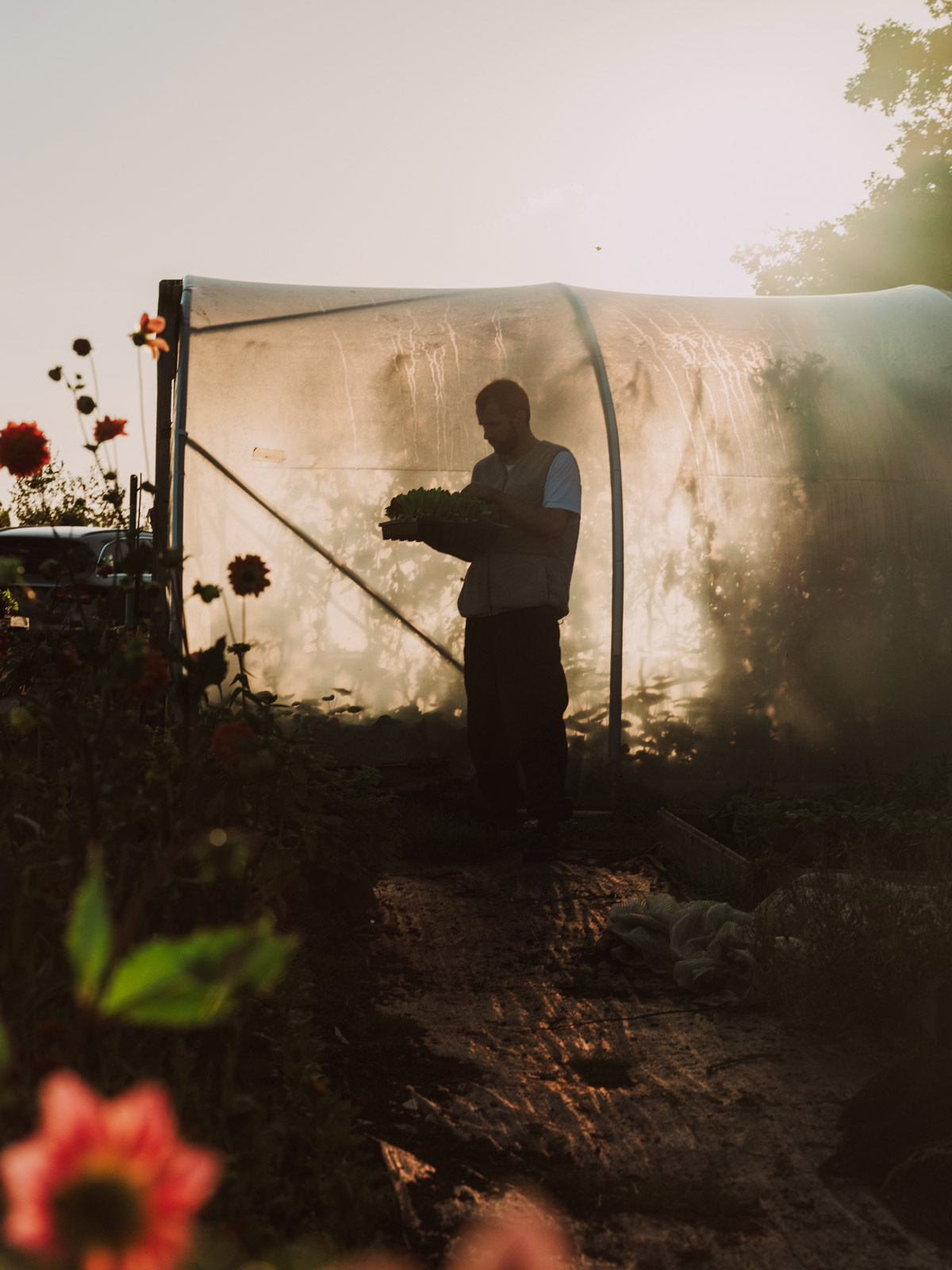
While the restaurant was shut due to restrictions Merlin taught himself to grow vegetables via YouTube tutorials. "When I started, I didn’t have a greenhouse, so my house was constantly full of plants, compost and soil." And what had previously been a seed, was firmly planted: the ambition to create his own space, sustained by a kitchen farm. Five years later, and in its new home in sleepy South Brewham, Osip 2.0 is something that belongs out of town. Chef Merlin Labron-Johnson's veg-heavy menu centres around two fairly mini no-dig plots – with the glorious scent of wild strawberries in the air on a summer’s day – where nettles poke between bright rows of purple mangetout and bulb fennel to attract insect life. "If the aphids are going to get a crop, that’s that." says head grower, Jed, who has never used a chemical in his life.
As soon as you enter the new restaurant there’s a real feeling that Merlin is trying to do something few in the UK have achieved. His influences? There are books by René Redzepi, Mauro Colagreco and Ana Roš dotted throughout the restaurant’s communal spaces. Merlin references his experience at Dan Barber's Blue Hill at Stone Barns as one of the most eye-opening meals of his life, and Les Cols in Spain and La Grenouillère in France as inspiration for Osip's almost-ascetic restaurant space. "I’ve also found a lot of inspiration from my travels to Japan over the years – in the country's approach to minimalism and purity in both food and design."
Waiters wear short white buttoned up lab coats and move silently between the tables in a fashion that is reminiscent of Ralph Fiennes in cinematic horror-comedy The Menu. The film satires the world’s best restaurants and it is clear that this is where Merlin’s ambitions lie. Plus, this is not in fact the middle of nowhere. Bruton may be a small town but it has an A-list head count that includes Benedict Cumberbatch and Stella Mccartney. And the artwork on the walls is by British artist Christopher Le Burn, another local, who loans Merlin a plot of land to grow tomatoes and berries for the menu.
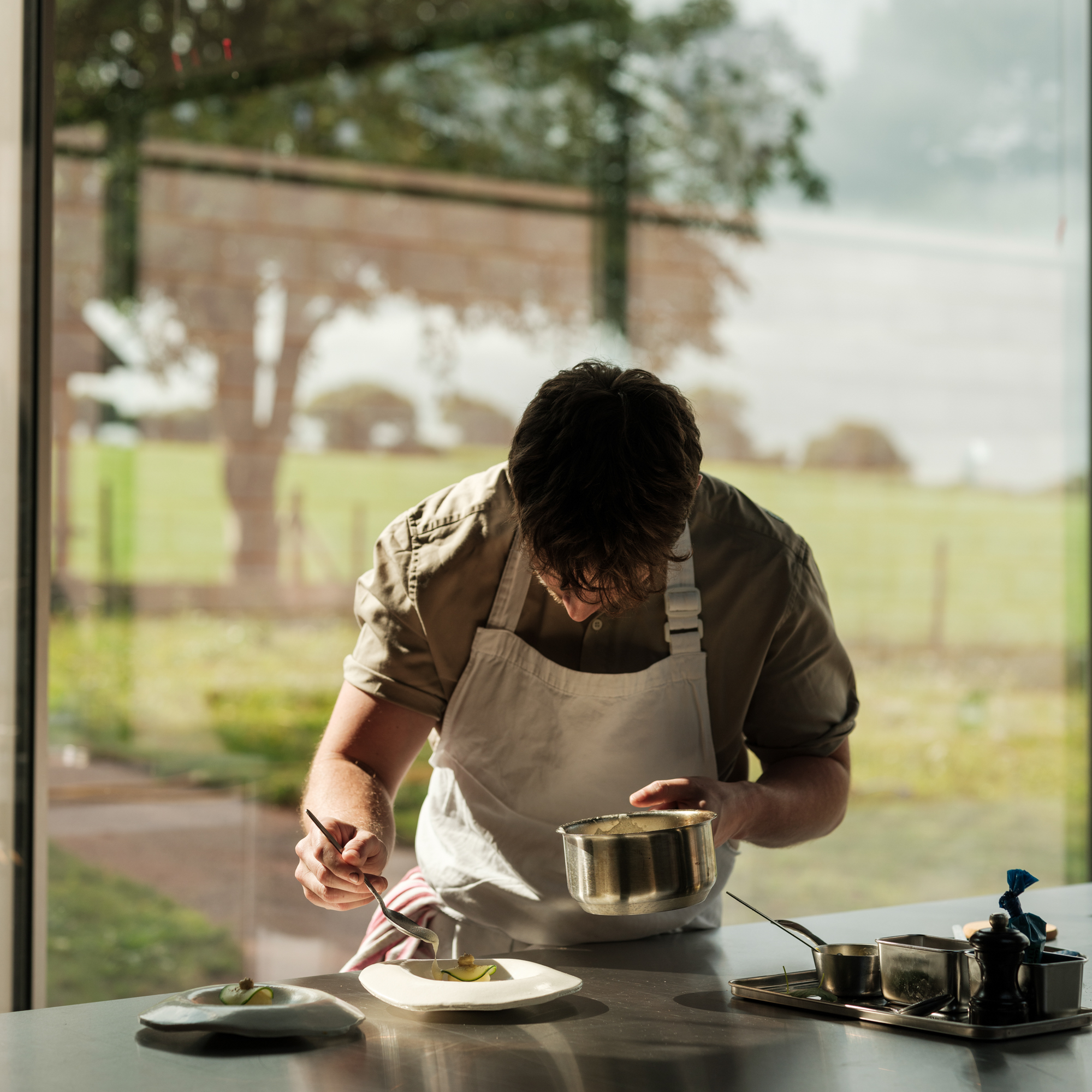
The restaurant centrepiece though is the glossy floor-to-ceiling kitchen stage looking onto the meadow garden and the Fresian dairy cows in the field beyond. On a summer’s evening, when the sky turns into flame-like ribbons behind the chefs, it’s magical. And so is the dinner menu, a levelled-up version of the chef’s offering at Number One (where chef Sam Lomas is now dishing up his seasonal sharing plates). An intense cold tomato water with a pearlescent drop of fig leaf oil floating on top is served with fermented potato brioche, labneh and tomato jelly. A rocket sorbet palate cleanser on a bed of gooseberry jam and pistachio is a completely unknown flavour combination, in the best possible way. A light, crisp lobster tempura served with salted egg yolk and sorrel is an unsurprising highlight. And the burnt honey tartlets are a pastry vehicle for what is essentially a crème brûlée served crème fraîche ice cream, pollen and mead.
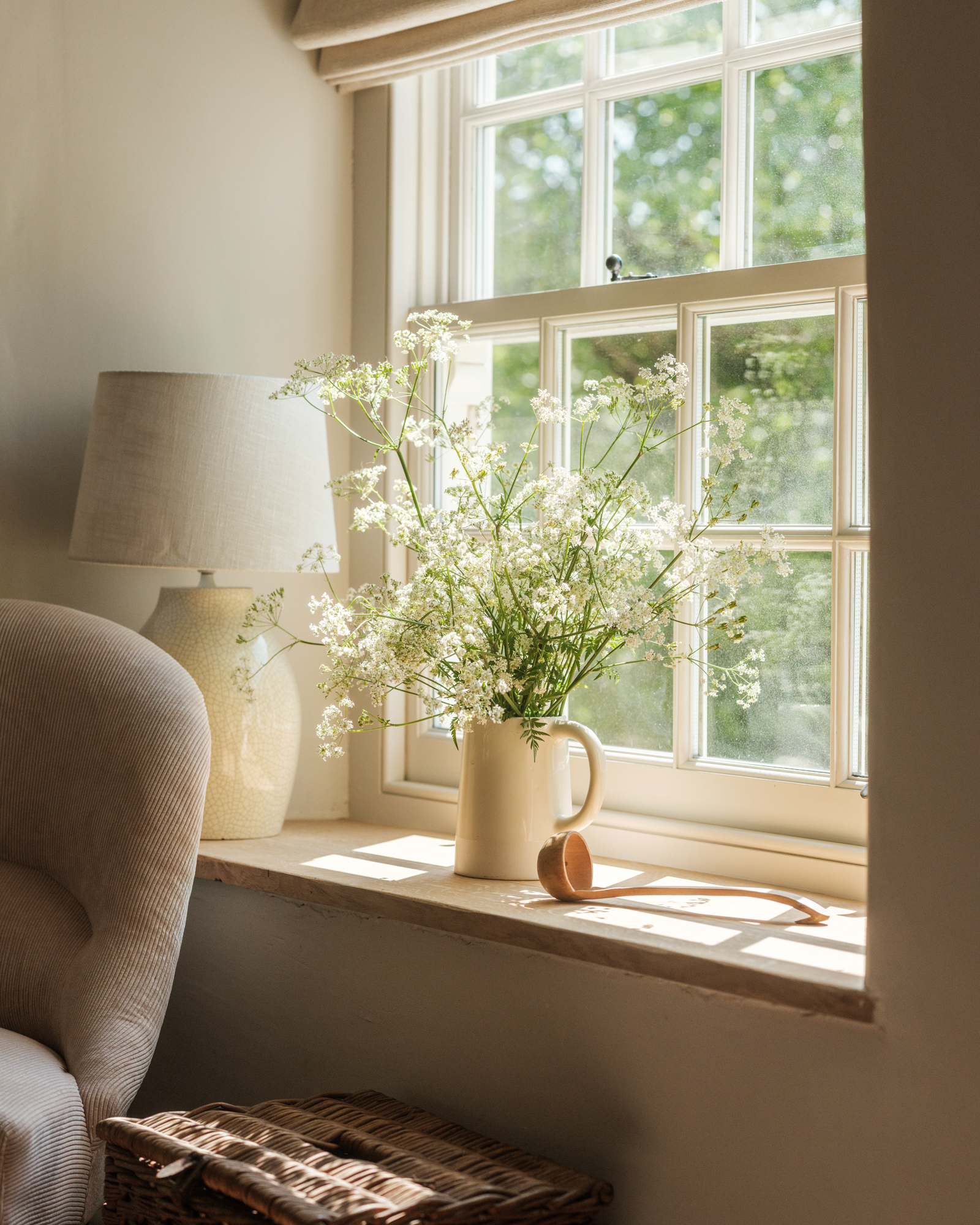
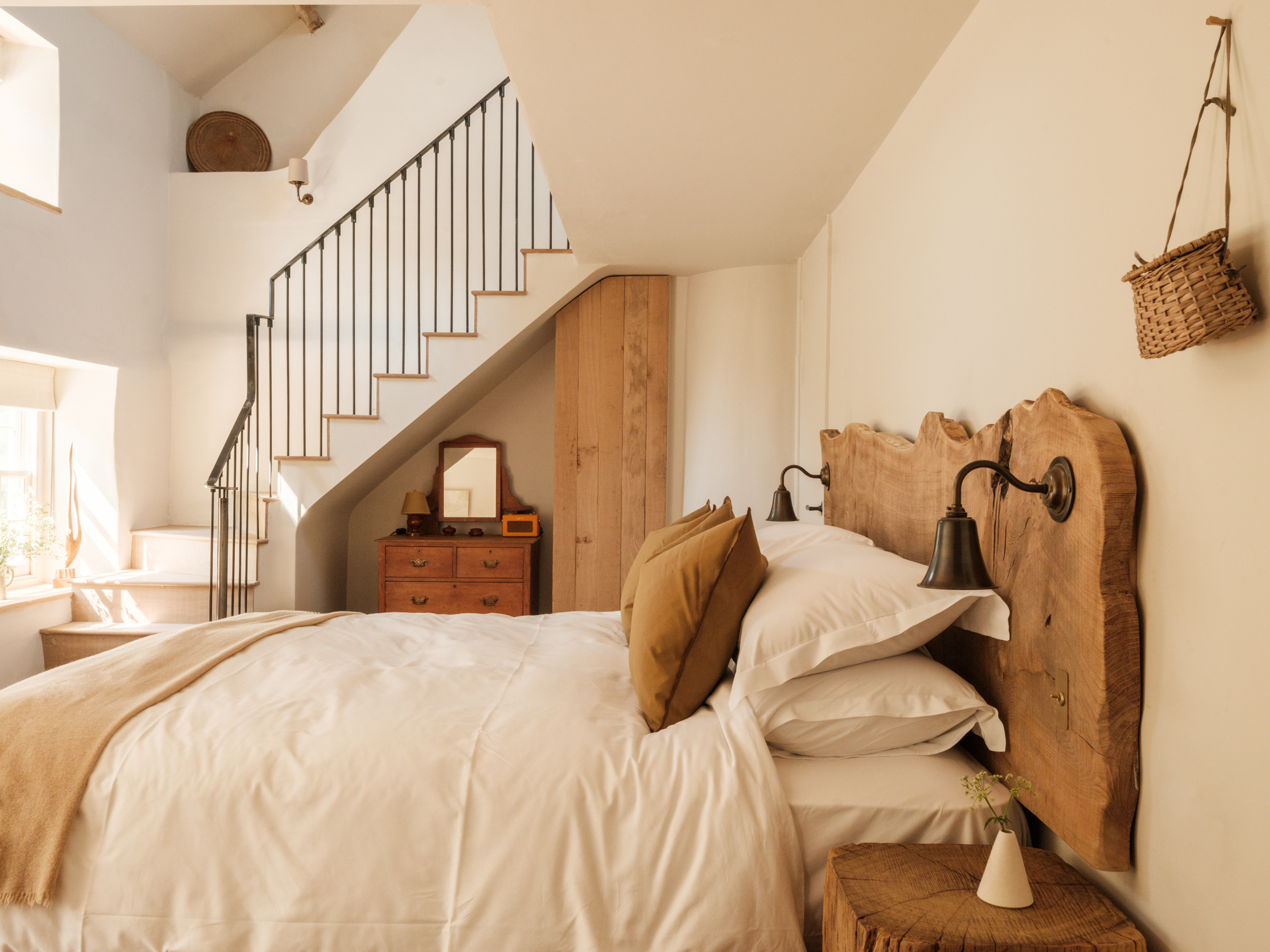
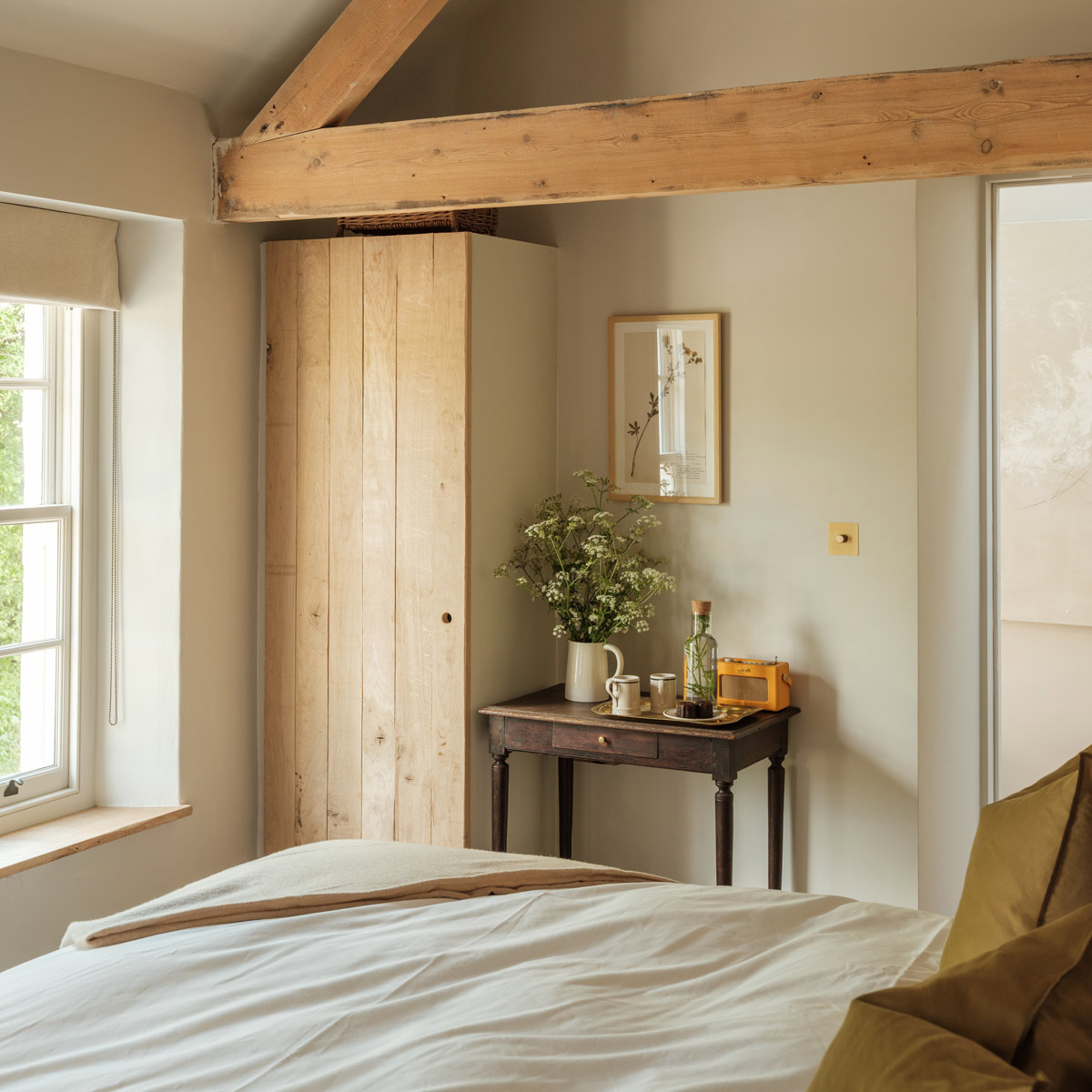
Upstairs, there are just four bedrooms, done up in a milky palette with chunky bedside tables made from tree trunks and stylish Maison Osip toiletries in brown bottles. Brue, a split level room with a huge, heavenly king size upstairs and a sleek bathtub in the downstairs sitting room is a standout. "We wanted to create a space that was contemporary but calm, and felt more like a house than a hotel" says Merlin of the design. Indeed, the only decorative touches are dried flowers tied in twine hanging from the walls and live-edge English oak headboards. Beautiful fresh wild flower posies (arranged weekly by the mother of one of the waiting staff) add warmth. As do a plate of custard-y on the inside vanilla-and-tonka-bean canelés that are worth squeezing in between check-in and ten-courses.
In the morning, Osip’s original fans will lament the loss of the breakfast rice pudding but not for long because the tables are laid with thick, creamy bowls of yoghurt, honey from the seven hives on the farm and sticky granola laced with pumpkin seeds and orange; plus gooseberry marmalade and black cardamom and pear knotted buns. There’s also a zingy green apple juice made with savoury sorrel, plus smoked trout with hay and freshly boiled eggs.
While Merlin was working at Number One, this, bigger bolder version of Osip, was always bubbling. "Sustainability is the glue that ties Osip together" he says. "It's a source of inspiration for everything that we do." In its new home, it is clear that the project is a labour of love, one with an attention to detail which has been years in the making. Merlin’s quiet presence is more of a solid foundation: one full of intrigue and hard graft. Osip 2.0 may be a true slow burn of the slow food movement but it’s full of intention, and it’s just getting started.

Tabitha Joyce
Obsessed with all things foodie, Tabitha is our go-to London restaurant authority. Based in Peckham, South London is her beat, but there isn’t a restaurant she doesn’t have an opinion on – be that market-stall falafel or multiple Michelin courses. Having spent 10 years at Condé Nast Traveller and written travel tombs for Assouline her tips don’t stop there. Her favourite hotel finds are affordable, beautifully designed and ideally a little bit under-the-radar. Of course, what’s on the menu is important too. And there are usually bonus points for pasta.