in search of Cairo’s quiet side
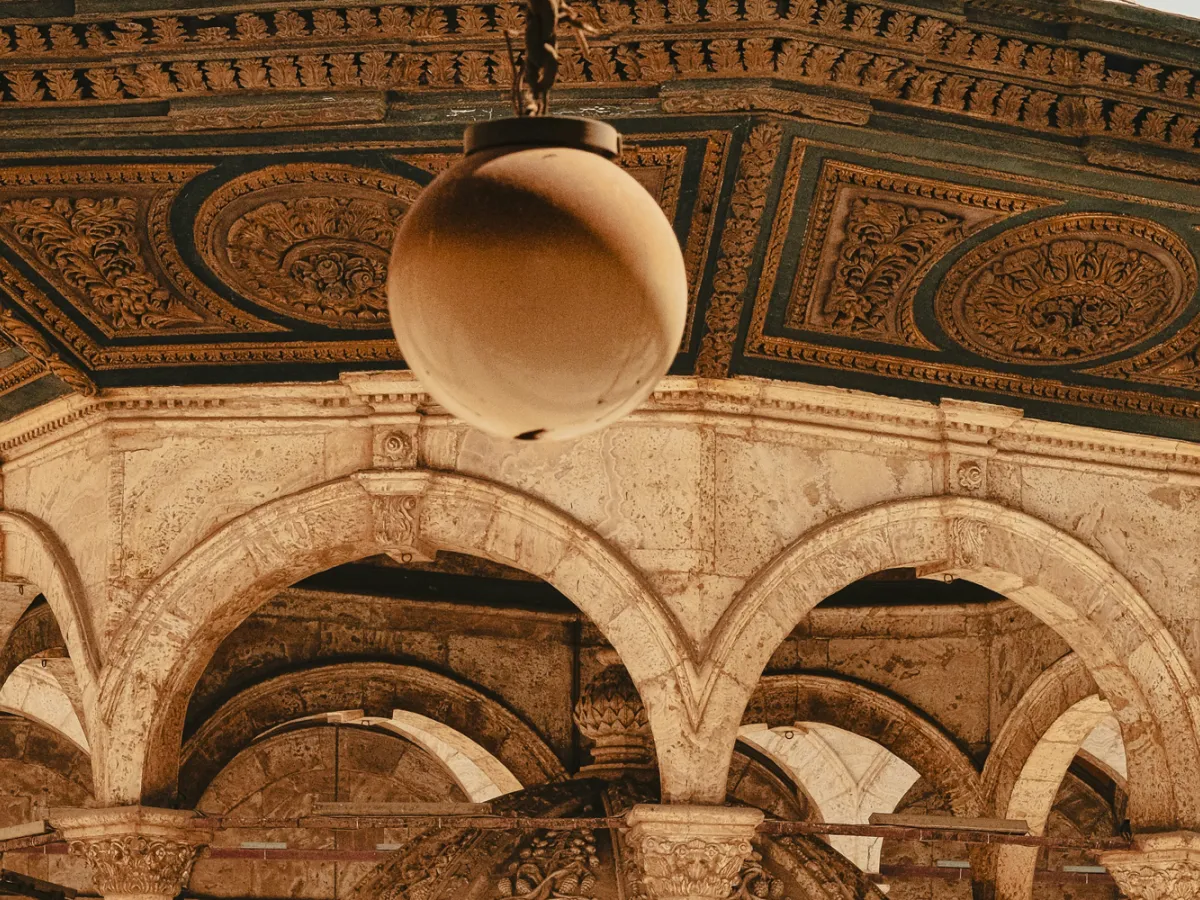
In Cairo, the Grand Egyptian Museum (GEM) opened its doors in 2025 after decades of anticipation. Larger than the Louvre, the museum expects to welcome five to eight million visitors annually. The GEM is Egypt’s pinnacle of modernity, with its augmented-reality exhibition halls and sleek design. By contrast, Egypt’s capital feels far more elemental. Cairo is raw, noisy and dusty. To avoid leaving the city overstimulated, slowing down is essential.
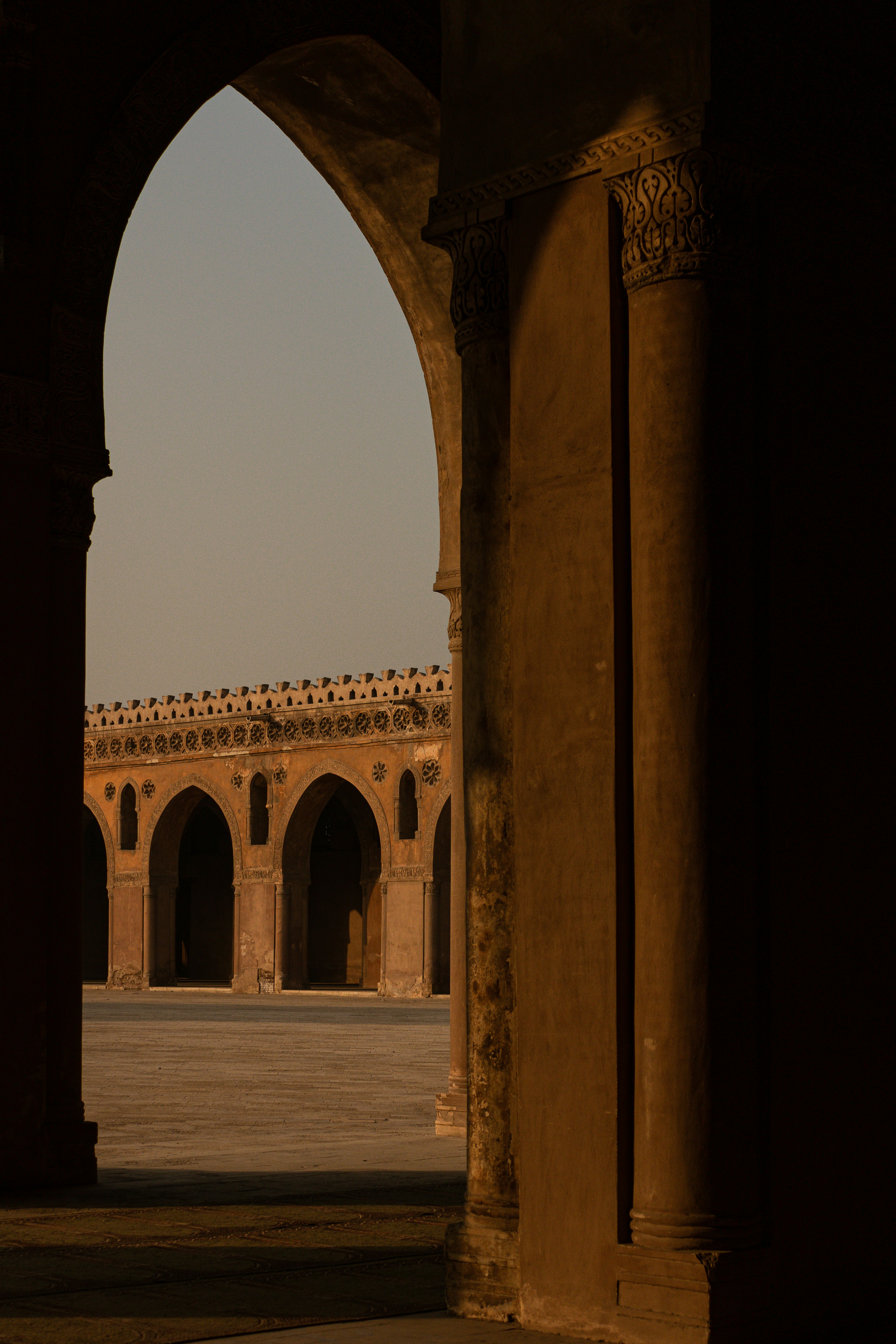
Moments of stillness in this megacity may seem rare, yet a stone’s throw from the museum, tucked within the gardens of the Marriott Mena House, is 139 Pavilion. Its terrace invites to pause and reflect: the ideal setting to ease into your Egyptian expedition. Enjoy the lush surroundings and raise a glass of champagne with views straight to the Great Pyramid of Giza.
A similar urban oasis can be found near historic Cairo in Al-Azhar Park, close to the unmissable Saladin Citadel. Here, families gather to celebrate birthdays. In summer, the trees provide a cooling shade from the relentless heat and the park’s elevated location offers a panoramic view over the city. To the left of the entrance, a grand palm-lined avenue leads to Al Khan by Granita. The restaurant’s design pays homage to Egypt’s once-cosmopolitan identity while drawing heavily on Islamic architectural influences. It’s picture-perfect. The menu blends classic Egyptian dishes with flavours drawn from far beyond its borders. As the park has an entry fee, Al-Azhar is rarely overcrowded: a stark contrast to the buzzing streets of the old city below.
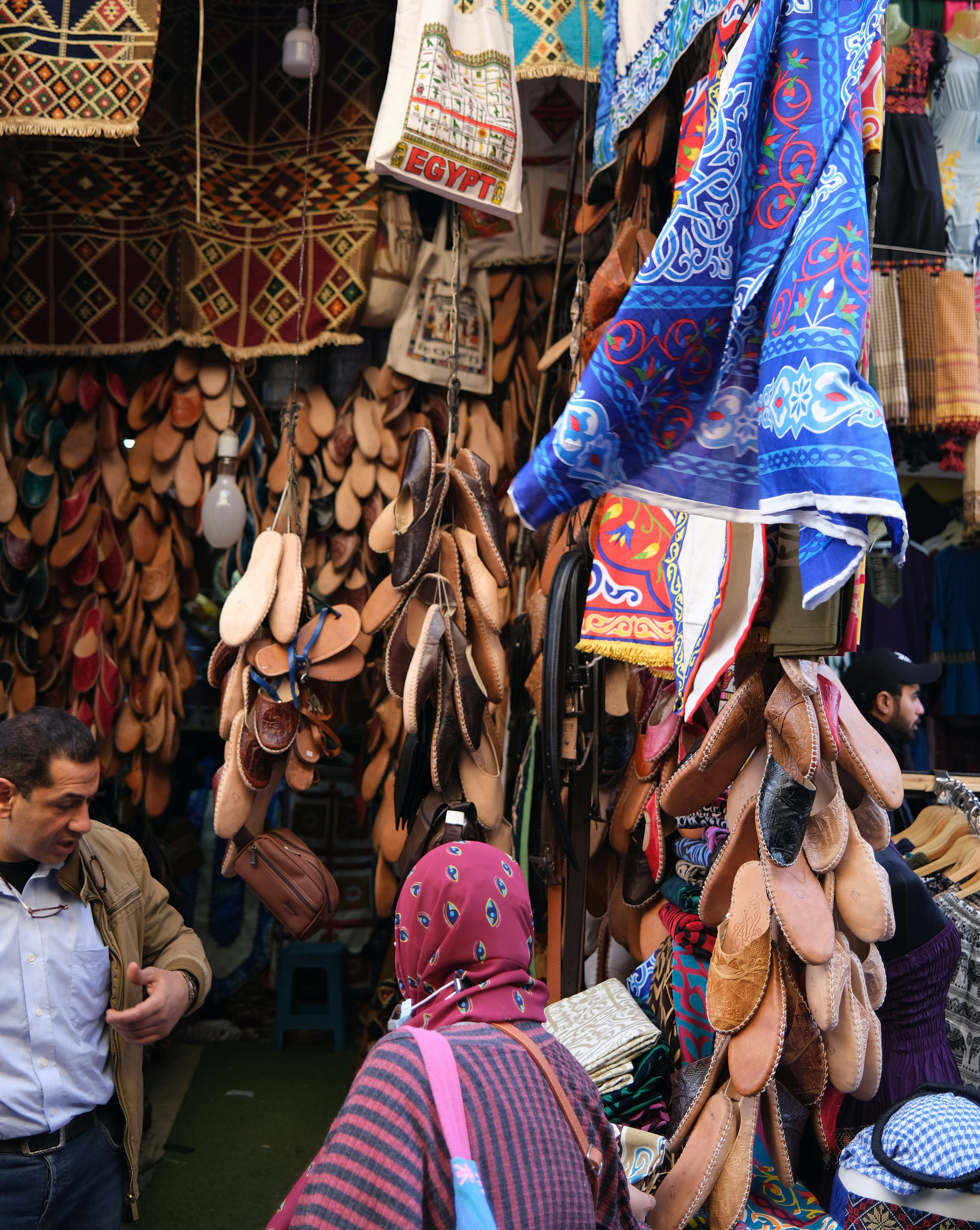
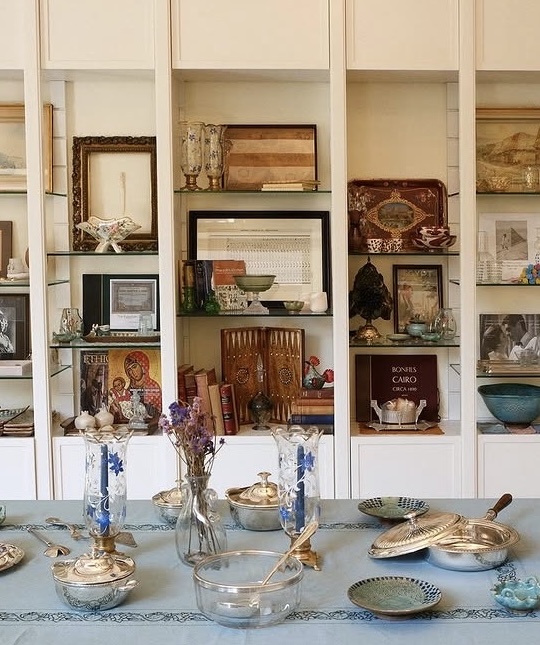
Ancient techniques are very much alive here and watching the artisans feels nothing short of seeing a magician work his magic. It is often thought that the iconic Khan El-Khalili market is the place to stock up on Egyptian homewares. Truth be told: it is crowded, overstimulating, the prices are high and the quality often disappointing. The amount of plastic items sold here is mind-blowing. Do admire the surrounding UNESCO World Heritage site, but when in search of authentic tableware head to MADU instead. Located on the island of Zamalek, in the middle of the Nile, this shop offers high-quality handmade bowls, vases and glassware, alongside fine embroidered napkins and bed linen. Owned by two women, MADU seeks to unite ‘craftsmanship, design and collaboration’. Each item is carefully selected and sourced directly from the artisans themselves.
While you’re at it, allow yourself to wander through Zamalek. The island is known for its rich French architecture, numerous art galleries and hip coffee spots. One such café is FOAM. Located within the grounds of the Italian Cultural Institute, it is another hidden garden that breathes tranquillity in a city where peace is often thought not to exist. At FOAM, digital nomads enjoy perfectly brewed cappuccinos and people read or journal. Their drinks are equally perfect for takeaway, especially during a Friday morning stroll through the neighbourhood. In the Arab world Friday is the first day of the weekend, and in Cairo this means the roads are quiet when the sunlight is soft, making you question why the city’s chaos is so relentlessly emphasised.
In all fairness, though there is no denying that Cairo can indeed be chaotic. If you wish to understand what the reputation is about, head to the pulse of the metropolis: Downtown. This area, much like Zamalek, feels like an open-air museum. Designed by French architects, many of its buildings reflect the elegance of the Belle Époque.
After dark, make your way to Halawa, a typical Egyptian coffeehouse (ahwa). At Halawa you won’t find perfectly prepared matcha lattes, elegantly laid tables or chilled champagne. What you will find is one of the most authentically Egyptian experiences the city has to offer. Here men and women smoke shisha on wooden or plastic chairs along the roadside, sipping no-nonsense cups of coffee, playing backgammon and talking over the steady stream of Cairo’s version of birdsong: honking horns. An ahwa is Cairo’s answer to the Parisian terrace and missing out on such a place would be a mistake.
If Egypt is the Mother of the World, then Somaya Al-Asyoty is the mother of the Egyptian kitchen. She is the driving force behind Fasahet Somaya, a small eatery close to Tahrir Square. No visit to Egypt is complete without trying mulukhiya: a green, slimy soup made from mallow leaves. With a little luck, it will be on Somaya’s menu that changes daily. At her restaurant home-style Egyptian cooking is served with unapologetic authenticity. Dining here feels like being welcomed into a family home. Be sure to call ahead: Fasahet Somaya is open between 5 and 7 pm, tiny and very popular.
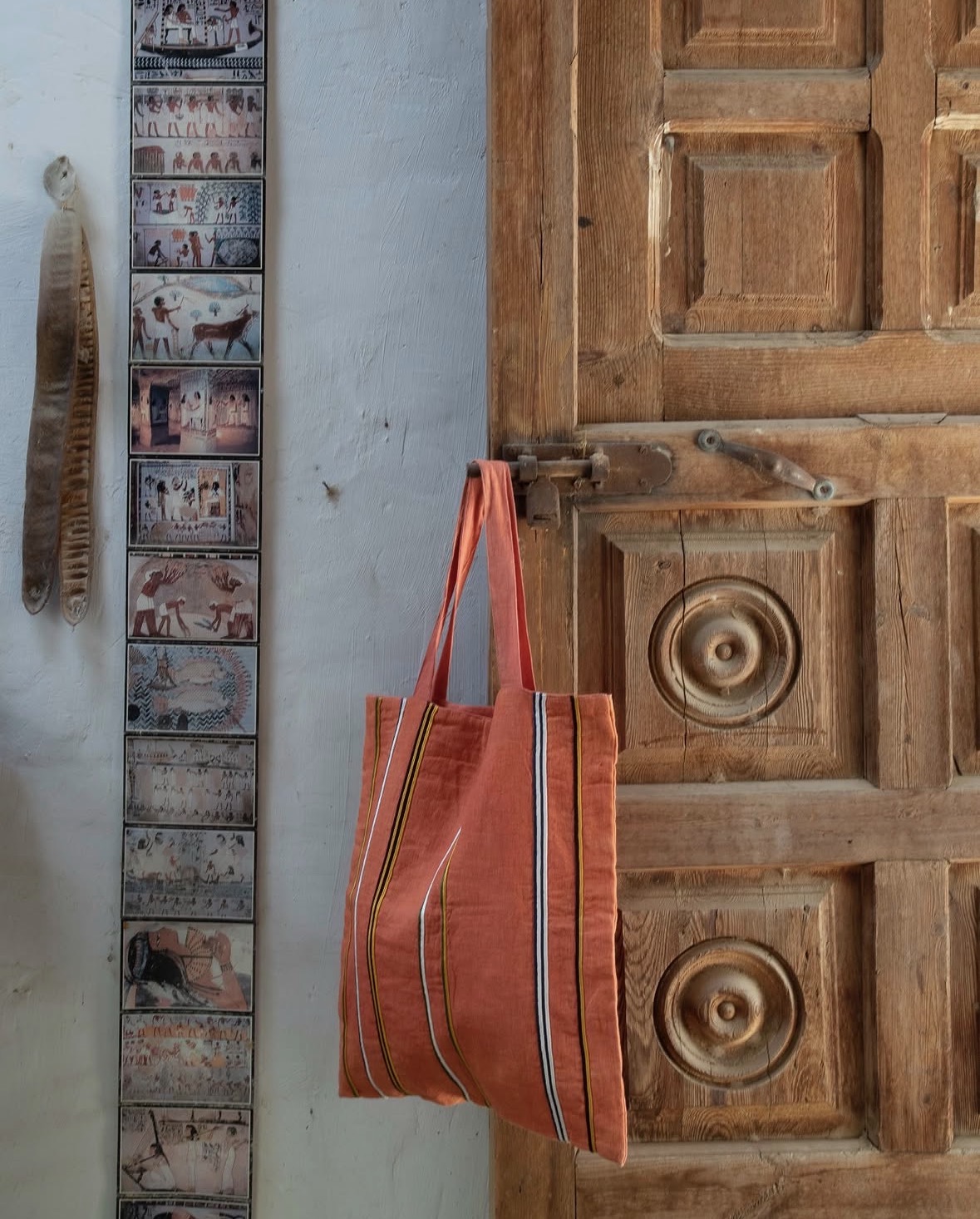
Egyptian hospitality is as inspiring as it is addictive. And Cairo thrives on the ability of its people to find calm amid the chaos. If you allow yourself to pause and wander through its labyrinthine streets, climb staircases or step behind closed doors, Cairo will reveal itself as a city far richer than its caricature appears, drawing you back as soon as you leave. As the old Egyptian saying goes: whoever drinks from the Nile will always return to it.
Charlie Ubbens