Heritage & New Hope at a Moroccan Hotel
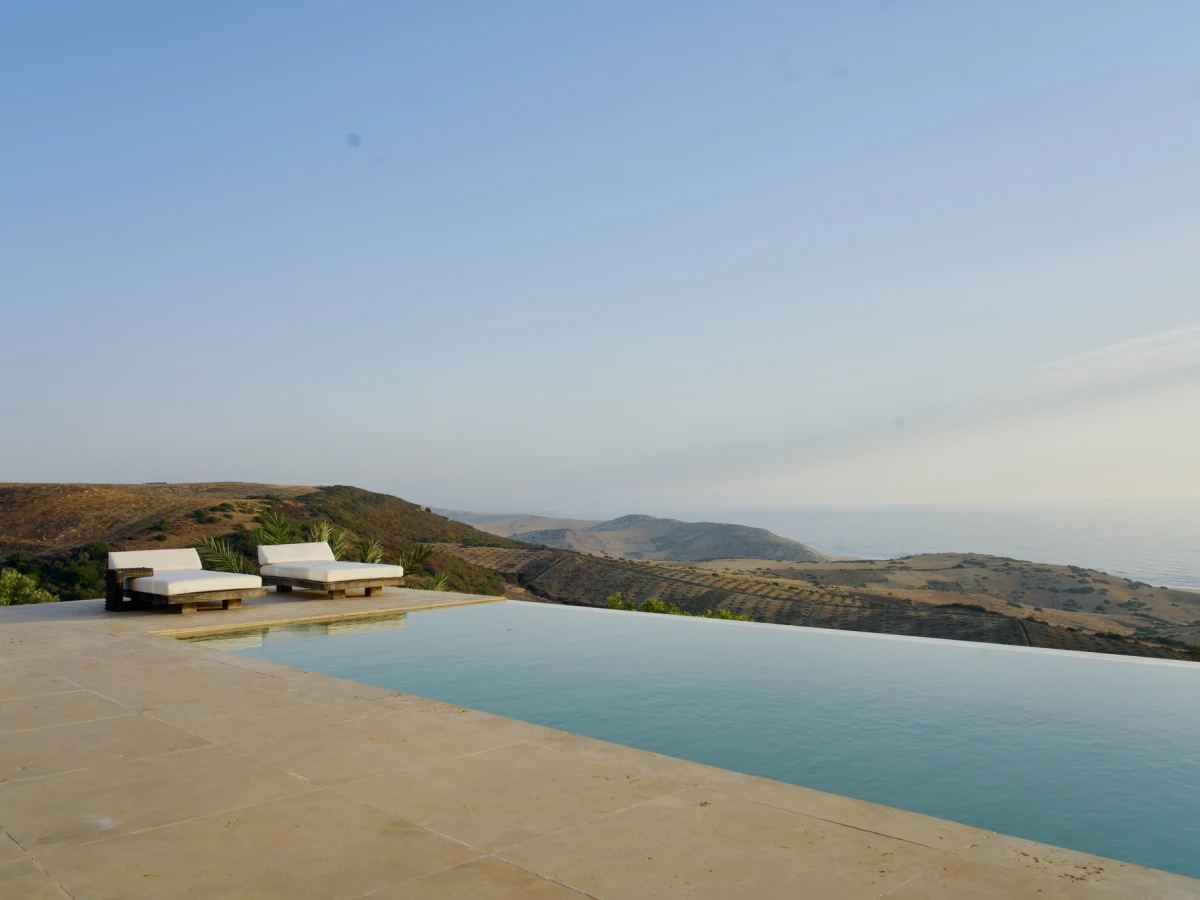
Whenever they’ve craved an escape, siblings Giacomo and Antonia Fiermonte have retreated to the wild coast of Larache, northwest Morocco, where both keep a home. Co-owner of La Fiermontina Family Collection, with two luxury properties in Italy and one in Paris, Giacomo received a tip about the area while seeking a place to hike and immediately felt he’d struck gold.
“The word I would use is immensity,” Antonia reminisces on her first impression of the landscape. “It's magic, but it's not instantly suitable for everyone. Because it’s just you, the ocean and the dunes, that can lead to an intense journey inside of yourself.” Nevertheless, she quickly came to crave the feeling, gradually increasing her stays to six months a year.
Over the last decade, however, the siblings became increasingly concerned that their beloved Larache was threatened. Just a stone’s throw from Europe, and with Morocco becoming an increasingly popular destination, they sensed it was only a matter of time before developers singled out the region. “We understood that a 10-kilometre beach with surf waves an hour from Europe was guaranteed to become a tourist destination,” she says. In order to preserve the land as best they could, the siblings got in touch with the Moroccan authorities, seeking permission to convert the land into an official national park before intruders came to tear up the dunes in flashy 4x4s. Their request was approved, and just in time – soon after, they fended off two planning requests for some “very naughty projects.”
But protecting the dunes (and re-introducing 7,500 olive trees) was only half of their preservation plan. Over the years, the Fiermontes had also developed a deep affection for the people living in the nearby rural villages of Dchier, Mezgalef and Tcharouah, villages that were increasingly lacking in resources and at risk of becoming totally abandoned. “Communities need money,” as Antonia clearly puts it, and there wasn’t enough. As the siblings knew the hotel business well, they began to consider whether working with these communities to open a local hotel might provide a stable economic foundation for decades to come. But how to do it in a way that ensured they weren’t doing precisely what they’d set out to prevent?
First, by making lasting improvements to the locals’ home lives in addition to bringing them into their hotel project. The siblings increased the size of the village school, doubling the number of classrooms so that more children could attended. They helped establish a grocery store and created women’s and farming cooperatives. Giacomo arranged for 15 kilometres of pipe to be built, bringing reliable access to water for the first time. And, when they eventually opened Fiermontina Ocean last year, most of the sixty staff jobs went to people from the region. Still, while this element of Fiermontina Ocean’s story is central to Antonio’s view of what the hotel is, she and her brother were also well aware that it had to be able to compete with the most luxurious beach properties in the world to thrive.
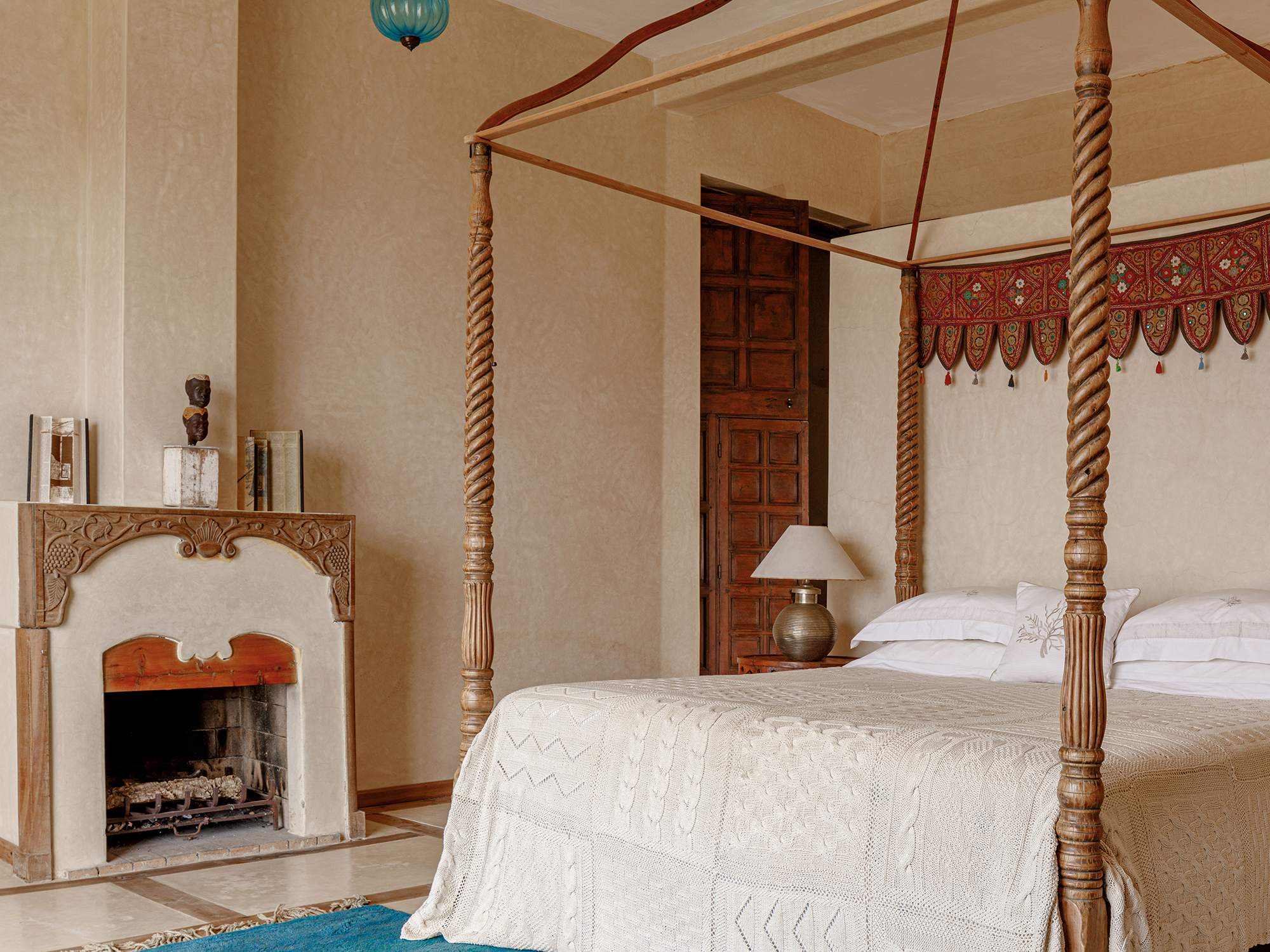
Thankfully, it does. Keen to give guests the same feeling they love about the area, the siblings guarantee plenty of privacy and space to spread out at Fiermontina Ocean. Accommodations consist of 13 separate villas, all with their own individual pool and vast ocean views, as well as a personal garden area. Guests also have the option to stay in one of four renovated stone houses in the old village of Dchier, just 800 metres away. “Those have a kitchen, so you can spread out and make your own dishes and be completely autonomous,” Antonia explains, “while still having all the services of a hotel.”
For those who want to swim (or surf) in the ocean below, a private beach club is accessible by regular shuttle; guests can watch the fishermen make their daily catch, then bring it to the club chef, who serves it up moments later. The hotel can also arrange for horse rides on the beach, yoga classes and personal trainers or point you to all the area’s hikes — including one to a nearby village, where you’ll be met with mint tea and Moroccan doughnuts. In the evenings, besides the main restaurant, there’s also the option of private dune dinners and a terrace for smoking authentic Cuban cigars as the sun goes down over the surrounding hills and ocean.
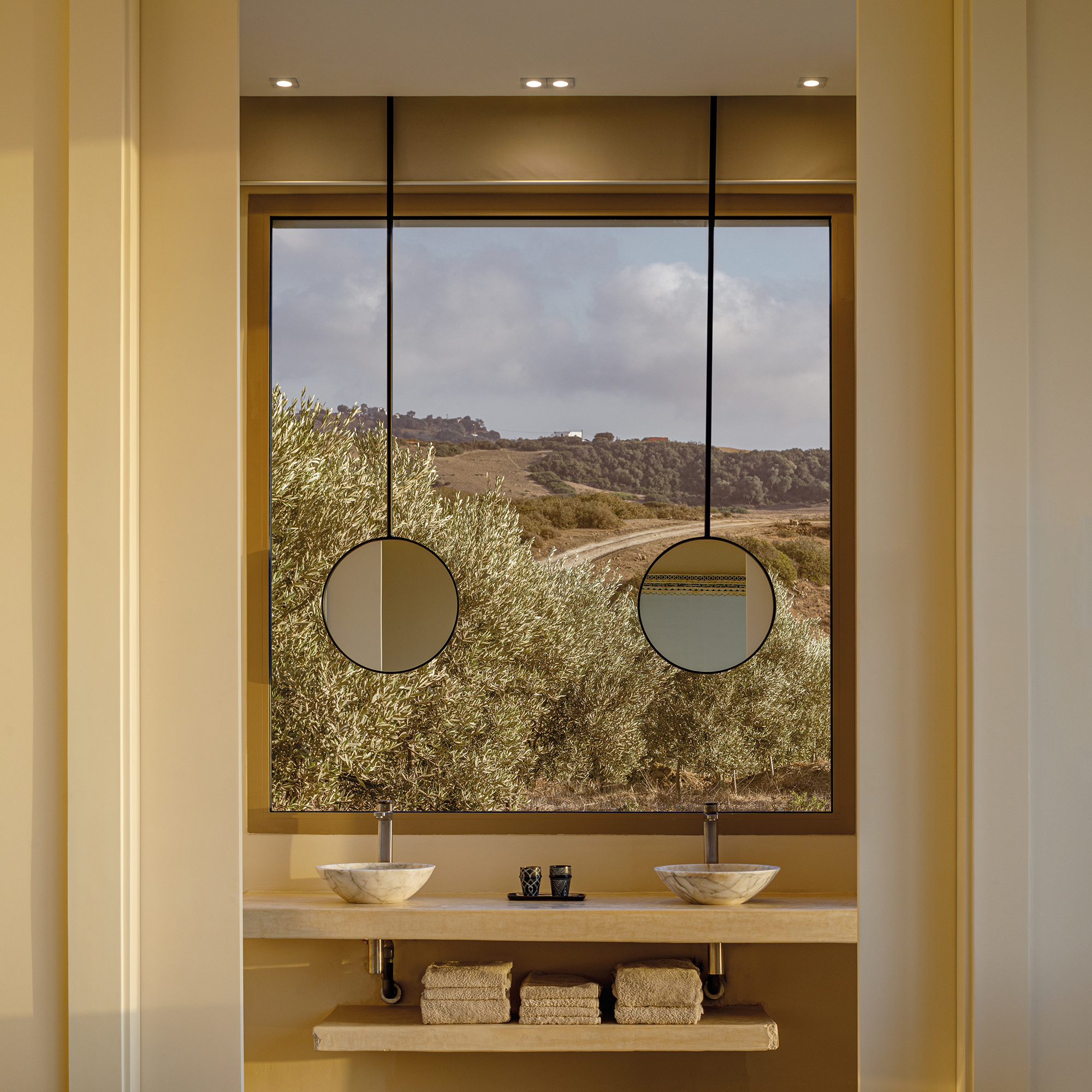
Opening a hotel on such sprawling terrain was challenge for the siblings, who were previously used to operating city properties. But they tapped in trusted contacts, including the decorators and designers who had worked on their French and Italian hotels, to bring the place to life. As a result, a European sensibility is detectable throughout the site despite its Moroccan coordinates (down to the fresh pizzas and pasta on the restaurant’s menu, though there is also couscous and tagine, of course).
It's a blend that makes the siblings feel whole. Their grandmother (also named Antonia) lived and travelled between Italy, France and Morocco but sadly died before the Giacomo and Antonia were born. “We, her grandchildren, were always trying to recover a story we never had with her,” Antonio says. And after opening and living among three properties in the places she loved: “We feel like we know her now.”
So, if the opening of Fiermontina Ocean marked the closing of a family circle, it also meant the end of this part of the world representing an escape from work for the siblings. Instead, it would become a third place to work. “Sometimes I close my eyes and I say, ‘Oh my God, that emptiness is lost’,” Antonia admits. “But then I open my eyes, and I say, if my brother and I were able to save this place, that's the most important thing. We had our time.”
Louis Cheslaw
A storyteller in various guises, Louis captures the essence of a person, a place, a community, whatever, really, when he writes. But he’s someone that captures our attention no matter what he does. After seven years in New York, Louis is now back in London, though he does get his wheels up from time to time. His ideal trip affords him that sense of smallness that sweeping expanses of nature often give. Think: Hawaii, Wyoming, the Dolomites or the Highlands. When he’s not writing features for gloobles, New York Magazine, Air Mail and beyond—or helping brands tell their own stories through his consulting work—Louis’s likely turning his attention to tennis, football and cooking.