glorious, glutinous Munich
There's a reason that the New York Times 36 Hours has such longevity. Over 20 years after a morning meeting in a features department in Midtown, where an editor brilliantly, ingeniously, came up with that kicker, it is still going strong—with a line of Taschen books, hundreds of snappy itineraries and endless, endless imitations.
Because, of course, 36 hours is exactly the right amount of time to dip in and get under the skin of a place in the most micro of ways. To create your own hyper-local temporary ‘hood, to do everything on foot, to walk, to shop, to feast and to sleep. This works best in a city. Not London, or Paris or New York. Definitely not Los Angeles or Shanghai or Mexico City. It’s in the smaller, less sprawling, more lo-fi urban spots that you can try a slice of the place and not feel like you are missing the rest of some enormously delicious pie.
I just spent the weekend in Munich, which, when the sun shines and the leaves on the trees are starting to show off in their most glorious autumnal kaleidoscope and the breeze is still warm, has to be one of the loveliest places.
As I pottered about, I became unexpectedly obsessed with bread. The Germans love their bread. My husband was perplexed. “We’re staying in a hotel with the most extensive breakfast spread imaginable. You really don’t need to buy bread.” But I couldn’t resist.
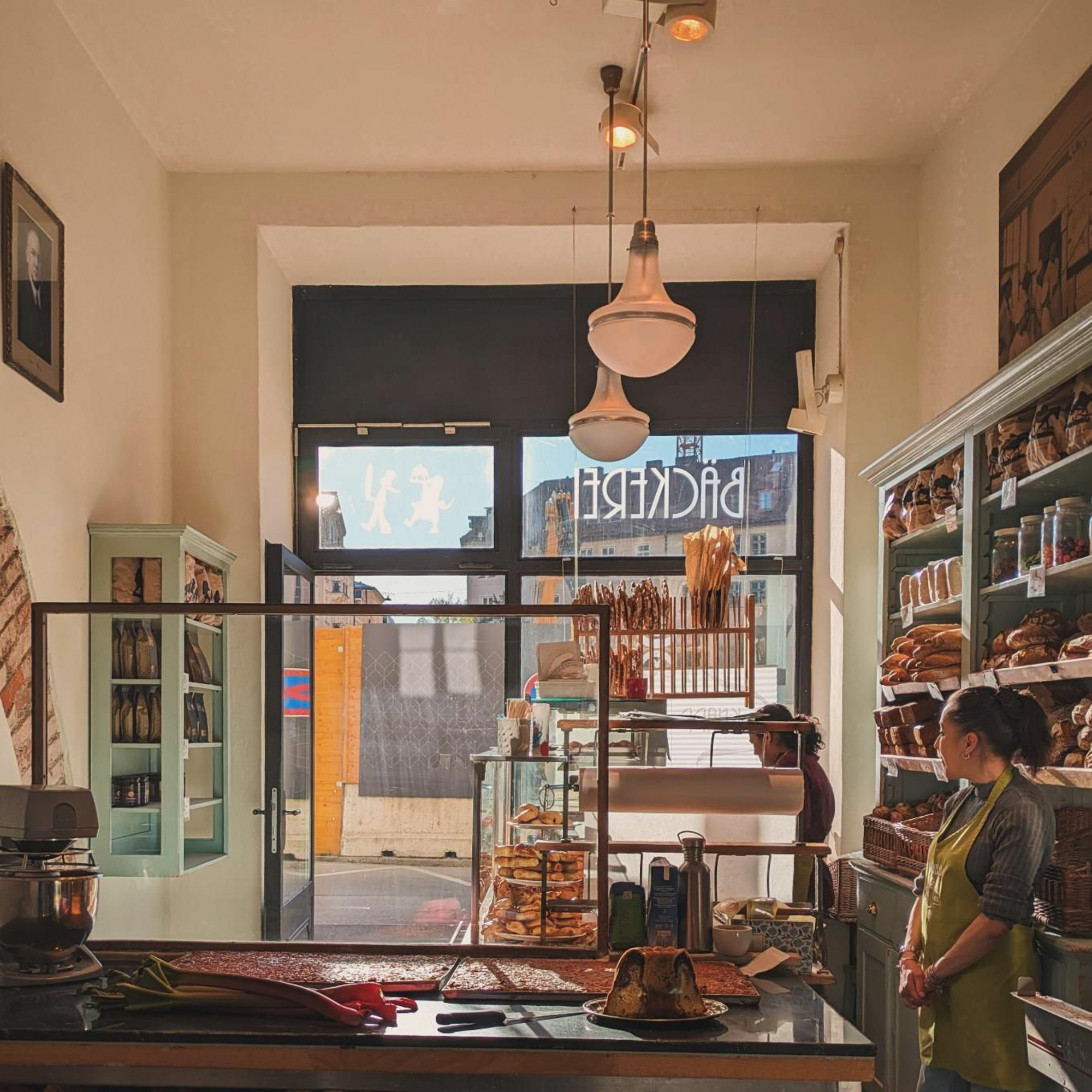
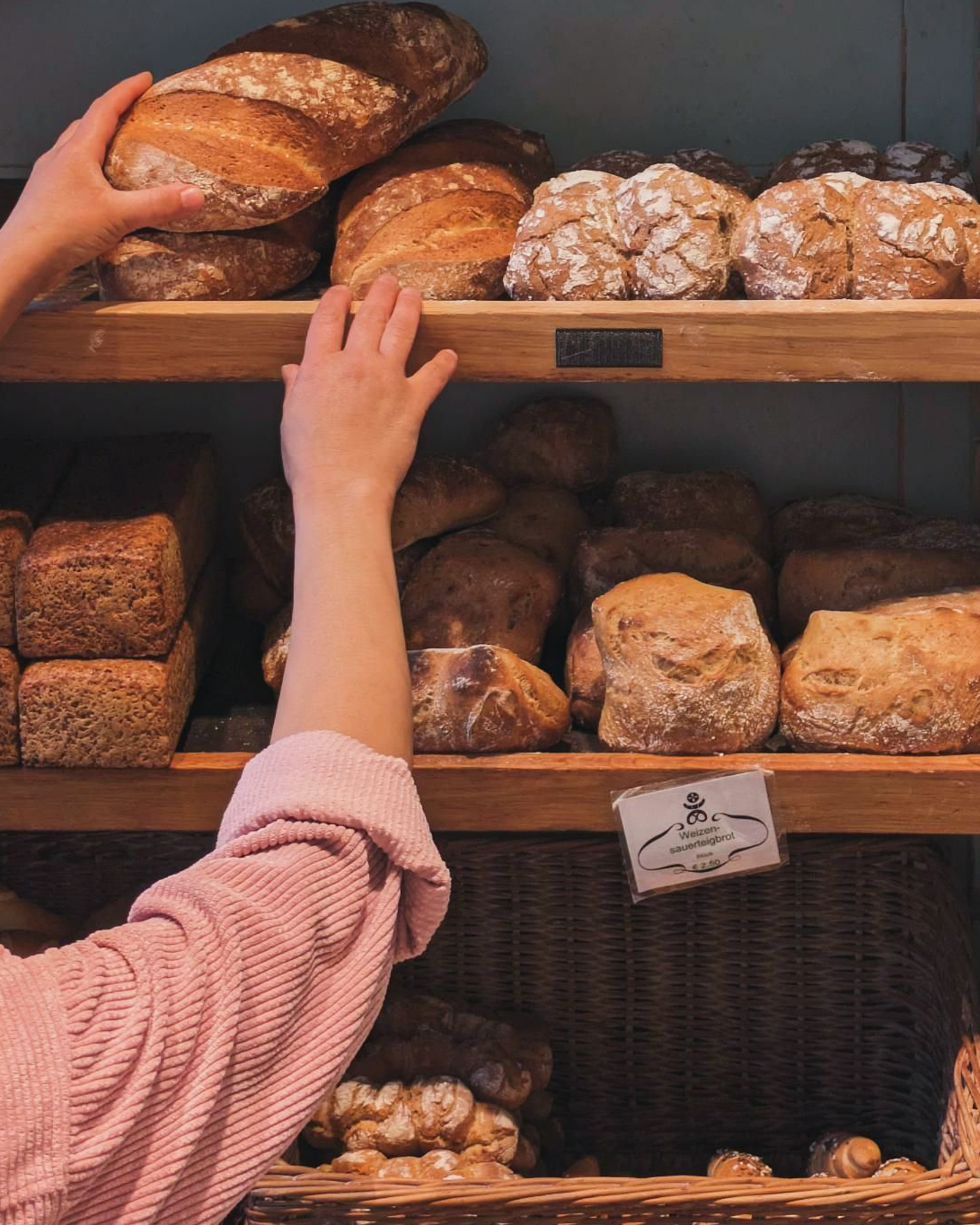
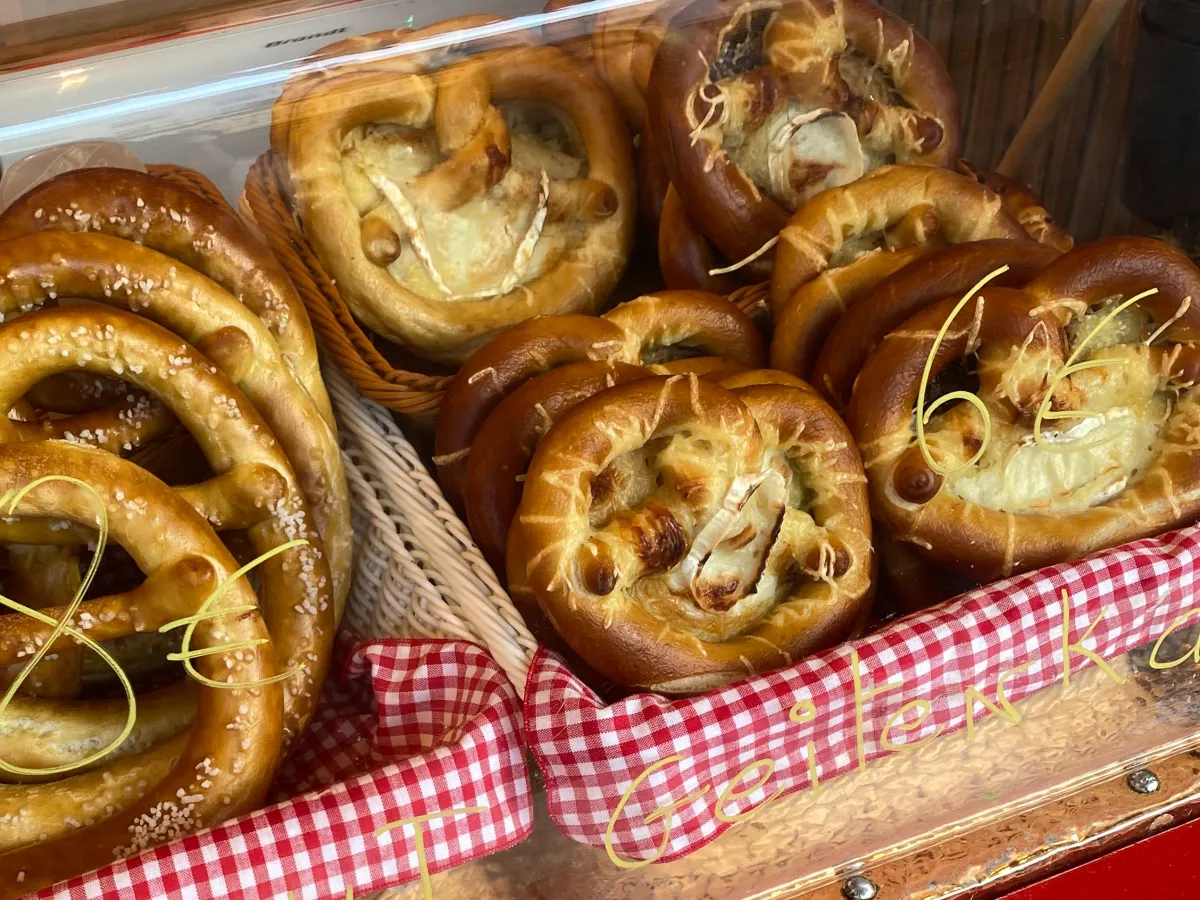
It was the queues that drew me in. I am half German, half British, and the Brit in me felt overwhelmingly compelled to join the queue, regardless of what it was for. Right next to our hotel, the Mandarin Oriental—incredibly comfortable, sensational views from the rooftop terrace, winning sushi at the Matsuhisa restaurant—was a historic and yet almost hipster bäckerei that turned out to be part of Munich's only active grain mill. The windows of E. Knapp & R. Wenig were filled with sticky, shiny buns and twisted knobbly, nutty pastries, as well as serious looking good-for-your gut wholemeal slabs and traditional salt-flecked Bavarian pretzels. You could buy paper bag kilos of ancient wheat, spelt and rye flour, milled right there, though I could already see the raised eyebrows at airport security if I tried to stuff that in my hand luggage.
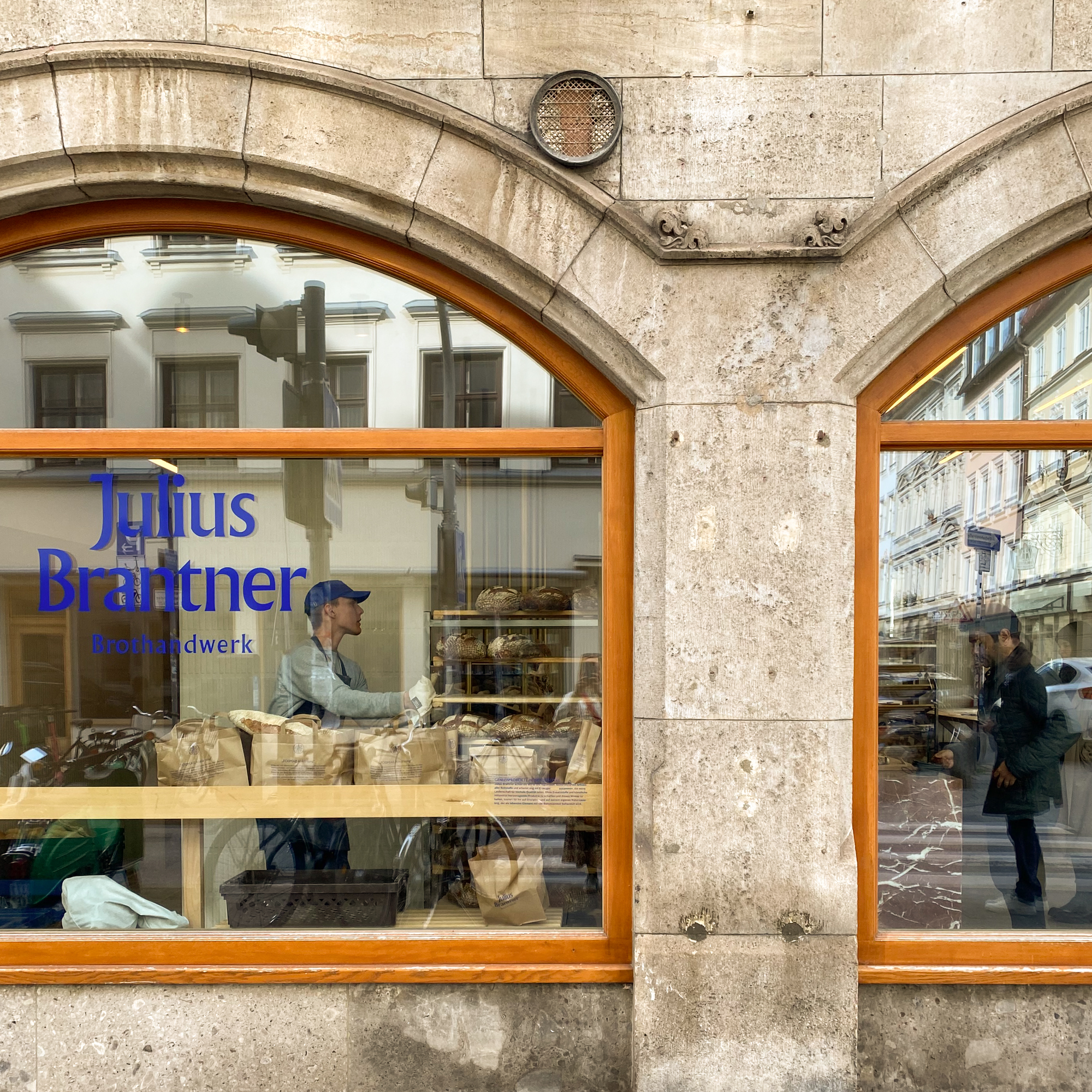
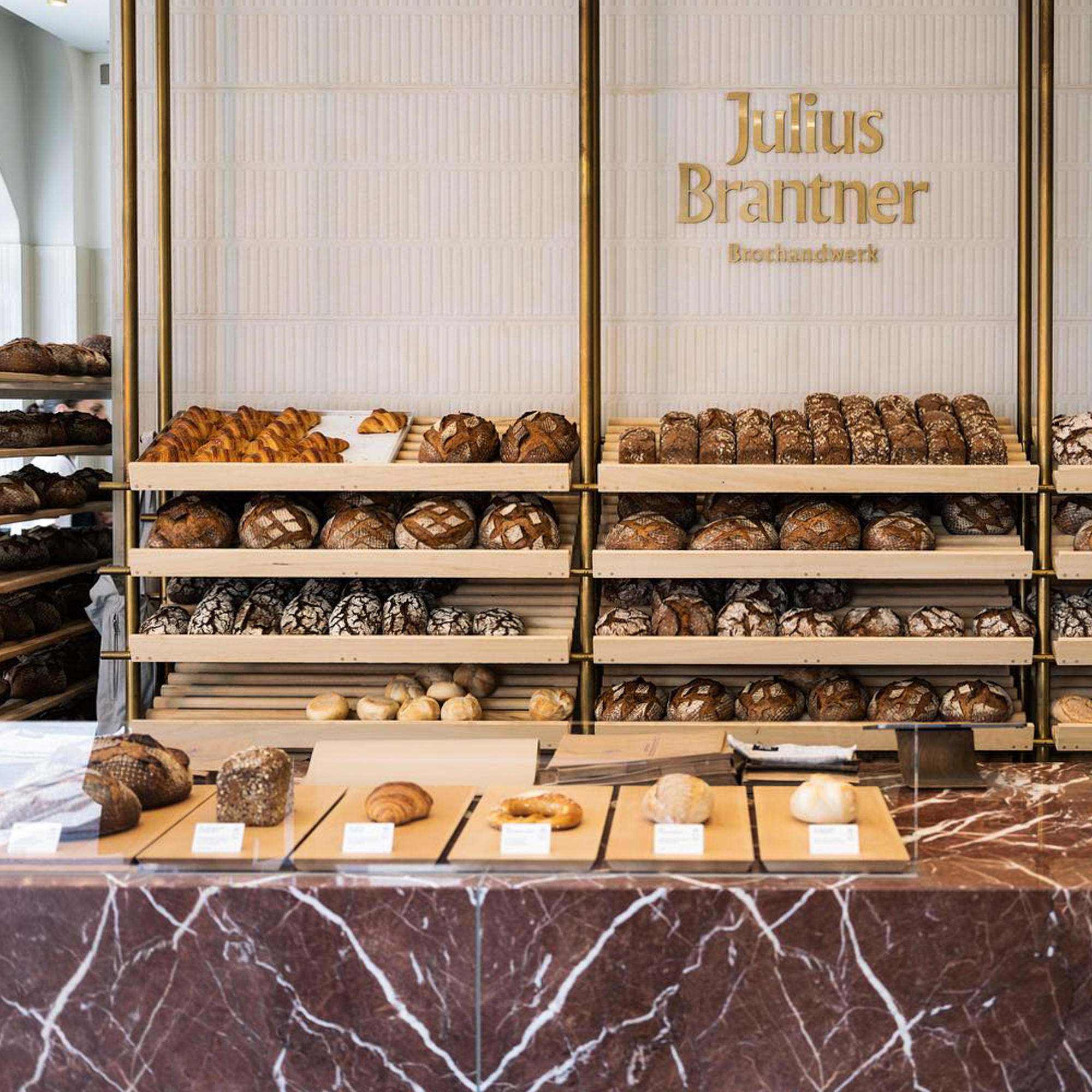
We chomped on those chewy, still-warm pretzels as we strolled, but soon enough, I stopped again, this time at Julius Brantner. The shop was beautiful, austere and completely elegant. A huge dark red Italian marble counter stood in front of bread displayed as if in an art gallery—great organic sourdoughs and flour-flecked, fennel-spiced house loaves taking centre stage. We should have gone to an art gallery—Haus der Kunst, Museum Brandhorst, Alte Pinakothek—but here we were, admiring something more rooted and resonant.
Take me to Maison Saint-Honoré in Marseille, Domestic in Antwerp, Rosa Salva in Venice. Standing politely elbow-to-elbow with residents picking up their morning provisions and I am a happy traveller. I feel like I have a handle on the place. So, as I eyed up the crusty wares in Munich, I picked out a cinnamon cardamom schnecken so that we could break bread on the flight home.

Issy von Simson
Still strongly tethered to her hometown London, Issy certainly knows what’s groovy in the UK capital. But, lucky for us, her knowledge extends far beyond the reaches of Zone 6. Perpetually drawn to the coast – the brinier the better when it comes to the air – Issy is our go-to for seaside getaways. Opinionated and organised, she’s pretty much our ideal travel companion; you know you’re going to get a perfectly planned trip when Issy’s in charge. So, follow her tips and do as Issy does. You’ll end up in the most gloriously unexpected of places.