finding stillness in Bovina's far-flung hills
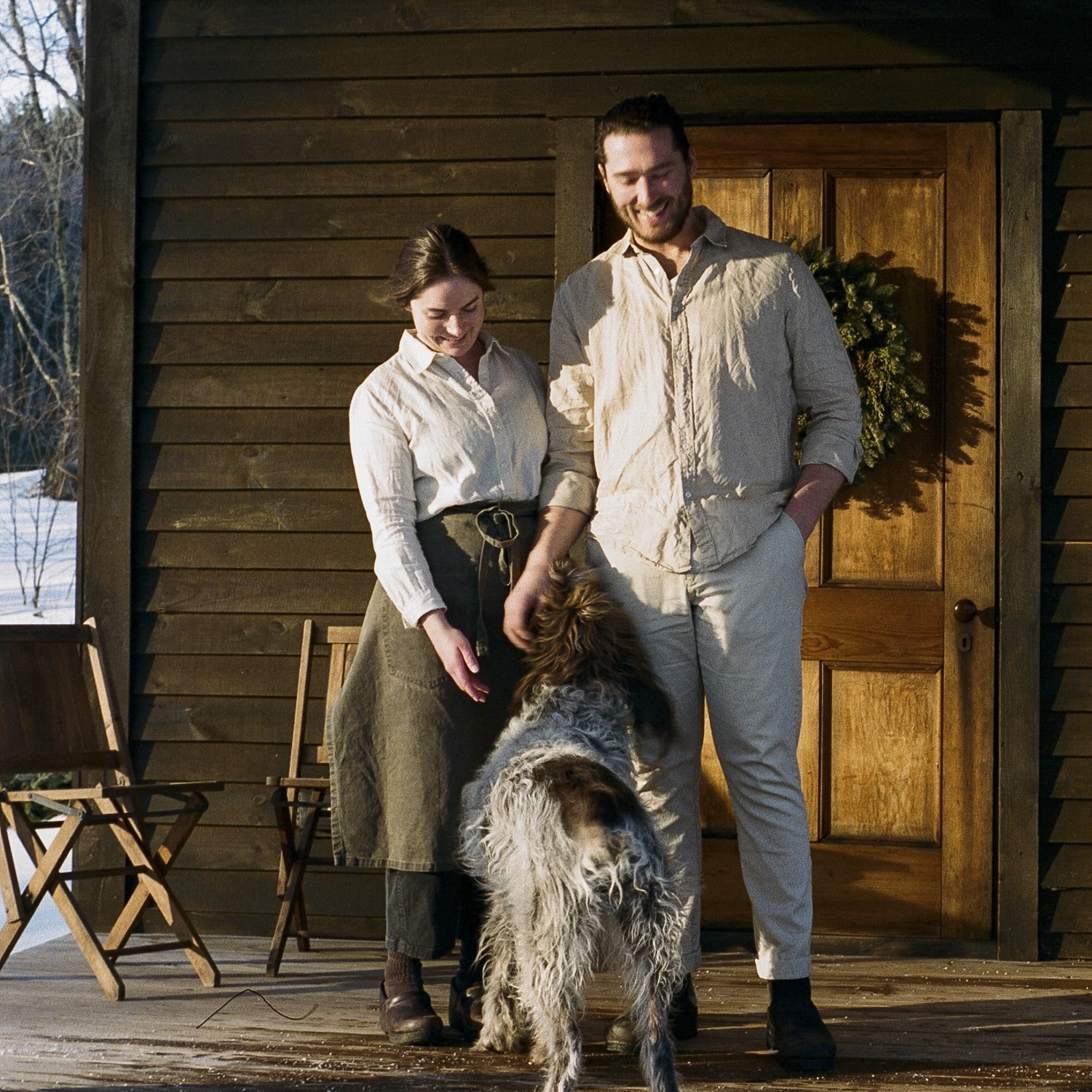
The story of Bovina Farm and Fermentory begins with a college romance. Founders Elizabeth Stark and Jacob Sackett met as freshmen at Cornell University; she took business classes as he helped birth calves in the School of Agriculture. The campus fling grew, and the two now find themselves living and working alongside each other, raising sheep, brewing beer and hosting dinner parties in Bovina’s quiet, far-flung hills of the Western Catskills.
For Sackett, settling in Bovina was also a homecoming – he grew up in nearby Bloomville where his family, generations of dairy farmers, dates back to the 1800s. “We’re honoured to be carrying on the tradition of farming and living off the land, including a bit of dairy farming – although we chose sheep instead of cows!” he laughs.
My fiancé and I are visiting Stark and Sackett’s rural world during the farm's seasonal reopening, after a long Catskills winter. Following a nearly three-hour drive from Westchester County, through landscapes shifting from thick forest to rolling hills, the outskirts of town come into view: a single street lined with just a handful of residences, the one-room Russell’s General Store, and Brushland Eating House, a dining room serving Persian-inspired, seasonal cooking. Round another bend, and the wildly steep landscapes give way to verdant valleys dotted with chocolate-coloured cattle.
It’s the aroma of freshly baked pies that greets us as we approach a cedar-shingled barn, evoking the charm of a building that has stood the test of time. Instead, Stark tells me, it was built by the couple just five years ago, meticulously constructed to emulate the warmth and patina of a historic structure. The couple drew inspiration from the Hartwell Tavern in Concord, Massachusetts, an exquisite example of the thoughtful craftsmanship and intentional design that characterised 18th-century construction. “It’s hard to not go down the rabbit hole of historic architecture and design once you realise how clever and strategic their choices were and how you can incorporate it into your own home,” Stark notes.
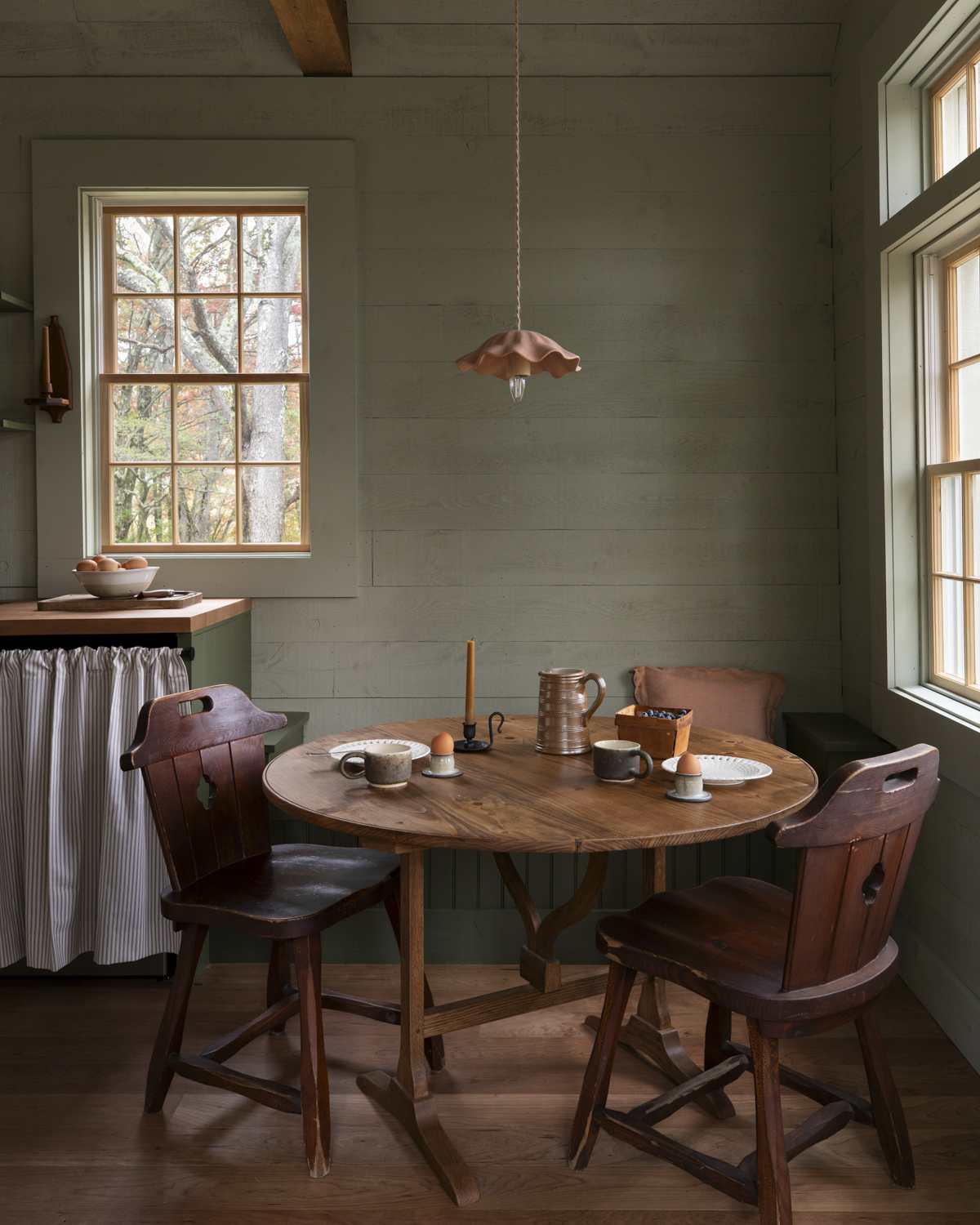
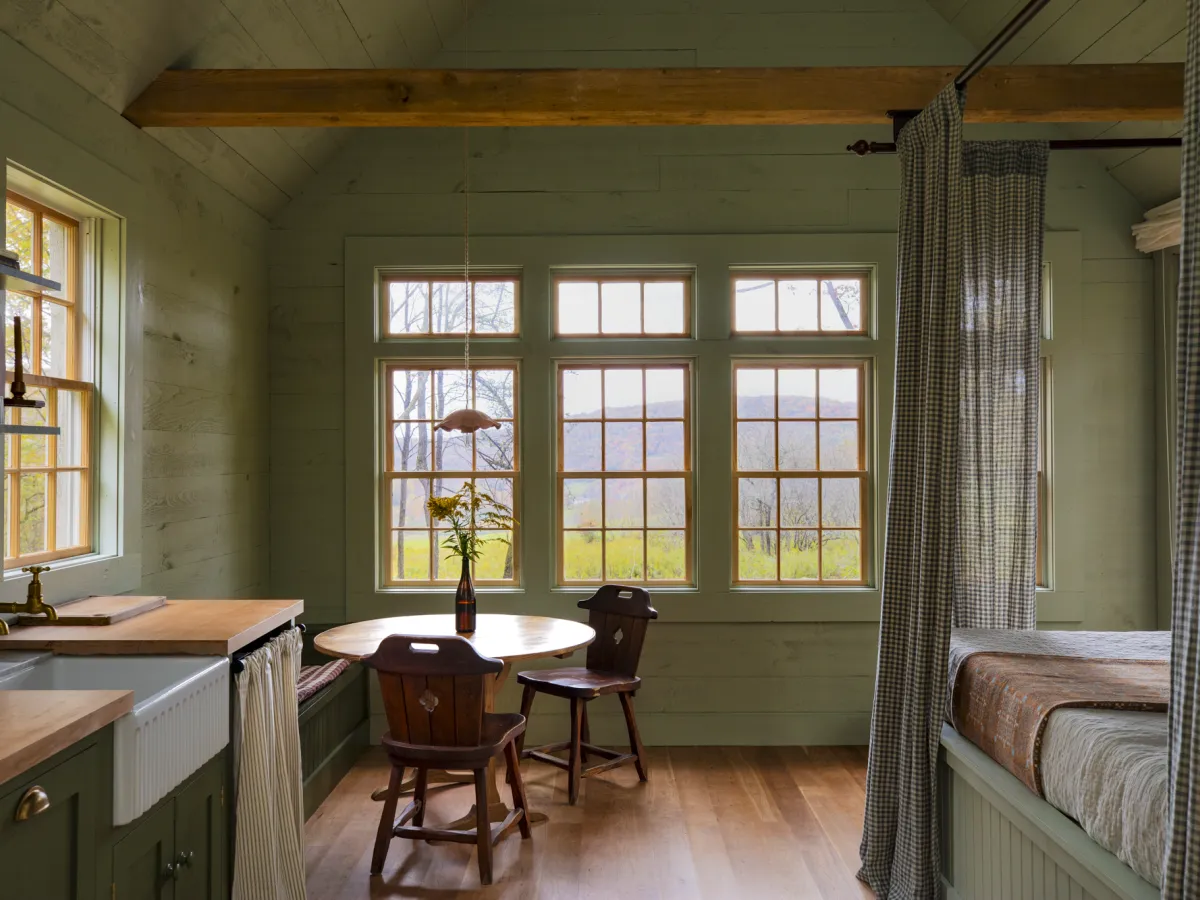
The pair also looked to the beauty of their very own Delaware County’s natural materials. “Pine and hemlock clad the inside and outside of the main house and barn, and all of the timbers came from local forests,” they explain. “The Cottage is surrounded by cherry trees, so we chose to use cherry flooring and a cherry butcher block countertop when building.” Constructing the farm was a community effort, as the pair called in favours from nearby family and close friends. Heaving kitchen appliances and maneuvering a massive bathtub into a second-floor guestroom were just a few items on the laundry list. “We repaid them with our beer,” the couple says with a laugh.
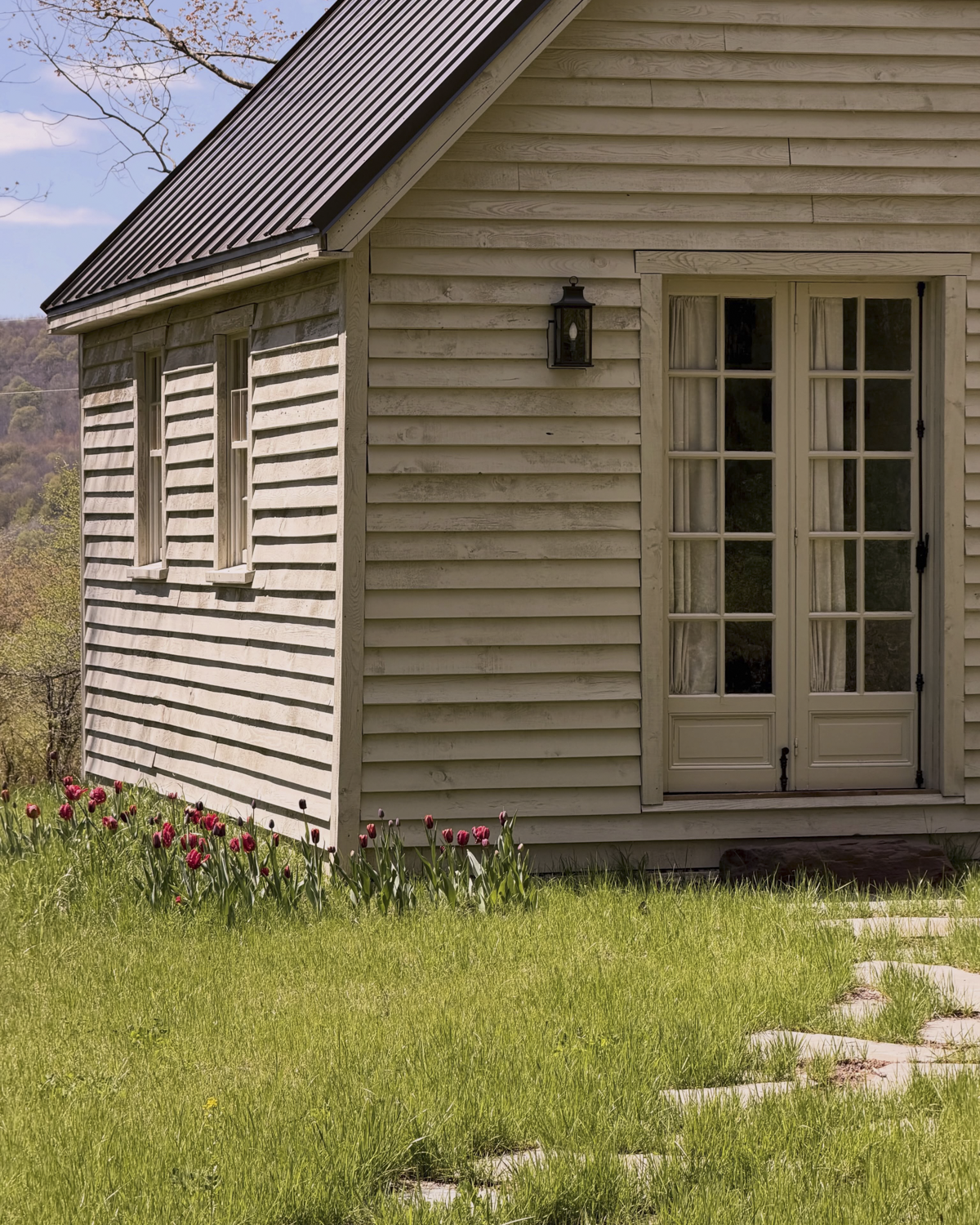
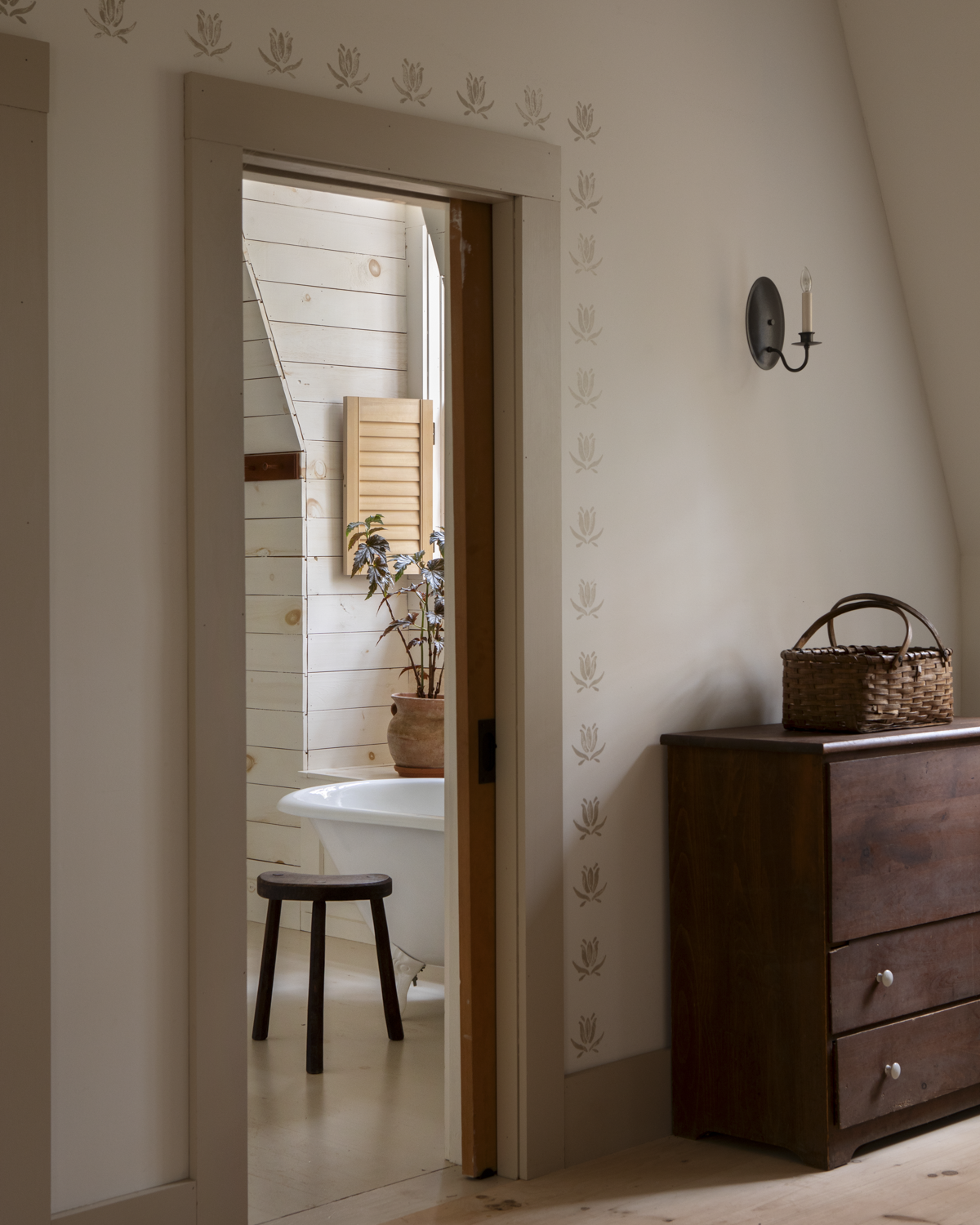
Upstairs, the guestroom balances sparseness with charm. Stark carefully sourced antiques, including a collection of Sackett’s grandfather’s milking stools, to furnish each of the five rooms. Thoughtful details add further character: an uneven, floral-patterned stamp traces the perimeter of the ceiling, while a hand-painted ceramic bell, a favor from the couple’s wedding, delicately hangs from a coat hook. Striped linens add a touch of nostalgia, their crisp cotton fabric staying cool in summer and warm yet breathable in the winter. Paired with plush down bedding and fresh upstate air, peaceful sleep comes easy.
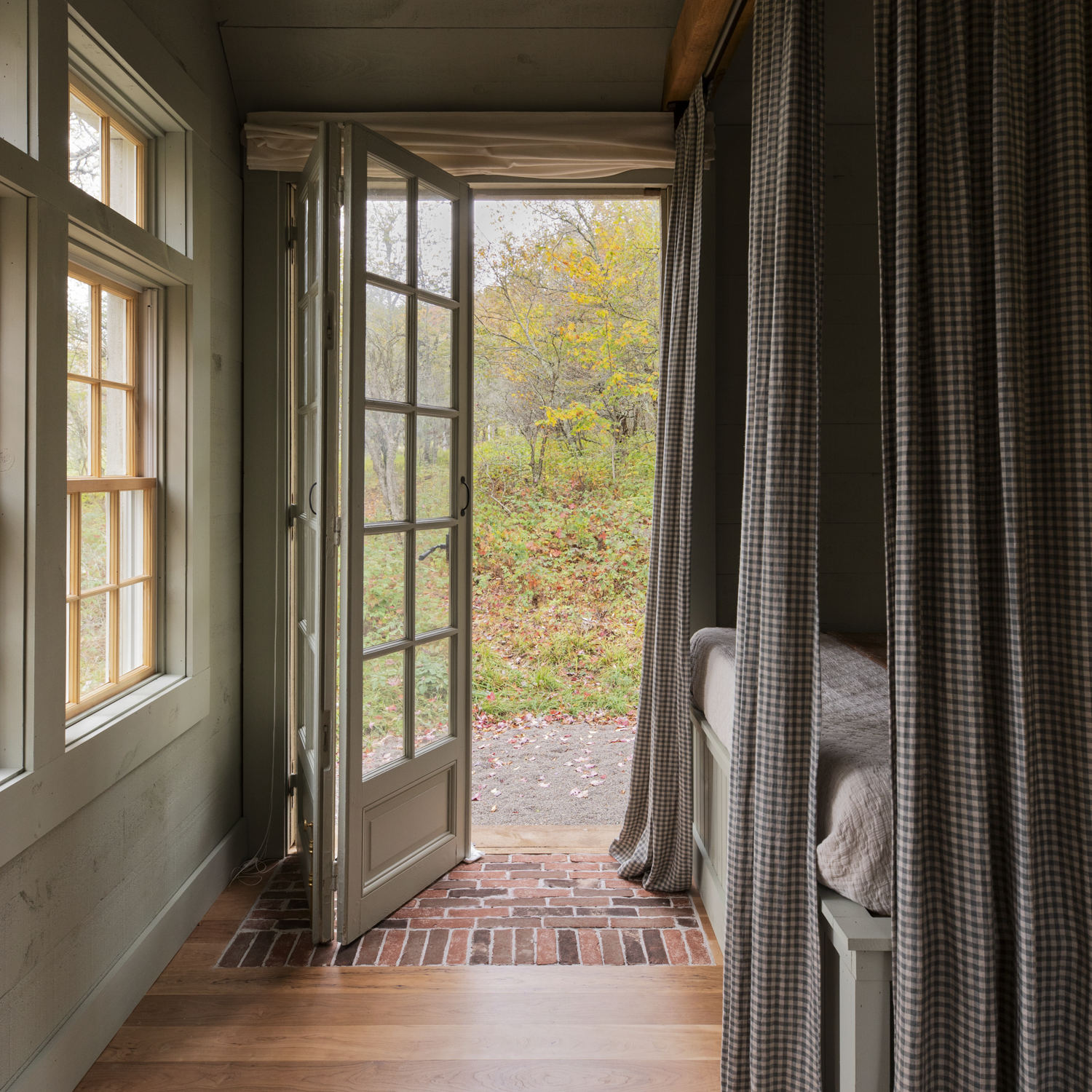
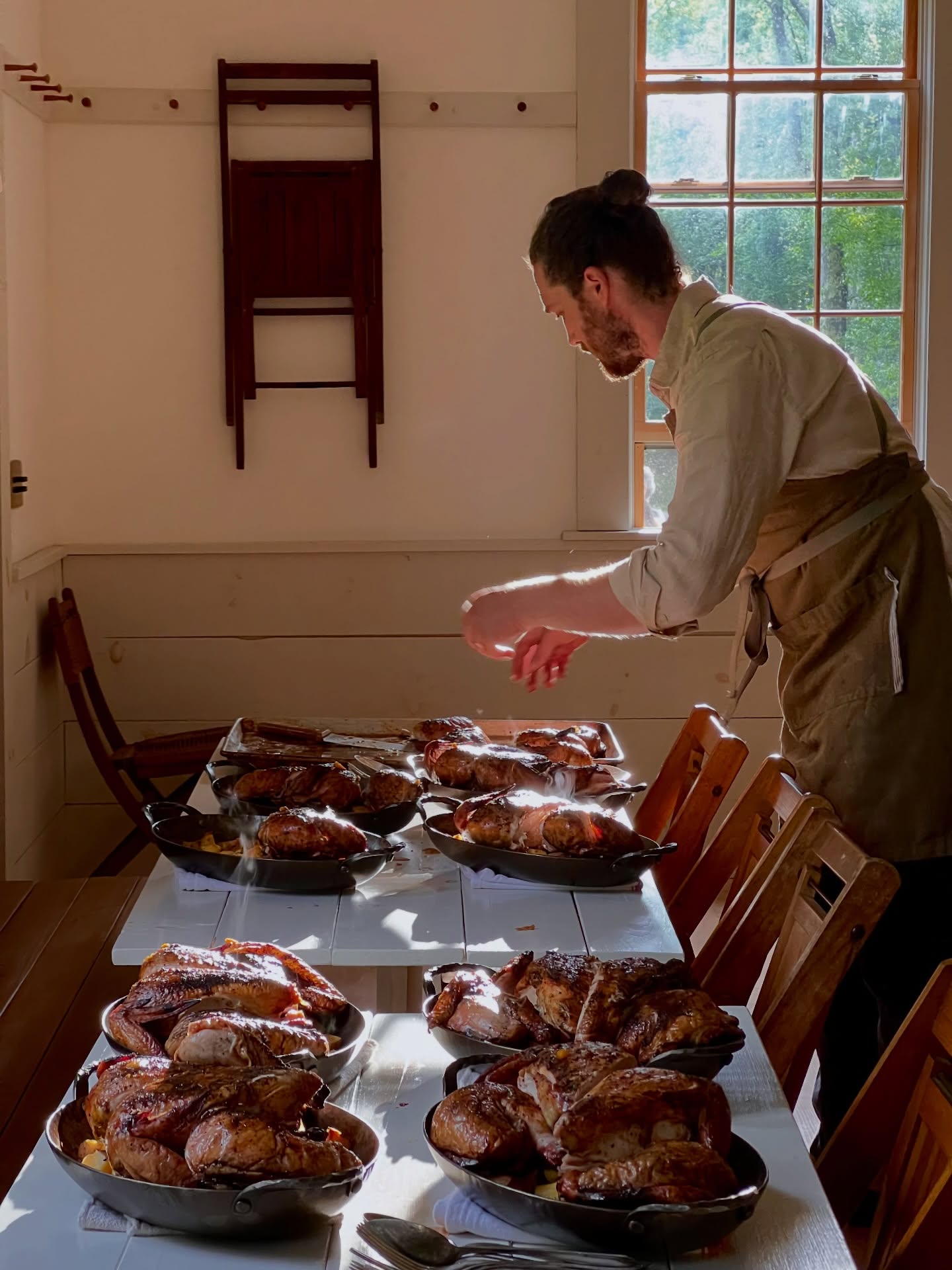
But the true foundation of the farm experience takes place on Saturday evenings, when Stark and Sackett host their hyper-seasonal communal feasts. The scene is set; warm candlelight illuminates the tavern, and the room fills with the hum of hungry guests. Menus are not shared in advance, and most diners are seated alongside new faces – both of which come as welcome surprises.
The evenings always begin a bit hushed, and gradually, as guests warm up to one another, the laughter grows louder and the conversations livelier. “It’s really sweet to see,” Stark admits. The four-course menu – plates such as home-baked scones, asparagus gribiche, and tender venison au poivre – is determined just a day or two in advance, as Stark and Sackett source all ingredients from their own garden or from local neighbours. Many of their suppliers personally deliver the bounty, dropping off meats and freshly harvested produce before stopping in to say hello. It's farm-to-table at its prime.
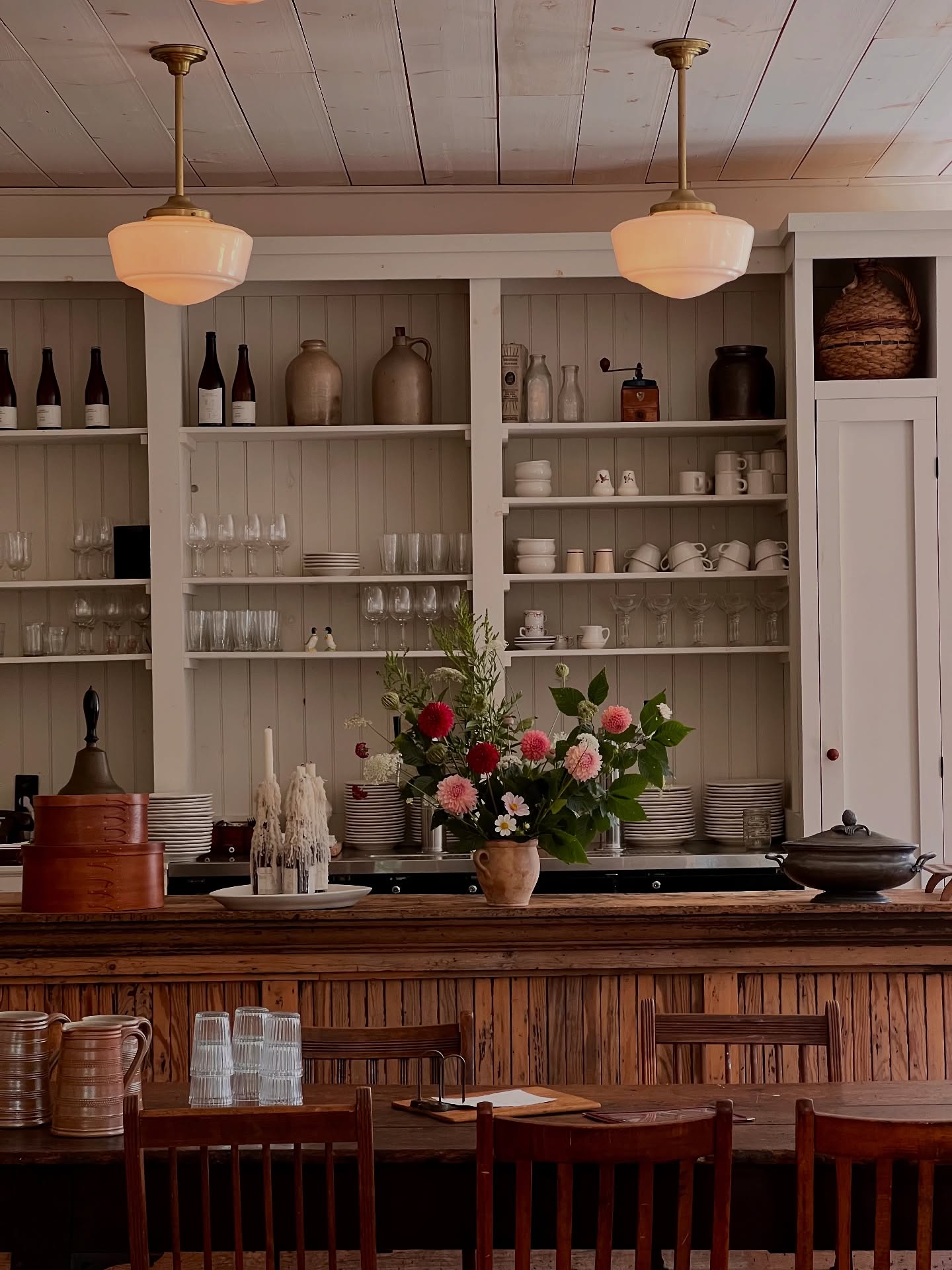
Ultimately, that is the intention behind the farm: to slow down and fully embrace the land and all it has to offer. “We hope guests find solace and inspiration in the things that are not here. No cell service, no central air conditioning, no ingredients shipped to us on a truck, no frills. The beauty is in the simplicity of the country,’’ muses Stark. “We hope to remind folks of the simple daily pleasures that are so often left behind in the modern world.”
And indeed, that’s what I found. Without the constant pull of digital distractions, Stark and Sackett have created a rhythmic, unhurried, and thoroughly restorative sanctuary.
Christina Stamos