discovering Indonesia's crown jewel
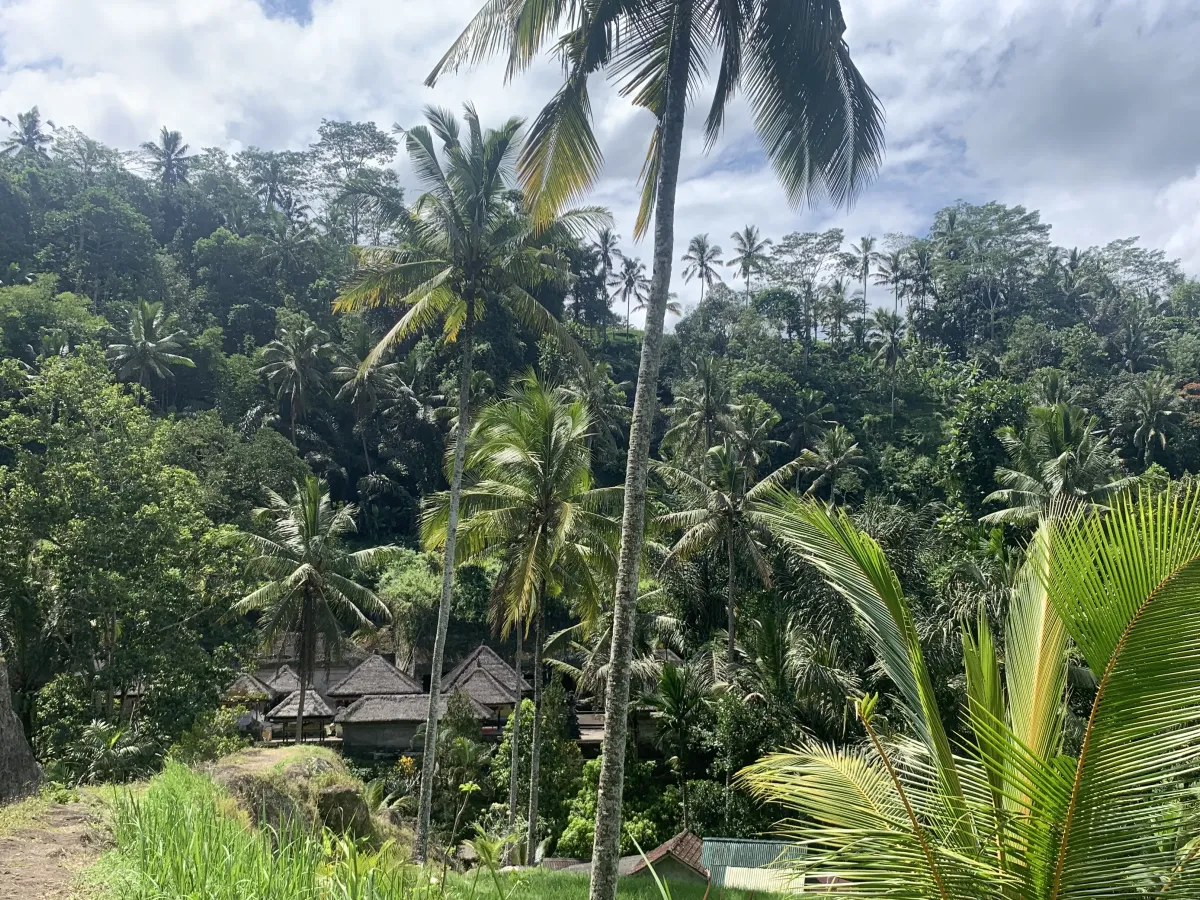
For any hotel, winning Travel + Leisure’s annual ‘Best Hotel in the World’ prize is about as good as it gets. The announcement—informed by thousands of readers and the experiences of the magazine’s veteran editors—is met by a ton of fanfare from the industry and brings an overwhelming amount of exposure to whichever property takes the crown. Imagine, for a second, how it must feel to be the General Manager receiving the call that your hotel has been chosen. Can you picture it? Now, imagine that happening to you two years in a row.
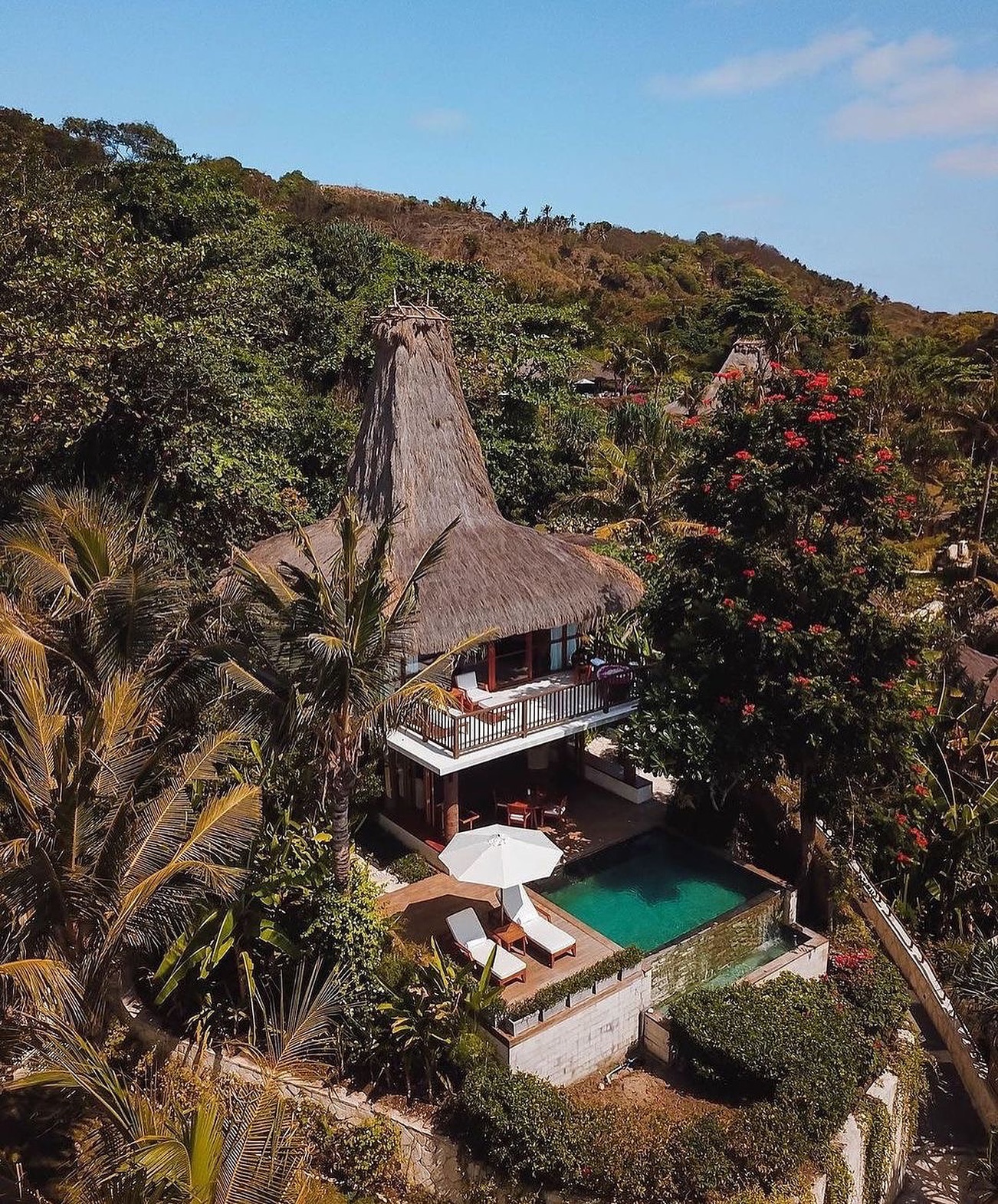
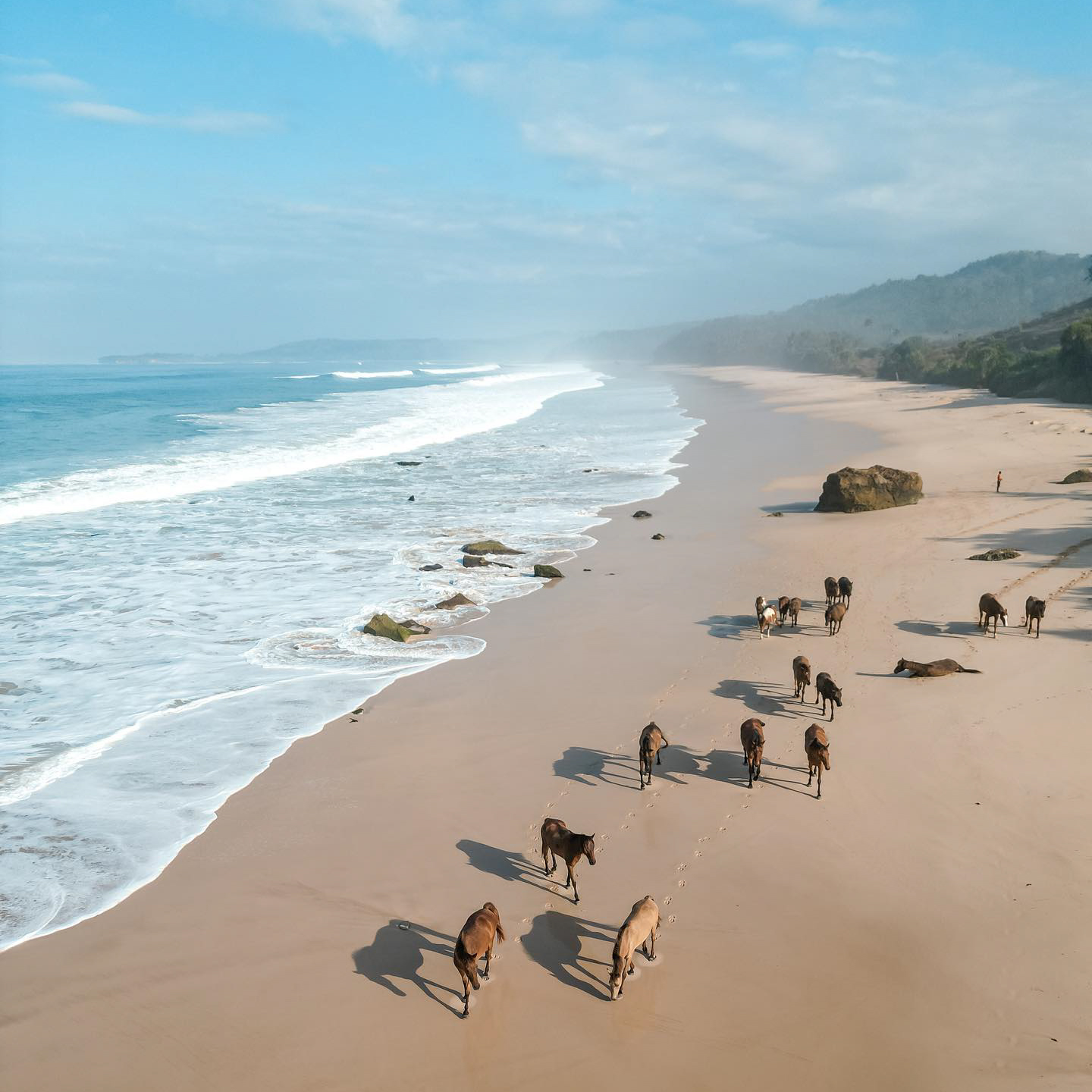
This is the rare honour held by Indonesia’s NIHI Sumba. And when you take a look at the property, the reason why becomes a little clearer: It might just be the only hotel in the world where twenty-eight beautiful, peaceful horses gallop past you on the beach each day while you’re doing yoga, and where a world-famous surf break is reserved for guests only, and where a visit to the renowned spa requires a full day (and sometimes overnight) itinerary. Not to mention that guests don’t get rooms–they get villas, complete with pool, butler, impossibly-high thatched roofs and views across the Indian Ocean.
As the name suggests, you’ll find NIHI on the Indonesian island of Sumba—a fifty-minute flight from Bali but a world away from those crowds. On arrival at the island’s airport, guests are welcomed directly by hotel staff and taken to a luxurious private airport lounge to freshen up and rest after their travels. Once ready, you’ll then climb into one of NIHI’s famous open-top Safari jeeps (with some fresh banana bread and a coconut in your hand) and settle down for the 90-minute drive—past wild horses, roaming water buffalo and rice fields—to the property.
Guests report that it’s impossible to ignore that the drive also exposes some of the extreme poverty on the island, but rather than turn a blind eye to it, NIHI is vocal about its considerable efforts to improve access to healthcare and education for the Sumbanese people. Their Sumba Foundation has significantly increased the supply of clean water in the area, lessened the prevalence of malaria and improved the quality of the island’s hospitals and schools. The foundation’s mission is also directly wrapped up in the guest experience, with charity events (including beach horse races) hosted at the property through the year to benefit the foundation.
Coming down from the top of the mountains as your drive reaches the island’s edge, a mile-long private beach suddenly appears into view. You’ve now reached the hotel—and might at last have a true understanding of why its tagline is “The Edge of Wilderness.” On arrival, you’ll meet your two butlers—for want of a better word—who’ll be on hand and constantly available over WhatsApp for anything you might need during your stay. NIHI calls them “captains”, but General Manager Sabine Lamberts has her own term for them: “mind readers”.
Given that you checked in to the hotel at the airport, all that’s left is for you to do is to be escorted to your villa. Each is unique—some are tree houses, some are multi-floor structures, others are vast bungalows—but all have private pools, decks for private dining, ocean views and a fireplace that your captain can light ahead of your return from beach dozing. And again, those lofty thatched roofs, which Lamberts describes as “typically high Sumba roofs—you’ll never find a flat roof here, like you would in other hotels.” Given the space and privacy, Lambert says guests often tell her they feel like they’ve moved into a new dream house and are only reminded they’re hotel guests when they gather with others in the restaurants for meals.
The romance of the property, as well as the freedom to roam the villas give, means that NIHI attracts a mix of honeymooners and families (there is, after all, pony riding, a literal chocolate factory and the opportunity to watch baby turtles hatch). But to only say that wouldn’t be doing justice to a third category, who are also the reason a hotel exists on this site at all: the surfers.
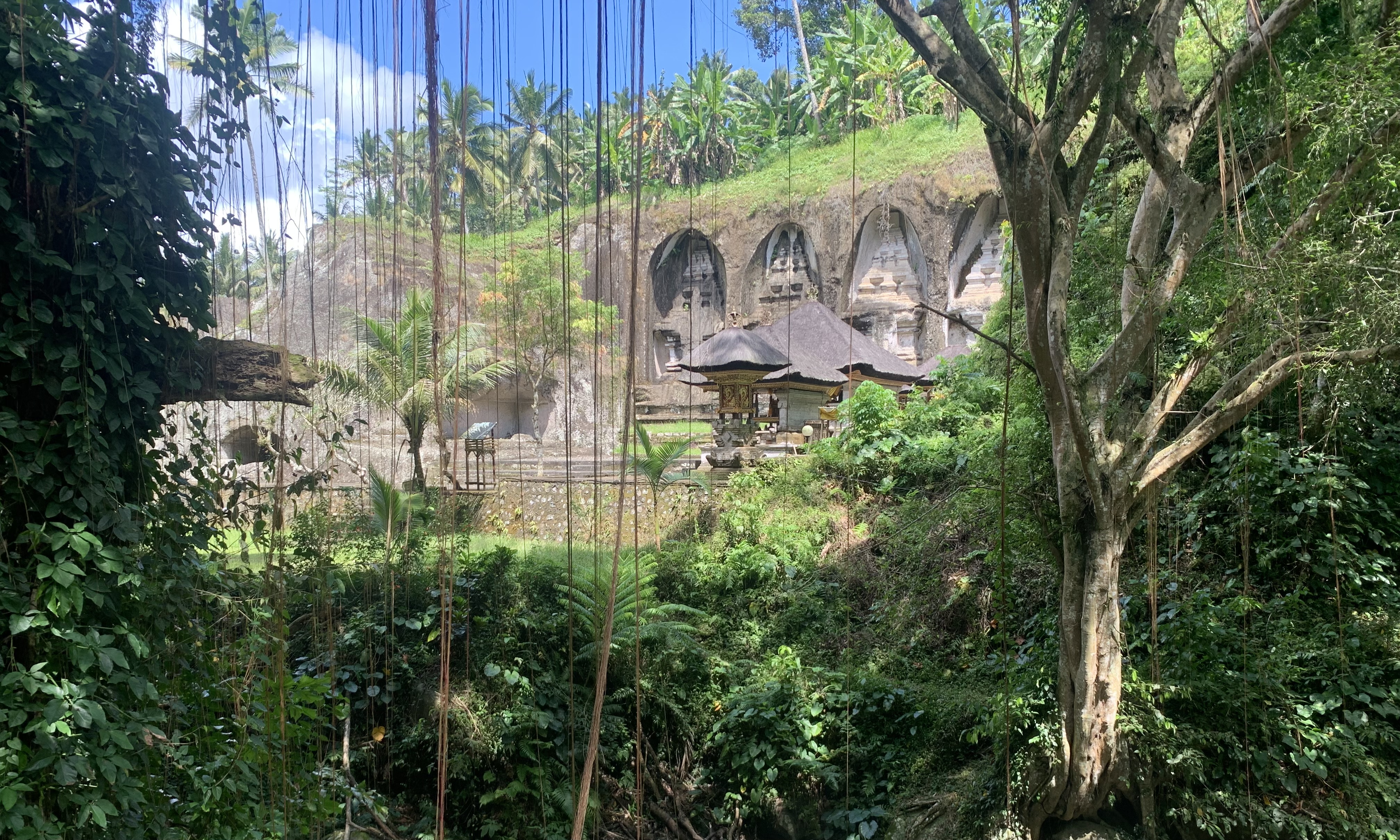
Before it was NIHI Sumba, this was Nihiwatu—opened by American surfer Claude Graves in 2001, after he pinpointed where the island’s best waves roll in. For the next decade, surfers from all over the world over flew in to experience ‘Occy’s Left’, named after Australian surfer Mark Occhilupo. (While the day’s conditions dramatically affect the feeling of each wave, when the right one comes, it’s a more than 200-metre-long ride.) Then, in 2012, hotelier James McBride and entrepreneur Christopher Burch put $30 million into turning it into the super-luxury escape it is today. Despite the handover, the surfers still roll in. (There’s even a ski-lift-style pulling service to take you back out to the break once you’ve come to shore.) Lamberts became a surfer herself after getting the job. “Even if you’re not good,” she says, “it’s just this feeling being on the board, on the water."
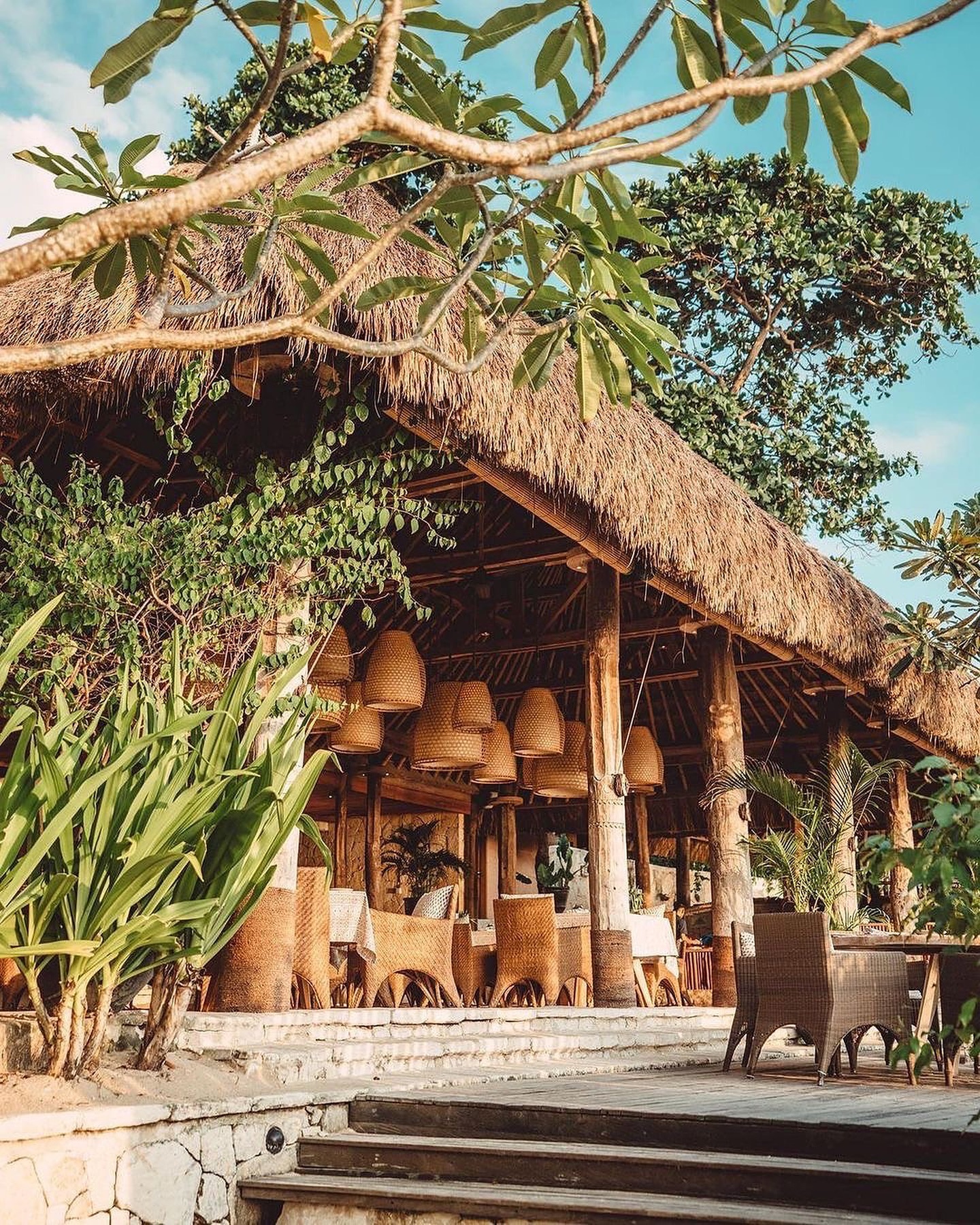
Wellness is another significant driver of visitors. As well as a small spa by the beach, the main attraction is the ‘Spa Safari,’ a day that begins with a 90-minute walk (though drives are possible) through palm groves to a private bay where the expansive Nihioka spa awaits. “It's a destination by itself,” Lamberts says. “You have two beaches. You have treatments. You have equine therapy—they say a horse mirrors your emotions in the moment, so that’s a very sensitive exchange. And you have a private villa where you can stay the night.” If you do choose to sleep over, Nihi will arrange a private dinner, with—spoiler alert—a surprise firework display at the end of it. “We always add that,” Lamberts says with a smile. Many guests do spend their final night there, and the property can arrange for a bag transfer so they can head to the airport straight after waking up and having their private breakfast.
When that fateful final day does come, Lamberts admits that it can be hard to witness the sadness her guests often feel at having to leave. Pressed on why there might be such strong emotions during departures, she explains that, for many guests, a stay at NIHI Sumba has given them an opportunity to once again be “truly themselves.” “You don't have your usual code, you’re surrounded by mountains and the sea and nature that is so rugged,” she continues. “You have no more fussing around you. It’s an unregulated freedom that you feel, and that’s a very nice interaction for me to witness—not only with each guest but also between all of the guests with each other.”
Louis Cheslaw
A storyteller in various guises, Louis captures the essence of a person, a place, a community, whatever, really, when he writes. But he’s someone that captures our attention no matter what he does. After seven years in New York, Louis is now back in London, though he does get his wheels up from time to time. His ideal trip affords him that sense of smallness that sweeping expanses of nature often give. Think: Hawaii, Wyoming, the Dolomites or the Highlands. When he’s not writing features for gloobles, New York Magazine, Air Mail and beyond—or helping brands tell their own stories through his consulting work—Louis’s likely turning his attention to tennis, football and cooking.