Athens: the coolest capital

Athens hadn’t always appealed to me. I was underwhelmed by my first visit there as a teenager. Expecting a grand, historic city like Rome, I was confronted instead with rows of grey, brutalist concrete, plastered with graffiti. For many years afterwards, I skipped the city on my summer trips to the Greek islands.
When I gave Athens another try in 2018, I was in for a surprise. The year before, the Greek capital had hosted Documenta, arguably the world’s premier, avant-garde art exhibition. I took the opportunity to visit a few friends from London’s cool, alternative crowd, who had relocated to the city. I had somehow stumbled upon a burgeoning hub of young, international, creative people, brimming with possibilities. One night, half-tipsy, I was led by a handsome, rakish friend down a gritty street in what felt like a dangerous area. Next to a nondescript store, we entered a narrow, dimly-lit arcade. He stopped. Then, with a cheeky smile, he opened the door to a bar.
What I saw reminded me of the long-lost, euphoric heyday of Berlin or East London. But it was imbued with the sweet, easy charm of life under the Mediterranean sun. In just half an hour’s drive, you can find yourself on a deserted rock over turquoise waters as beguiling as those lapping against any Aegean island. I was completely hooked.
Our last dinner was in the Kypseli neighbourhood, back then much rougher and not as trendy as it is now. We went to a family-run taverna, Nostimies tis Mairis, on the local square. Outdoors at a long table, I found myself seated between a Mexican filmmaker and an LA gallerist. After discussing the downsides of urban gentrification, said gallerist turned to me and raised his glass. “Here’s to not being part of the problem!”
The following year, in spring 2019, I relocated to Athens and became part of the ‘problem’. Local Athenians apparently dub us, the city’s artsy expatriates, ‘Documenta cockroaches’.
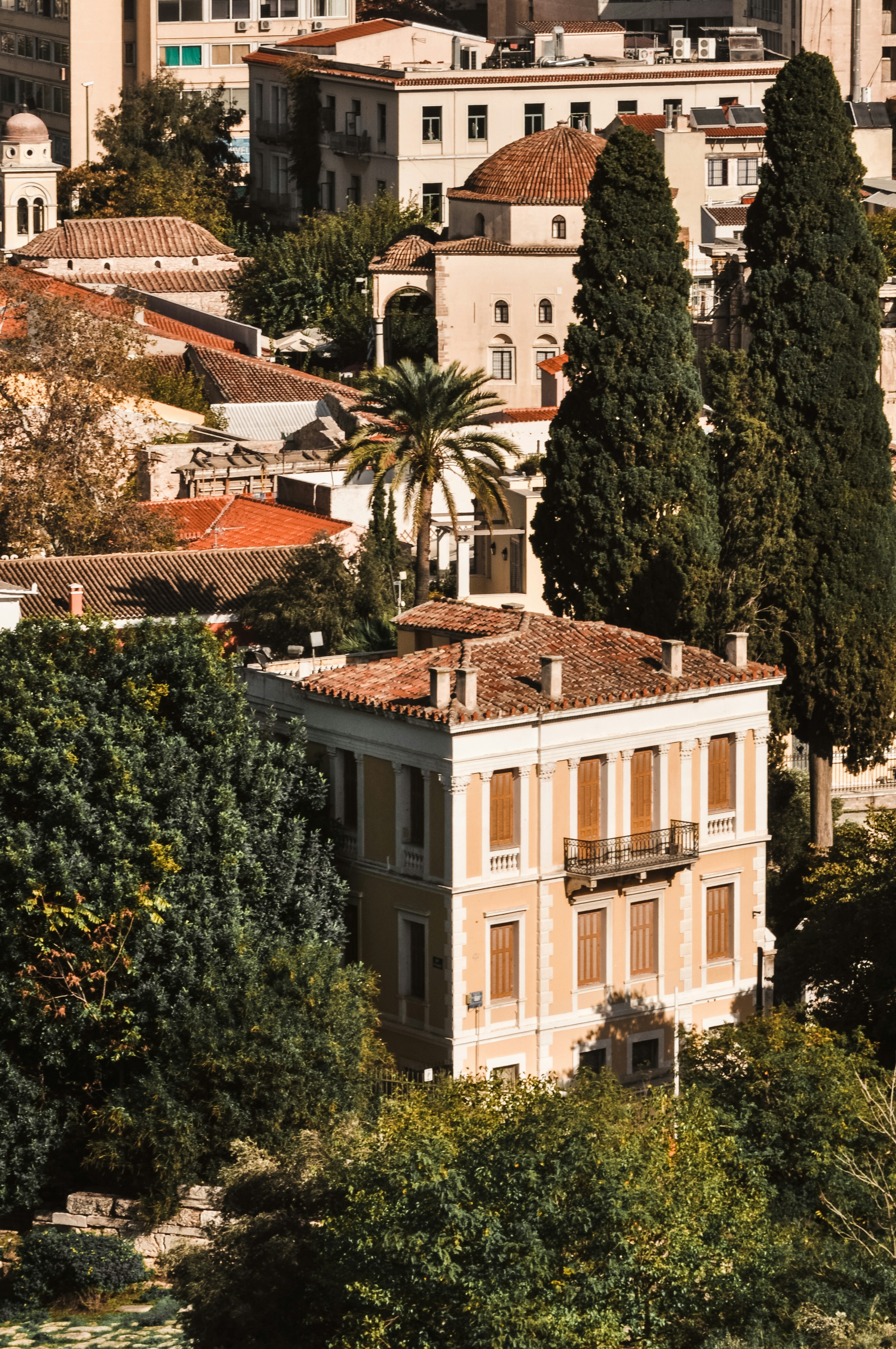
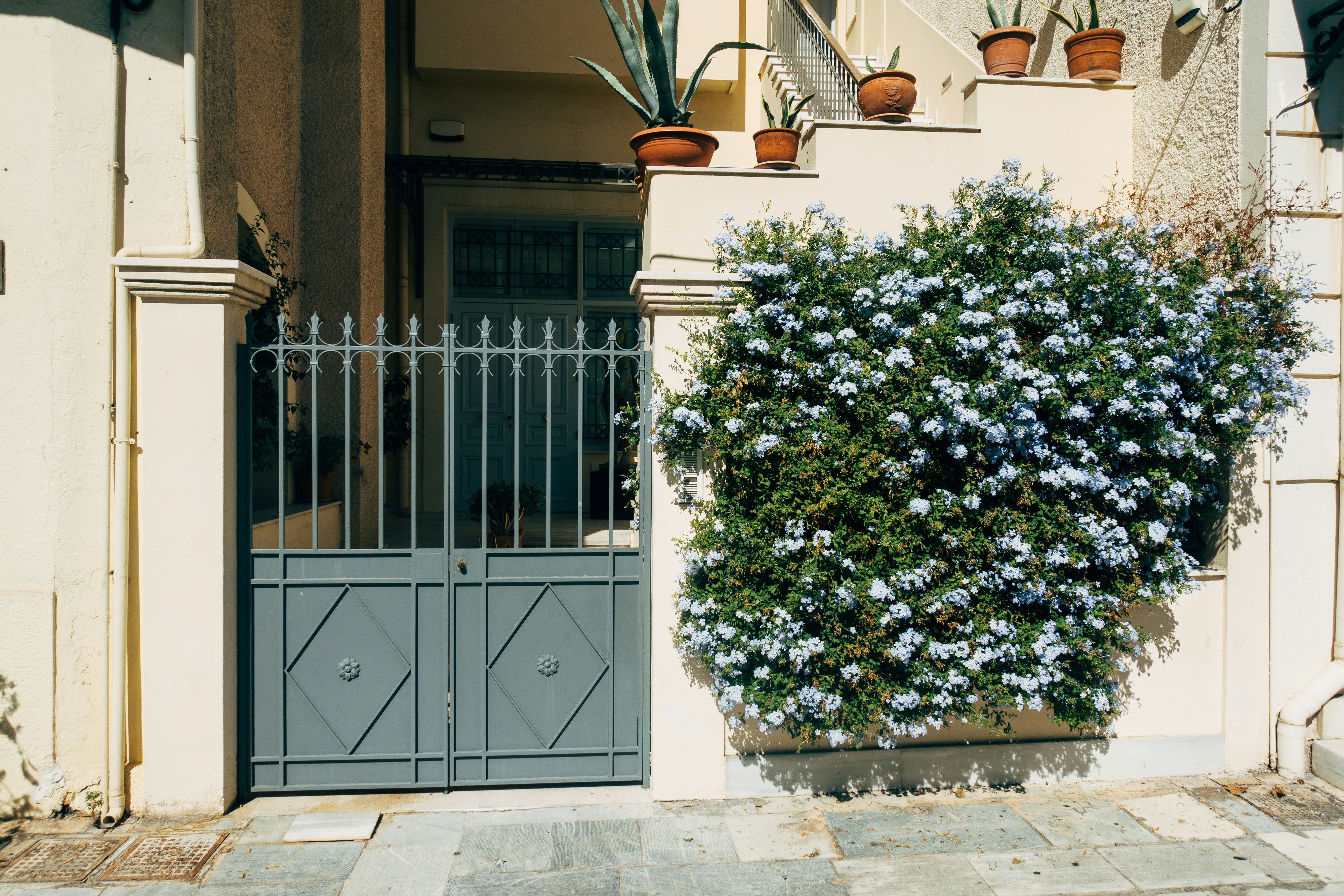
My first neighbourhood was Ano Petralona, a formerly working-class pocket of rare low-rises. Although in the city-centre, the area seems to follow a gentle, orange-scented rhythm. It has the lazy feel of village life. Perhaps, this is thanks to the old grandmothers who hang their laundry on windowsills or the young children who still play in the streets at midnight as their grandfathers drink ouzo. As in the rest of Greece, restaurants open for lunch at 2:00 PM. And many people take a late-afternoon nap.
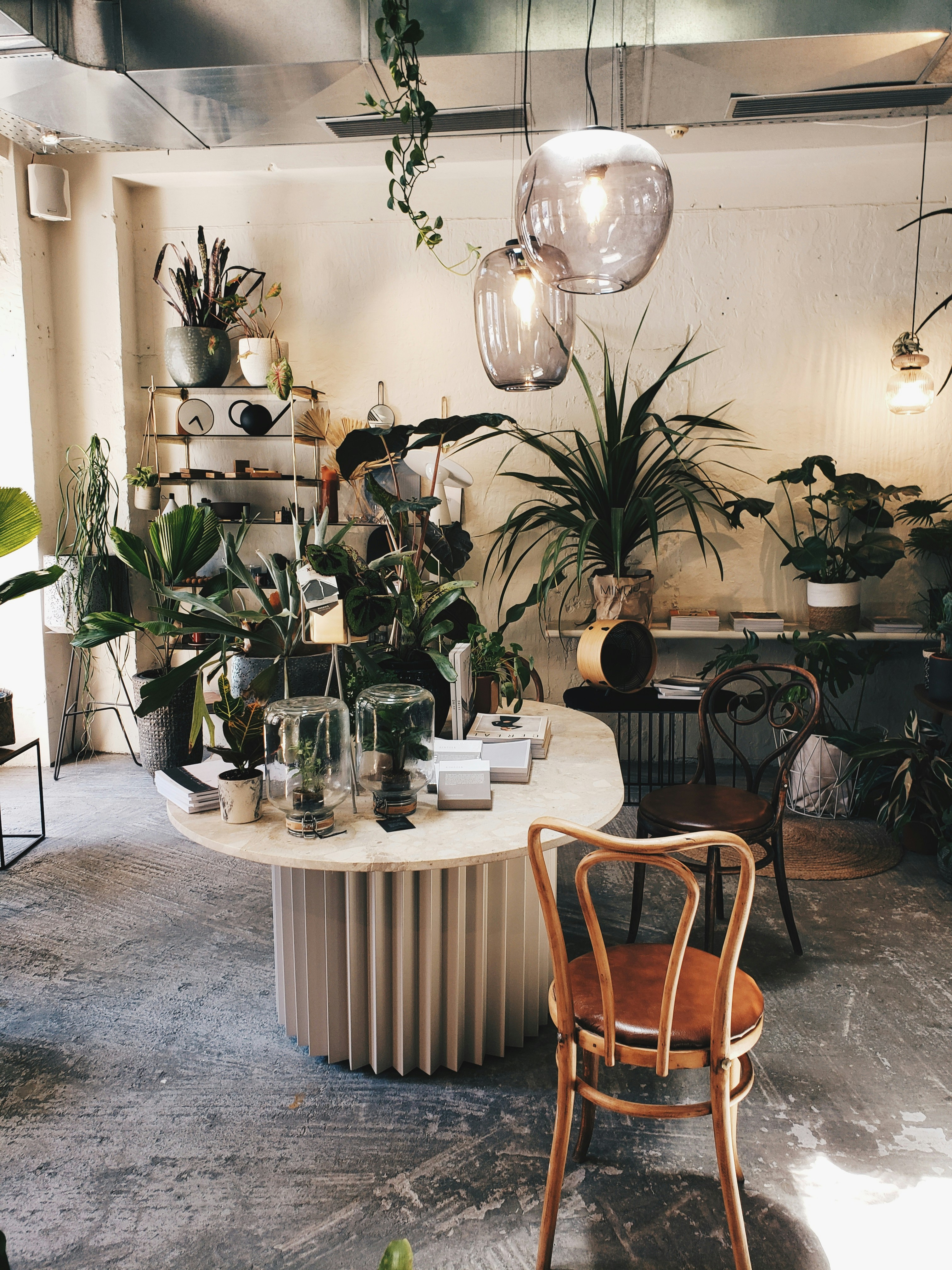
The heart of the community is our ‘village’ square, Plateia Merkouri. Minutes away, I settled in at a charming, early 20th-century courtyard house, owned and renovated by ex-New Yorker and interior decorator Venetia Sacret Young. On the square itself, she designed one of the city’s first contemporary art bookshops, Adad, founded by Belgian curator Alix Janta and her husband, Felix de Bousies. Our neighbourhood bar, Klouvi, was a stone’s throw away, as was Oikonomou, a taverna established in 1930. Down the road was Zéphyros, a historic outdoor cinema that screens old movies.
The best thing about Ano Petralona, however, is its location below Philopappou hill. A green wilderness in the centre of Athens, it was also our local park. For me, few places in the world compare to its forested, eucalyptus-smelling magic. Within its boundaries are some of the most hallowed sites of classical Greek civilisation: the Pnyx, where ancient Athenians first practiced democracy, and the prison of Socrates, to name just two. You can walk and sit on these storied stones without visitor barriers or tourist hordes.
At sunset, certain vantage points in the park give you views like no other. On one side, rising from rolling hills of olive groves, you see the Acropolis, its marble pink with evening twilight. On the other side, your gaze falls over the sea, glistening like silver as the sun comes down.
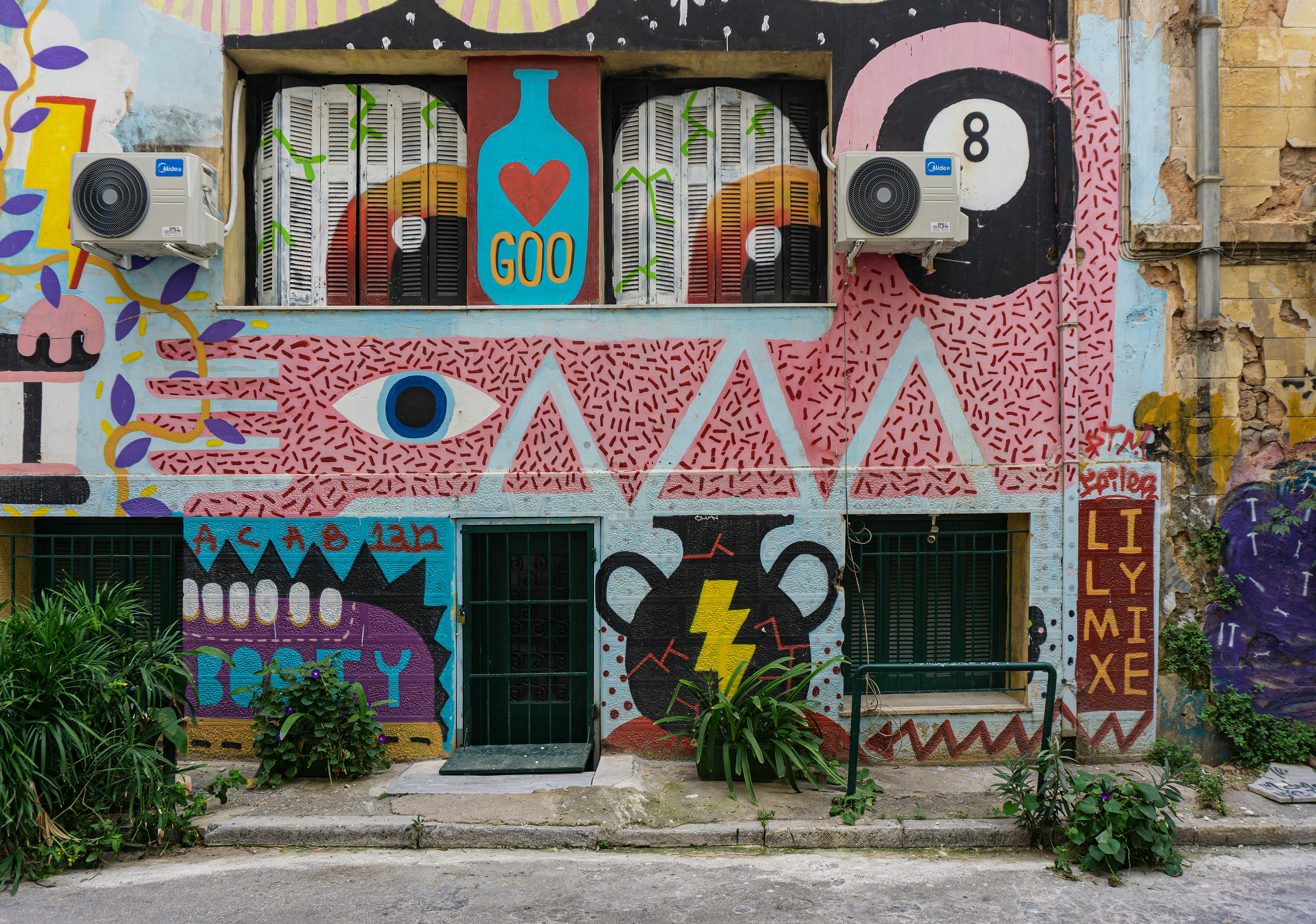
It broke my heart a tiny bit when I finally decided to move to Exarcheia, an exciting—and, yes, sexier—district in a different part of town. Since the 1970s, the area has been associated with radical politics and protests. Ironically, it is located right next to Kolonaki, an enclave of the expensive classes and their sad imitators in downtown Athens. To many rich Greeks, the idea of Exarcheia used to inspire terror. One warned me never to forget my running shoes in case I needed to escape an anarchist mob or police tear gas. This, of course, was no joke. Violent confrontations did take place—and still do at times. The last four years, though, have seen a total transformation of these parts.
For better or worse, residents like me constitute another nail in the coffin of the neighbourhood’s edginess. My local taverna, Ama Lachei, was always a nourishing, local institution. Now, it has become positively fashionable, its garden teeming with creative types. My favourite wine bar, Warehouse, has a wine list that is among the finest in town. Further down is one of the city’s coolest new restaurants, Pharaoh, offering a contemporary take on Greek cuisine. Nearby, meanwhile, is Shila, a boutique hotel and a Greek-Israeli collaboration with artworks by Athens-based artists, like Jasmine Deporta (an Italian) and William Roper-Curzon (a Brit). It is hard to believe that only a few years ago, I had felt unsafe walking across Exarcheia to Hot Wheels, an art gallery (sadly now shuttered) founded by another British expatriate, Hugo Wheeler, and Polish curator Julia Gardner.
What transpires in places like this is that the international trickle becomes an onrush. Five years ago, one would have met screenwriters and musicians. Today, one is as likely to encounter Israeli start-up founders and American digital nomads. New waves of expatriates from Lebanon have added the glamour and resilience of Beirut to the mix.
Back on Philapappou hill, one can’t help but think of this creative in-gathering. On top is a second-century monument to an earlier foreign resident, Philapappos, after whom our much-cherished hill is named. He was a prince of Commagene in modern-day West Asia with Syrian, Persian, Greek and Armenian ancestry. (I’d like to think of him as something of a ‘Euro’ of the ancient world.) Drawn to the cultural and intellectual life of Athens, he decided to make the city his own. The prince, as lauded by Plutarch, was ‘eager for instruction’. If we are to be a meaningful addition to the modern-day city, we Documenta cockroaches should definitely take a leaf out of Philopappos’ book.
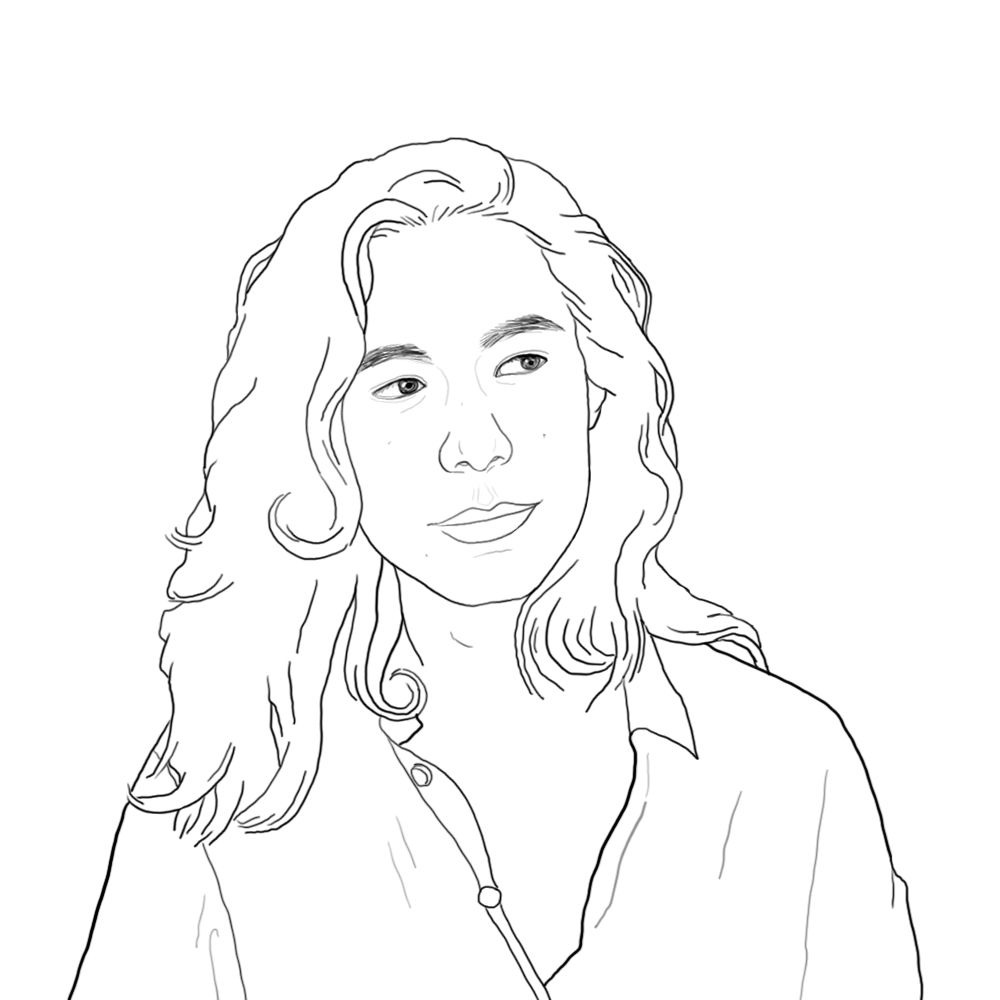
Adi Hong-Tan
The only thing more fabulous than Adi’s stories is possibly his hair – though really, it’s a close call. While he keeps close to his Indonesian roots, spending a few months a year in Bali, Adi has become so fully ensconced in life in Europe that you’re likelier to see him rubbing elbows with the glitterati in Venice or Athens than luxuriating by a pool in Southeast Asia. Charming, cheeky and undeniably charismatic, this writer has a way with words and a way with people. Let Adi regale you with tales of intimate suppers, thumping parties and trips you could only dream of.