an ode to southern Sardinia
Amid fragrant myrtle shrubs and copper-hued cork trees, Sardinia’s southern coast reveals a softer side of the island. One where the Sardinian language is widely spoken, boars and stags wildly roam the mountains, and ancestral folklore remains an integral part of everyday life. Often overlooked in favour of the Costa Smeralda, the south still offers an authentic glimpse of the vida lenta - the slower rhythm locals have long embraced. Historically favoured by Italian holidaymakers, this part of the island has begun drawing a more diverse crowd, with fashion and design events (including Dolce & Gabbana’s recent Alta Moda show) bringing attention to this quiet Mediterranean corner.
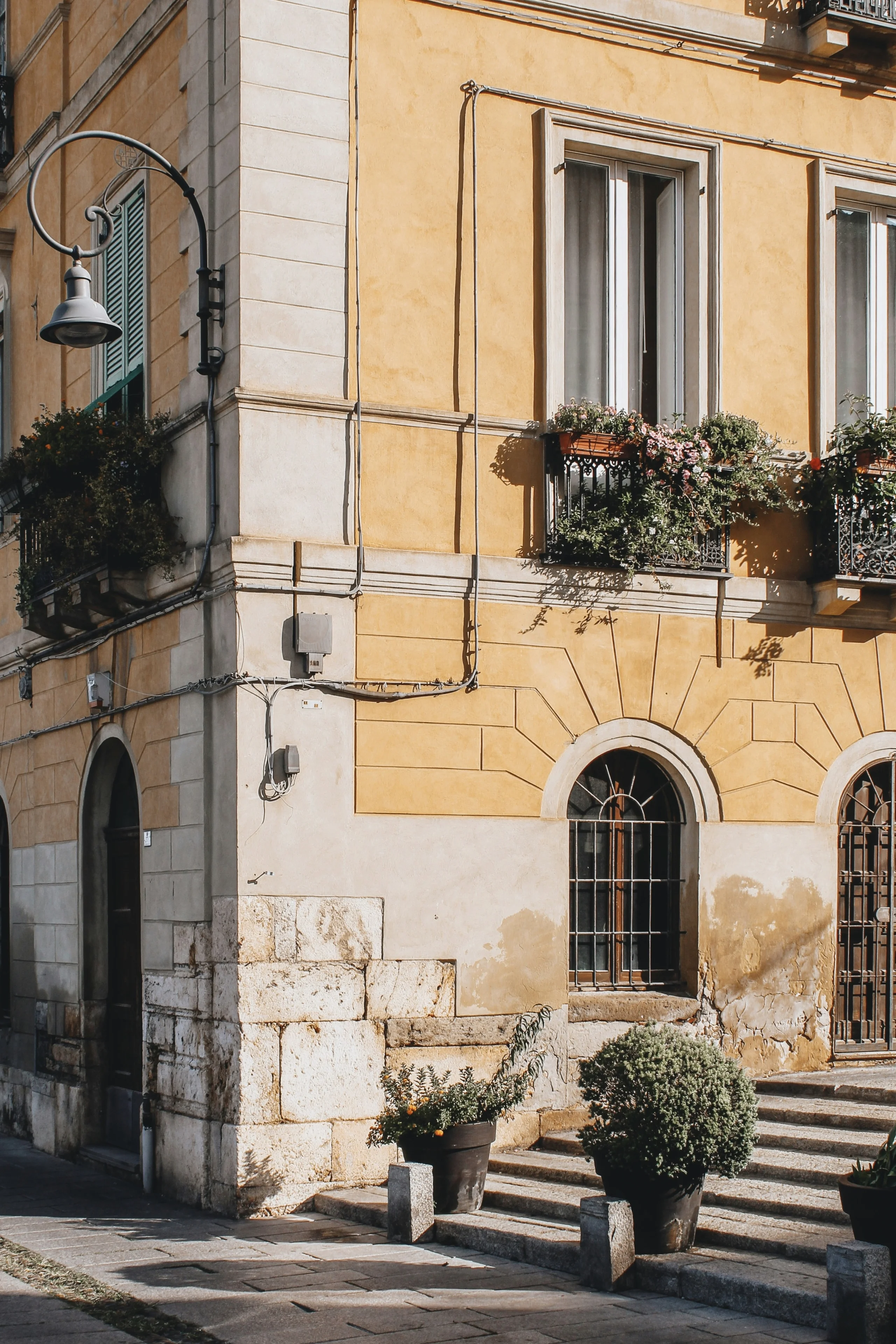
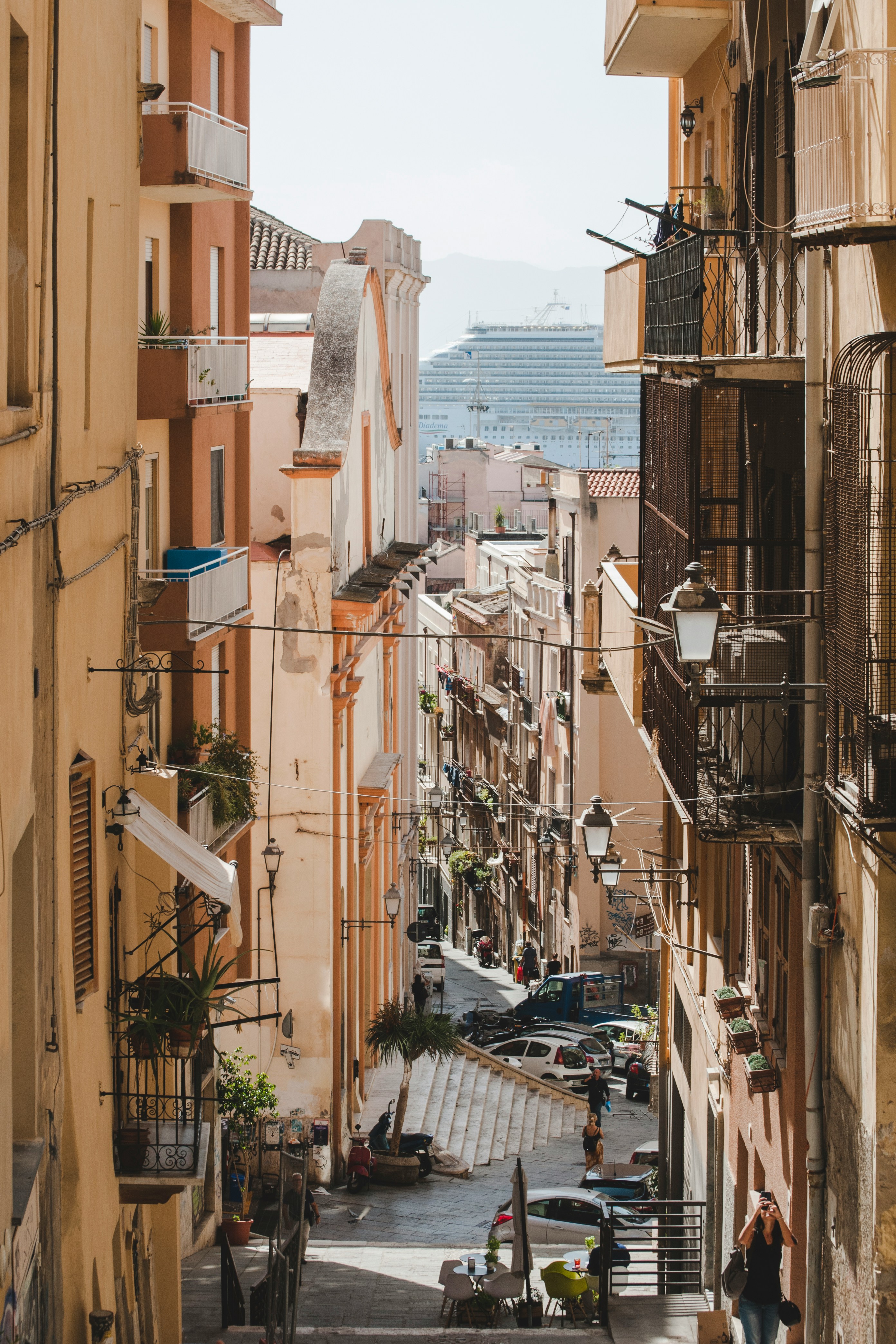
With views that stretch to Tunisia, Sardinia’s capital, Cagliari, sits across seven hills. Every morning, along its pastel-coloured alleys, groups of elegant women dressed in pearls and silk blouses regularly gather at Caffè Svizzero, as navy-suited office workers stop for espresso while leafing through the daily edition of L’Unione Sarda.
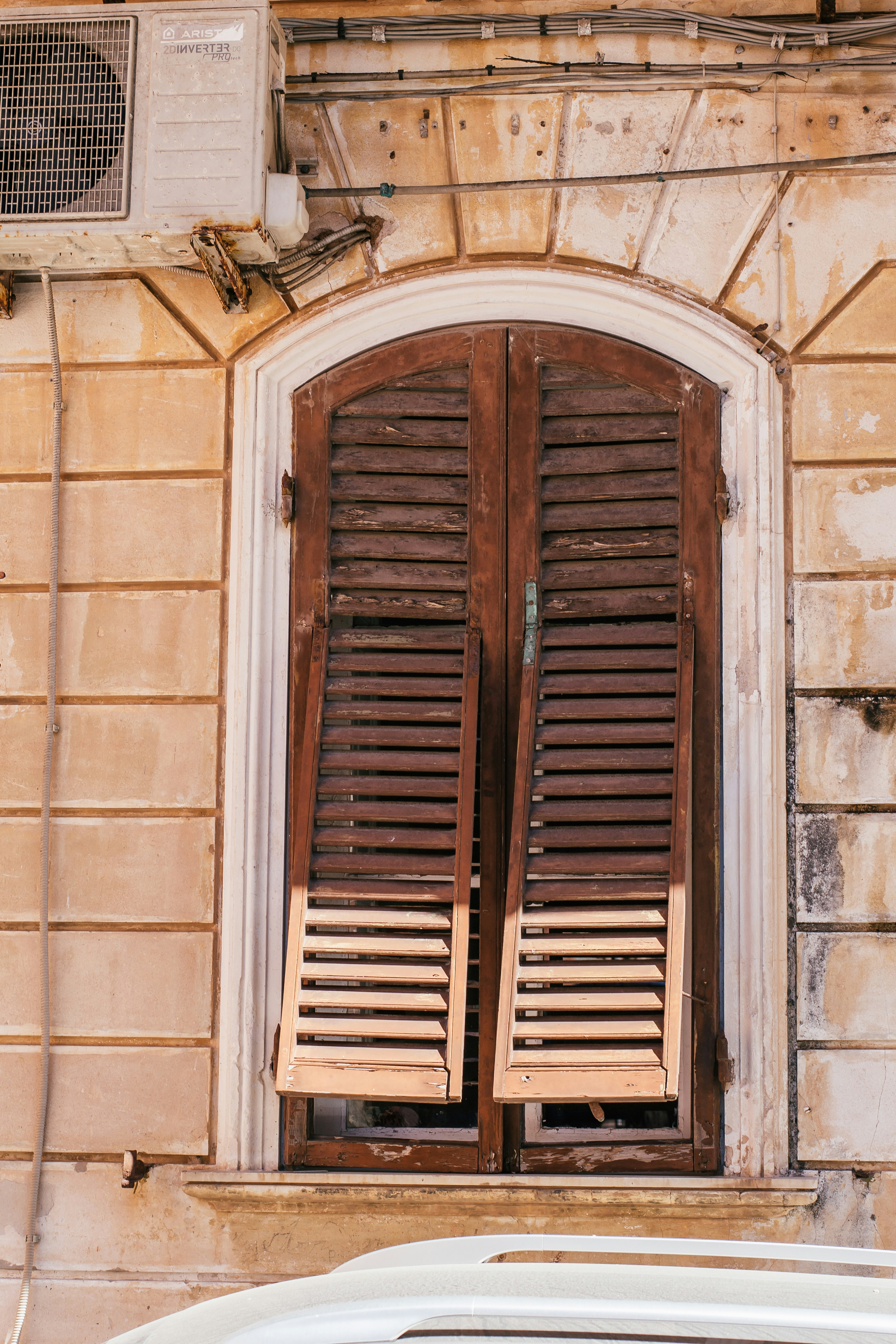
As well as serving local staples such as custard-filled cornetti and pizzette sfoglia (small rounds of flaky puff pastry topped with tomato, capers and anchovies), this city institution also caters to international tastes with its Danish pastries and Vietnamese iced coffee. For a second breakfast (or to simply satisfy a sweet tooth), in the heart of La Marina district, Dulcis specialises in Sardinian confections: saffron-scented ricotta pardulas, raisin-studded pabassine and gueffus – delicate almond-paste bonbons wrapped in coloured tissue.
From the harbour, narrow streets, stone steps and arched passageways lead to the Bastione di Saint Remy, the city’s grand terrace. Just below its arcades, in a cream Liberty palace overlooking the vaulted passage of the Galleria dello Sperone, Palazzo Boyl offers one of the most atmospheric stays in the city with frescoed rooms looking over the brown-tiled rooftops of the Castello neighbourhood, the pine trees of Monte Urpinu and the sea beyond. Back in the lower quarters, near the Chiesa Collegiata di Sant’Anna, the Panefratteria sits tucked beside the church’s marble exterior, almost hidden from the street. Here, the Pintus brothers keep Sardinian traditions alive with a contemporary take on pani frattau – the island’s beloved shepherd’s dish of broth-soaked carasau bread layered with tomato and aged pecorino. A short walk away, Corso Dodici serves dishes of wild boar ragù pappardelle.
Just beyond the historic quarters, on a quiet residential street, is another of the city’s loveliest places to stay, Villa Fanny. Inside the restored villa, exposed wooden beams and airy rooms open onto the manicured lawns and flowerbeds, where the city’s creative crowd linger over cocktails at white wrought-iron tables or beneath a glass-covered veranda with its black-and-white tiled floor. Curated by its owner, Lucina Cellino, who named it after her mother, it has evolved into a small cultural hub, hosting exhibitions, readings and gatherings that reflect a family passion for art passed down through generations.
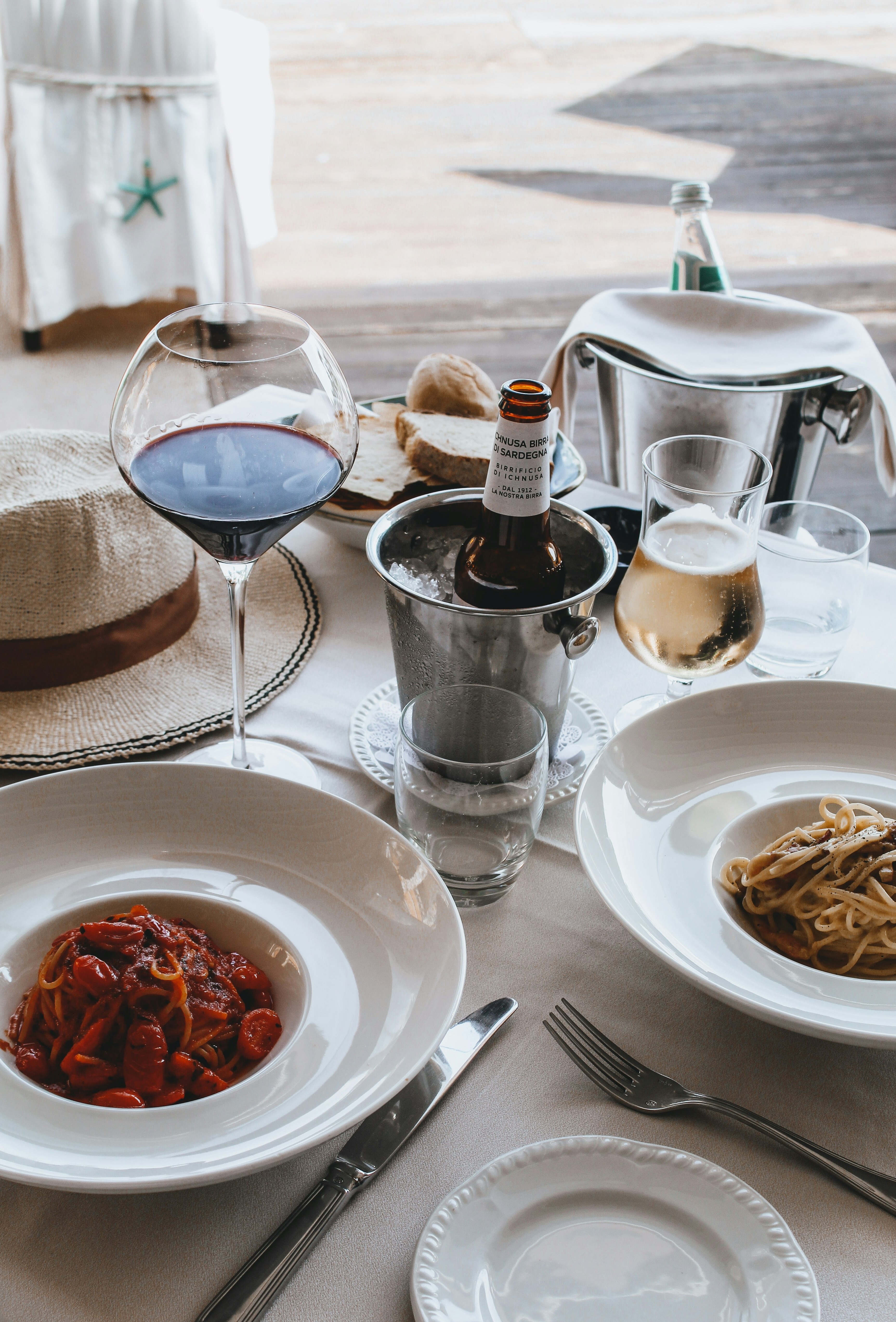
By late afternoon, the city begins to loosen. Descending south from the centre along the jacaranda-lined Largo Carlo Felice, Cagliari meets the sea, with palms gradually replacing stone as the air turns salty. The wetlands of Molentargius – where flocks of flamingos wade through pink salt pans – unfold along the eight-kilometre shoreline of Poetto. Overlooking the saddle-shaped silhouette of Sella del Diavolo, families and young locals usually hop from one kiosk to the next, stopping for gelato at Bobocono or a spritz at Il Lido before dinner. Along the promenade, Le Palmette serves the day’s freshest seafood alongside fregula (the island’s delicate toasted semolina pasta, resembling couscous) and culurgiones (potato-and-mint-filled dumplings). And at La Marinella, plates of spaghetti are topped with red lobster and pizzas with mullet bottarga.
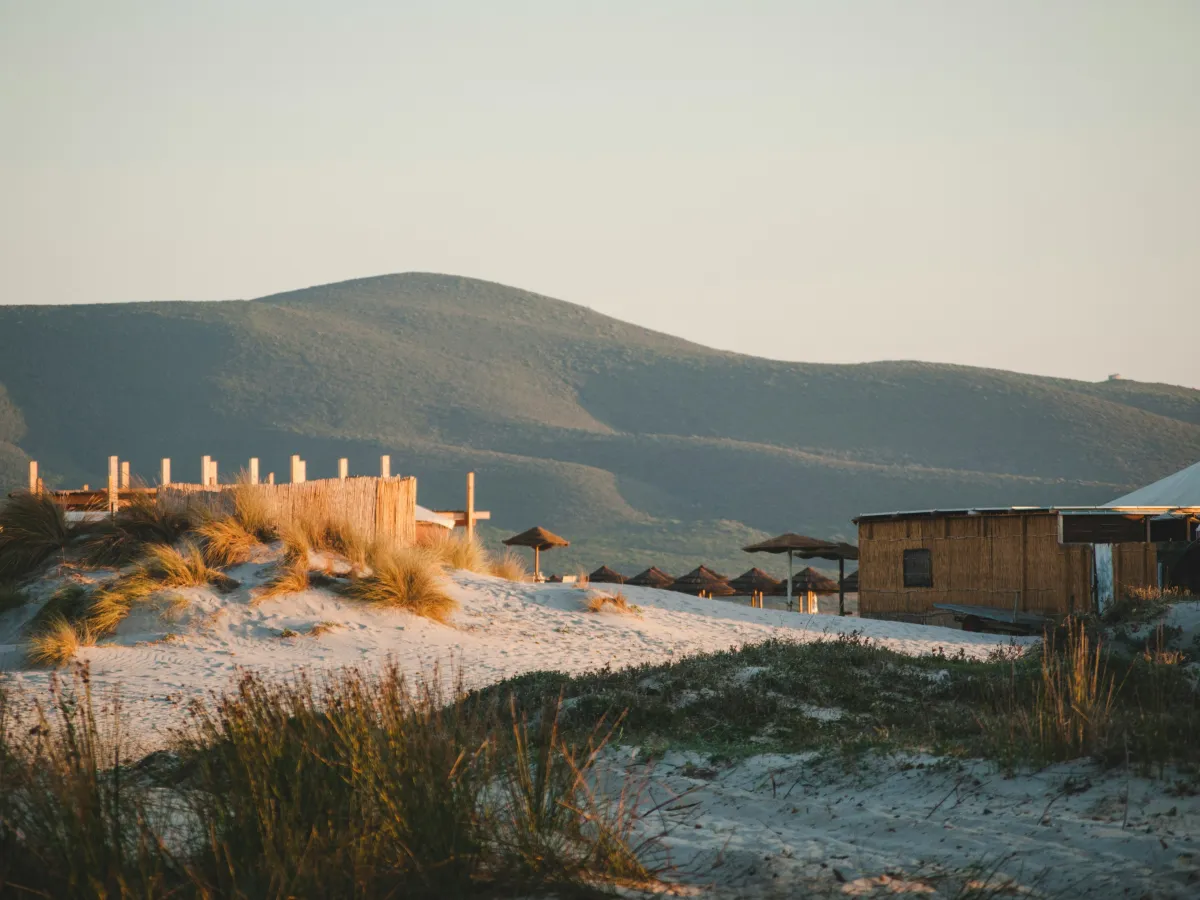
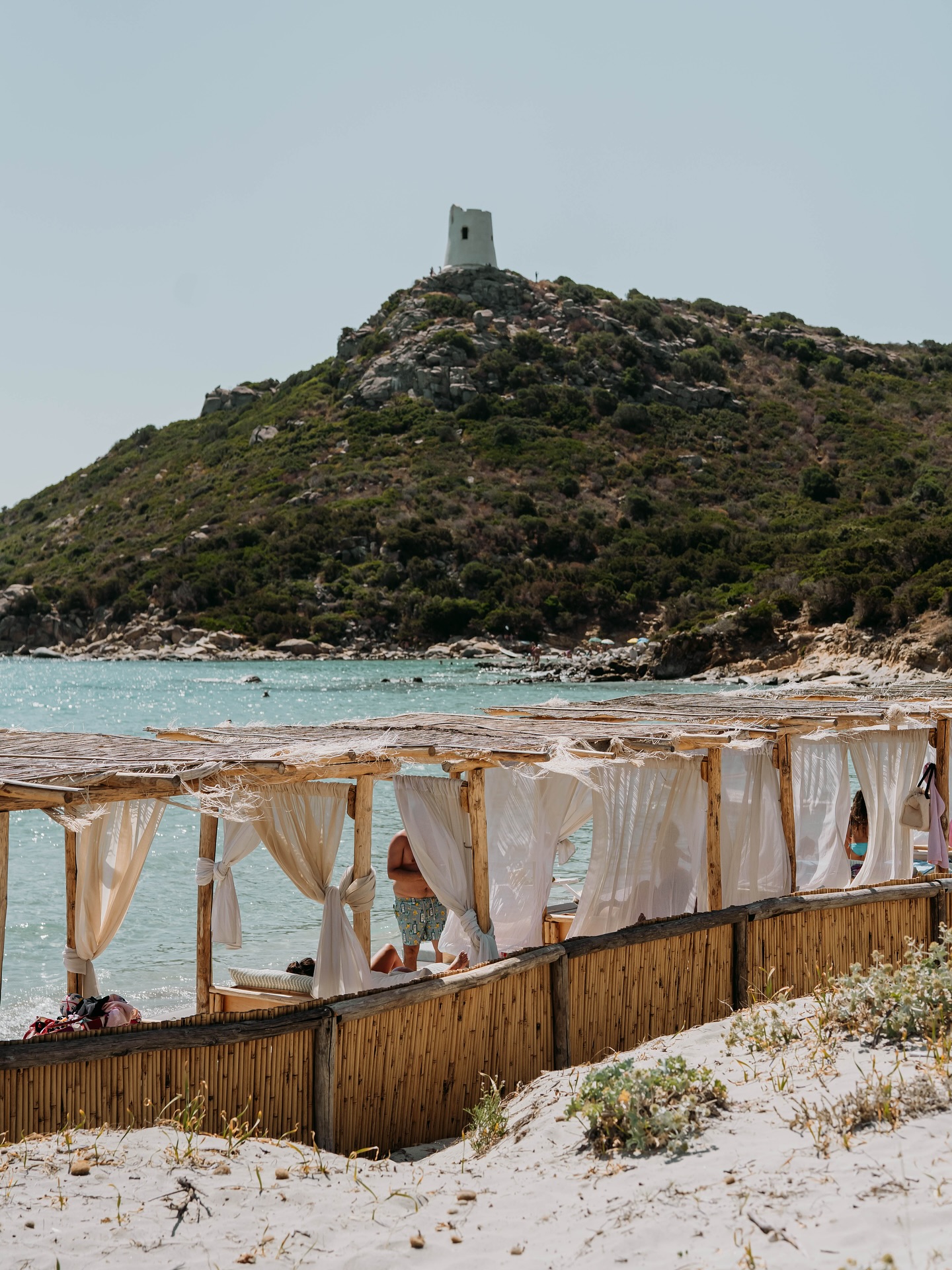
From here the gulf curves eastward, around Villasimius (once a fishing village and now a popular seaside enclave) rows of red-and-white striped umbrellas line the sand, and beneath them are locals working through the puzzles of La Settimana Enigmistica. At Porto Giunco, a narrow ribbon of beach separates the open sea from the lagoon, while nearby Simius forms a broad, idyllic bay. Further on, the coast widens into the long, uninterrupted strand of Costa Rei, a quieter reach of dunes and green Mediterranean scrub. Here, set directly on the beach, La Villa del Re occupies the former Villa Rei. Now a secluded retreat, its rooms and wild gardens look directly onto a private sweep of white sand, where Mediterranean air scented with myrtle and rosemary drifts in from the sea.
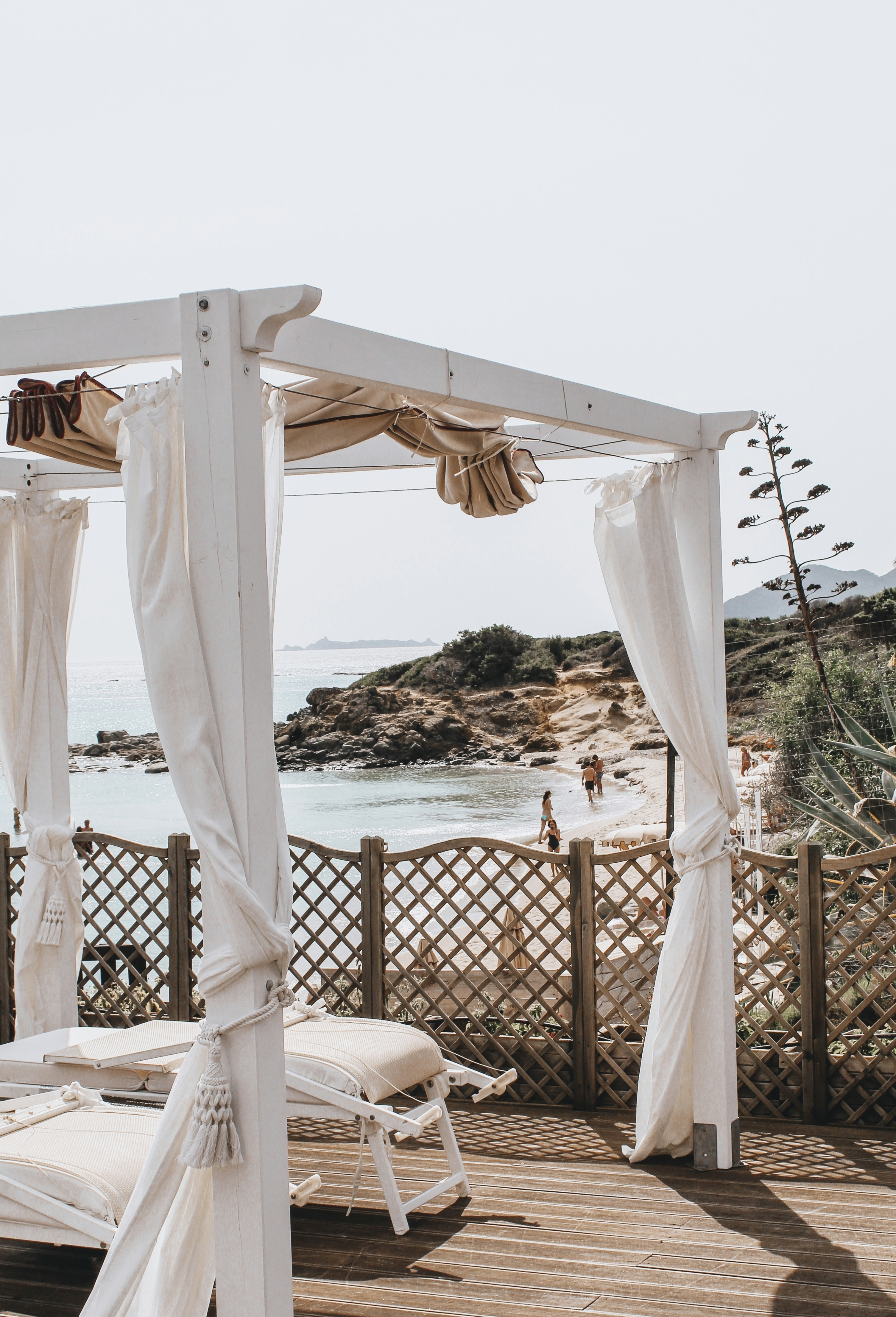
Beyond Cagliari’s western headlands, the landscape gradually shifts under the steady current of the mistral. Around Chia, lagoons and dunes edge the coastline, with flamingos feeding on shrimps in still water. Perched among them, Chia Laguna Resort spreads across gardens and paths descending to pale coves, its three hotels and outdoor experiences rooted in the surrounding landscape – from horse riding and trekking to private boat excursions along the coast.
Inland, the wide basalt plateau of the Giara appears austere, its grasses and cork oaks sheltering the Giara horses – a rare, ancient breed that has lived semi-wild here for millennia, small, dark and resilient against heat and wind. At the plateau’s edge lies Su Nuraxi di Barumini, one of Sardinia’s great prehistoric stone complexes and its only UNESCO World Heritage Site: circular, corbelled towers built more than three thousand years ago by the Nuragic civilisation.
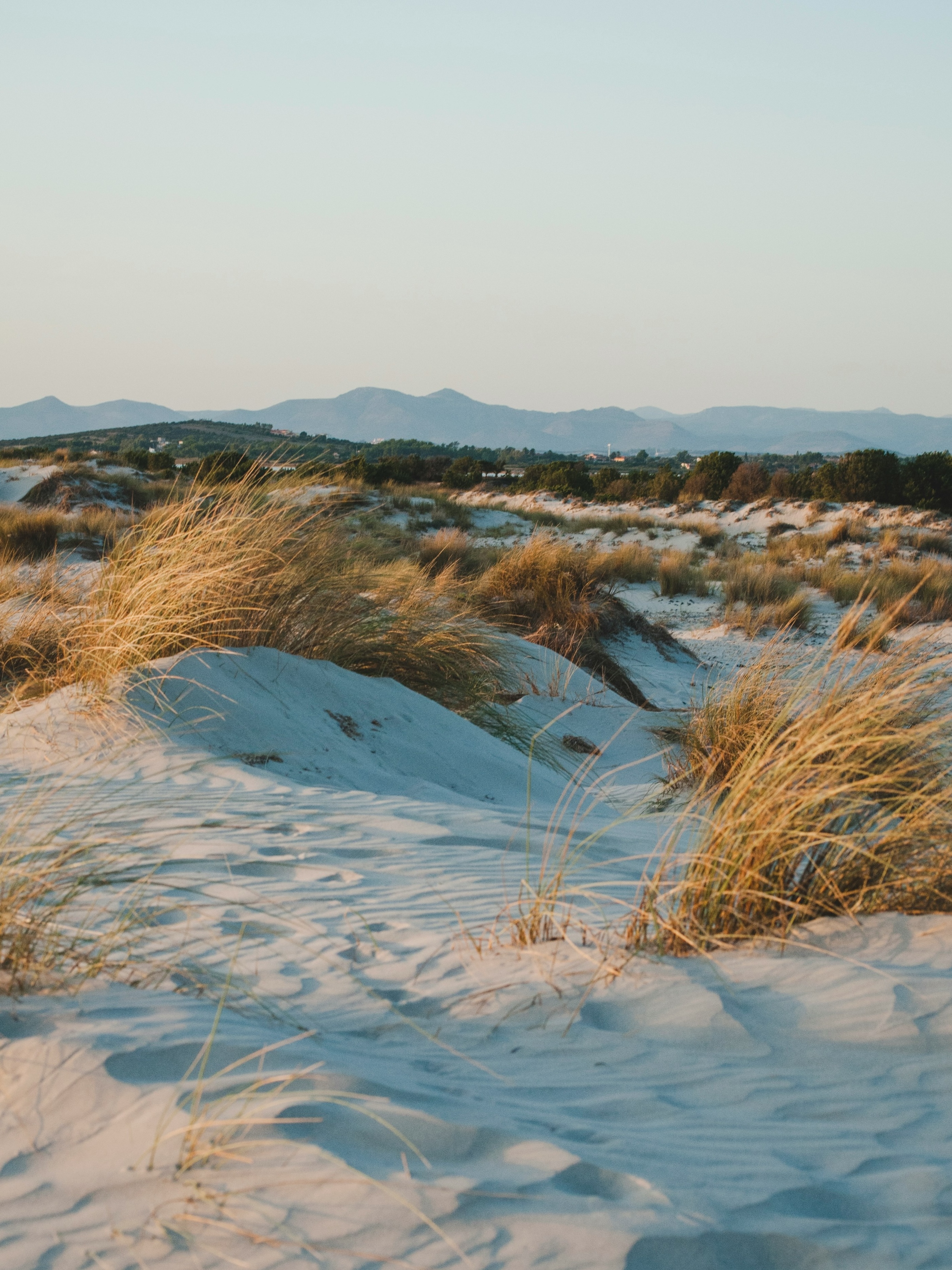
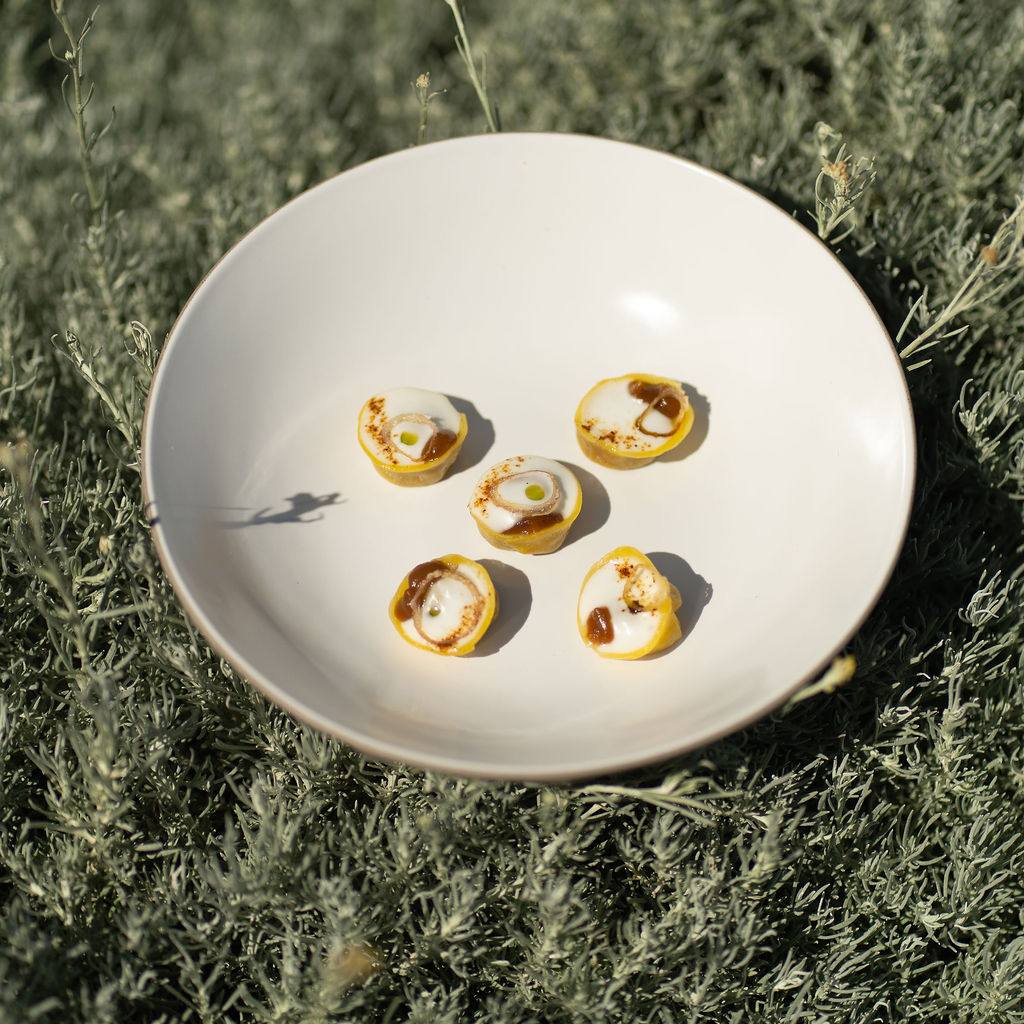
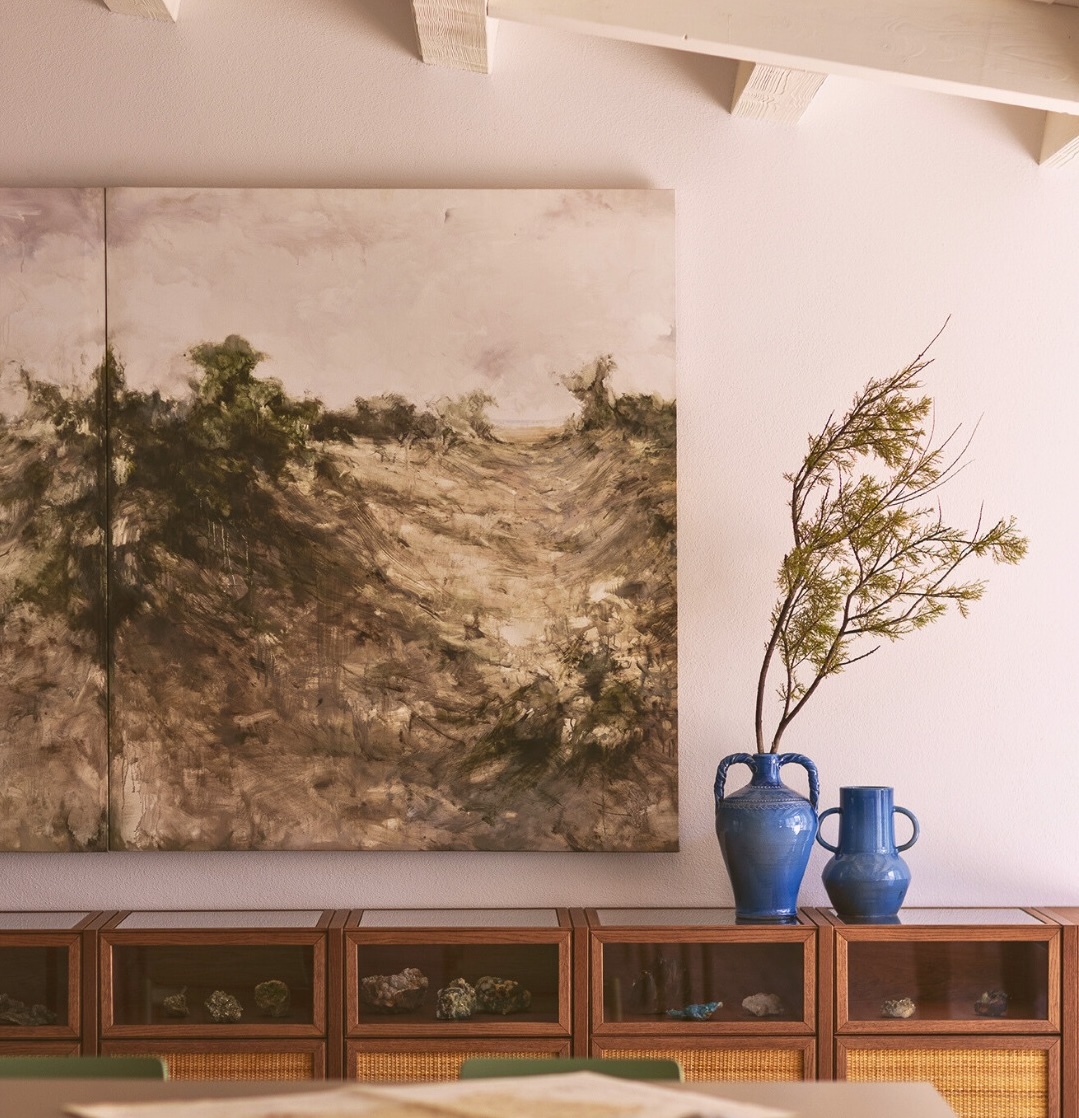
From these uplands, the countryside falls into the openness of the Costa Verde. Sheep graze across fields turned gold under the summer heat, junipers bent by the wind and solitary pinnettas (shepherds’ huts) scattered across the land. Near Porto Pino, dunes gather in long drifts before giving way to Piscinas – vast shifting sands among the largest in Europe – and to the long, empty arc of Scivu beach. Set at their foot, Le Dune Piscinas hotel occupies restored 19th-century mining warehouses reached via the abandoned Ingurtosu site, once an important mine. Today, the surroundings have returned to near-total wilderness: Mediterranean scrub spills into towering dunes, Sardinian deer move at dusk, and sea turtles nest along the undisturbed shore. The renovation has preserved the industrial shell while layering marble, iron, wood and local textiles with five-star comforts. At its Ginepro restaurant, Sardinian classics (malloreddus alla campidanese, a ridged semolina pasta in saffron-scented sausage ragù, or myrtle-roasted suckling pig and honey-drizzled seadas) echo the deep rural flavours of the Mediterranean island.
At the far western edge of the Iglesiente coast, cliffs fall sheer into darkening water, while abandoned mining works cling to the rock. At Nebida, the twin tunnels of Porto Flavia open through the cliff face, framing the sea. As evening settles, the limestone sea stack of Pan di Zucchero rises from the water, its pale surface turning briefly to gold in the last light before dissolving into dusk, and the land falls silent once more. Here, Sardinia reveals its most elemental self – a place where the island’s quieter, wilder character still endures.
Alessio Christian Melis
Duality has shaped Alessio’s life for as long as he can remember. Raised with the warmth of the Mediterranean Sea and the Dutch directness, our editor juggles between his Sardinian and Indonesian roots much like he moves from new-wave cafés to small, family-run warungs. Morocco and Java are among his favourite destinations, yet his heart will always belong to his home city, Cagliari. Despite his love for art and museums, he doesn’t shy away from a nature hike – provided there are enough stops along the way – and seeks out every local way to experience a place. As a recent branding and editorial graduate from the Amsterdam Fashion Institute, when he’s not planning his next (overly) curated weekend trip – and the outfits to match – he can be found writing, reading, or doing both at the same time.