a wilder take on Tuscany
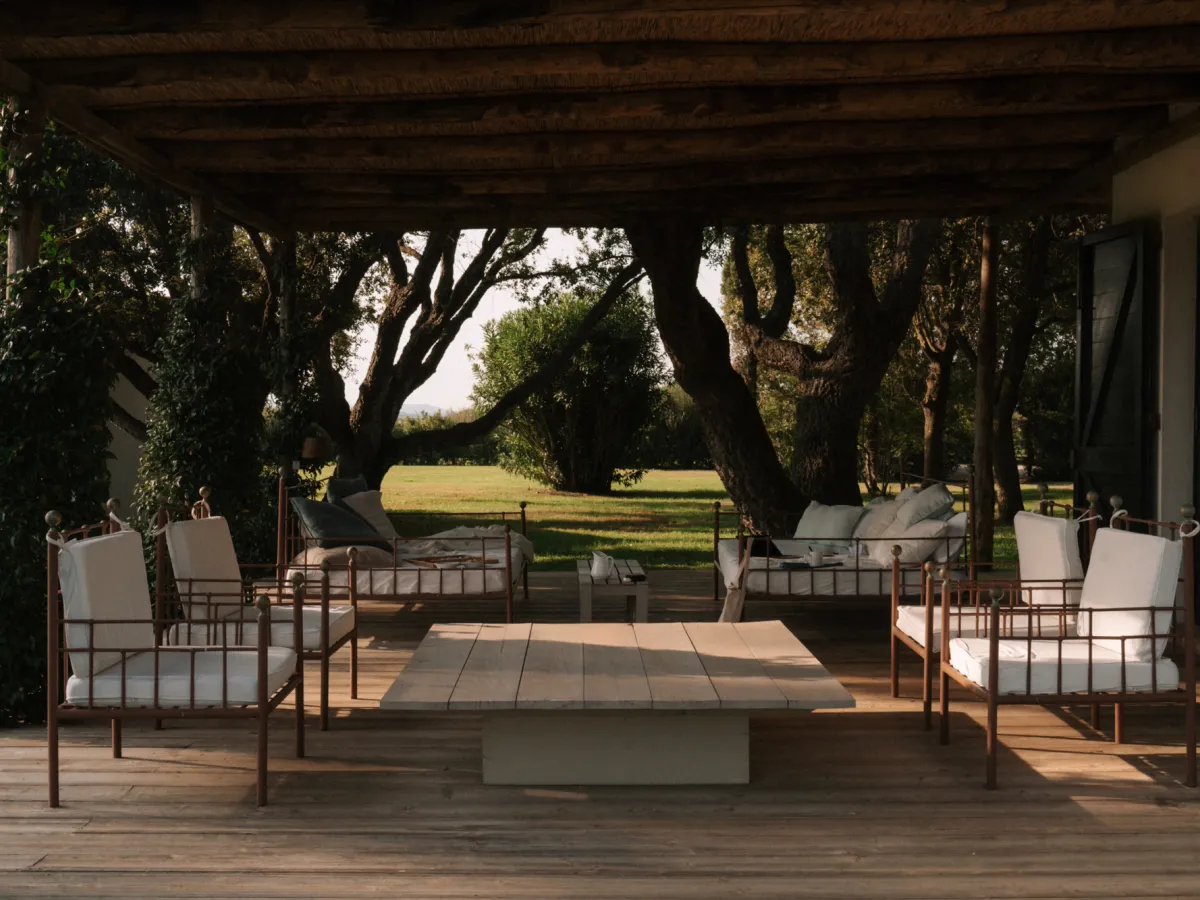
At Terre di Sacra, the choice between countryside and coast is deliciously unnecessary. Set in the rugged sweep of southern Maremma, where pastureland rolls towards the Tyrrhenian Sea and Lake Burano shimmers beyond the dunes, this is a living, breathing ecosystem. A nostalgia-inducing place of vine-clad villas, rural cottages, beach tents, cattle-herding horsemen, impromptu fishing trips, family memories and shared tables where, as one of the owners, Margherita Puri Negri puts it, there is “always room for one more chair.”
Margherita is the fourth generation of her family to care for this vast, varied and ever-evolving estate where guests can bed down under canvas, in wood-wrapped lodges or beneath the beams of old farm outhouses. “I grew up coming here on holiday with my family,” she says. “It went from my childhood playground to my workplace.” Interestingly though, this transition was never inevitable. She studied international relations, lived in London, China, Switzerland and the States, and imagined a life abroad. “I didn’t think I was going to end up taking care of this place. I’m so happy I am – but it wasn’t the plan.” Yet Italy called her home, “I’m grateful I left, because it made me understand what this place really means.”
Rewind just over a century, and Terre di Sacra began as an agricultural experiment of sorts. Founded in 1922 by a group of pioneering landowners – one of Margherita’s ancestors among them – the estate once stretched across 9,000 hectares, its purpose rooted in cereal farming, livestock, coal production and lake fishing. The surrounding territory was marshy and all but inhospitable, before drainage systems were engineered, canals carved, and the territory redeemed. The family made a defining decision in the 1960s to end hunting on their land, despite the financial loss. Instead, they partnered with the World Wide Fund for Nature to create the WWF Oasis of Lake Burano, Italy’s first WWF reserve, established in 1967.
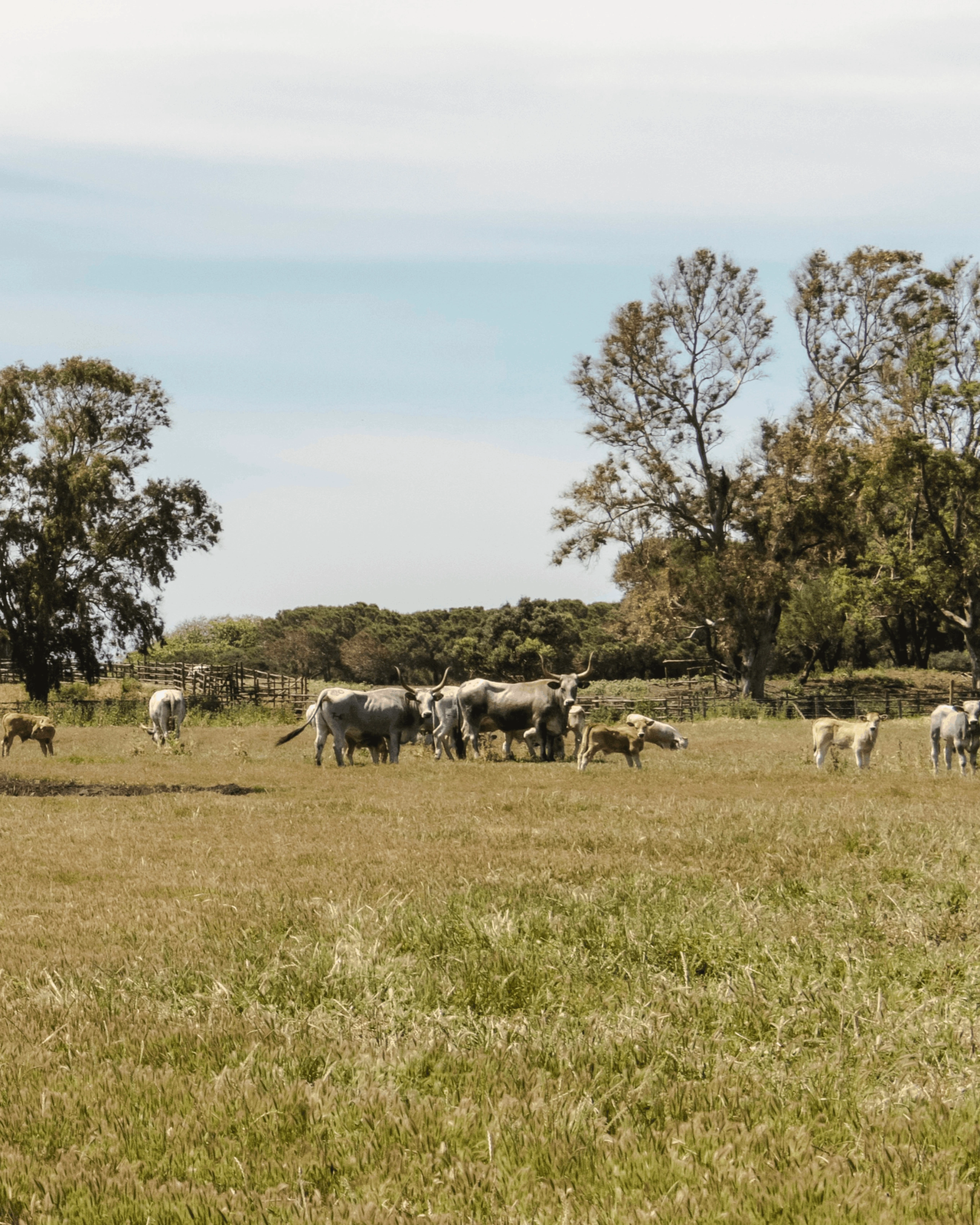
A strong respect for nature is embedded in Terre di Sacra’s essence. It is still a working organic farm, producing olive oil, honey and raising Maremma cattle – a robust, semi-wild breed that has roamed this terrain for more than a century. “We choose to continue farming because it keeps the land alive,” explains Margherita, whose parents first moved into one of the villas and began renting the surrounding houses to friends on long lets. “Everything here has evolved very slowly – it’s never been forced,” she explains. Today, the estate has a diverse mix of places to stay, all with access to the same generous services. Alongside the hotel itself, long lets still exist, while short stays begin at a week. “The reserve has grown step by step,” adds Margherita.
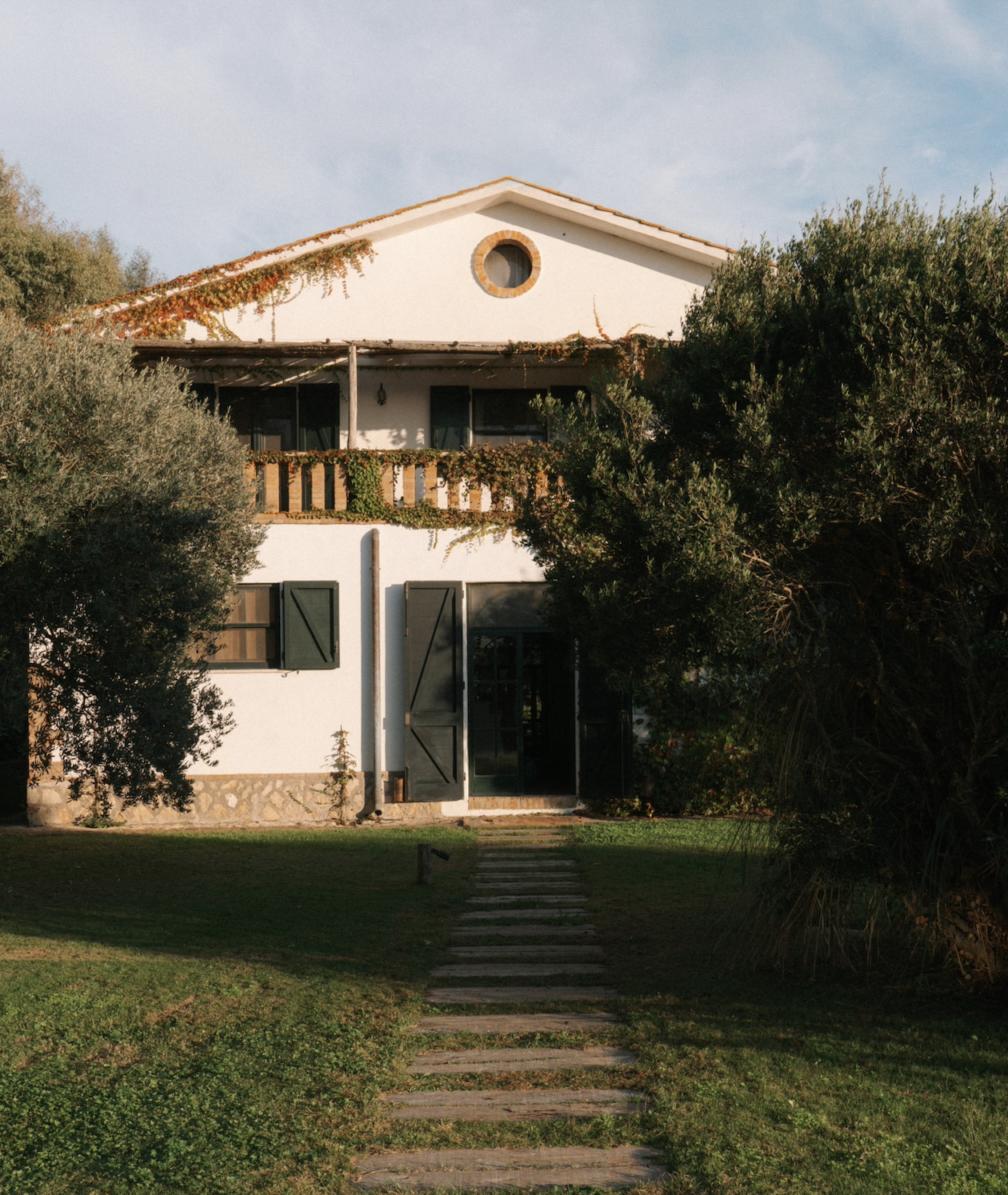
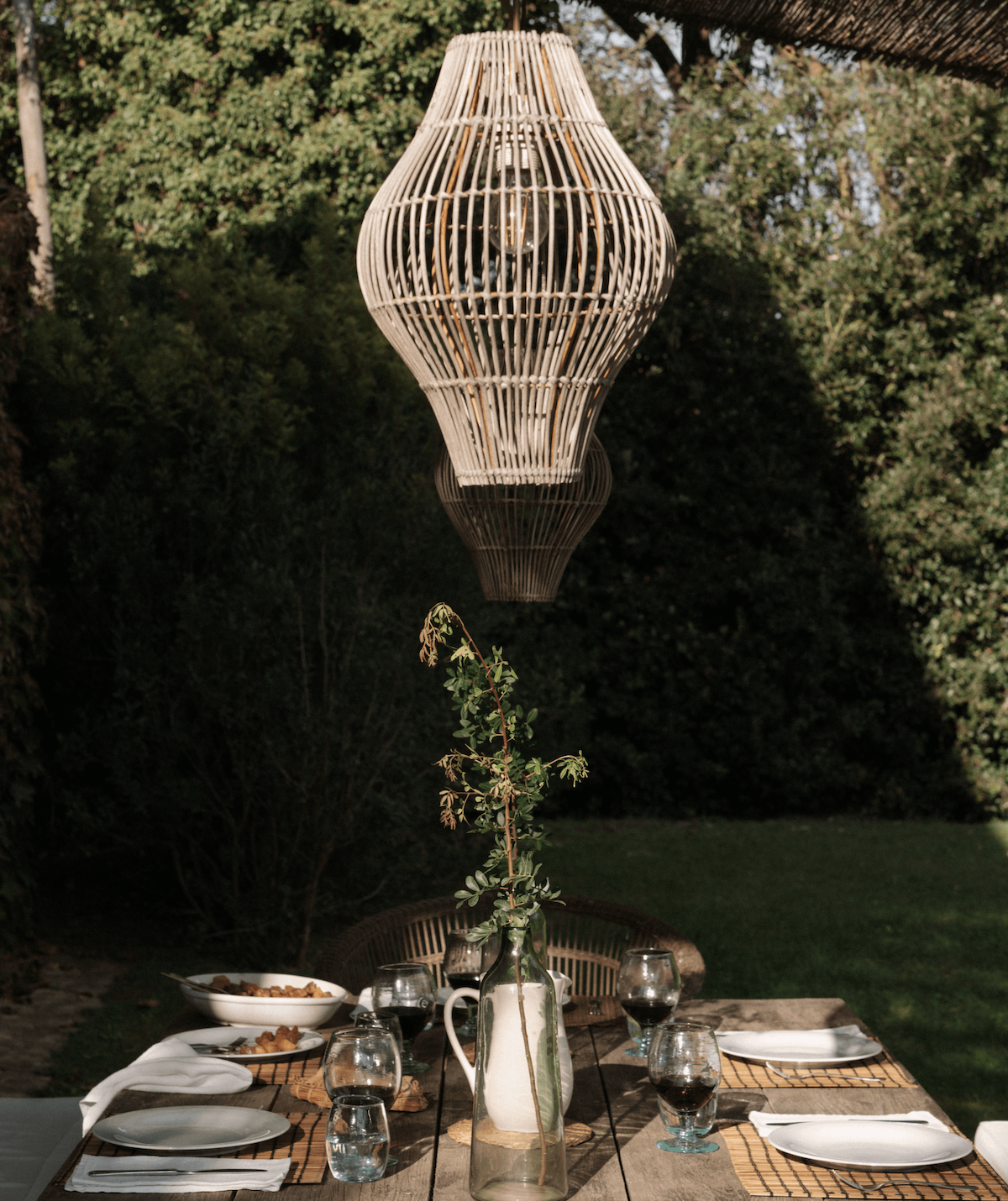
The villas tell their own stories, preserving the spirit of the estate’s farming life. In one, agricultural machinery was once housed beneath the arches guests now take their breakfast beneath; the living room was a stable, the dining room where tractors came in with hay. Opposite, an old piggery is now a double-bedroom guesthouse, with beautiful beams and original stonework.
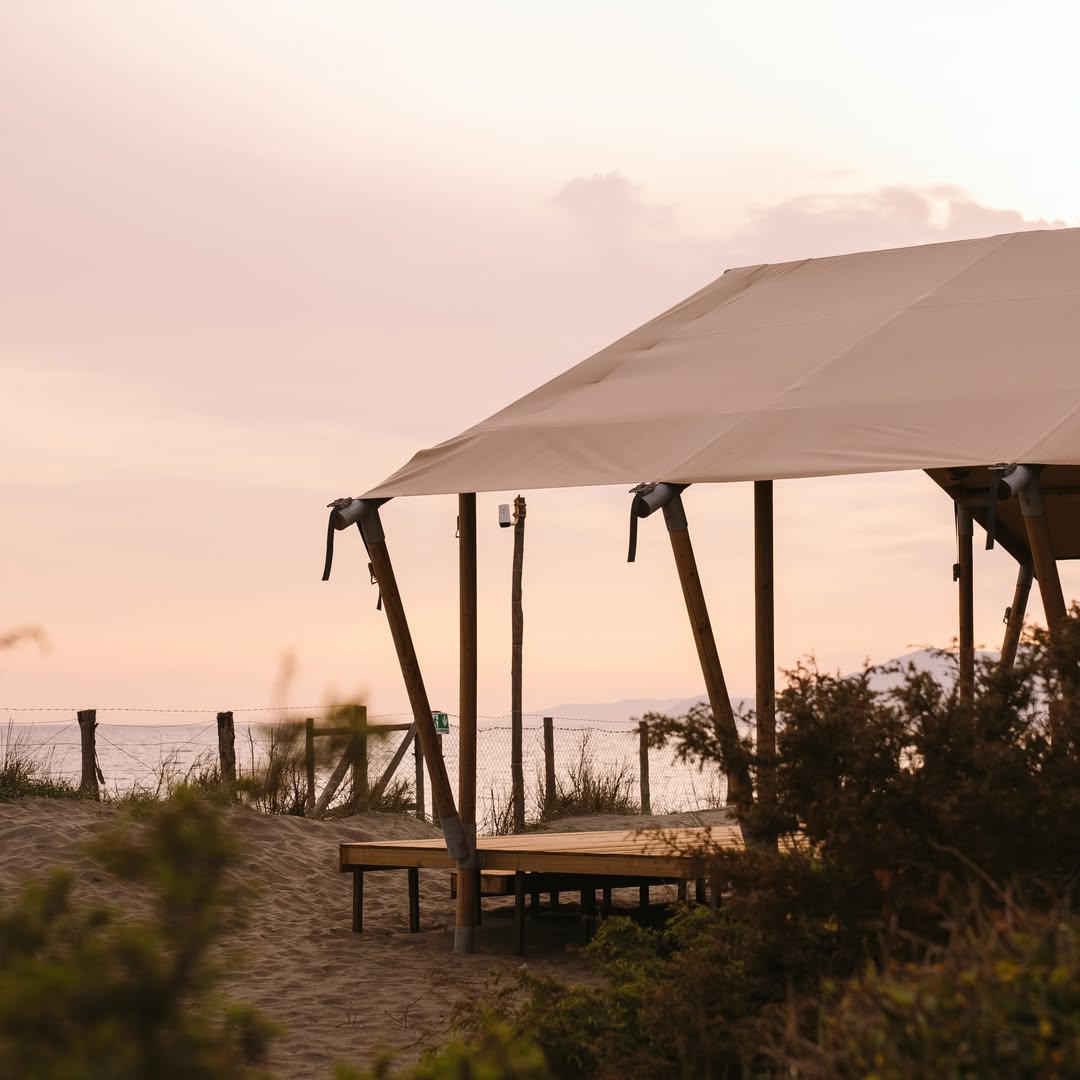
The tents were introduced by her father, Carlo, who saw potential in an existing camping site that deserved something more atmospheric than caravans and concrete. Now, each tent is kitted out with WiFi and creature comforts, and breakfast can be delivered to your canvas-swathed room on request. If the estate’s vision is largely attributed to Margherita’s father, its aesthetic and cultural identity belongs just as much to her mother, Giulia. With a background in art and a history of founding cultural projects in Milan, Giulia brings an intuitive, curatorial eye to Terre di Sacra.
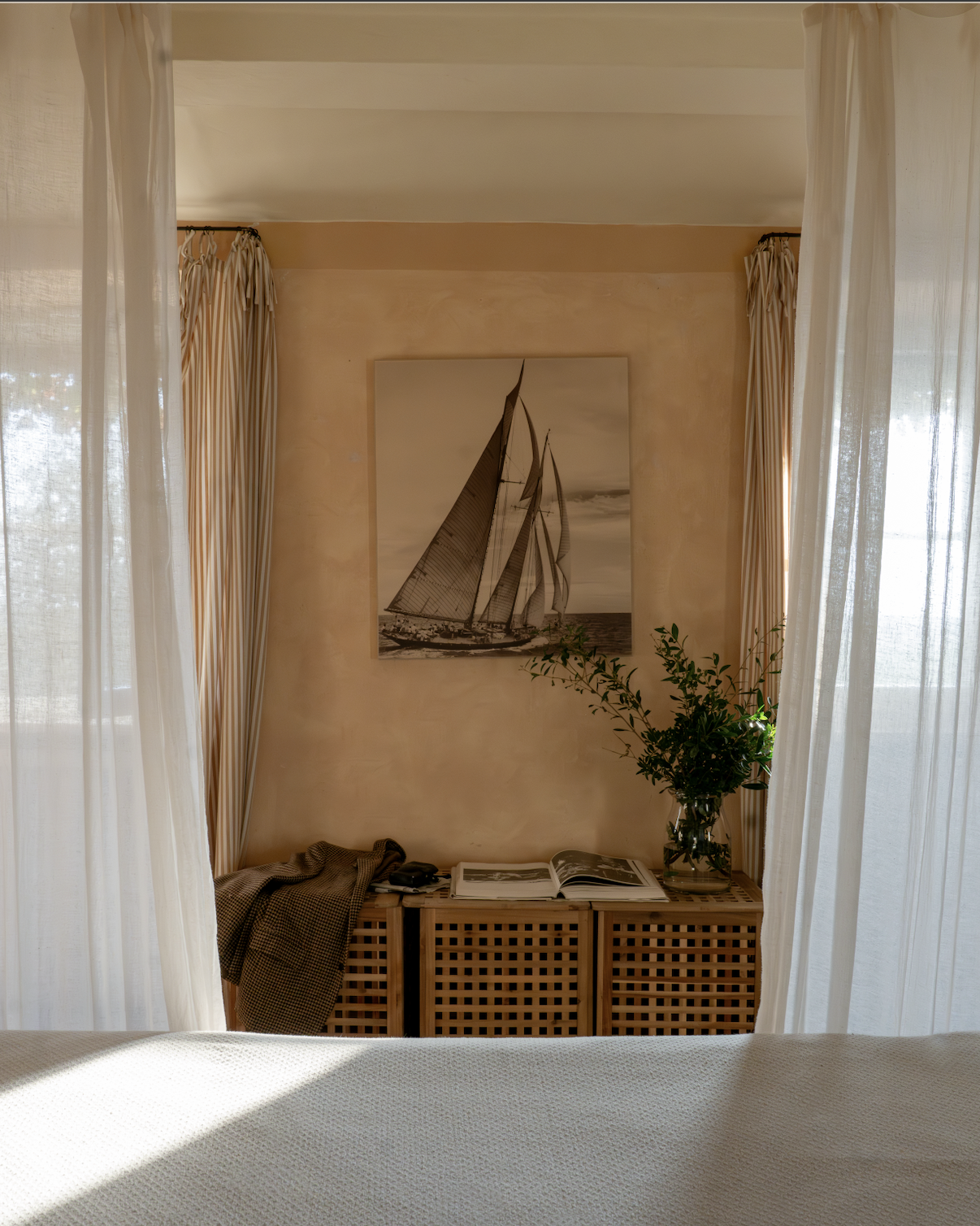
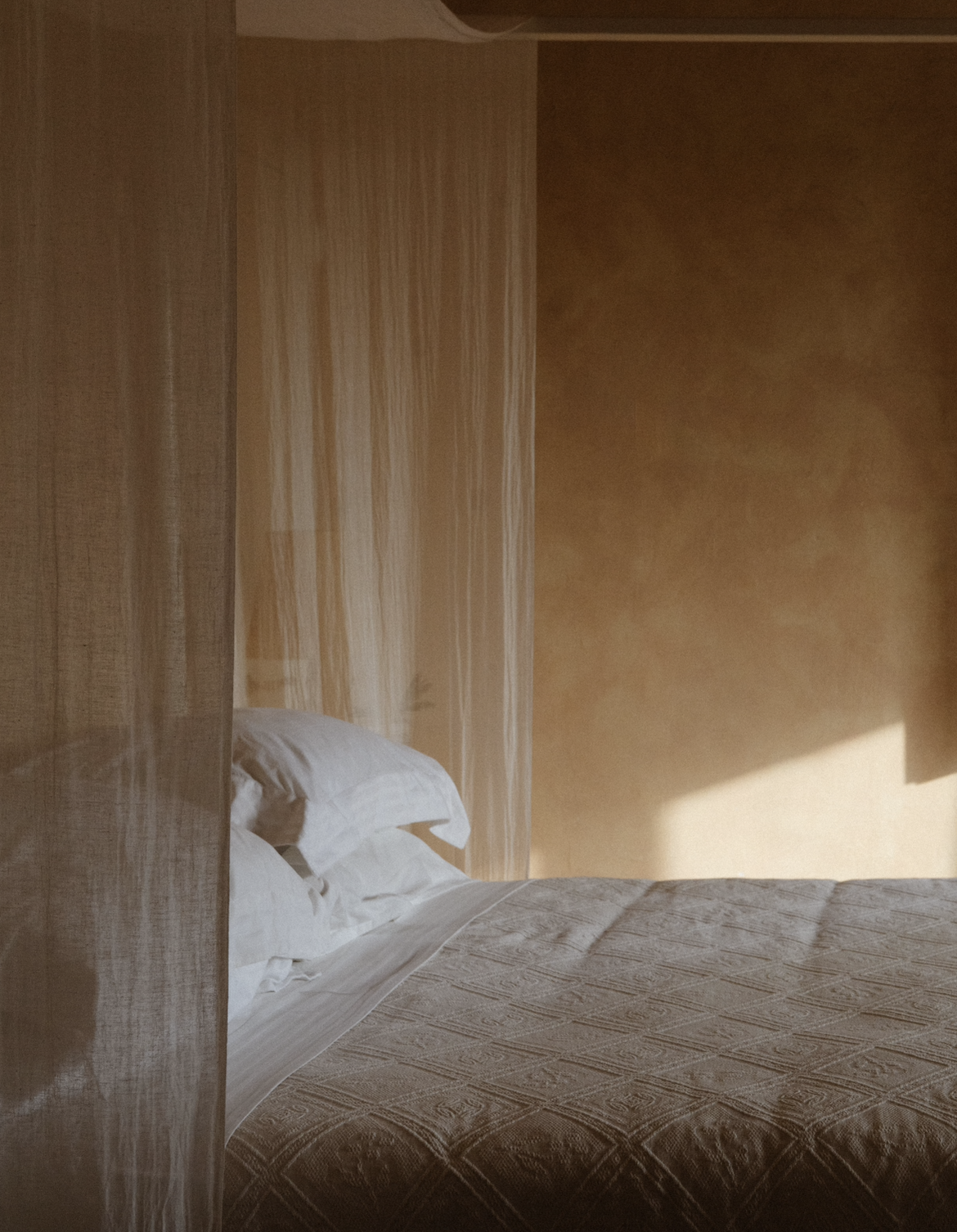
Her interiors are a reflection of the natural beauty outside, pulling a palette of sand, sea and sky together with coastal stripes and billowing linens – each house slightly different, shaped over time by the friends who lived in them. Under Giulia’s guidance, art installations began to appear organically across the nature reserve, from neon works in open fields to sculptural interventions which now form part of an annual, open-air contemporary art festival, Hypermaremma.
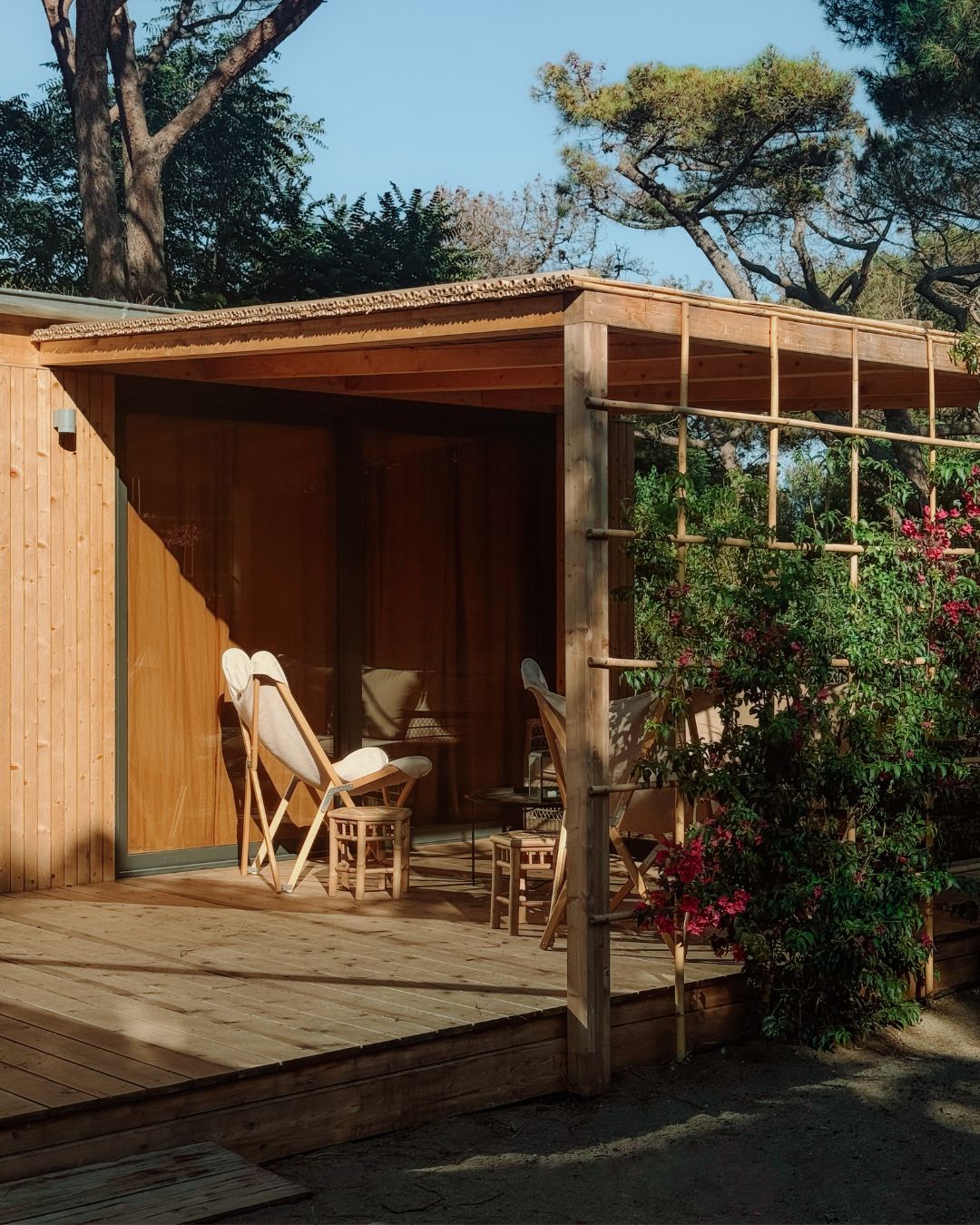
The lodges, also styled by Giulia and now in their third summer, feel like refined cabins completely cocooned in the sun-dappled landscape: wood-panelled, self-catering, with clever boat-like sinks tucked into the kitchenette, and en-suite bedrooms – some with outdoor showers and metallic bathtubs for rinsing off salt and dust beneath the star-strewn sky. They work wonderfully for families or friends travelling together, especially those who want independence without forfeiting ease.
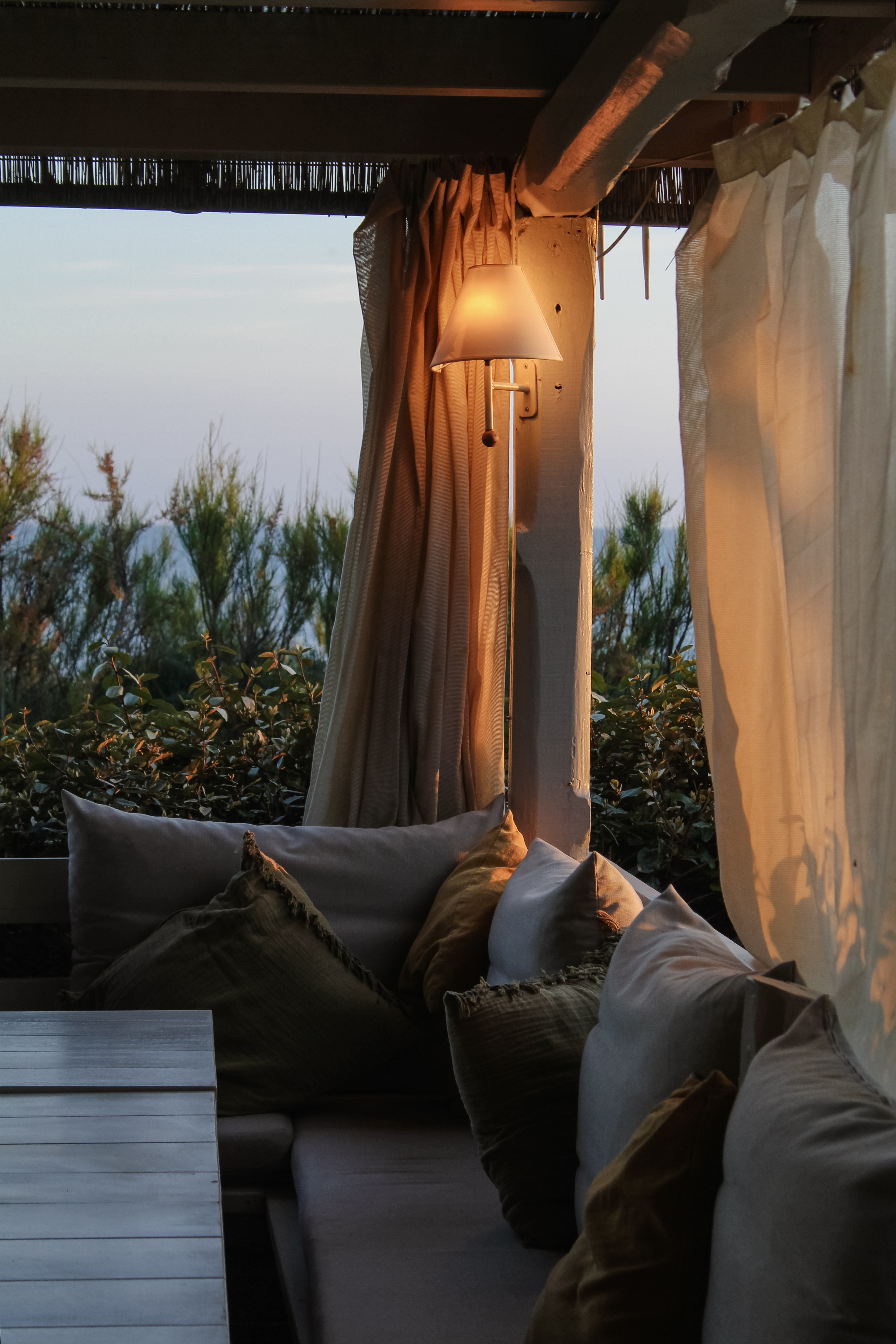
Ease is exactly the point, here. This season, there is a newly installed yoga deck where a resident instructor will lead alfresco classes, and private sessions can be booked on your terrace. Freshly installed padel, pickleball, and tennis courts round out the reimagined recreation centre. At La Dogana Beach Club, tamarisk trees are planted as natural partitions between loungers, creating leafy pockets of privacy; food and drinks arrive directly to your sunbed, and the space is gently divided between adults and children. It means days can be split rather than swallowed whole by the beach: a morning horse-ride, a long lunch, an afternoon swim, yoga at dusk. Life here isn’t fixed to a single season or time of year. It expands and contracts with the landscape – juniper and myrtle in bloom, migrating birds passing through the lagoon, cattle moving across the pasture, dunes shifting with the coastal winds.
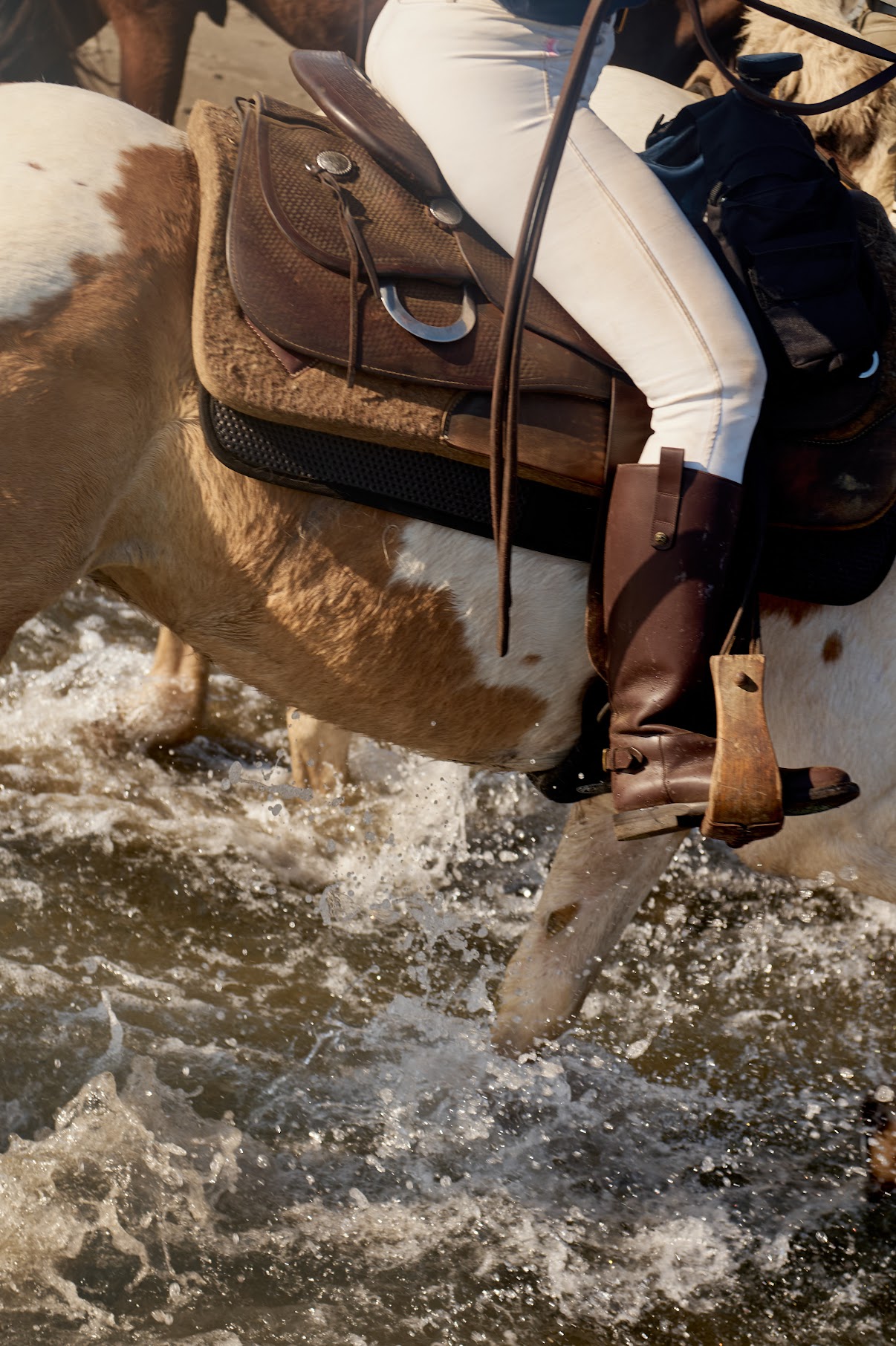
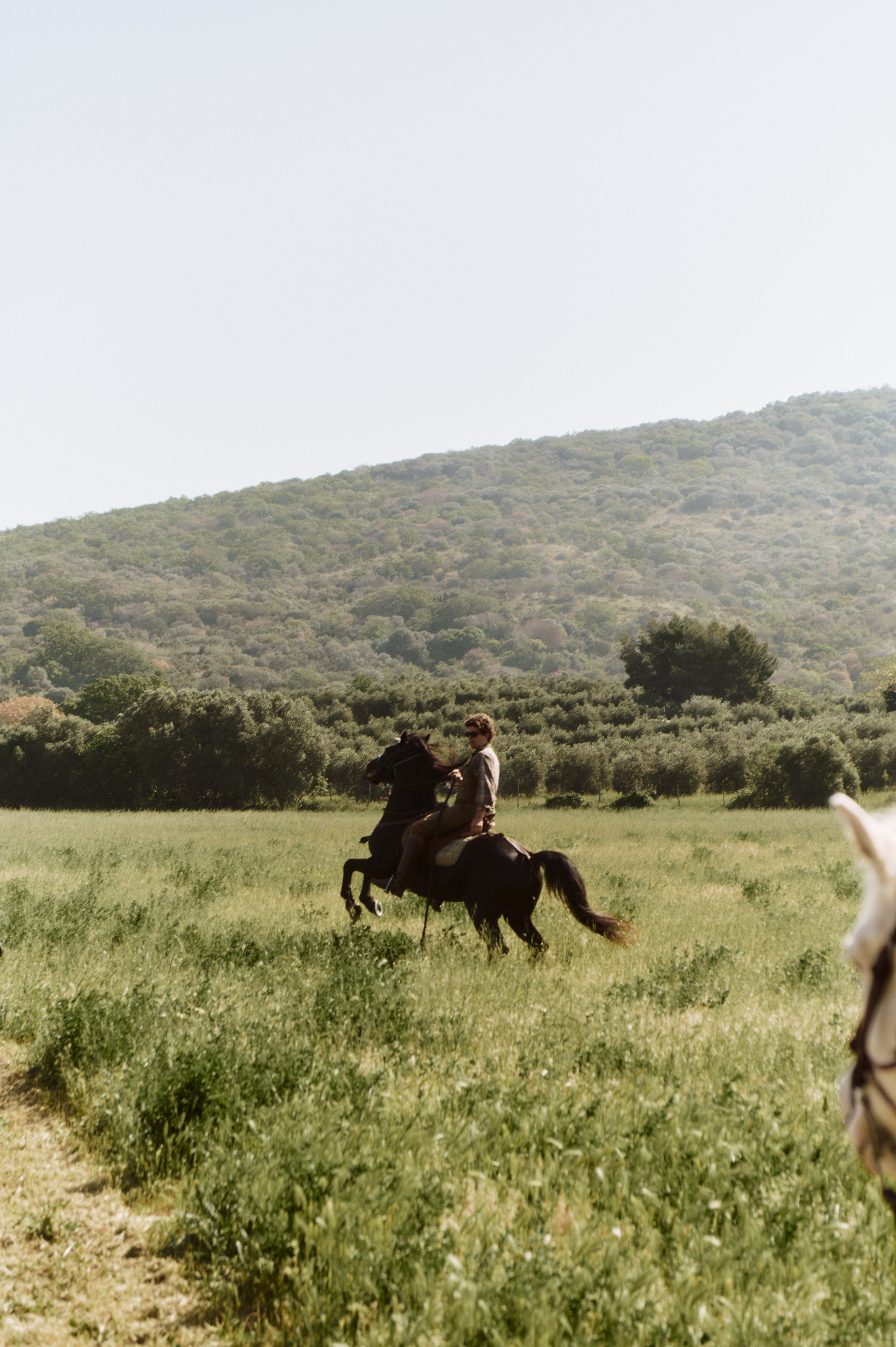
While reminiscing on some of her fondest childhood memories of her parents returning at sunset on horseback or bundling the children up into the saddle to reach the beach, Margherita reveals, “horses have always been part of the DNA here”. A recent collaboration with Riding Safari Club, and butteri Moreno and Alberto, the estate’s long-standing horseman and herder, is a portal into authentic Maremma: one of long-horned cattle, whistle-trained horses, and handcrafted saddles. From the back of Prisco, a huge working horse still thrilled by the job, you help press cattle through the fields, following the butteri cues as the horses do most of the clever work beneath you. Later, the ride might turn towards Lake Burano, over golden dunes and fragrant macchia shrubland, beforeswimming in the sea with the horses to cool them off.
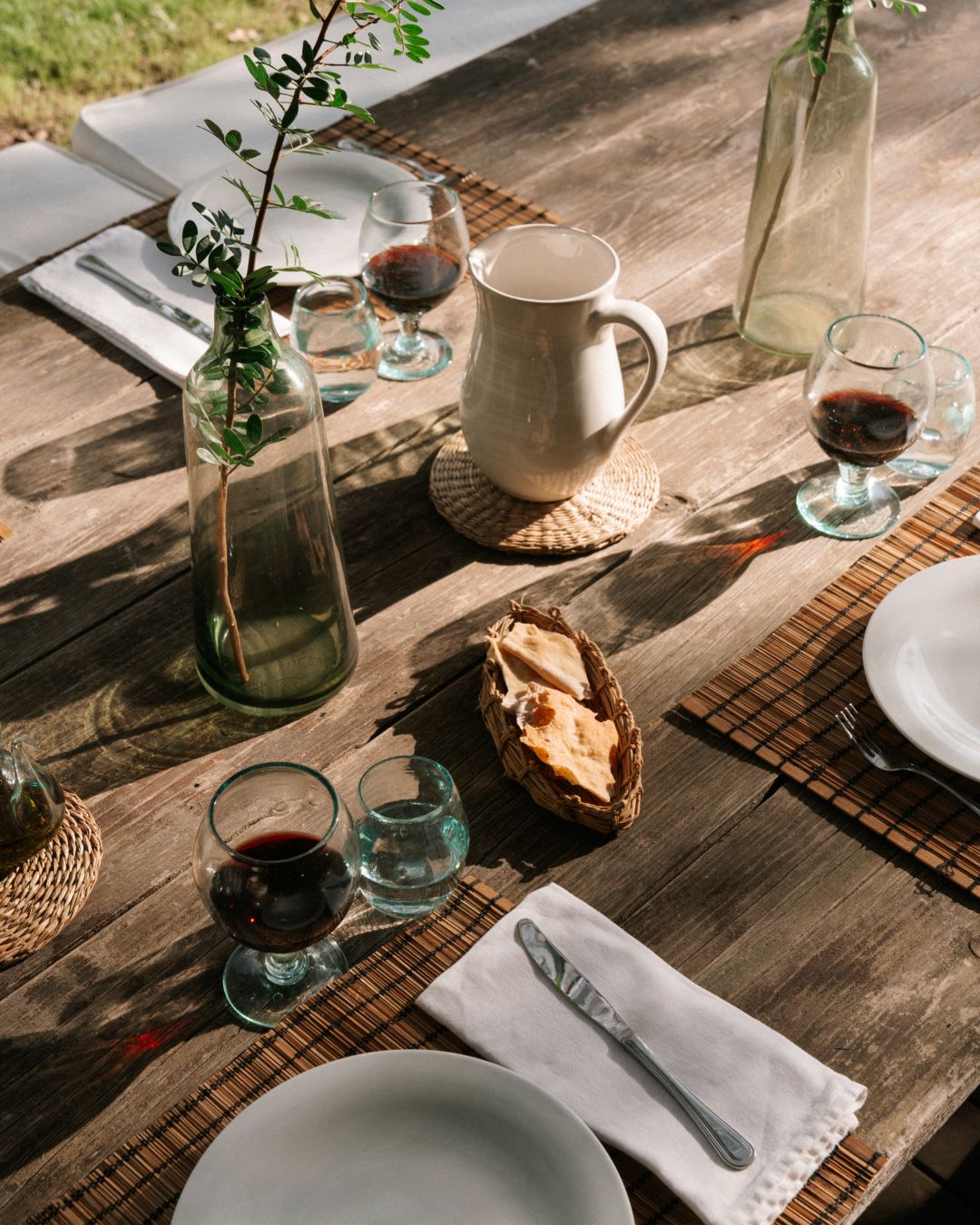
Lunch is laid out on long tables in the lakeside grounds of the historic Buranaccio Tower, the southernmost watchtower on Tuscany’s Tyrrhenian Coast, dating back to the 16th century. This is the same spot where Margherita’s family have gathered for picnics over the years, the set-up intentionally unchanged, familial and unfussy.
That, perhaps, is Terre di Sacra’s enduring magic. “This place has become our heart,” muses Margherita. “We want to share it with people we love.” It operates less like a hotel and more like a lived-in landscape, where residents slot into an existing rhythm rather than having one created for them. “I hope guests feel an immediate sense of belonging,” she continues, “between the sea, the land, and time shared with family and friends”. It’s a version of Tuscany that feels distinctly its own, a setting that is actively farmed, protected and properly lived in. And ultimately, still very much wild.
Chloe Frost-Smith
Having swapped hieroglyphics for luxury hotels, Chloe Frost-Smith is a fountain of knowledge when it comes to the most intimate, family-run hotels be it city, village or rural escape. When Chloe’s not reviewing the latest hotel opening, she’ll be stomping around the Highlands, enjoying a wildly, cold plunge or paying an ode to her childhood spent on horseback in the paddy fields around Mount Fuji. Now how’s that for an adventurous spirit! We’ll turn to Chloe for her epic Scotland-based encyclopaedia of walks, pastry spots — Lannan’s cardamom buns a firm favourite — and for her endless, tantalising tales of Nordic magic.