a gloobles guide to the Cotswolds
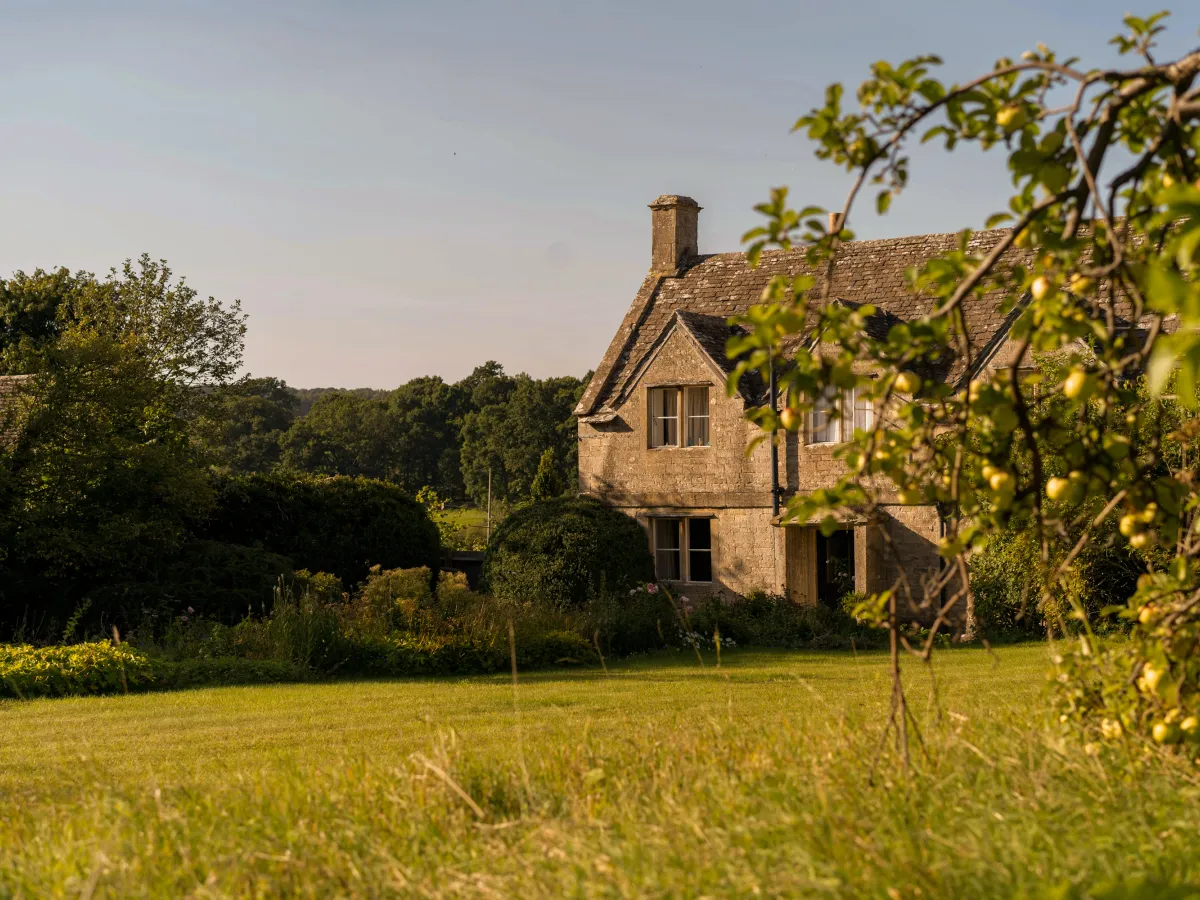
It’s the land of honey stone and pastoral plains, where six counties, from Gloucestershire to Oxfordshire, see their muddled boundaries marked with farm gates and blackbird-filled hedgerows. The Cotswolds, the name for this part of England’s pretty rolling hills, doesn’t really do labels, resisting easy categorisation. There is the fantasy of neatly trimmed village greens and charming cottages, which do exist in spades. Just look at the churches – standing tall, showing off the region’s successful woolly past – their grandeur a mark of historical sheep trades. And the imposing estates and heritage houses: Asthall Manor and its Mitford sister stories, Kiftsgate with its roses, Chastleton for Wolf Hall wonderment. But it’s also a place where medieval market towns move with modern life. Where smart country pubs dish up London-level menus and city folk in waxed jackets bump elbows with locals over a pint.
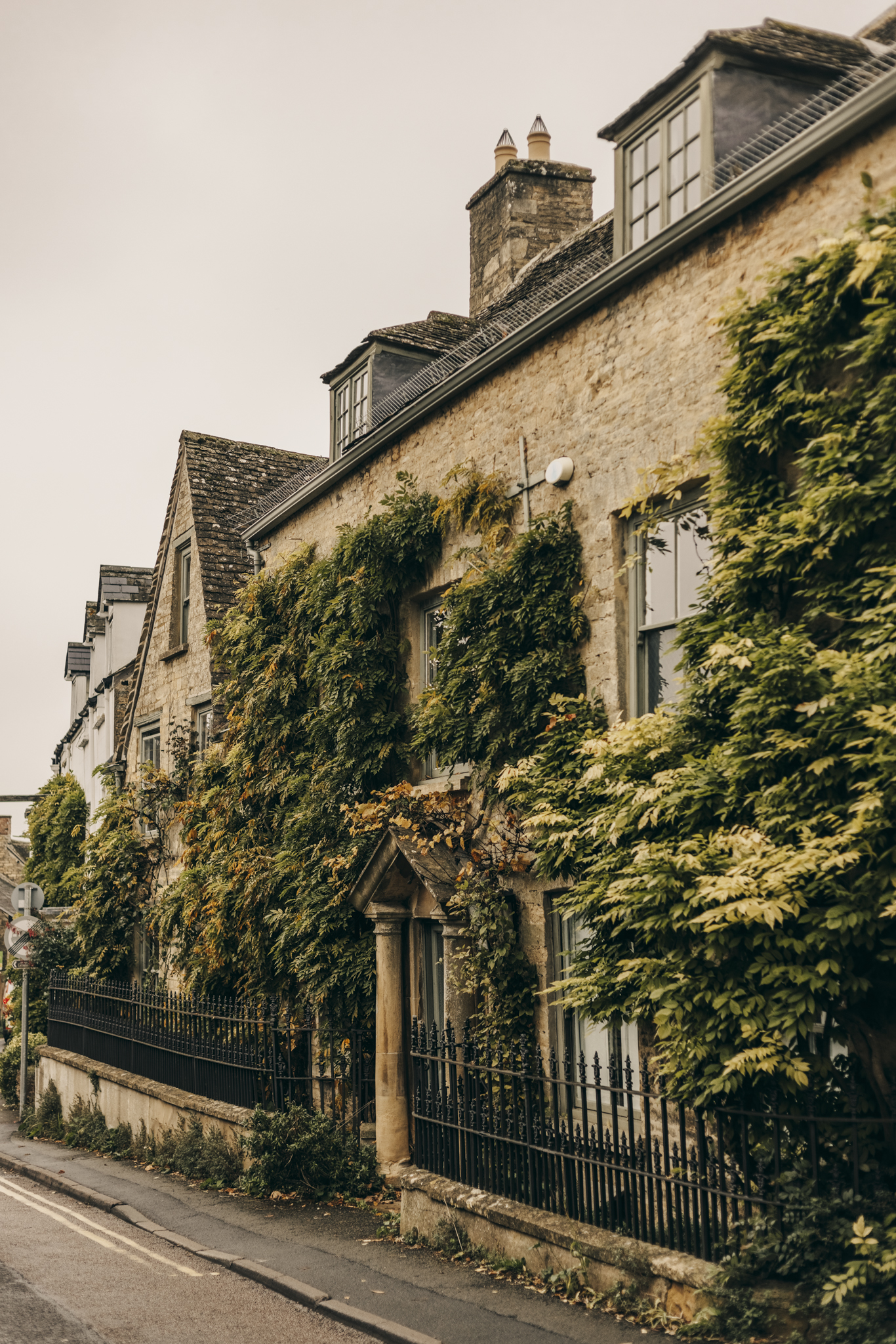
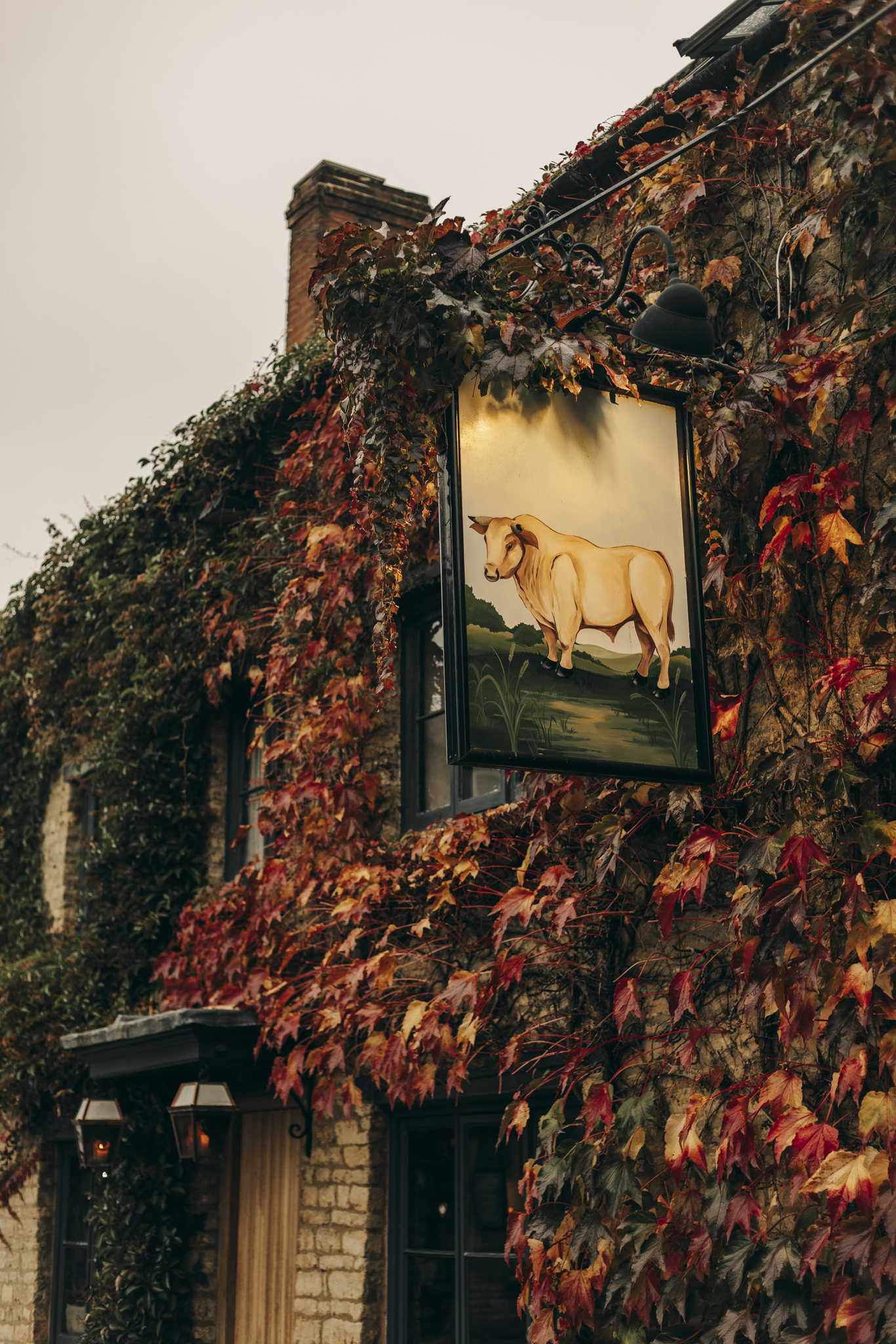
A good starting point – bearing in mind the Cotswolds is a vast playground that runs from Chipping Campden and its manicured topiary down to Bath’s Georgian streets – is Charlbury. The unassuming Oxfordshire town, which commuters roll into on the train, is now known for its best haunt, The Bull: a dressed-up coaching inn from whip-smart boozer collective the Public House Group (behind The Pelican and Canteen in London). It’s the usual tale – unfussy plates using ingredients grown down the road – but the vibe is truly excellent and locals are annoyed that everyone seems to have caught on to just how good the rabbit and leek pie is.
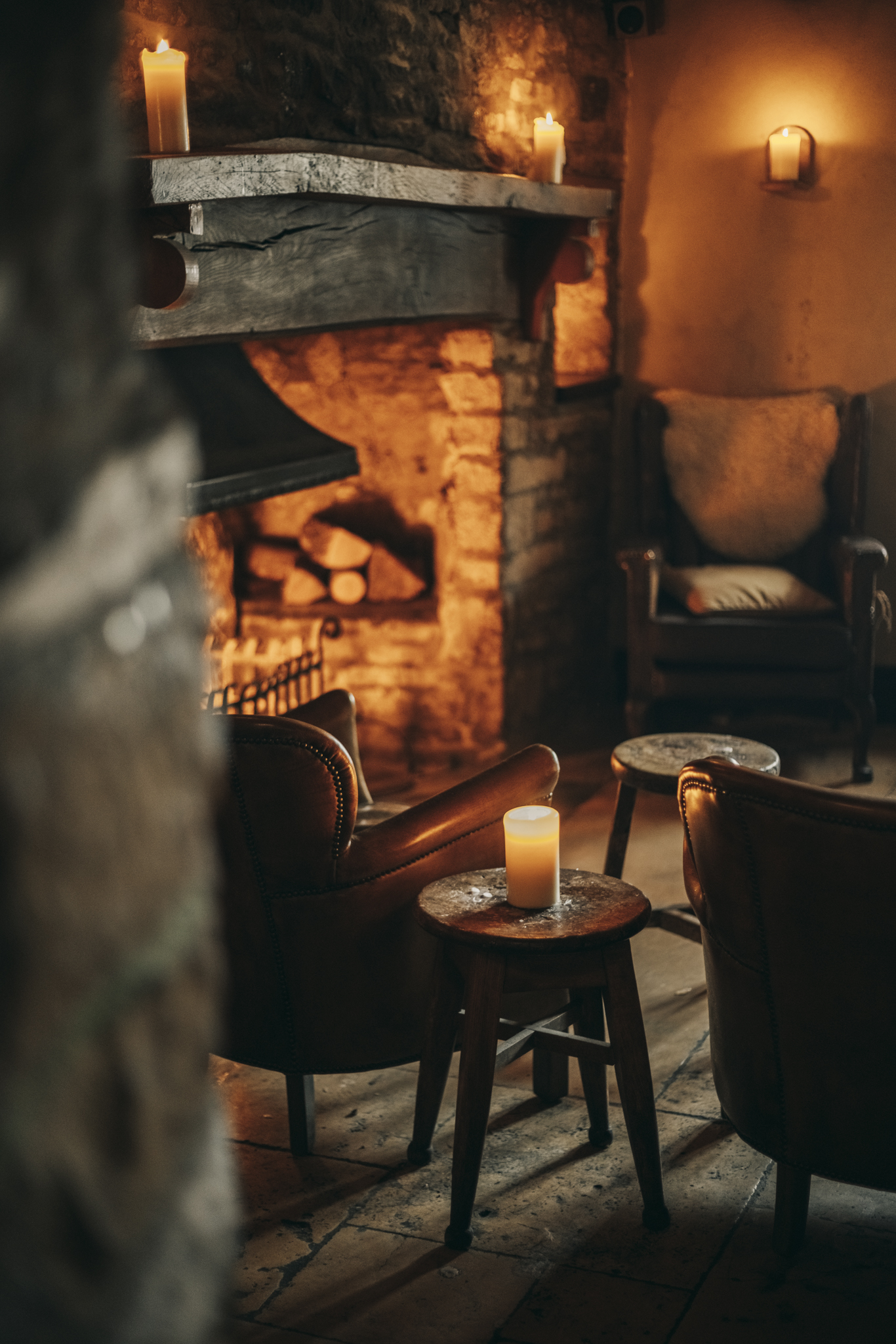
For something a little more under the radar, neighbourhood bottle shop Chloe’s is the table to book, serving homespun suppers on Thursdays and Fridays. A little further afield is Worton Kitchen Garden. Here, Simon Spence and his daughter Bea have created a farm-to-table greenhouse with the most seasonal and delicious dining room west of Oxford. Sip homemade drinking vinegar alongside blackboard menu hits including melanzane alla Parmigiana and crispy duck salad. It’s hard to resist pink fronds of forced rhubarb from the farm shop on the way out.
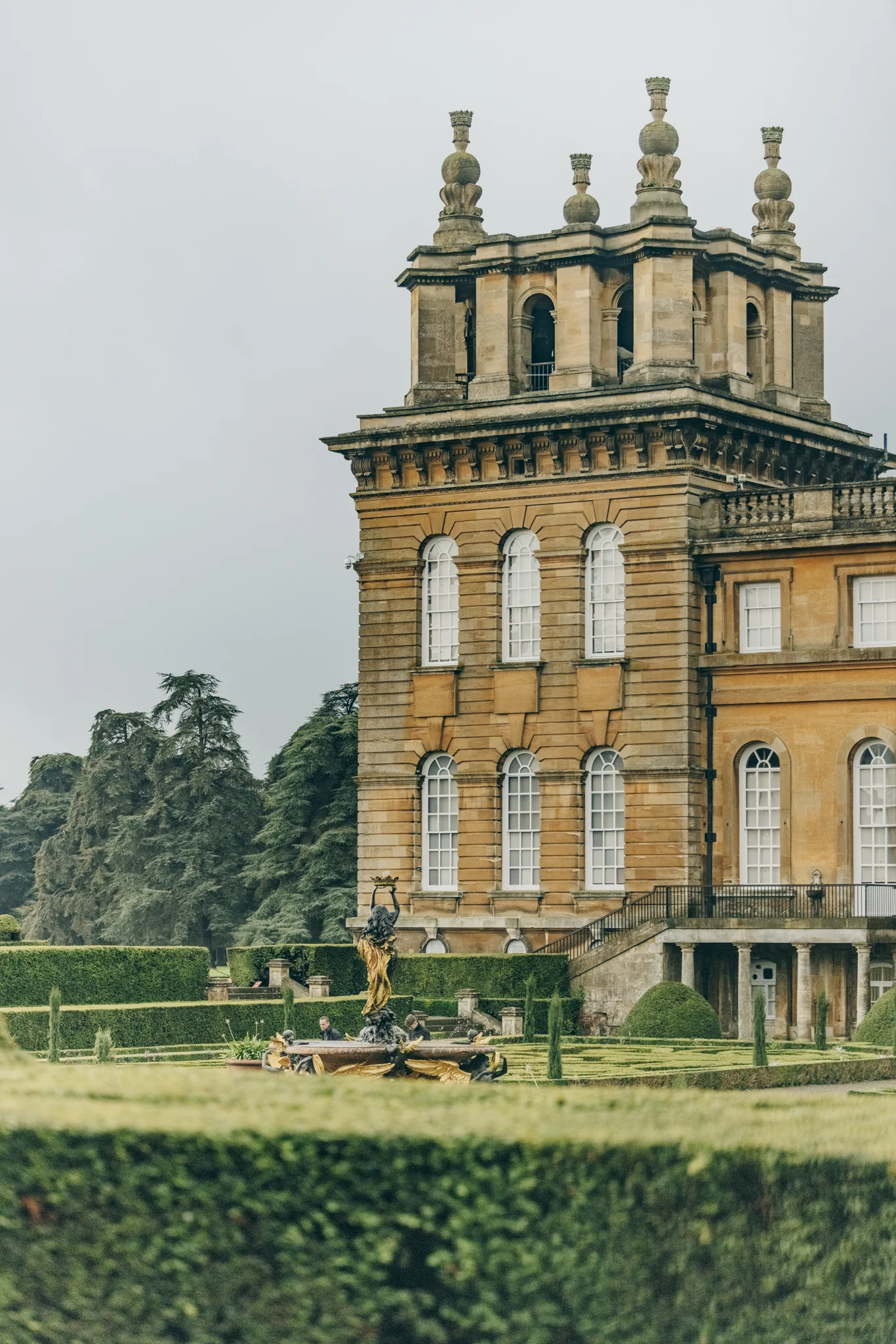
Towards Oxford, Blenheim Palace is as over-the-top as Giffords Circus (the roll-up roll-up family show that pitches up in the grounds once a year) – a Baroque fever dream set against Capability Brown’s perfectly staged landscapes. But Rousham is the real insider move. No tea shop, no ticketed till, just an 18th-century garden by designer William Kent with poetic sightlines and statues lurking near ha-has. Then there’s Stow-on-the-Wold, which feels straight out of a novel – and that’s probably because it is. The ancient yew-framed door at St Edward’s Church is said to have inspired Tolkien’s Doors of Durin in The Lord of the Rings. The town itself toes the line between old- world charm and up and coming. Sweet homeware and lifestyle stores include Domestic Science, with its beautifully edited mix of vintage lithographs and tomato-scented candles, and The Curated Store for rotating maker spotlights. Wine bar The Cellar and bottle shop Off the Square wouldn’t be out of place in Hackney, and coffee spots serving matcha sit comfortably alongside centuries-old inns and antiques dealers with impeccable taste.
Chocolate-box Burford, bang in the middle of the Cotswolds, has a view from the top of the High Street that stretches past wrought- iron shop signs and mullioned windows. PR chief Matthew Freud is in part responsible for the town’s quiet polish – spot Antony Gormley’s cast-iron sculptures in his garden when he opens it in the winter turnover for sightings of snowdrops in their swarms. Art enthusiasts flock to his pub with rooms, another Bull, for a peep at Bacons, Banksys and Basquiats. Burford Garden Centre is the place to stock up on David Austin blooms, kilim rugs and Fair Isle knits. From here, it’s just an hour’s walk across a marshy meadow to the tiny but completely sweet village of Asthall. Nancy Mitford devotees will recognise the Jacobean manor as the source of inspiration for The Pursuit of Love. The writer is buried in nearby Swinbrook church, an equally stunning village in which to snoop. Follow up a visit with a drink and a BLT at The Swan and then a walk in nearby Batsford Arboretum where the leafy views change dramatically with each season.
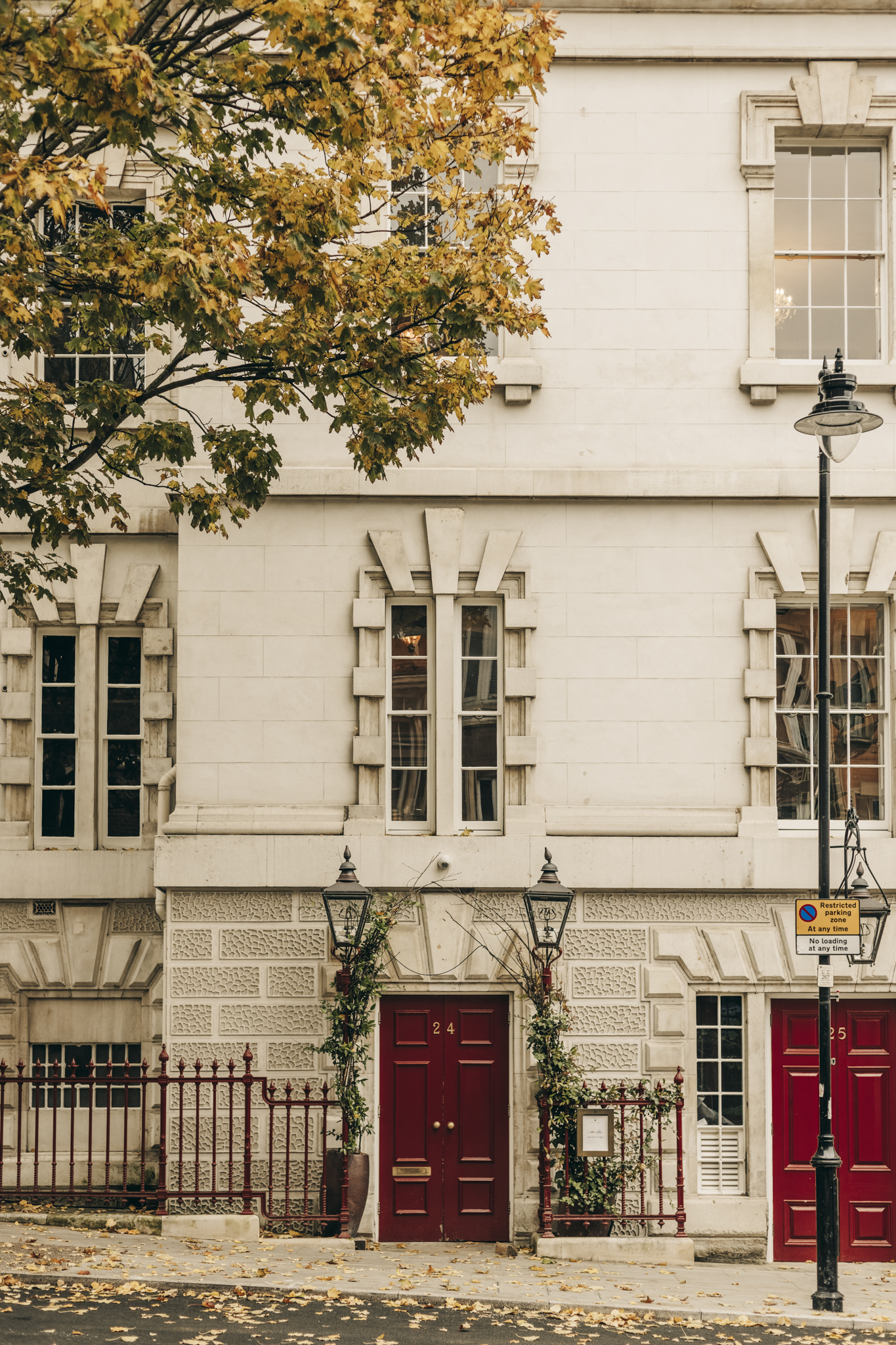
Literary ghosts abound. Slad is Laurie Lee country, a steep, snug valley, where the poet described living “like broad beans in a pod”. The Woolpack Inn, where Lee once drank, remains a proper pub: no frills, just good ale and the same sloping views that inspired him. It’s become a destination pit stop too, where locals stick to their pork scratchings and pickled eggs and out-of-towners pile in for cheeseburgers and rice pudding thick enough to hold up a spoon.
Fans will be happy to know it has a sister spot, Juliet, in groovy Stroud. Less a pub and more a European bistro with plates of shoestring fries and vermouth on tap. For those who like their countryside with a side of curation, Daylesford remains the blueprint. Farm shop, spa with gym, working farm, café: the quadfecta of dolled-up rural aspiration. It’s beloved by some, side-eyed by others, but there’s no denying its influence elsewhere. For more exceptionally well-stocked farm shops check out the smoked chicken at Upton Smokery and the marmalade-on-toast ice cream at Jolly Nice.
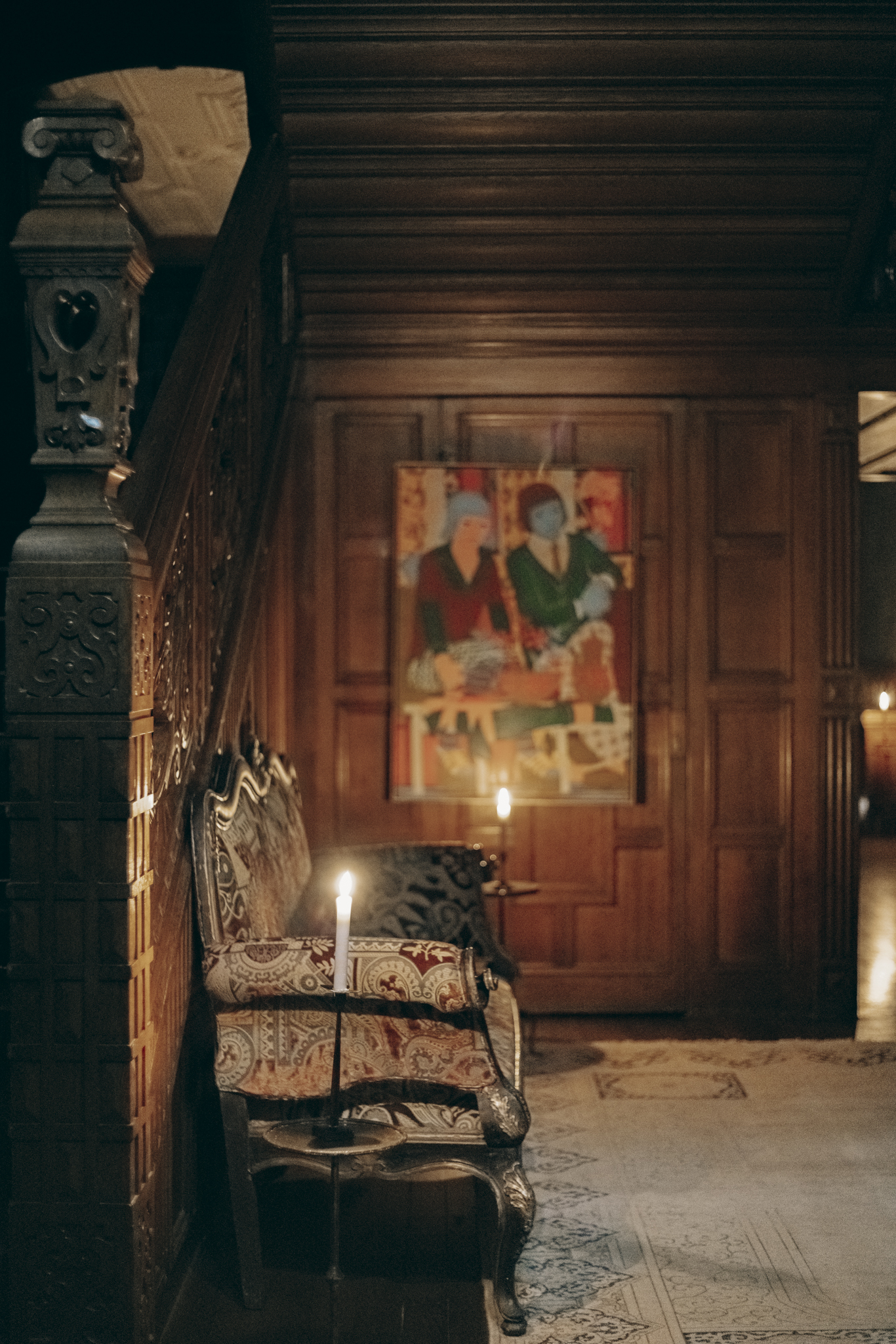
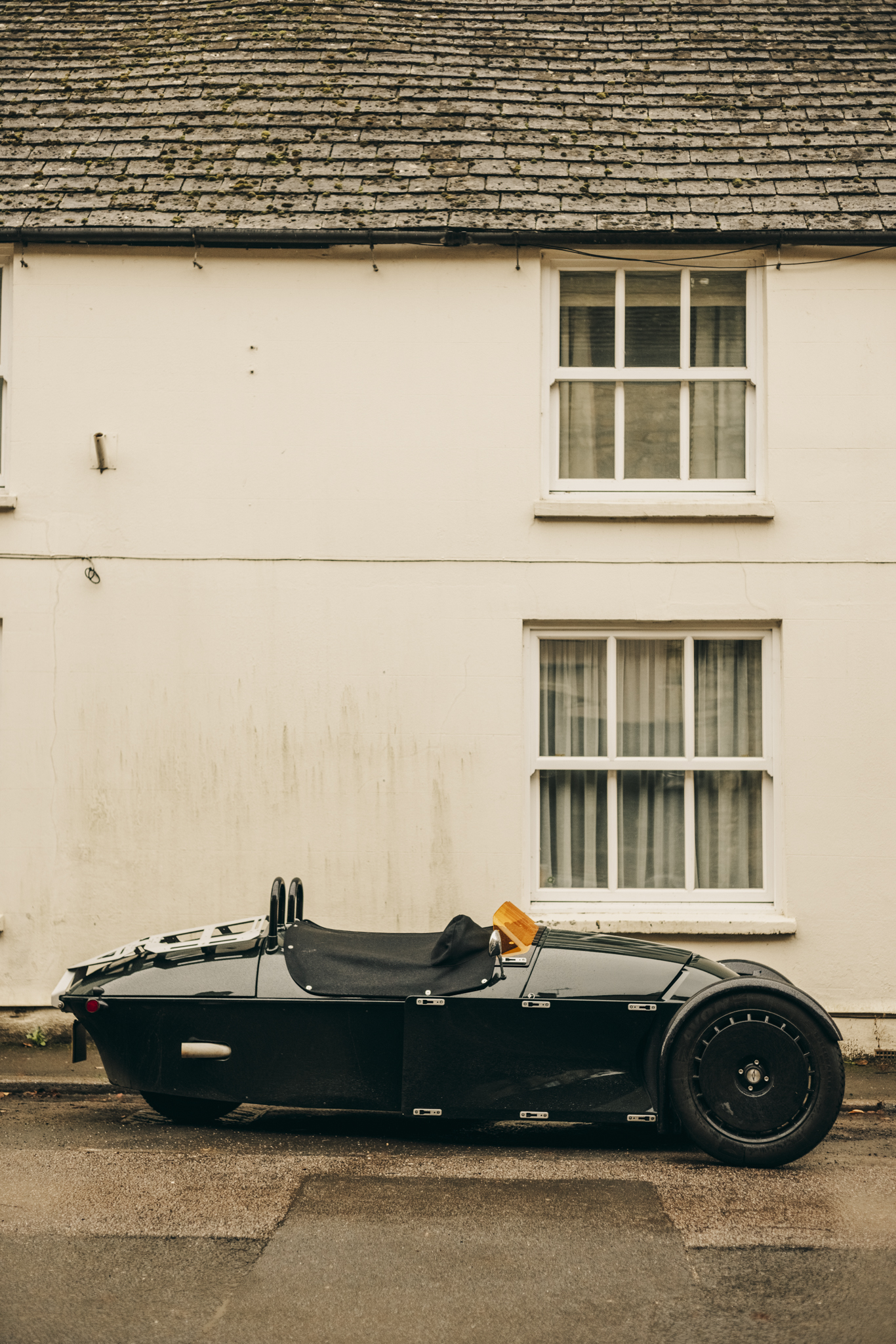
There’s a reason the Chipping Norton triangle has a social scene. This is where locals in Range Rovers speed down lanes to Soho Farmhouse for reformer Pilates followed by happy-hour Picantes or to bag their favourite poolside lounger at Estelle Manor. Beyond the polished shopfronts and crisply restored estates, the Cotswolds is a hard-working slice of rural life. Single-track roads may test the nerve of non-country drivers, but long-term residents are undeterred by the sight of a combine harvester inching forward with all the urgency of a Sunday stroll. For all the fame and fanfare this area gets, it can be easy to forget that these fields are what keep it going. No one has done more to shine a spotlight on this fact – despite his love of petrol-guzzling cars – than resident Jeremy Clarkson. His boozer, The Farmer’s Dog, serves proper British grub alongside his wildly popular Hawkstone lager. Layered, and constantly reinventing itself, the Cotswolds is a mix of grand manors, fireside pints, Brutalist pottery and out-in-the-field dining – all wrapped up in winding lanes and a golden-hour glow.
Check out more guides like this, plus all of London's best addresses in LONDON, the gloobles guide.
Katharine Sohn
Formerly at Condé Nast Traveller, Katharine has a knack for the kinds of stays you want to keep to yourself – off-radar hotels with soul and a great hotel bar (ideally one that serves a proper Negroni and has a bowl of fun matchsticks). Based in the Cotswolds but often plotting the next escape, she’s built an arsenal of low-key travel intel (think locals-only beaches in Greece, where to find real cowboys in Wyoming) and a serious Google Maps archive of stocked delis, espresso bars, and cool souvenir shops. A branding obsessive and avid film photographer, she captures her travels through the little things – swirling spaghetti, signage, linen labels – and always leaves room in her bag for the merch.