a gloobles guide to Sussex
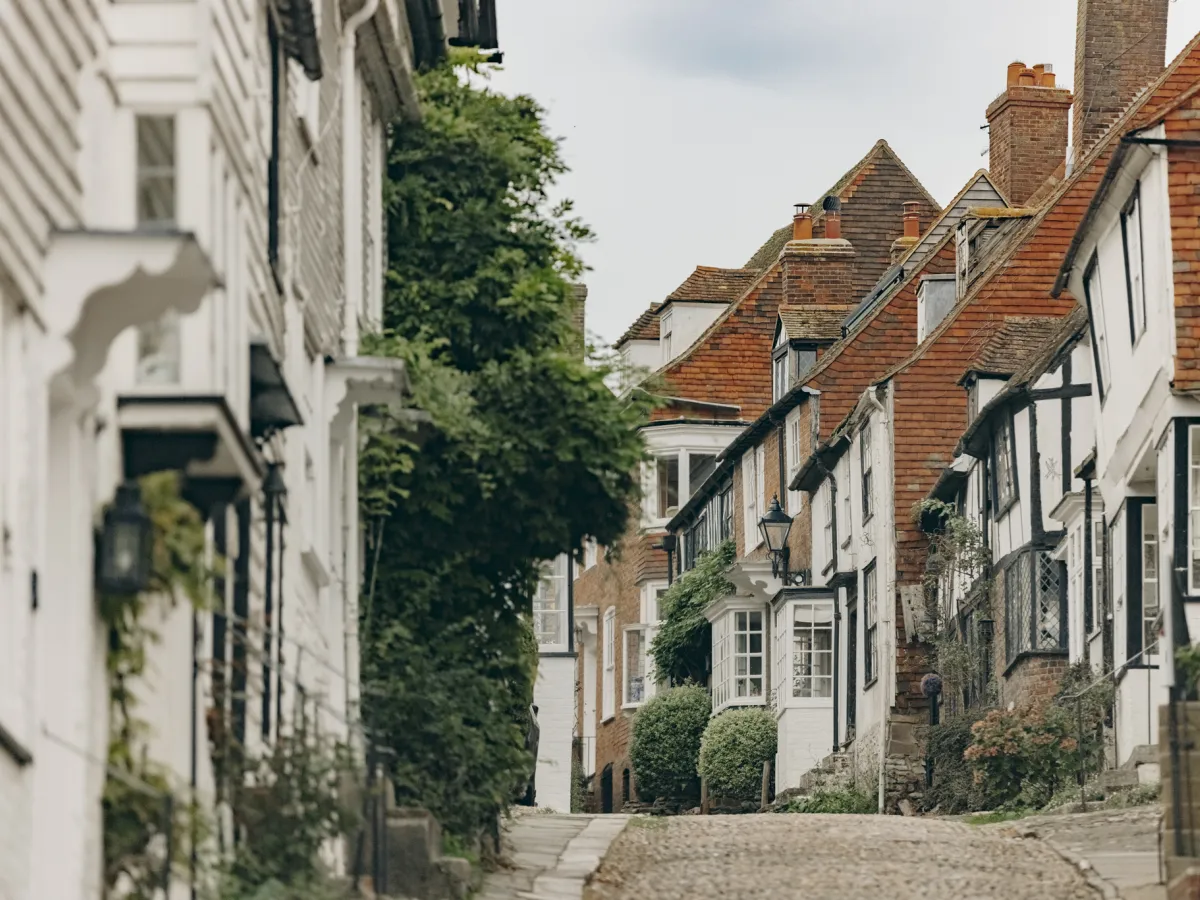
It’s baffling that Sussex – withits sharp natural beauty, bohemian spirit and commuting distance from London – isn’t overrun with weekenders. True, it’s an outdoorsy, earthy-crunchy county, as opposed to a glitzy one. But there’s an easy-going glamour to the hilltop vineyards and highbrow cultural watering holes. And the landscape can’t be topped: a spin cycle of chalk cliffs and rocky beaches, downland villages and weathered seaside towns, set against the soaring ridgelines of the South Downs National Park.
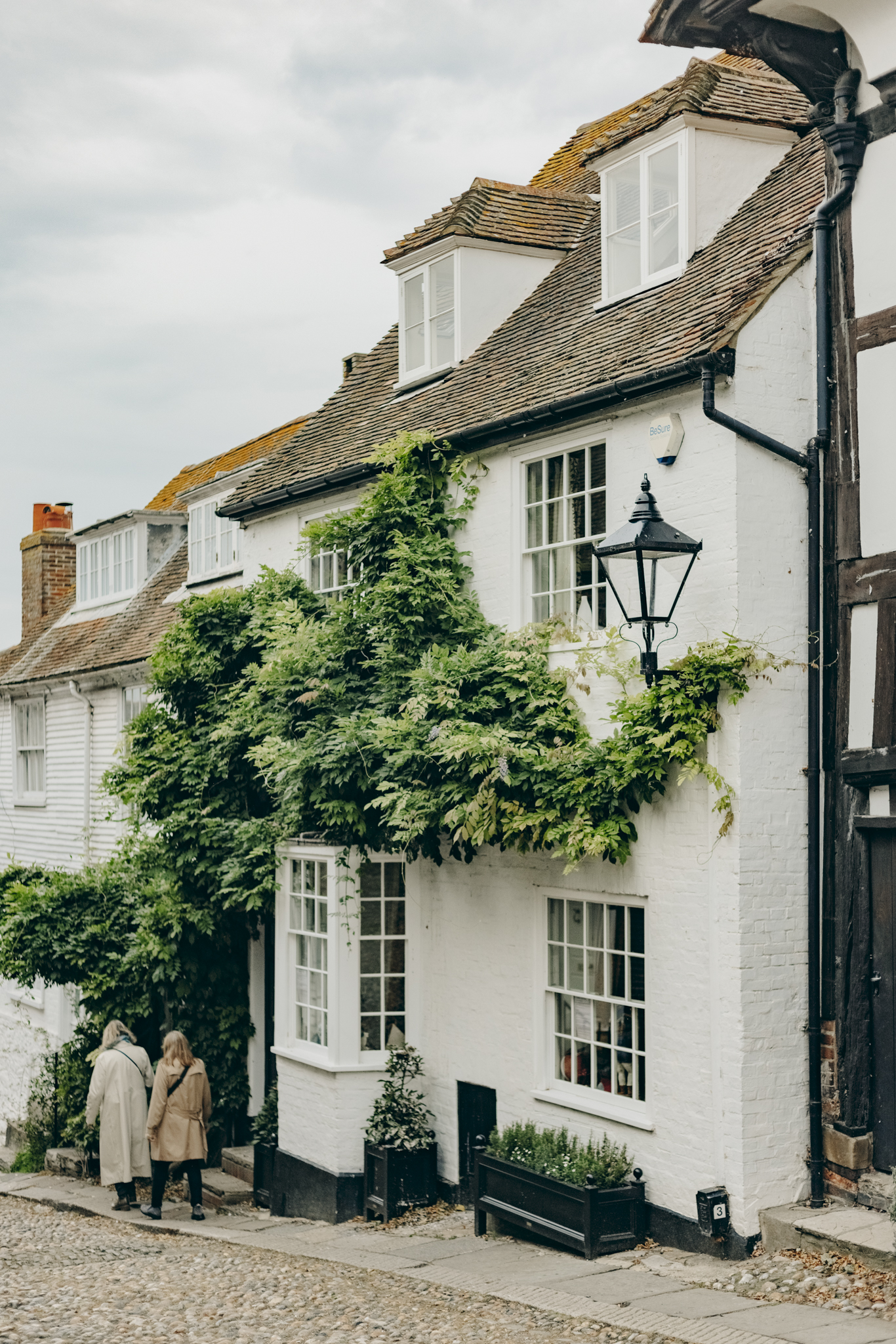
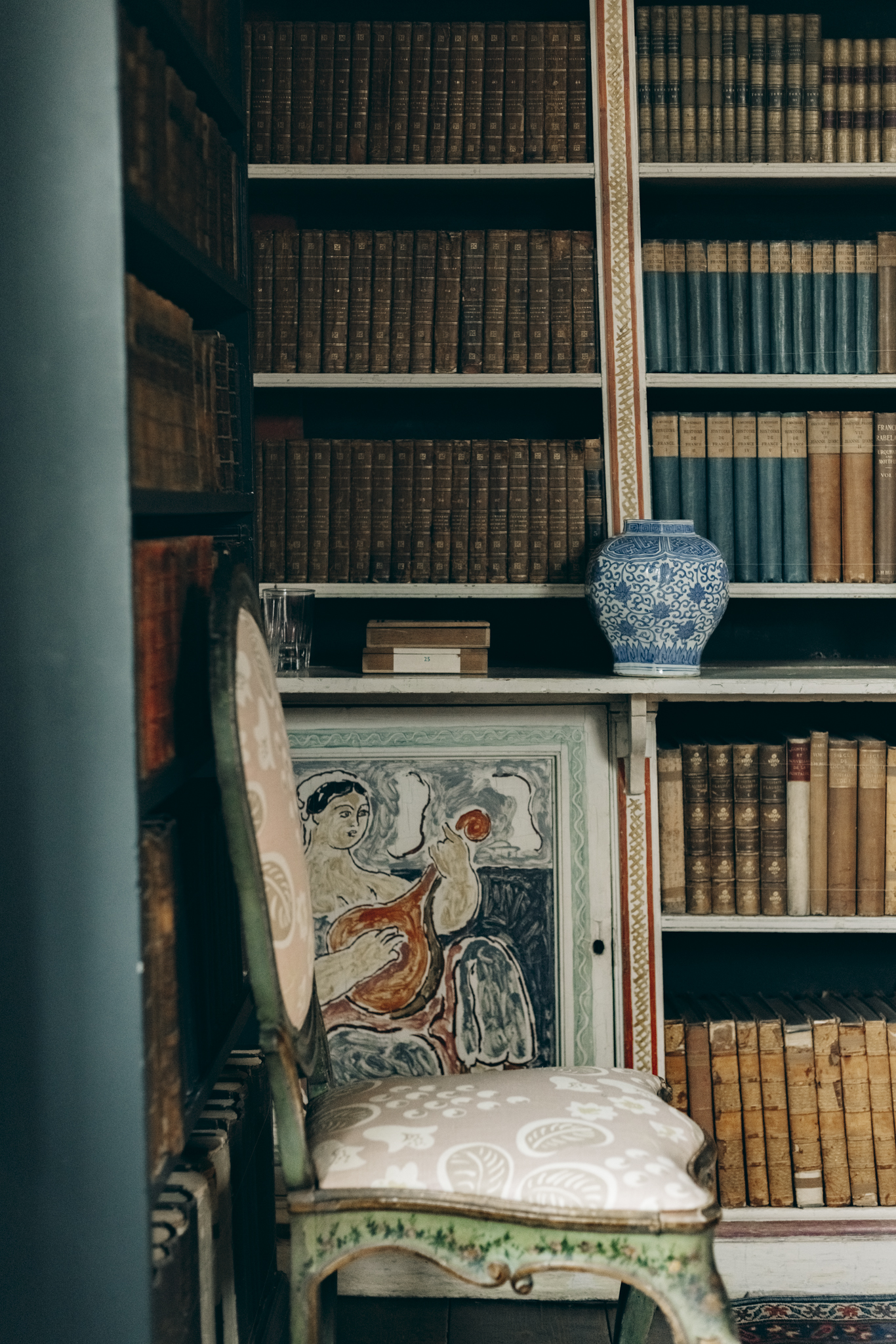
The medieval village of Alfriston, tucked alongside the sinuous River Cuckmere, is a picturesque base of operations in East Sussex. Book a room at The Star, a 15th-century inn with modern extensions, run by mother-and-daughter hoteliers (and Sussex locals) Olga and Alex Polizzi. It’s beamed and book- filled (Much Ado Books, a beloved shop down the road, curated the selection) and the kitchen can put together rucksack picnics for hikes. Hill walking is a major draw for the area, and one of the most spine-tingling routes in the UK is on the doorstep: the Seven Sisters Cliff Walk, an undulating ramble beside the sea and up the Cuckmere. Taxi to the National Trust Birling Gap and the Seven Sisters café, which is right next to the footpath, then spend half a day journeying back to The Star.
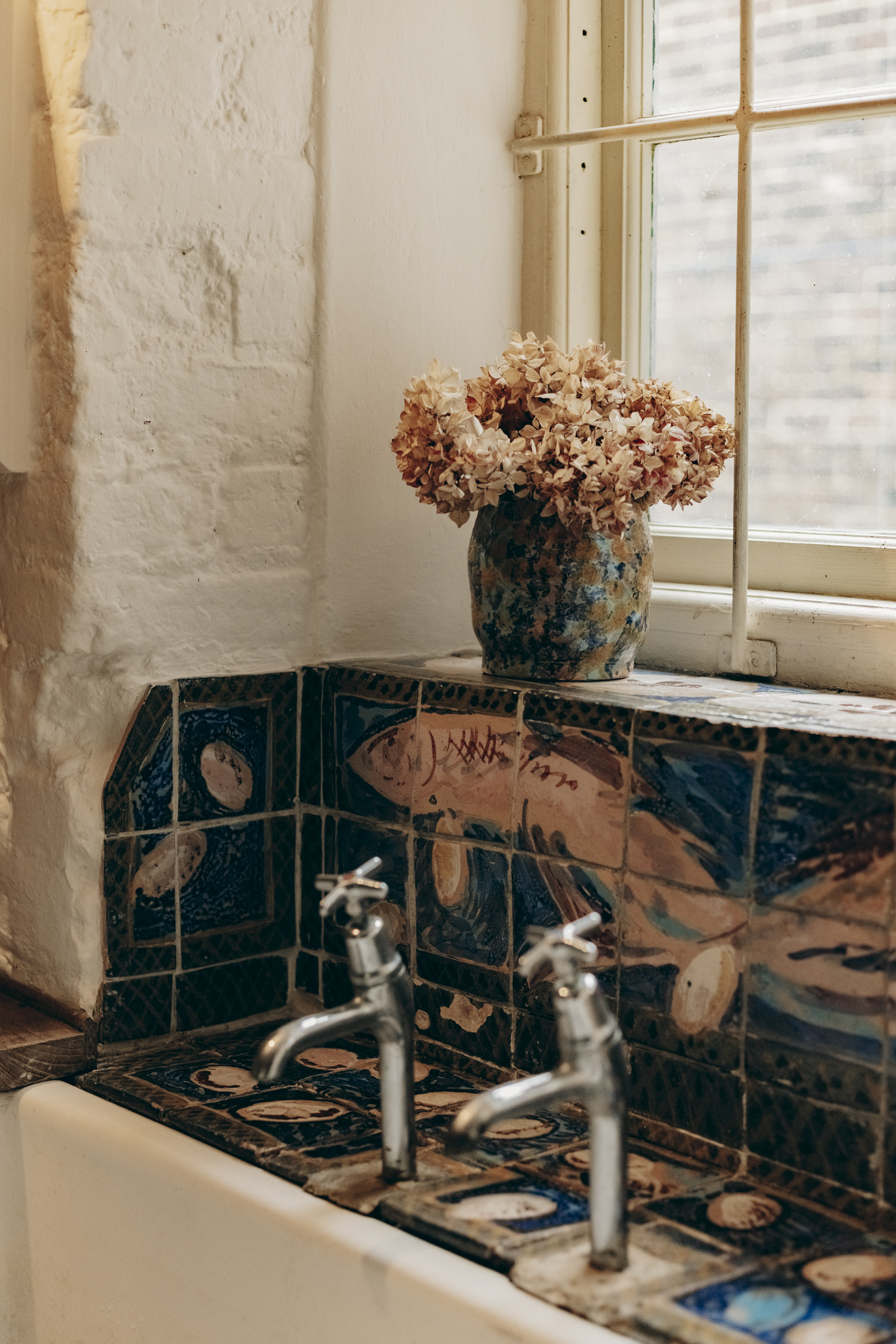
The ballyhooed winery Rathfinny Estate sits on a rolling green rise just south of Alfriston village. It’s a popular stop for wine tasting and lunch (walk in for cheese toasties and glasses of fizz at The Hut, where the picnic tables face the Chardonnay vines) before heading back to the South Downs Way (a 160km pedestrian trail throughout the national park). Hop in the car or hoof it over the downs to Firle, where riotously illustrated Charleston, the former home and garden of the painter Vanessa Bell, and the countryside retreat of the Bloomsbury Group, sits on the outskirts of the village. After a tour of Charleston, The Ram Inn, the local pub in Firle, is the perfect spot for a round of drinks or a superb Sunday roast (lamb on the menu is supplied by a farmer from the village who rears his top-notch livestock in sight of the pub).
Just across the A27 from Firle, the village of Glynde is home to the renowned countryside opera house Glyndebourne. The dress code is black tie, and guests bring picnics to eat on the grounds during the interval (The Star can supply these fancier hampers too). Whether or not you give a fig about opera, the sight of the bowtie-wearing crowd stretched out on the lawn, passing crudités, is worth the cost of a ticket.
The pretty market town of Lewes, a few miles west of Glynde, is dominated by a Norman castle (sweeping views of the downs from the keep) and the River Ouse, which runs through it. The best flat whites are at Taith Coffee, which also offers a handful of clever vegetarian lunch plates such as roast pumpkin and oat risotto with rhubarb hot sauce. For a wider range of takeaway options, head to Flint Owl Bakery (daily soup, sandwiches on homemade bread), or make a reservation at Squisito, a cosy Italian with bowls of freshly made bucatini on the pass. Once revived, peruse the homeware at independent shops including Closet & Botts and Margot, or poke through that week’s haul of antiques at local auction house Gorringe’s.
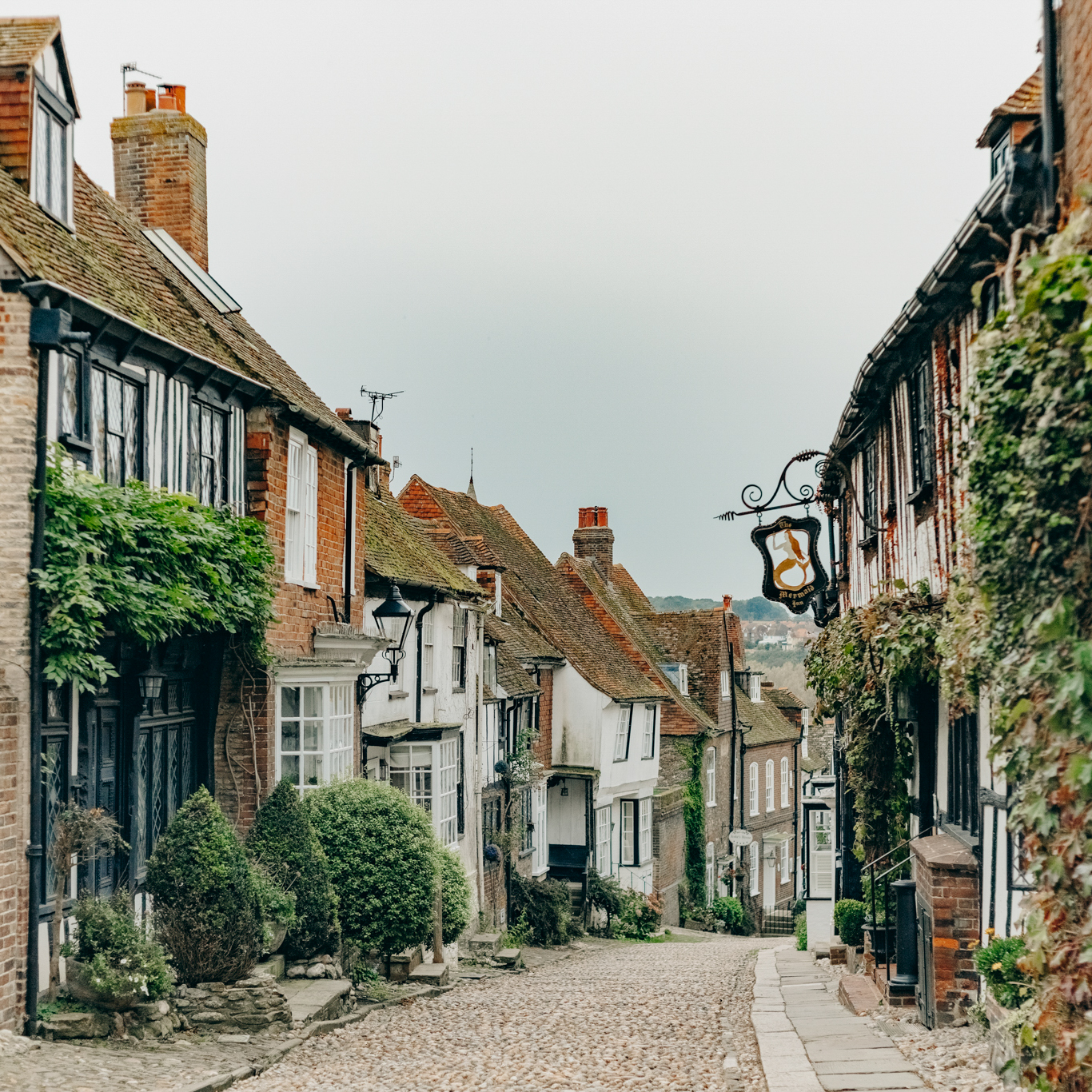
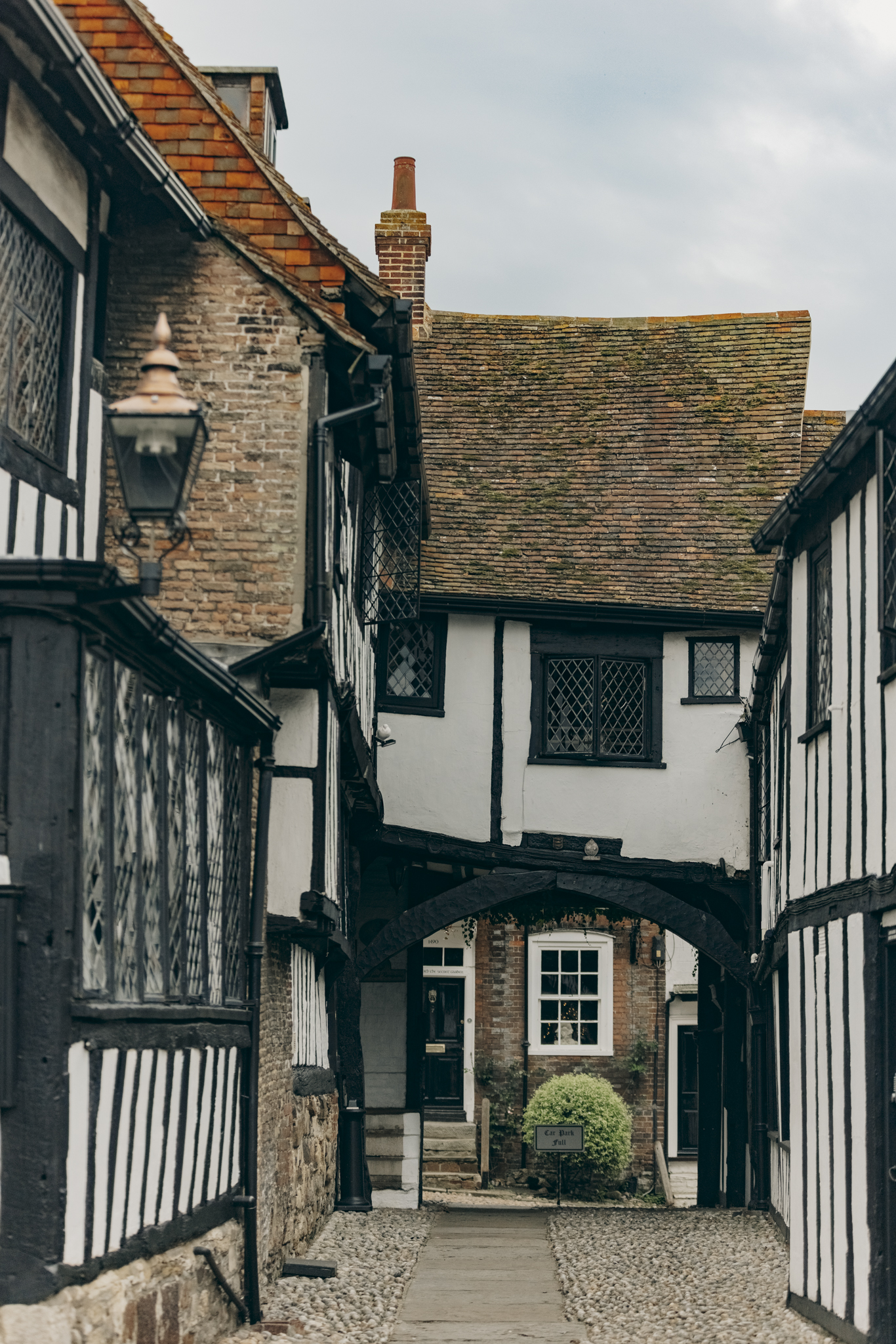
There are plenty of windswept towns along the coast, but hands down the most picturesque is Rye, a former haven for wool smugglers. Wander along Mermaid Street and then head over to The Fig for the mushroom eggs Benedict before nosing through Lamb House, a National Trust property where the writers Henry James and EF Benson both lived. Like Lewes, Rye is particularly well stocked with homeware shops; there’s Puckhaber for antique furniture, McCully & Crane for artwork, Rae for decorative textiles and Soap and Salvation for a mix of all three. Modern haberdashery Merchant & Mills offers weeklong sewing retreats (as well as a few day classes) for customers looking to learn a new skill. Camber Sands beach is a 10-minute drive south of Rye, and as the name suggests, is sandy underfoot, a rarity in pebbly Sussex. Go for a swim then finish the day over pints at The George in Rye, a pub with handsome bedrooms upstairs.
Further west along the shoreline, workaday Eastbourne is home to a destination art museum, the Towner Eastbourne Art Gallery, which hosted the Turner Prize in recent years. The gallery’s permanent collection contains anotable number of works by Sussex artists including Eric Ravilious, Duncan Grant and Vanessa Bell. A short walk from the gallery, Skylark serves a belter of a full English until 3pm. To The Rise Bakery is a reliable standby for lunchtime toasties and coffee while bottleshop Cru is the place for nibbly plates of chorizo and croquettes, washed down with artisan wines by the glass. Wine bars abound in Brighton and Hove, and the most charismatic of the bunch is Fourth and Church, a neighbourhood restaurant packed with bottles for sale, offering inventive food (caramelised onion tart with porcini hollandaise; Camargue red rice risotto with confit squash and black olives) and come-as-you-are service. Ten minutes away on foot is a speciality independent bookshop, Cookbookbake, which sells food-focused biographies, memoirs, fiction, and of course, cookbooks (both new releases and out-of-print rarities). For a tranquil afternoon watching the waves, pick up egg sandwiches at Fika Hove, then walk them a few minutes south and spread out on Hove beach – it’s quieter than Brighton beach.
The Swan Inn in Fittleworth, a 14th-century former coaching stop, is now the go-to bunker in West Sussex. There are 12 bedrooms inspired by previous guests (block-printed floral wallpaper in the John Constable room; a pomegranate headboard for Rudyard Kipling), above a wood- panelled pub. It’s a convenient perch for visiting Petworth, the busy market town known for its antiques shops, next to Petworth House and its deer park (operated by the National Trust and open to visitors). The Hungry Guest, a deli in town, is a smart stop for lamingtons.
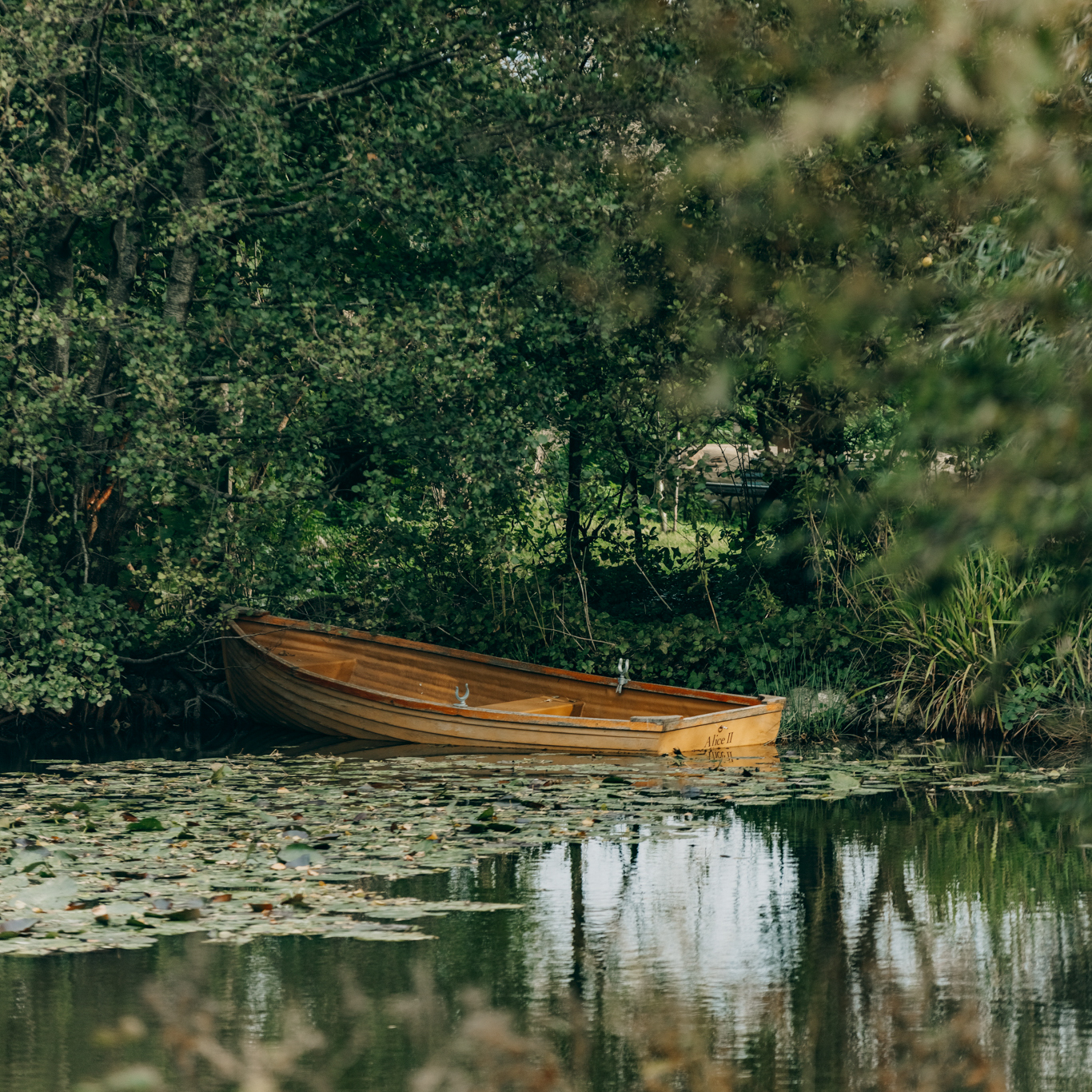
Half an hour away, the Knepp Estate – 3,500 acres in West Grinstead – has been the subject of a vast and revolutionary rewilding project, driven by the owners, Charlie Burrell and Isabella Tree. The estate offers ecologist-led walking and vehicle safaris to see the wildlife that has moved in since they stopped farming the land: red stags and Exmoor ponies, English beavers and 13 varieties of bats. The Knepp Wilding Kitchen makes a convenient coda to visiting the property with its sustainability-driven cassoulet and gnudi lunches, plus a shop toting traditional trugs and nature-themed children’s books.
Nearly 1,000 years old, Arundel Castle towers over one of the most romantic towns in Sussex. The castle and grounds are open to the public from April to November; climb to the keep, sniff around 38 acres of gardens (the castle’s tulip festival is a destination event), then head on to the high street. Tarrant Street Espresso pours a silky takeaway coffee, or sit down and stay awhile for focaccia sandwiches at Juniper. It’s worth pointing out that Arundel is within the South Downs National Park, so if the mood strikes, post-sandwich, anybody with the beans can hike right back up on to the downs. The Arundel River Walk is a circular trail that runs along the banks of the Arun, through high woodland and the sloping Arun valley; when the crenellations of Arundel Castle come back into view, it’s time to call it a day and find a bath.
Check out more guides like this, plus all of London's best addresses in LONDON, the gloobles guide.
Jo Rodgers