a gloobles guide to Kent
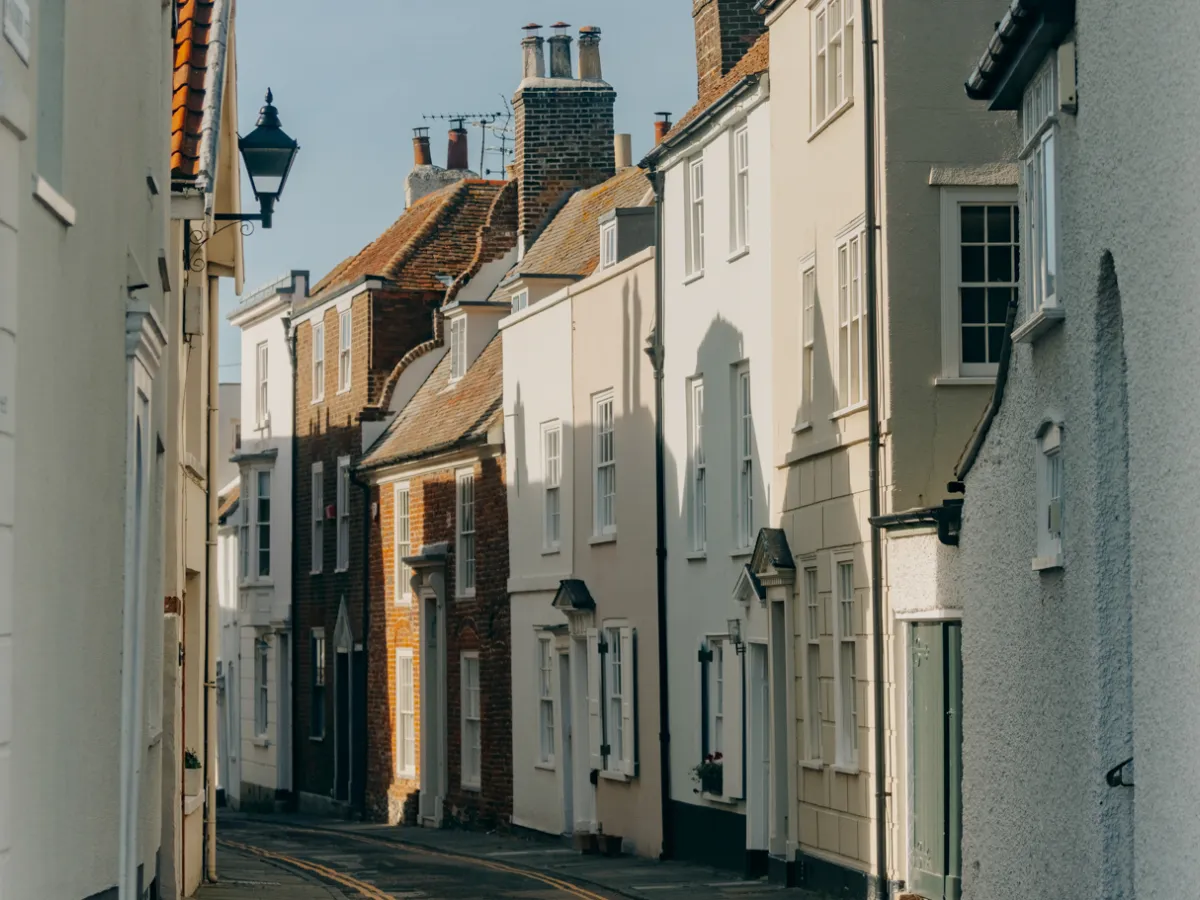
As with any place worth its sea salt, Kent isn’t easy to pigeonhole. This is one of England’s more geologically and culturally diverse counties, where for every country pub inglenook or woodland yomp, there’s a stretch of almost post-apocalyptic shingle or a gallery filled with rage-fuelled art. Try neatly summing up the seaside towns of Margate, Folkestone and Ramsgate, where there’s brilliant food and art between the amusement arcades; or their slightly more upscale cousins Whitstable, Broadstairs and Deal, which nevertheless remain more twee-resistant than the Cotswolds or Cornwall.
A sensible place to start any itinerary, especially in Kent, is with lunch. For a village pub, there’s a reason everyone talks about the Fordwich Arms, in a lovely riverside parish east of Canterbury, and its less formal sister the Bridge Arms, five miles south (and also home to locavore restaurant with rooms The Pig at Bridge Place). Both are owned by life partners Daniel and Natasha Smith, who in 2017 overhauled the historic Fordwich Arms with tasting menus and fresh ideas, and have also won a Michelin star for the Bridge Arms, which they opened in 2021.
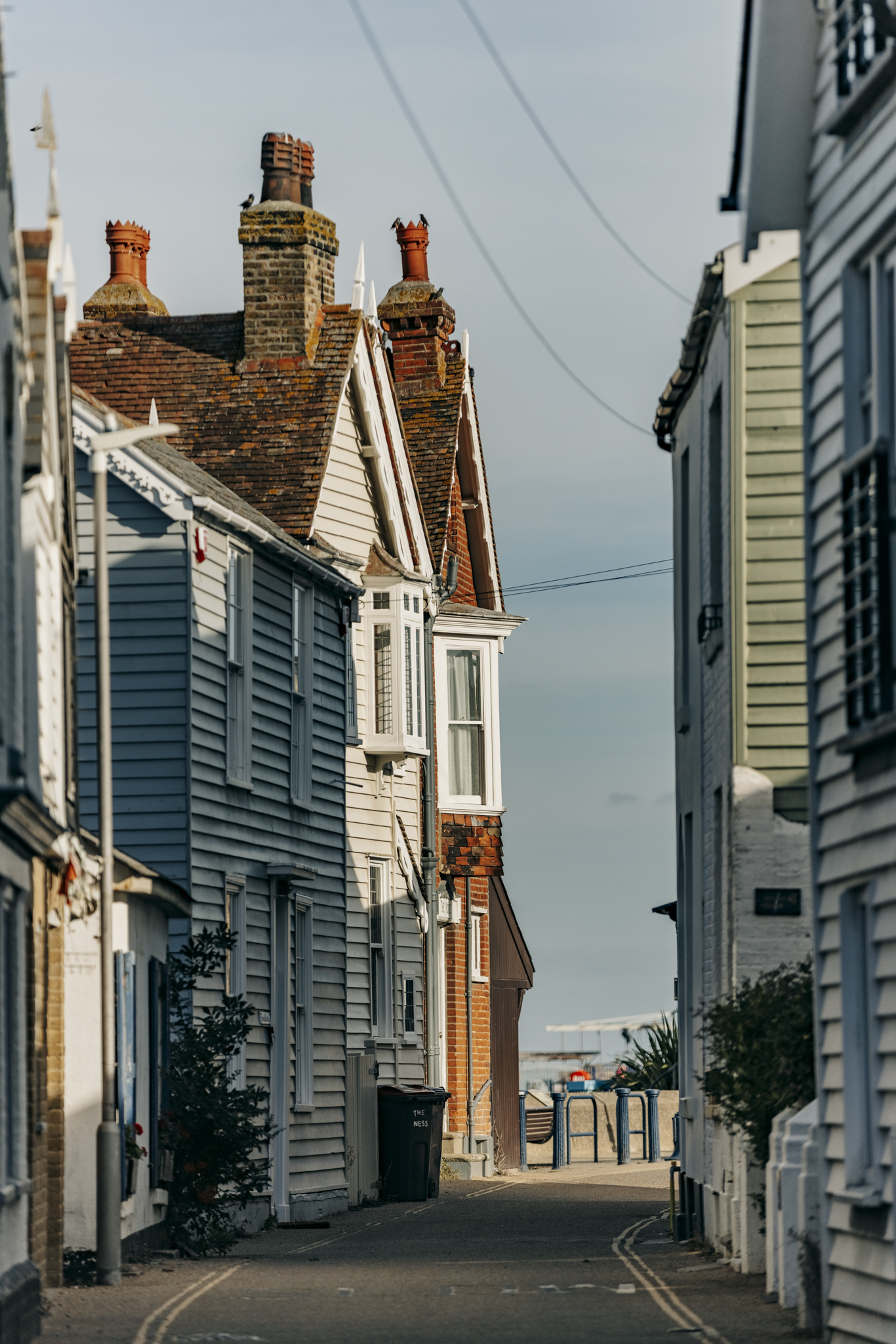
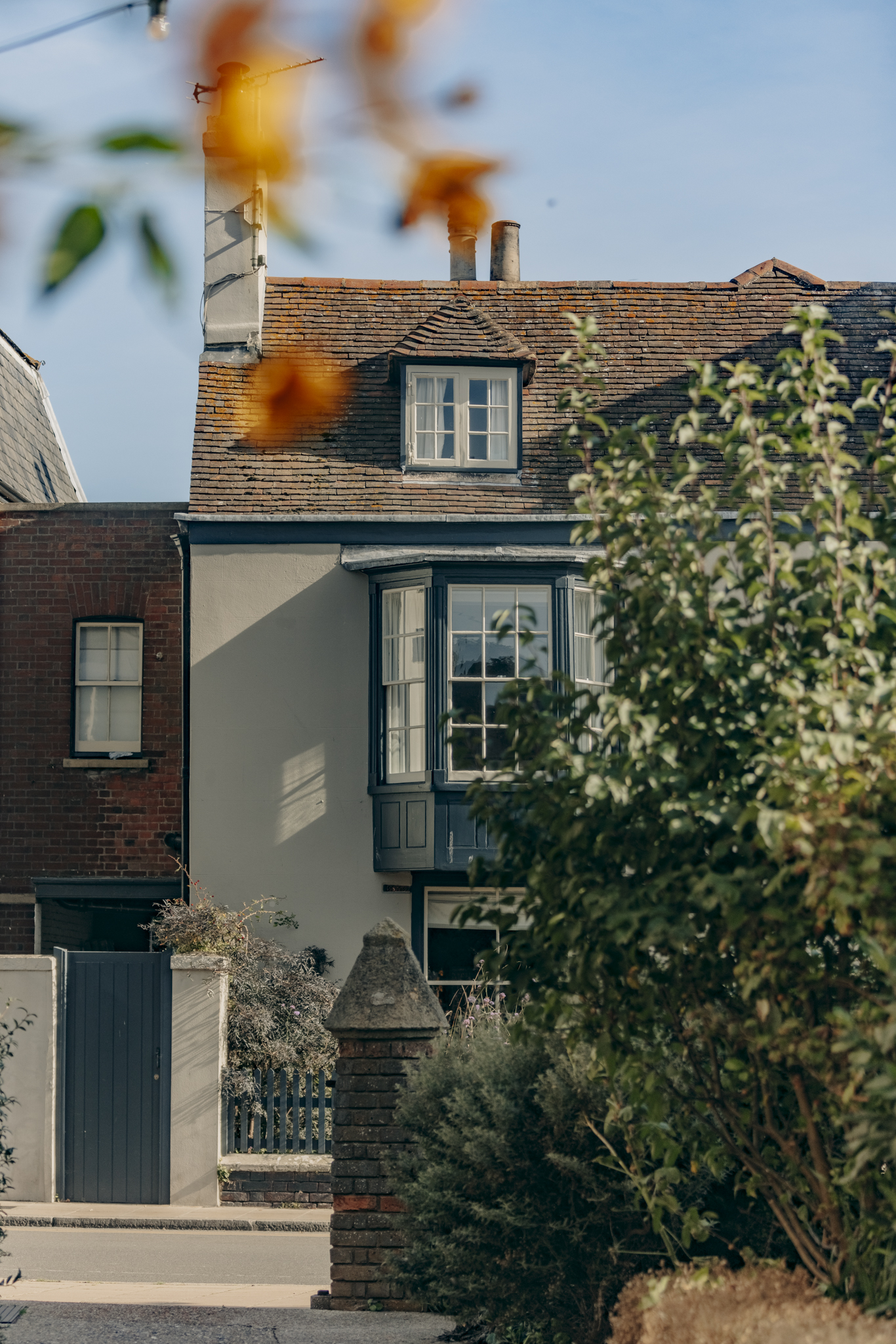
The other cult Kent gastropub is The Sportsman. It looks entirely unremarkable, on the edge of a holiday park in Seasalter, just outside Whitstable, but if anything that’s only encouraged esoteric chef-patron Stephen Harris on his quest to perfect buttery slip sole and rarebit soufflés since 1999. There’s a similar sense of alchemy at Updown Farmhouse, a listed red-brick pile inland from Deal with colour-pop bedrooms, which was taken over by ex-London restaurateurs Ruth Leigh and Oli Broom. Oli works a rare magic on the wood-fired oven in the wildly romantic vine-clad conservatory restaurant.
Without shouting about it, Kent is also England’s key county for wine production, with a chalky terroir and climate that’s barely distinguishable from Champagne. It’s possible to visit highly rated wineries such as Chapel Down and Gusbourne, but the most complete way to access it all is with a tour from Boys Hall, a 17th-century Wealden house on the edge of unprepossessing Ashford, with elegant wonky-beamed bedrooms.
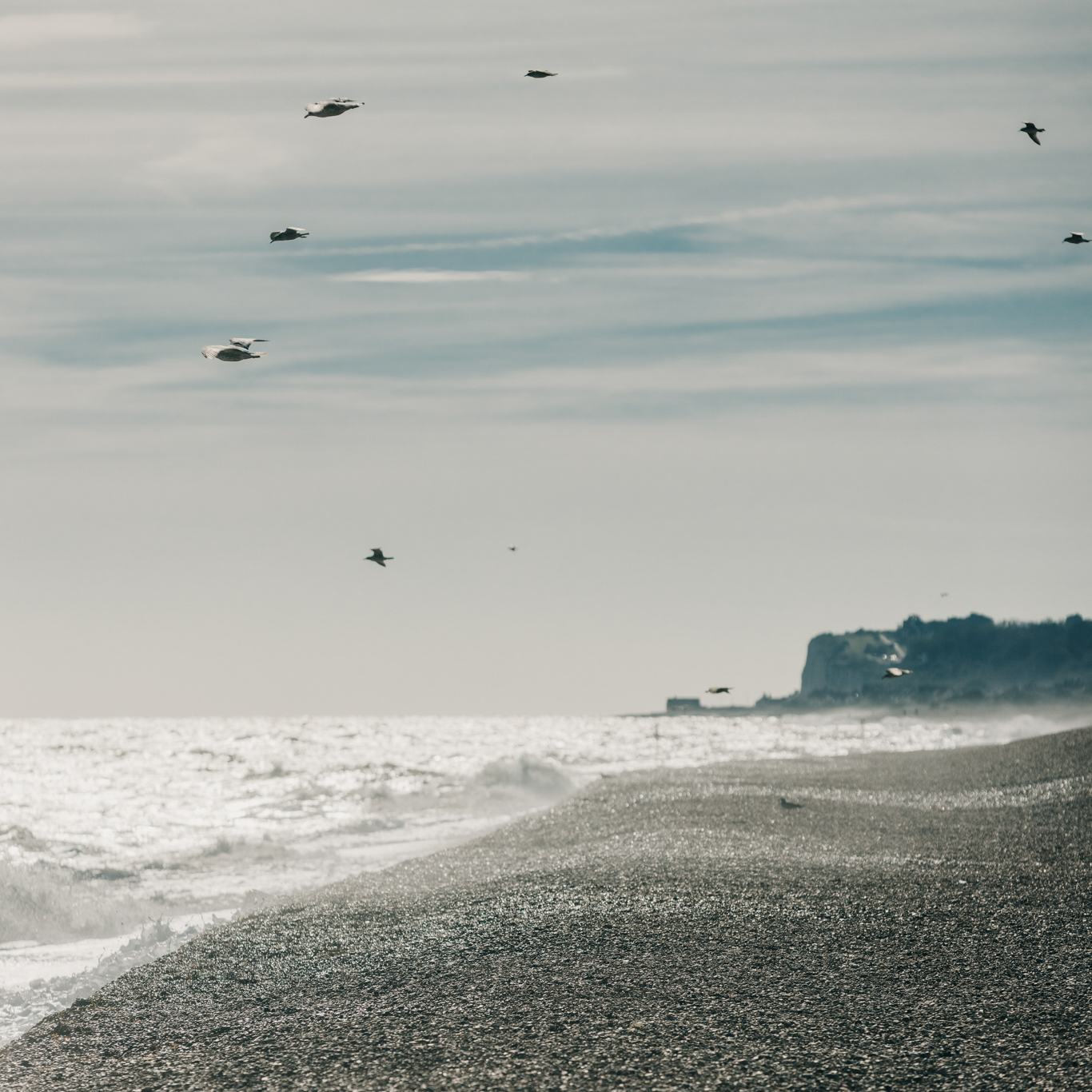
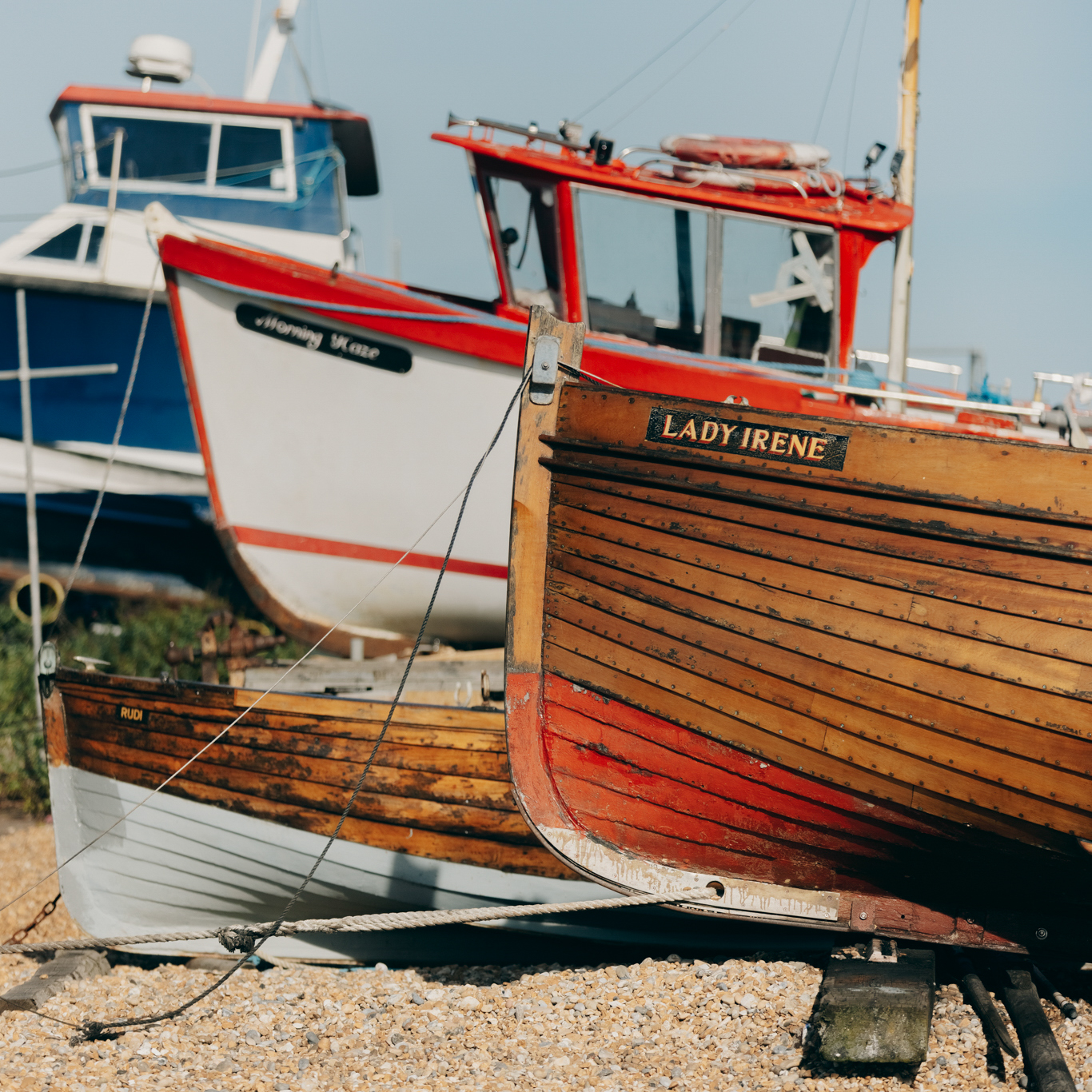
As for Margate – maybe it’s because its most famous local is Tracey Emin, an artist known for her unmade bed – it still has just a bit more edge than Folkestone. An extra layer of oddball whimsy that befits a town where the key attractions are the mysterious Shell Grotto and the Crab Museum. The food scene keeps getting better, with neo-bistros such as Pomus and Cliftonville’s Sète joining more established favourites: Sargasso on the Harbour Arm, from the team behind Hackney’s Brawn; the cult Campanian kitchen Bottega Caruso; and the twin seafood threats of Angela’s and its waterfront small-plates sibling Dory’s. The whitewashed Carl Freedman Gallery remains the locus of a lively art scene, with the London art crowd often staying at cool, mid-century-ish Fort Road Hotel opposite the Turner Gallery. The latter is part of a wave of cool Margate hotels including the seafront No. 42 by Guesthouse and Margate House up the hill, a smart burgundy-accented reimagining of the sort of townhouse B&B that used to be de rigueur on once-grand Dalby Square.
While the rolling pastures and market towns of the Garden of England are often lovely (The Goods Shed restaurant and food market by the station in Canterbury is worth a visit alone), it’s the coastal towns that separate Kent from more culturally monochromatic counties. Margate vs Folkestone is a regular debate – and the latter definitely lands some punches. It’s quicker to get to from London, with a cool Creative Quarter and triennial outdoor exhibition of contemporary art. Happy experiences include a Chambord Royale and shell-on king prawns at The Lighthouse Champagne Bar or a Sidecar at the louche speakeasy hidden behind the street-facing bodega of The Potting Shed.
Part of the appeal of Kent is its subtle tonal shifts. From Margate, it’s a bracing walk or cycle east past the surprisingly beautiful chalk stacks of Botany and Kingsgate bays to Broadstairs. Here the mini-golf courses are more manicured and the ice cream more old-school, especially the gelato at Morelli’s, with a pink interior that’s barely changed since 1932. While indie showings at the tiny Palace Cinema and folk jams at The Tartar Frigate add to a sense of bygone pleasures, there are also fresh ideas. Restaurants of note include Fifteen Square Metres, which dishes out sharing plates in a miniature dining room; and the wonderful Bar Ingo, a cosy San Sebastián-inspired bistro.
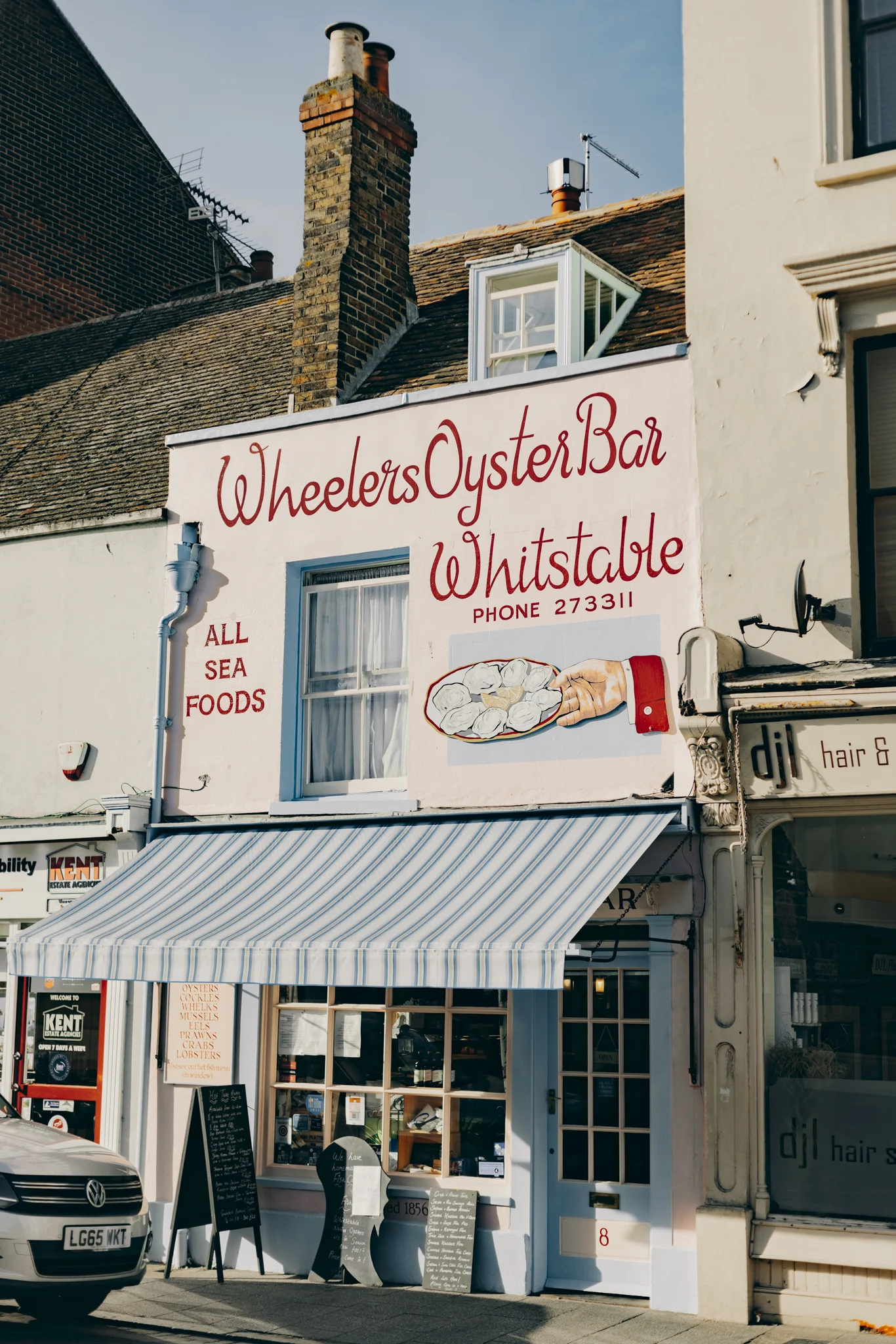
Then there’s Whitstable and Deal, which are both ever-reliable places to eat, shop and gaze out to sea. On the north coast, weatherboard Whitstable has been farming oysters since the 1400s, and was the first Kent seaside town to properly gentrify on the back of bivalve-slurping Londoners. These days the best are from the 1793 red-brick stores of the Whitstable Oyster Company, or Wheelers, a pink-fronted icon. Meanwhile, maritime Deal, with its Brutalist pier extending from Kent’s eastern coast, has been catching up for the past decade – ever since the French bistro Frog and Scot and The Rose hotel/restaurant opened just opposite each other on the High Street. These days, The Rose team is also behind The Blue Pelican, where chef Luke Green calls on time spent in Tokyo for his tempura kalettes, pork katsus and other creative Kent-meets-Japan morsels from the open kitchen.
The other Kentish option is to sod the small plates and simply escape. On the north coast, there are deep-nature cabins, bell tents and shepherd’s huts strung out across the Isle of Sheppey’s Elmley Nature Reserve, a watery wilderness of big skies, wildflowers and wading birds that feels so much more than an hour from London. Then there’s Dungeness, a curious shingle stretch with its nuclear power station on the border with East Sussex. Partly on the back of the artist Derek Jarman’s cottage and garden, its abandoned industrial bones have turned it into a breeding ground for contemporary architecture. Stays in evocative spots include Radar, in a one-time radar station, or the airily Brutalist Pump Station, named for its role during World War II. This is the edge of Kent, but – with the Romney, Hythe and Dymchurch steam train arriving with a toot now and again – it almost feels like the end of the world.
Check out more guides like this, plus all of London's best addresses in LONDON, the gloobles guide.

Toby Skinner
An acclaimed travel writer and former Condé Nast Traveller features editor, Toby Skinner has seen it all – from the finest hotels to the salty sea towns of Scotland where he grew up. He is the author of Ocean, The gloobles UK pocket guide and splits his time between the sea air of Margate (the ocean is never far from his mind), and adventures further afield. At home, you’ll find him taking a dip in the freezing ocean, biking the coast, or tucking into local favourites at Dory’s or Bar Ingo. On the road, he’s chasing that fresh, alive feeling, looking for serendipitous moments that you wouldn’t find in a cossetted five-star hotel. That means immersing himself in the peaceful löyly culture on a remote Scandinavian island, or driving through the vast national parks of the American West, Yosemite and Joshua Tree. A lover of living culture over guided tours and rigid itineraries, Toby is drawn to places with soul: Shanghai’s contrasts, Sydney’s North Curl beach, the wild edges of Iceland are just a few among many. He could, as he says, clam on and on whenever people ask. Next on his list? Japan, the Deep South, or maybe a long-overdue return to China.