24 hours: Valencia
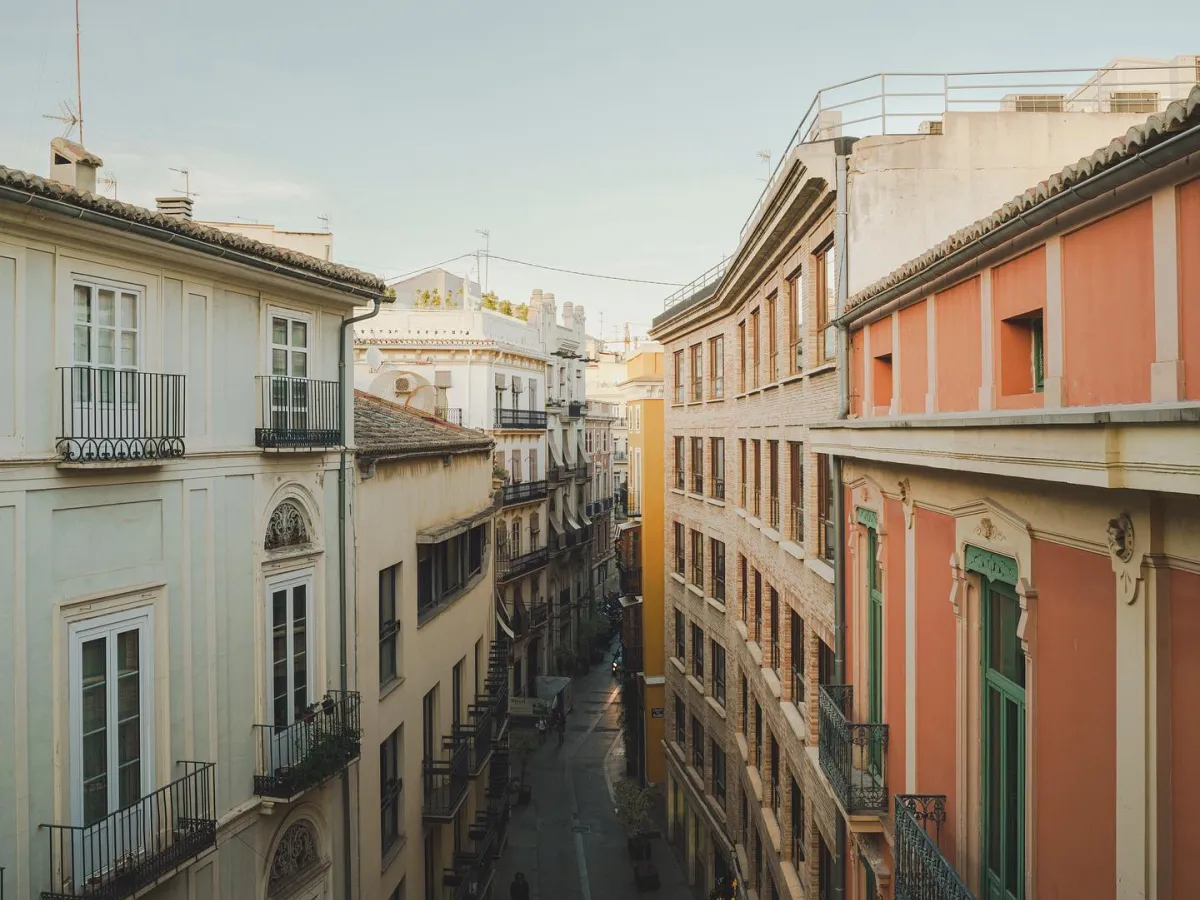
Spain's third-largest city, Valencia is happy for Madrid and Barcelona to have the limelight – it helps preserve the much-loved traditions that still play a big part in day-to-day life.
Abuelos sip beer with their morning almuerzo (hearty second breakfast), proud falleros and falleras dressed in fine silk gather on Medieval streets, and in 100-year-old restaurants, paella masters stoke orange-wood fires under gigantic bubbling pans. Venture deeper and you'll discover a fresh generation riffing on old traditions, such as modern pottery studios inspired by 12th-century aesthetics, retro tabernas turned into buzzy natural wine spots, and local artists imagining new futures in grassroots galleries. The result is a glorious mash-up of old and new, ideal for a deeply enriching city break.
Casa Clarita
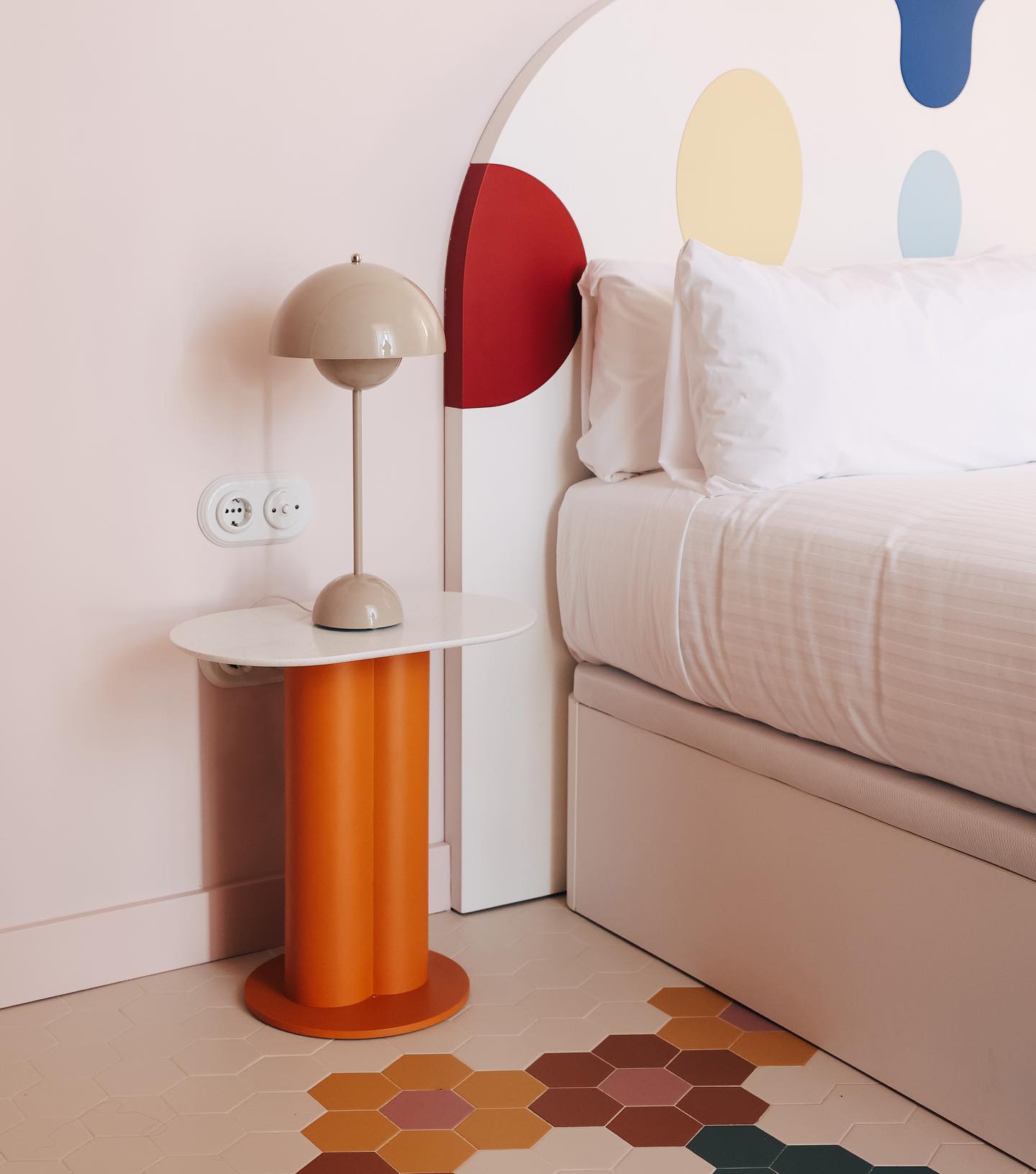
What happens when you let an artist loose on a boutique hotel? Casa Clarita, of course. Madrid-born illustrator and ceramicist Jaime Hayon was entrusted with an old glass maker's townhouse on a quaint street in Valencia, surrounded by antiques dealers. Hayon didn't hold back, and his cheerful style shines brightly. Bedrooms are painted eggshell blue or butter yellow, original hydraulic tiles are rearranged into flower motifs, and playful murals cover the stairways. The buffet breakfast is good, but for a more authentic meal cross the road to La Bodeguita, where the tortilla is one of the best in the city.
Casa Fran
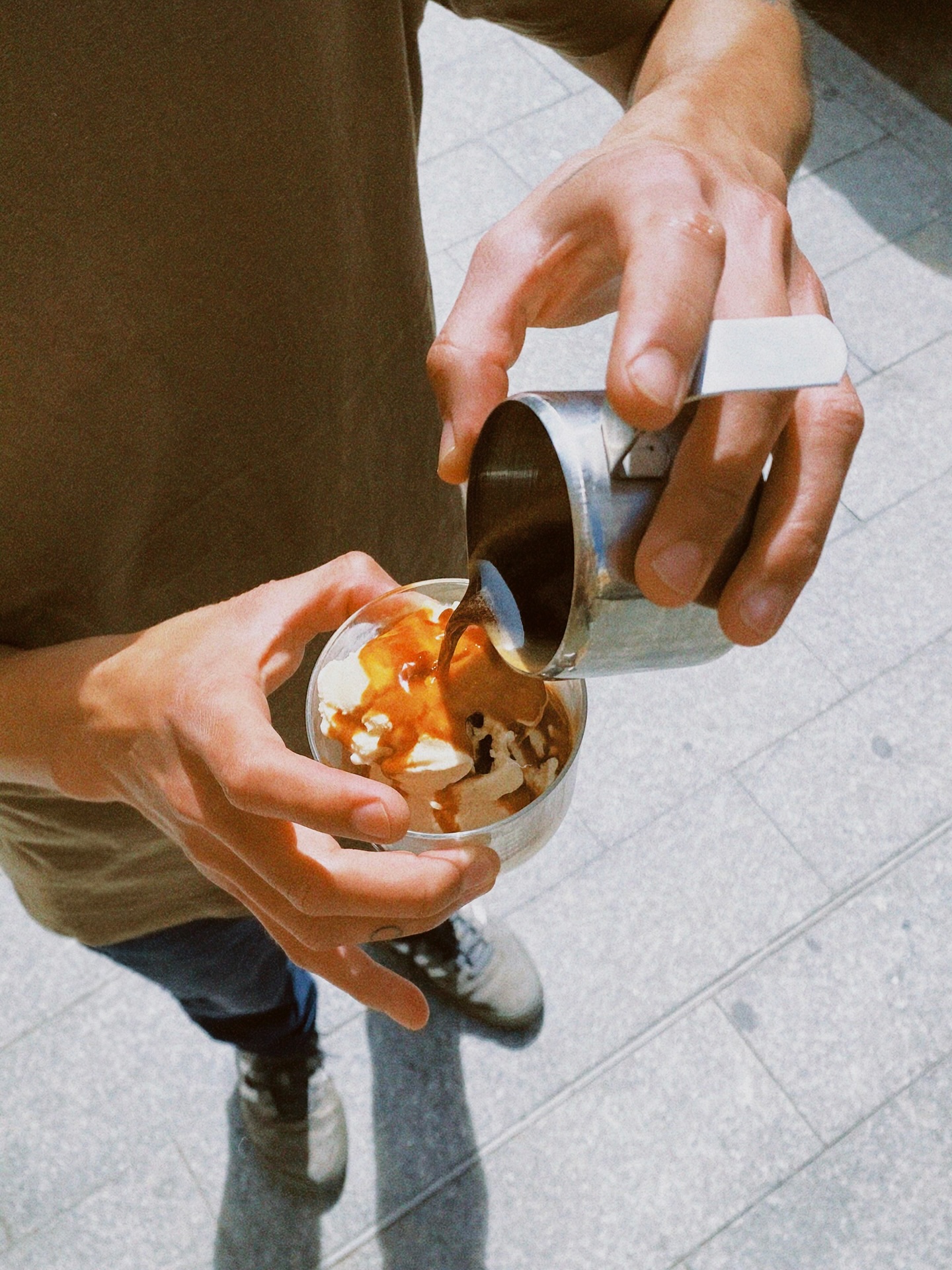
When Fran Café opened in 2022, it was exactly the kind of chilled, quality-driven coffee spot the city had been waiting for. The hole-in-the-wall hangout has since opened a bigger, more comfortable site in the city centre, serving the best flat whites and homemade sea-salt-and-dark-chocolate cookies. Just outside, don't miss the towering Gothic fortification, Torres de Quart. One of the original doorways to the city, the relic is covered in cannon crater freckles. There are brilliant views from the top, climb it for just €2.
Plou Estudi
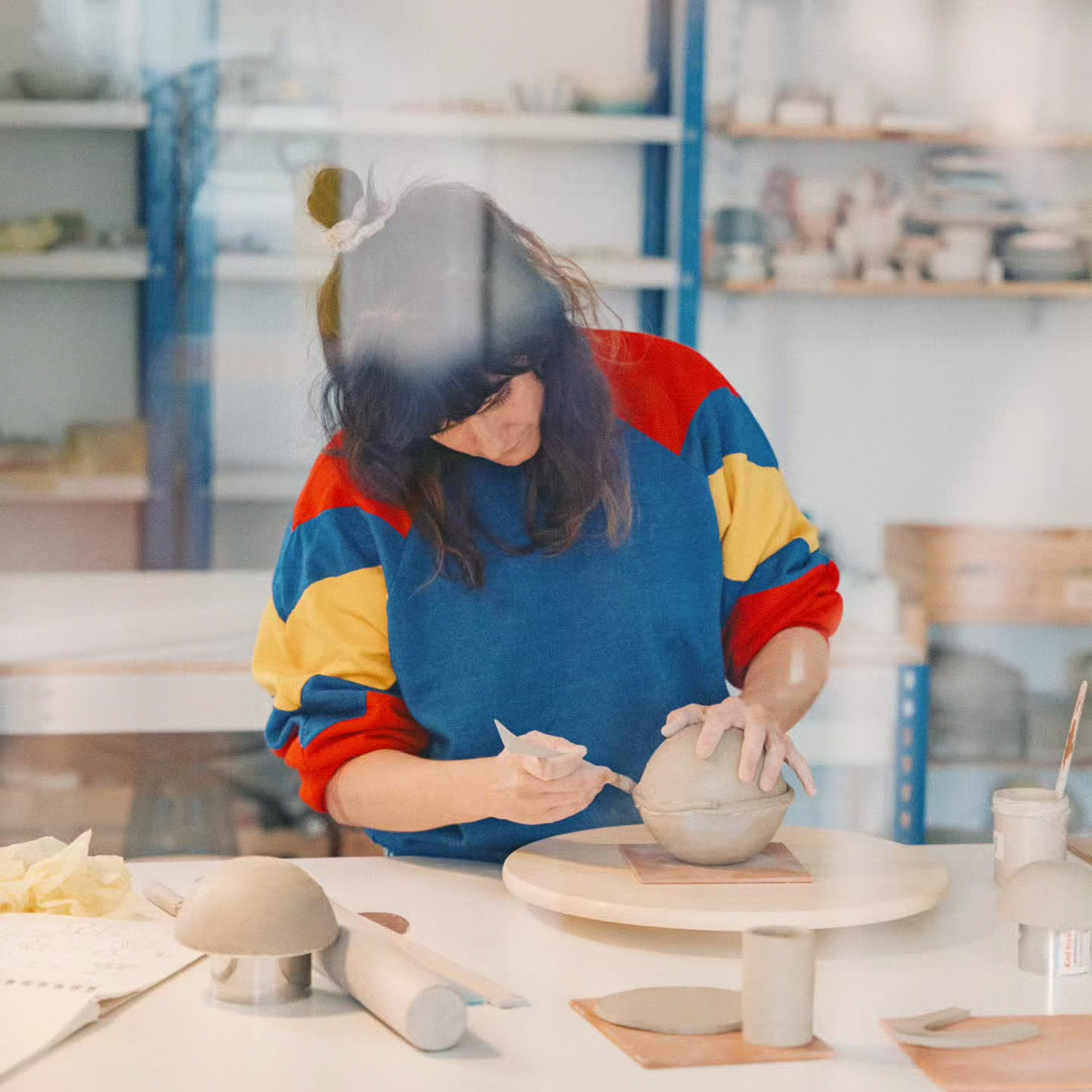
Ceramics is embedded in Valencia's DNA; many of Spain's best pottery studios use glaze made in nearby Manises. Get a hands-on history lesson by joining a fridge magnet workshop in Plou Estudi, a compact but colourful studio on a quiet street behind Institut Valencià d'Art Modern. Inside, Elena López does a brilliant job of coaxing the best work out of her students, sprinkling a little of her Joan Miró-esque colour palette over everything. She will glaze and fire creations ready to be collected; the handmade lemon and flower magnets make cute souvenirs.
Kiosko La Pérgola

A hefty mid-morning meal with supersized sandwiches and a fair amount of booze, almuerzo is a real treat. Traditionally, almuerzo was solely the pleasure of labourers, eaten before work to set them up for a hard day's graft. Today, it's loved by every social segment. There's a friendly competition between bars to see who can make the best sandwich, and Kiosko La Pérgola often comes up trumps. The greasy spoon-style kiosk sits beside a busy roundabout, and people queue down the street to secure a terrace table. Order the superbombón: a chewy baguette stuffed with pork, cheese mushrooms, mayo and chips. Beers are customary, as is finishing on a cremaet, a coffee made with lemon and cinnamon-infused rum.
Rocío Jewels
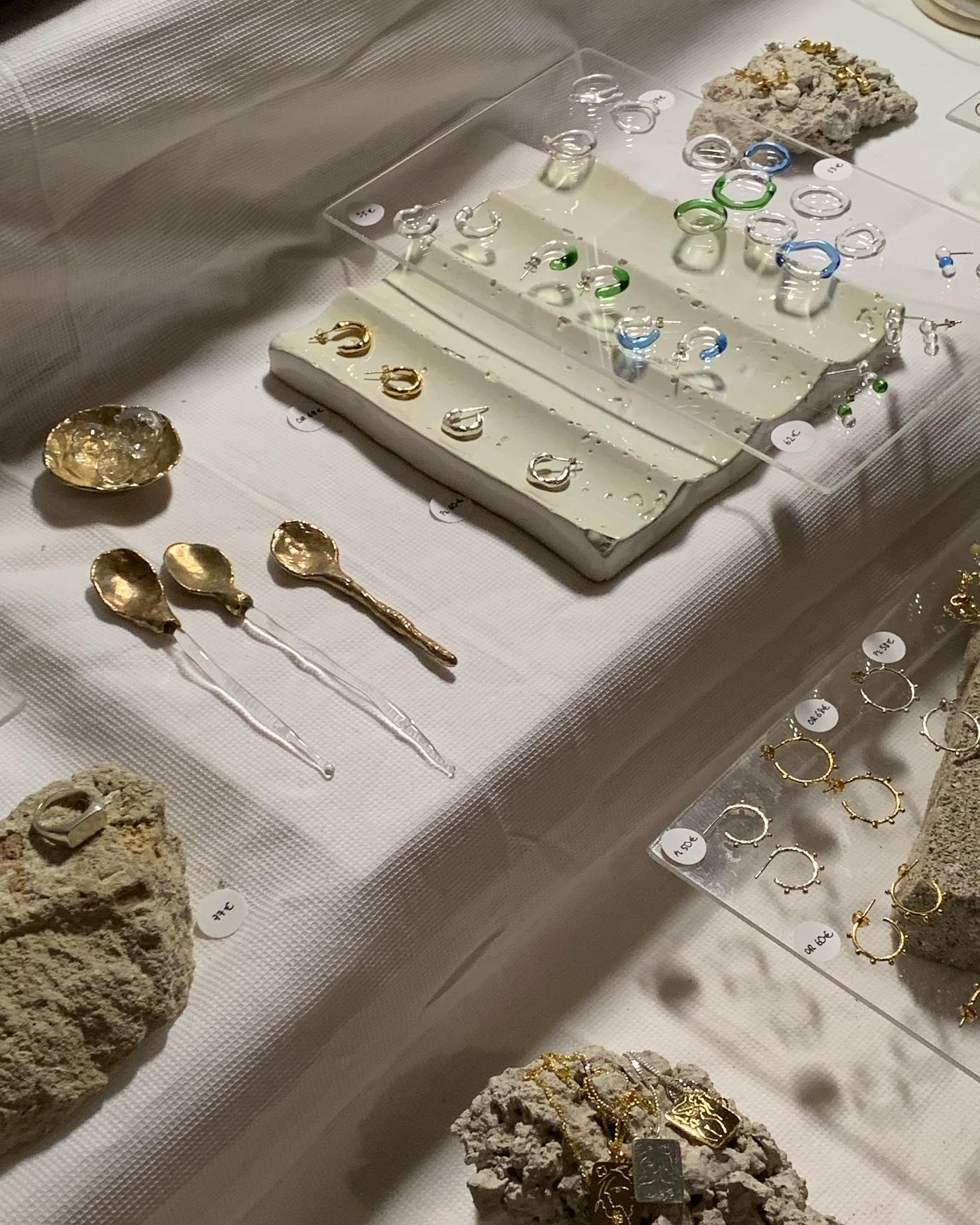
Raw brick walls and crumbling plaster offer a lovely juxtaposition to the delicate, twinkling necklaces of Rocío Jewels. Inside, founder Rocío Vicén is often found polishing gold signet rings at her battered wooden workbench, while her husband Ferran attends to folks drawn in from the street. They're both local (Ferran's dad and grandad were both born and raised on the next street, in fact), and each piece is a celebration of the perfectly imperfect forms of nature. Try on necklaces linked by silver curls like snail shells and gold stud earrings that look likesea-battered pebbles.
La Barraca de Toni Montoliu
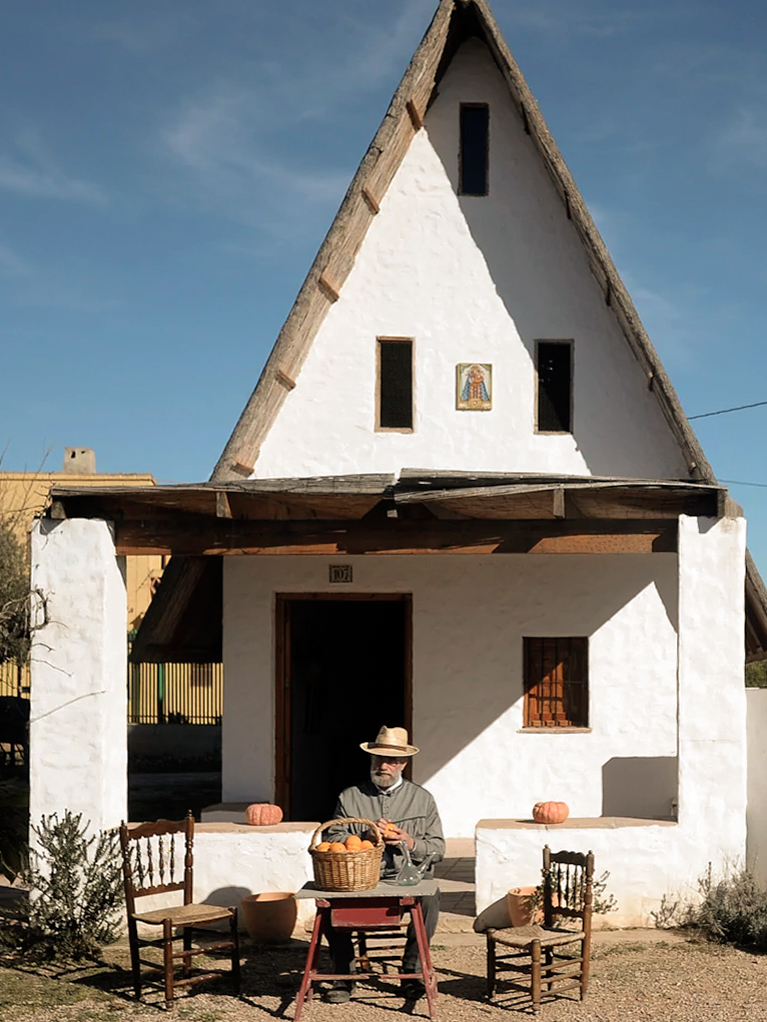
There are a couple of ground rules with paella: never eat it for dinner and, strictly speaking, if it doesn't contain rabbit, chicken, green beans and garrofón (similar to a broad bean), it’s not paella. Everyone has their favourite spot, but Toni Montoliu's rustic restaurant is a great place to start. The farmer turned his old barn into a dining room. Pitchforks decorate the walls, and home-grown ingredients are used in the Valencian salad and paella. Some tables are outside, where the trees offer dappled shade and orange-wood smoke perfumes the air. Finish with a bumpy ride on Toni's horse and cart through the fields.
Centro del Carmen de Cultura Contemporánea
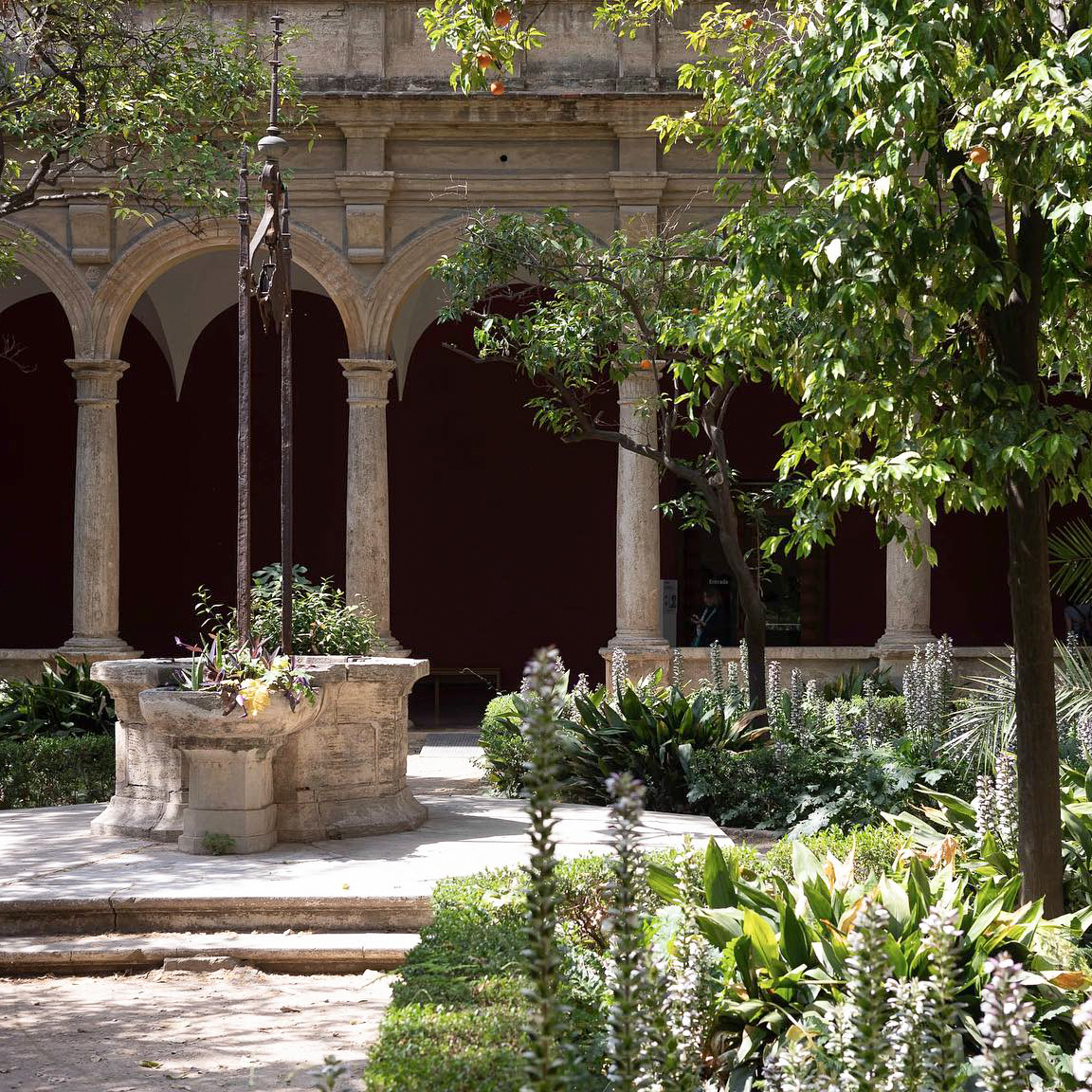
Wedged into the narrow streets of El Carmen is one of Valencia's most elegant galleries. The home of contemporary exhibitions and local talent, Centro del Carmen de Cultura Contemporánea (CCCC) is the place to see retrospectives on graffiti artists and Valencian folk dancing events in the galleries. The CCCC is spread across a 13th-century monastery, and the walls emanate the calm, unhurried vibrations of its previous life. Even on the hottest days the mossy Gothic cloisters are cool, and local families with young babes hide out in the free, air-conditioned playroom, complete with mirrors, cushions and toys.
Barbaric
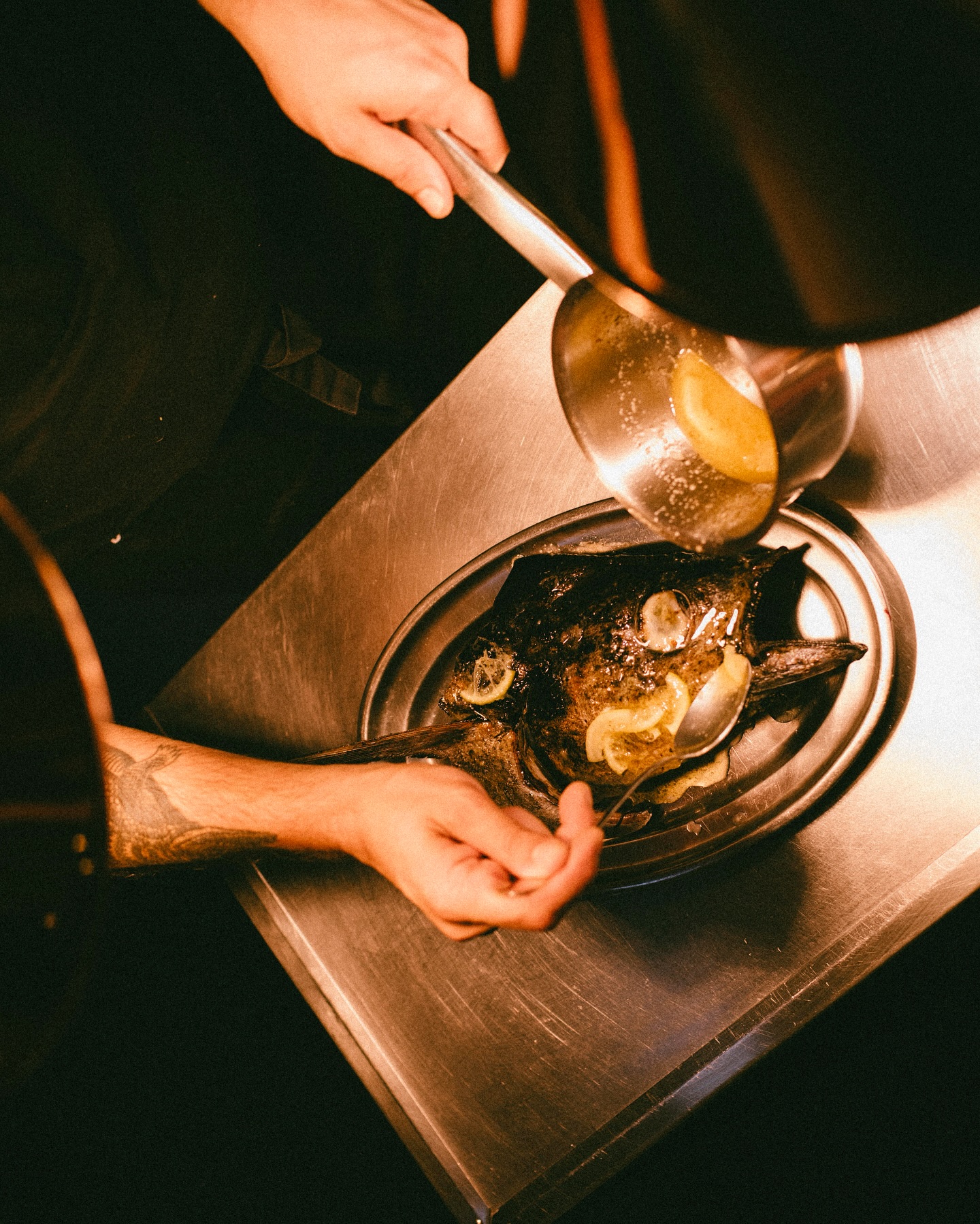
Found in an old taberna, Barbaric might look like a 1970's time warp, but the menu is totally forward-thinking. After meeting in Berlin, Julia Dewald and Álex Sánchez Beseler moved back to Álex's home city to put a spin on a typical Valencian bar. Expect unusual European wine, such as rare Savagnin blanc by Jura winemaking legend Thomas Jacquin, and clever small plates with a Mediterranean soul, such as harissa clóchinas (Valencian mussels) or homemade morcilla (blood sausage). Finish with a refreshing orange sorbet with mandarin meringue and yuzu kosho. Want to keep the good vibes going? Boogie until 3:30am at HIFI, a petite, vinyl-worshipping club just a 10-minute walk away.
Lucy Lovell