Wineries, gorgeous beaches and cultural gems make Alentejo one of the most fantastic places to visit in Portugal. Have their deliciously chilled red wine on tap and eat local (not hard to do when everything is so good!). You won't regret it.
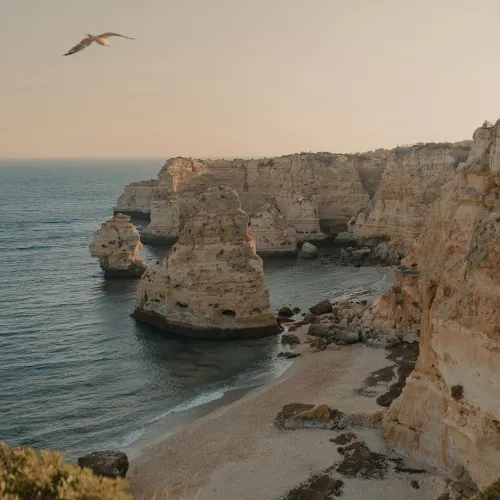
The reputation is entirely deserved and slightly beside the point. Yes, the limestone sea stacks and golden cliffs of the western coast are among the most photographed in Europe, and yes, the beaches are exceptional. But the Algarve rewards those who look beyond the obvious stretch. The market town of Loulé on a Saturday morning, the whitewashed villages of the Serra de Monchique hills, a plate of percebes and a glass of vinho verde at a harbourside table in Tavira with nobody in a particular hurry. The eastern Sotavento coast is quieter, flatter, and in many ways finer. A region that has been popular for decades without quite exhausting itself.
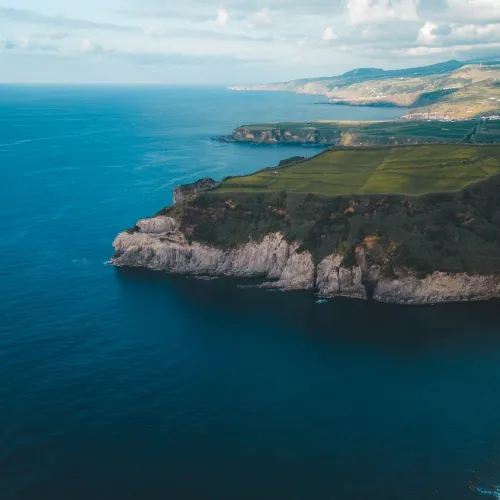
Nine volcanic islands in the middle of the Atlantic, each one different enough from the last to justify the inter-island flights. São Miguel is the most visited and earns it: the Sete Cidades caldera lake sitting in its extinct crater in two shades of green and blue, the Furnas valley with its bubbling thermal pools and the cozido slow-cooked underground in volcanic heat, the whale watching offshore that operates year-round because this stretch of ocean is genuinely one of the best on earth. Faial and Pico face each other across a channel with the mid-Atlantic ridge running between them, and the black lava vineyards of Pico, where Verdelho grows in stone-walled curraletas against the wind, are unlike any landscape viticulture produces anywhere else. The Azores reward those who stay long enough to understand that the weather is part of the character, not a problem to be solved.
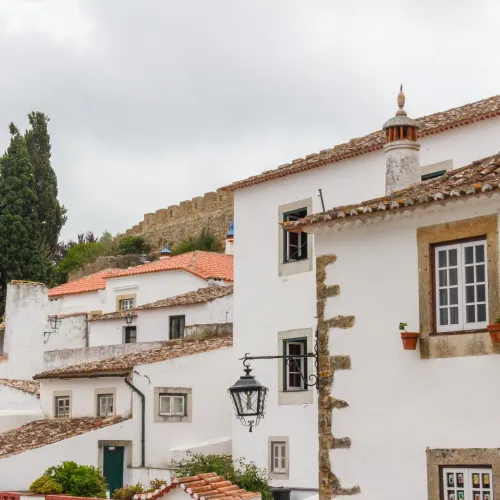
Portugal's central heartland stretches from the Atlantic coast into rolling countryside, where pine forests, vineyards and farmland surround medieval towns, grand monasteries and hilltop castles. Follow the coast south to discover sandy beaches and sleepy fishing villages, then head inland to the walking trails and rocky hills of the Serras de Aire e Candeeiros Natural Park. This is a quieter, wonderfully unhurried and often overlooked part of Portugal.
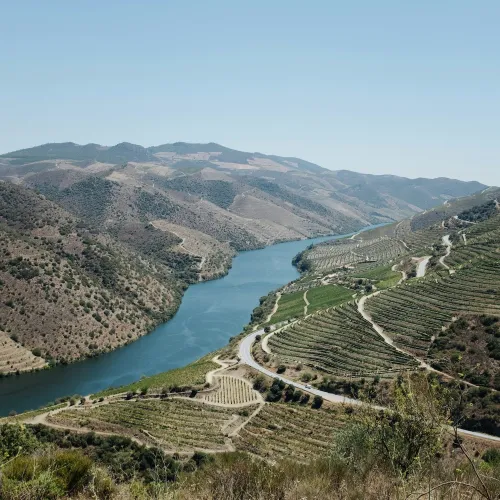
The terraced vineyards that climb the Douro gorge in tight schist-walled steps are one of the great man-made landscapes of Europe, and the river that winds beneath them makes the whole thing considerably more beautiful. This is where port comes from, and where the dry table wines that have quietly been getting very good indeed are made on the same ancient quintas. The best way to see it is slowly: a boat upriver from Porto, stopping at estates where the tasting room doubles as the family dining room, or a car winding the ridge roads with no particular schedule. Autumn, when the vines turn and the harvest is in, is the finest time of year. Though in truth there is no bad one.